
Philippines and Southeast Asia Outshine as Digital Nomad Hotspots in 2025
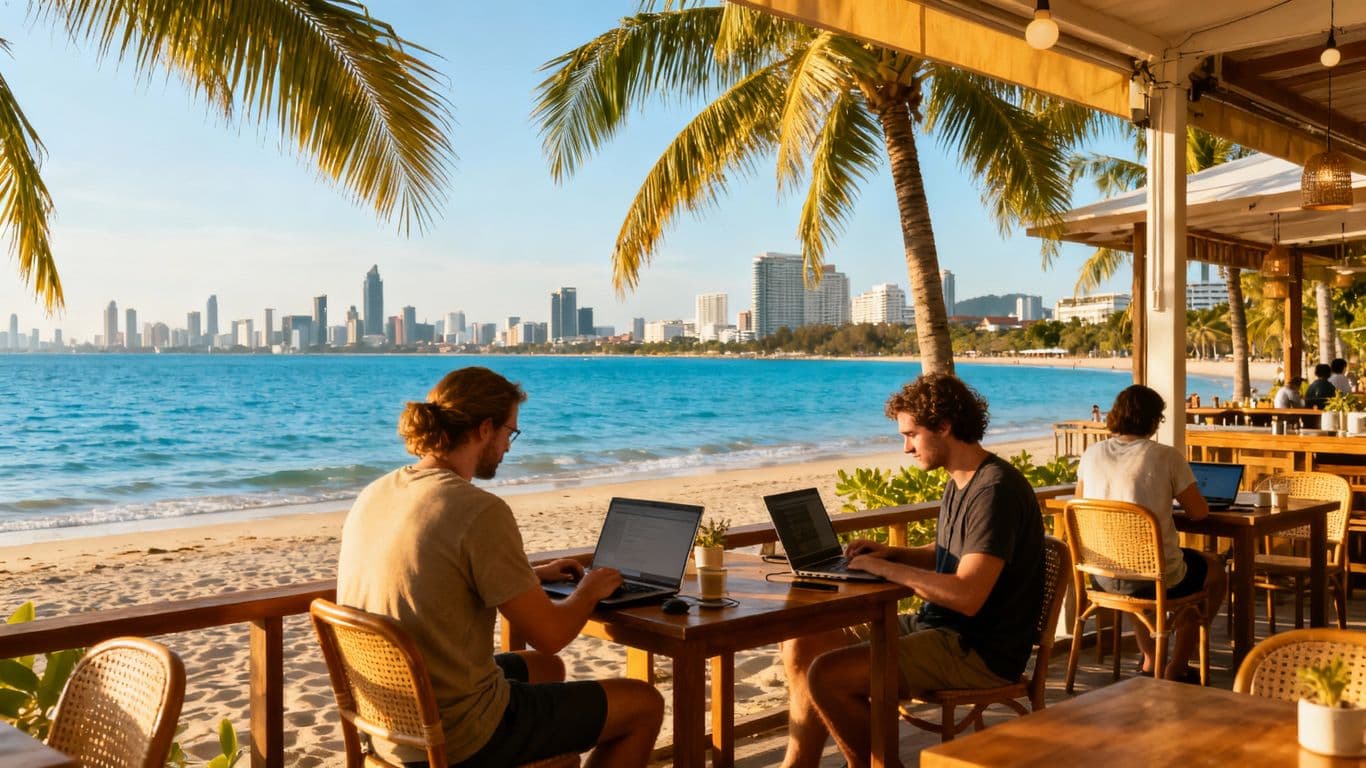
As remote work becomes increasingly mainstream, the Philippines and other Southeast Asian nations are emerging as preferred destinations for digital nomads and long-term travelers. Driven by new visa initiatives and a desire to diversify their tourism economies, these countries are redefining their role in the global travel ecosystem.
Key Takeaways
- The Philippines is launching a digital nomad visa to attract remote workers seeking extended stays.
- Asian neighbors like Thailand, Indonesia, Japan, Malaysia, and South Korea are unveiling similar programs.
- The focus is shifting from reliance on traditional tourist markets toward long-term, high-spending travelers.
Digital Nomad Visas: A Game Changer for Southeast Asia
In April, the Philippine government issued an executive order to develop a digital nomad visa program, positioning the archipelago as a competitive choice for remote professionals. Tourism Secretary Christina Garcia Frasco emphasized that the new initiative aims to attract travelers who value sustainability, spend more, and are likely to become repeat visitors. The policy shift comes as the country diversifies away from its previous reliance on visitors from the Chinese market.
Other regional powerhouses—including Thailand, Indonesia, Malaysia, Japan, and South Korea—are also launching or expanding similar visa categories. This coordinated move is turning Southeast Asia into one of the world’s premier hubs for long-term remote workers.
What Makes the Philippines Stand Out?
While the region is crowded with attractive options, the Philippines offers unique advantages:
- Widespread English Proficiency: English is broadly spoken, easing communication for international arrivals.
- Affordable Living: Major cities and idyllic beach towns offer cost-effective living and coworking opportunities.
- Easy Access to Both Urban and Natural Attractions: Remote workers can enjoy a blend of cosmopolitan amenities and world-famous beaches.
Collaboration between the tourism and information technology departments ensures that digital infrastructure keeps up with travelers' demands, further enhancing the country's appeal.
Beyond Tourism: Economic and Social Impact
By moving away from focusing exclusively on short-term tourists, the Philippines and neighboring countries aim to stabilize tourism revenues. Digital nomads often inject more into local economies by renting apartments, investing in local businesses, and supporting area infrastructure over extended periods. There is also a growing emphasis on making destinations more inclusive and sustainable, with programs oriented towards responsible travel.
Regional Competition Heats Up
The race to attract digital nomads highlights an evolving travel landscape. As countries compete, remote workers stand to gain from better visa terms, improved amenities, and vibrant community life across Southeast Asia. This trend is poised to redefine the region’s tourism industry for years to come.
Further Reading
The Moveandstay editorial team writes about serviced living, workspaces, and city guides across Asia-Pacific.
Read next

Serviced Offices Surge in Popularity as Businesses Embrace Flexible Leasing
May 3, 2026

Hong Kong Serviced Apartment Market Buzzes with Sales and Investment Activity Amidst Shifting Valuations
May 3, 2026

ONYX Hospitality Group Elevates Shama Serviced Apartments with New Lifestyle Concept and Ambitious Expansion
Apr 26, 2026