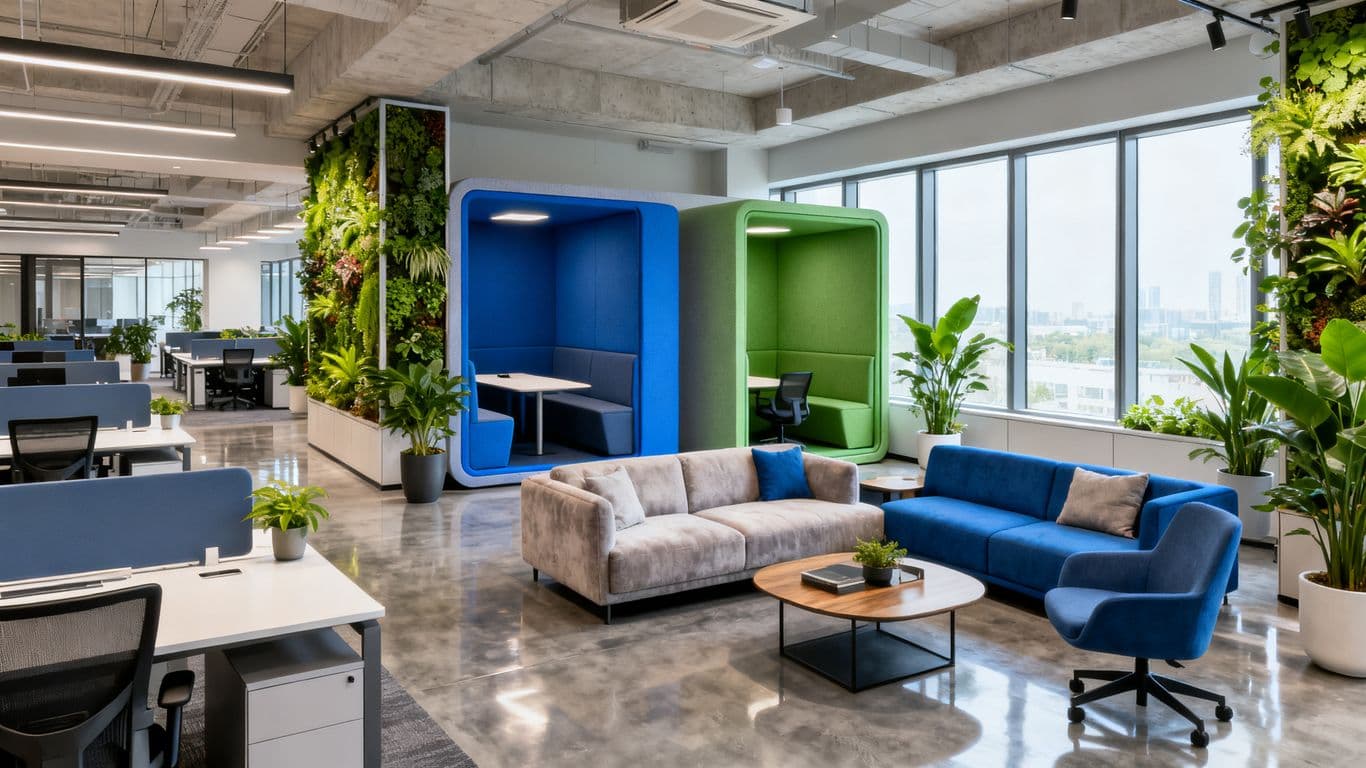
Tokyo is a bustling metropolis and the heart of Japan's economy, making it a prime spot for businesses looking to establish a presence. With a population of over 37 million, the demand for office rental in Tokyo is high, and so are the prices. Whether you're launching a startup or expanding your company, understanding the office rental landscape is essential. This guide will help you navigate the various options and considerations involved in finding the right office space in this vibrant city.
Key Takeaways
- Tokyo offers a range of office spaces from private offices to serviced options.
- Location matters; consider transport links and amenities.
- Lease agreements can be complex, so understanding terms is vital.
- Serviced offices provide flexibility and convenience for businesses.
- Working with a real estate agent can simplify the search process.
Understanding Office Rental Options
Types of Office Spaces Available
When you're looking at office space in Tokyo, it's easy to get lost in the jargon. There's a whole range of options out there, each with its own set of features and quirks. Let's break down some of the most common types:
- Traditional Office Space: This is your standard, long-term lease in a dedicated office building. You get a defined space, and you're responsible for setting it up and managing it. These are good for established companies looking for a permanent base.
- Serviced Offices: These are fully furnished and equipped offices within a larger business centre. They often come with reception services, meeting rooms, and other shared facilities. Think of it as an office in a box – ready to go from day one. They are great if you need flexibility.
- Co-working Spaces: These are shared workspaces where individuals or small teams can rent desks or private offices. They offer a collaborative environment and often host networking events. A good option for freelancers, startups, or anyone looking for a more social work setting.
- Virtual Offices: This gives you a business address and access to some services (like mail handling and phone answering) without actually renting a physical office space. Ideal for businesses that don't need a full-time office but want a professional presence in Tokyo.
Pros and Cons of Each Option
Each type of office space has its advantages and disadvantages. It really depends on your specific needs and budget.
| Office Type | Pros
Key Considerations for Office Location
Choosing the right location for your office in Tokyo is a big deal. It's not just about finding a space; it's about setting your business up for success. There are several things you need to think about to make the best decision.
Proximity to Transport Links
Tokyo's transport system is amazing, but some areas are better connected than others. Being close to major train and subway lines can make a huge difference for your employees and clients. Think about how easy it is to get to the office from different parts of the city and even from Narita and Haneda airports. Nobody wants a long, complicated commute. Also, consider the impact of rush hour on specific train lines – a seemingly convenient station might become a nightmare during peak times. Easy access to transport can also affect office lease types.
Surrounding Amenities
What's around your office matters. Are there good lunch spots? Banks? Post offices? Convenience stores? These things might seem small, but they add up. Having amenities nearby makes life easier for your employees and can even help with client meetings. Imagine trying to impress a client when the only nearby option is a dodgy vending machine. A good selection of restaurants and cafes can also boost morale and create a more vibrant work environment.
Target Market Accessibility
Think about who your customers are and how easy it is for them to reach you. If you're targeting businesses in a specific industry, being located near other companies in that sector can be a big advantage. If you rely on foot traffic, you'll want to be in a busy area with plenty of people passing by. Consider the image your location projects. A swanky address in Ginza might impress some clients, while a more affordable spot in Shibuya might be better for a creative startup. It's all about finding a location that aligns with your brand and target market.
Choosing the right location is about more than just convenience. It's about creating a space where your employees can thrive and your business can grow. Take the time to research different areas, visit potential locations, and talk to other business owners to get a feel for what works best for your industry.
Navigating Lease Agreements
Understanding Lease Terms
Okay, so you've found a potential office space in Tokyo. Ace! Now comes the slightly less exciting, but super important, part: understanding the lease agreement. These documents can be dense, and often in Japanese, so don't be afraid to ask for help. Knowing the key terms is essential to avoid surprises down the line.
Here's a breakdown of some common terms you might encounter:
- Security Deposit (Shikikin/Hoshokin): This is a refundable deposit, usually a multiple of the monthly rent. The amount returned will be less any deductions for cleaning or damages. Market averages can vary, so check carefully.
- Fixed Amortisation Fee (Shoukyakuhi): This is a non-refundable fee, often deducted from the security deposit. It's worth clarifying this upfront.
- Renewal Fee (Koushinryou): If you plan to renew the lease, there might be a renewal fee. Again, this is something to be aware of.
- Rent (Chinryou): Usually expressed per tsubo (3.3 sq.m). Make sure you know if the rent includes the management fee.
- Management Fee (Kanrihi): Covers things like utilities and cleaning of common areas. Often non-negotiable.
- Free Rent Term: A period where you don't pay rent, but you might still have to pay the management fee.
It's easy to get lost in the details, but remember that understanding these terms is key to making an informed decision. Don't hesitate to ask questions and seek clarification on anything you're unsure about.
Negotiating Rent and Conditions
Don't assume everything in the lease agreement is set in stone. There's often room for negotiation, especially in a competitive market. Here are some things you might be able to negotiate:
- Rent: It's always worth trying to negotiate the rent, especially if you've done your research and know the market rates. Consider looking at serviced offices as a comparison.
- Security Deposit: You might be able to negotiate a lower security deposit, particularly if you have a strong business history.
- Free Rent Period: If you're a new business, you could try to negotiate a longer rent-free period to help with cash flow.
- Fit-Out Period: Negotiate a fit-out period to prepare the office space.
Termination Clauses and Possession Dates
Pay close attention to the termination clauses in the lease agreement. These clauses outline the conditions under which you or the landlord can terminate the lease. Key things to consider include:
- Notice Period: How much notice do you need to give if you want to terminate the lease early?
- Penalties: Are there any penalties for early termination?
- Restoration Obligations: What are your obligations when you vacate the property? Do you need to restore it to its original condition?
- Possession Date: When will you be able to take possession of the office space? Make sure this aligns with your business plans.
Understanding these clauses can save you a lot of headaches (and money) down the road. Also, be aware of the different types of lease agreements, such as normal rental agreements and fixed-term rental agreements. Normal agreements are usually for two years and renewable, while fixed-term agreements end on a specific date and may not be renewable. Landlords of commercial buildings often favour fixed-term leases.
Benefits of Serviced Offices
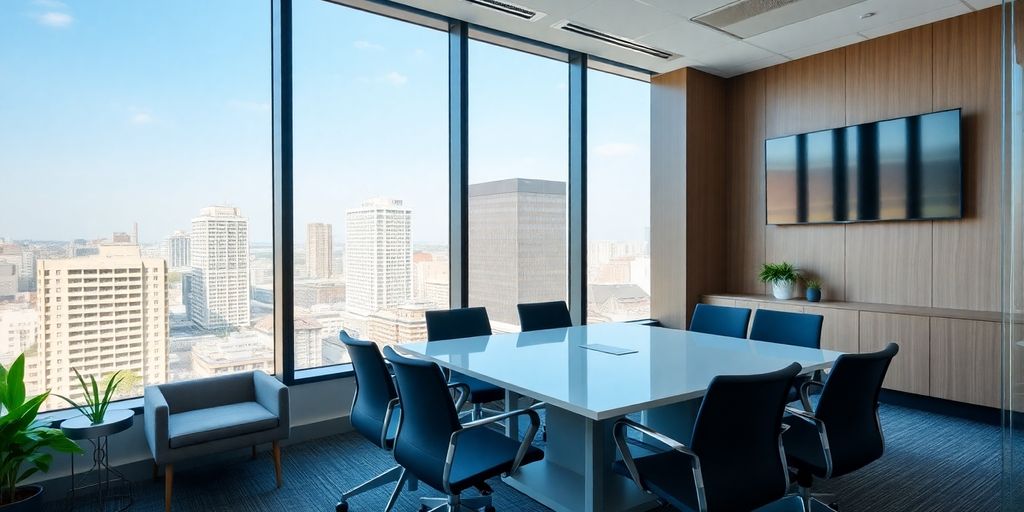
Serviced offices are becoming increasingly popular in Tokyo, especially for startups and smaller companies. They provide a ready-to-go workspace solution, but are they right for you? Let's explore the advantages.
Flexibility and Cost-Effectiveness
One of the biggest draws of serviced offices is their flexibility. You can typically rent space on a monthly basis, allowing you to scale up or down as needed. This is a huge advantage compared to traditional leases, which often require long-term commitments. This flexibility translates to cost savings, especially in the early stages of a business. You avoid hefty upfront investments in furniture, equipment, and fit-out costs. Plus, many utilities are included in the rental fee, simplifying budgeting.
Fully Furnished Spaces
Serviced offices come fully furnished, meaning you can move in and start working immediately. This saves you time and money on sourcing furniture and equipment. Imagine not having to spend weeks searching for the right desks, chairs, and filing cabinets! It's all taken care of. This is especially useful if you need a short term office rental quickly.
Onsite Management Services
Serviced offices typically offer a range of onsite management services, such as reception, mail handling, and IT support. This allows you to focus on your core business activities without getting bogged down in administrative tasks. It's like having your own dedicated support team without the cost of hiring full-time staff.
Think of it this way: a serviced office is like a hotel for your business. You pay for what you need, when you need it, and someone else takes care of the day-to-day operations. This can be a game-changer for small businesses looking to establish a presence in Tokyo without breaking the bank.
Here's a quick comparison of costs:
| Item | Serviced Office | Traditional Office |
|---|---|---|
| Rent | Included | Included |
| Furniture | Included | Additional Cost |
| Utilities | Included | Additional Cost |
| Reception Services | Included | Additional Cost |
| IT Support | Included | Additional Cost |
| Setup Costs | Minimal | Significant |
Arranging Office Viewings
So, you've shortlisted a few potential office spaces in Tokyo – great! Now comes the really important part: actually seeing them. Don't skip this step, no matter how good the photos look online. Pictures can be deceiving, and you really need to get a feel for the space, the building, and the surrounding area before you commit. Here's what to keep in mind when arranging and conducting your office viewings.
What to Look For During Viewings
Okay, you're in the office. What now? Don't just wander around aimlessly! Have a checklist ready. Here are a few things I always make sure to check:
- Space and Layout: Does the layout actually work for your team? Can you easily fit all your desks, equipment, and meeting areas? Imagine your team working in the space – does it feel cramped or comfortable?
- Natural Light: Natural light can make a huge difference to employee morale. Check how much natural light the office gets and where it comes from. Is it direct sunlight that will make the office too hot, or is it diffused light?
- Condition of the Office: Look for any signs of damage or disrepair. Are the walls clean? Is the carpet in good condition? Are the windows properly sealed? These things can be costly to fix later on. Also, check the office space for rent to see if it fits your needs.
- Power Outlets and Cabling: Make sure there are enough power outlets for all your equipment. Check the existing cabling – is it up to date? Will you need to install new cabling for your computers and phones?
Assessing Building Facilities
Don't just focus on the office itself; take a good look at the building's facilities too. These can have a big impact on your employees' comfort and productivity.
- Lifts: Are there enough lifts to serve the building? Are they fast and reliable? Nobody wants to wait ages for a lift, especially during peak hours.
- Toilets: Check the condition of the toilets. Are they clean and well-maintained? Are there enough toilets for the number of people working in the building?
- Air Conditioning: Find out about the air conditioning system. What are the operating hours? Is there an extra charge for using the air conditioning outside of these hours? Tokyo summers can be brutal, so this is important!
- Security: What security measures are in place? Is there a security guard? Are there CCTV cameras? You want to make sure your office is safe and secure. Consider the building's efforts towards earthquake resistance, and its capability to continue business under emergency situations.
Evaluating the Surrounding Area
The location of your office is just as important as the office itself. Think about what your employees need and what will make their lives easier.
- Transport Links: Is the office close to a train station or bus stop? Are there good transport links to other parts of Tokyo? Easy access to transport is essential for most employees.
- Lunch Options: Are there plenty of restaurants and cafes nearby? A good selection of lunch options will keep your employees happy and well-fed.
- Shops and Services: Are there any shops or services nearby that your employees might need, such as banks, post offices, or convenience stores? Having these nearby can save your employees time and hassle.
- Local Amenities: Consider the surrounding amenities. Is there a park nearby for employees to relax in during their lunch break? Are there any gyms or fitness centres nearby? These things can improve your employees' work-life balance. You might want to check out the serviced offices in the area.
Remember to take notes and photos during your viewings. It's easy to forget details when you've seen several offices. After the viewings, sit down with your team and discuss the pros and cons of each space. This will help you make an informed decision and find the perfect office for your business.
The Role of Real Estate Agents
Finding the Right Agent
Finding a good real estate agent in Tokyo can feel like finding a needle in a haystack. It's important to do your research. Look for agents who specialise in commercial properties, particularly office spaces. Check online reviews and ask for recommendations from other businesses. A good agent will have a strong understanding of the Tokyo market and a proven track record.
Benefits of Professional Assistance
Using a real estate agent can save you a lot of time and hassle. They can help you find suitable properties, negotiate lease terms, and navigate the complexities of Japanese business culture. Here's a few ways they can help:
- They have access to a wider range of properties than you might find on your own.
- They can handle communication with landlords, which can be especially helpful if you don't speak Japanese.
- They can advise you on market trends and help you get the best possible deal.
Having an agent on your side means you've got someone who understands the local laws and customs. They can spot potential problems with a lease agreement before they become major headaches. Plus, they often have connections with other professionals, like lawyers and contractors, who can help with setting up your office.
Cost Implications of Using Agents
Of course, using a real estate agent comes with a cost. Agents typically charge a commission, which is usually a percentage of the annual rent. Make sure you understand the commission structure upfront and factor it into your budget. While it might seem tempting to go it alone to save money, the expertise and support of a good agent can often outweigh the cost, especially if you're new to the Tokyo market. It's worth considering the potential savings from negotiating a better lease or avoiding costly mistakes.
Trends in Tokyo's Office Rental Market
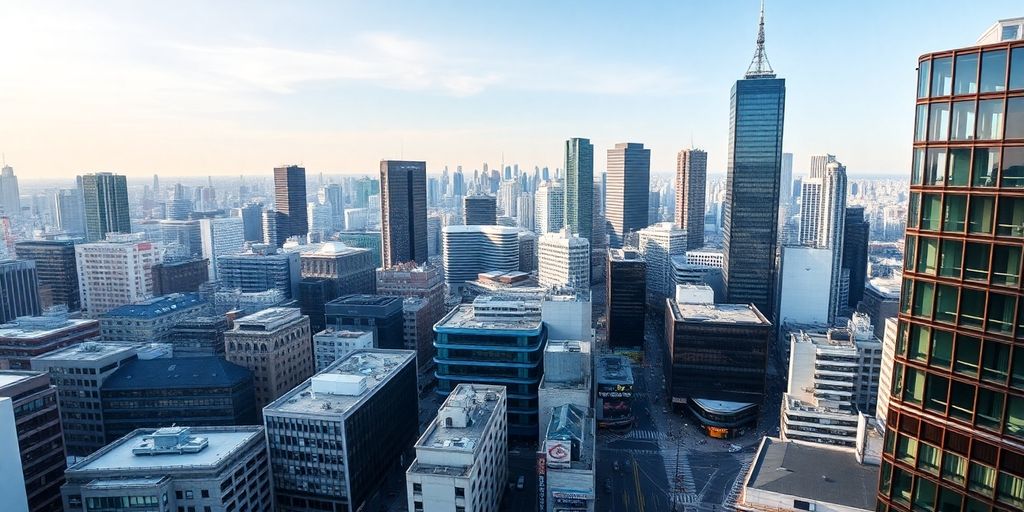
Impact of Remote Work
Remote work has definitely shaken things up in Tokyo. Initially, everyone thought office demand would plummet, but it's been more nuanced than that. Many companies are adopting hybrid models, needing less space overall, but still requiring a central hub for collaboration. This has led to a demand for flexible office solutions and a shift away from long-term leases for massive spaces. It's not a complete abandonment of the office, but a definite re-evaluation of its purpose. The rise of remote work has changed the game.
Emerging Business Districts
While areas like Marunouchi and Otemachi remain popular, new business districts are emerging. These areas often offer more modern facilities, better transport links, and sometimes, more competitive rental rates. For example, areas around Shinagawa and Shibuya are seeing significant development and attracting a lot of tech and media companies. This decentralisation is partly driven by the desire to escape the high costs of traditional business areas, but also by the appeal of these newer, more vibrant locations. It's worth keeping an eye on these up-and-coming districts if you're looking for office space.
Future Predictions for Rental Prices
Predicting the future is always tricky, but several factors suggest a continued period of adjustment in Tokyo's office rental market. The ongoing adoption of hybrid work models, coupled with new office supply coming onto the market, could put downward pressure on prices in some areas. However, prime locations will likely remain expensive. Overall, expect a more competitive market with greater emphasis on flexibility and value for money.
Here's a quick look at potential factors influencing rental prices:
- Continued remote work adoption
- New office developments
- Economic growth (or lack thereof)
- Interest rates
It's important to remember that the Tokyo office market is dynamic and influenced by a complex interplay of factors. While some predict a significant drop in rental prices, others believe that demand for high-quality office space in prime locations will remain strong. The reality is likely to be somewhere in between, with different areas experiencing different trends.
Final Thoughts on Renting an Office in Tokyo
So, there you have it. Renting an office in Tokyo can be a bit of a maze, but it’s not impossible. You’ve got to think about what you really need, whether it’s a short-term spot or a long-term commitment. The market is competitive, and prices can be steep, but with a bit of research and some patience, you’ll find something that fits your needs. Don’t forget to check out the location and amenities, as they can make a big difference in your day-to-day operations. If you’re feeling overwhelmed, consider reaching out to a local expert who can help guide you through the process. Good luck with your search!
Frequently Asked Questions
What types of office spaces can I rent in Tokyo?
In Tokyo, you can find several types of office spaces, including private offices, co-working spaces, and serviced offices, each catering to different business needs.
What are the advantages of renting a serviced office?
Serviced offices offer flexibility, are usually fully furnished, and come with management services, making them a convenient choice for many businesses.
How much should I expect to pay for office rental in Tokyo?
Office rental prices in Tokyo can vary widely depending on the location and type of office, with average prices ranging from ¥65,000 to over ¥170,000 per month for private offices.
What should I consider when choosing an office location?
Key factors include how close the office is to transport links, nearby amenities, and how accessible it is for your target market.
What do I need to know about lease agreements?
It's important to understand the lease terms, negotiate the rent, and be aware of any termination clauses and possession dates before signing.
How can a real estate agent help me with renting an office?
A real estate agent can assist in finding the right office space, provide professional advice, and help negotiate terms, although there may be costs involved in using their services.
Filed under
The Moveandstay editorial team writes about serviced living, workspaces, and city guides across Asia-Pacific.