If you're considering office rental in Manila, there's quite a bit to think about. The city offers a variety of options, from traditional offices to serviced spaces and co-working environments. But before you dive in, it's essential to grasp the costs involved, the types of spaces available, and the legalities that come with leasing. This guide will help you navigate the ins and outs of renting an office in this bustling metropolis.
Key Takeaways
- Rental prices vary widely based on location and type of office space.
- Makati, BGC, and Ortigas are the most sought-after districts for office rentals in Manila.
- Be aware of additional costs like utilities and maintenance fees that can add up quickly.
- Lease terms typically range from one to five years, with options for negotiation.
- Understanding the lease agreement and local regulations is crucial for a smooth rental experience.
Understanding Office Rental Costs in Manila
Factors Influencing Rental Prices
Office rental costs in Manila are affected by a bunch of things. Location is a big one; prime business districts like Makati or BGC naturally command higher prices than areas further out. The type of building matters too – a brand-new, Grade A building with all the bells and whistles will cost more than an older one. Size is obvious, but also consider the layout; a weirdly shaped space might be cheaper but less efficient. Finally, market conditions play a role. Like, back in 2021, COVID-19 really messed with office space in Metro Manila prices and availability, giving tenants more negotiating power.
Average Rental Rates by District
Rental rates can vary quite a bit depending on the specific district. Here's a rough idea of what you might expect:
- Makati: Historically, you're looking at PHP 1,000-1,500 per square metre per month.
- Bonifacio Global City (BGC): Expect something like PHP 1,200-1,700 per square metre per month.
- Ortigas: Generally more affordable, around PHP 700-1,100 per square metre per month.
Keep in mind these are just averages. The actual price will depend on the specific building, the condition of the space, and your negotiating skills. Also, these figures are pre-COVID; things might be a bit different now, with potentially more room to haggle.
Hidden Costs to Consider
It's easy to just focus on the base rental rate, but there are always extra costs that can really add up. Don't forget to factor in:
- Common Utility Service Area (CUSA) fees: These cover the cost of maintaining common areas like lobbies, hallways, and restrooms.
- Utilities: Electricity, water, and internet can easily add 30-50% on top of your base rent.
- Value Added Tax (VAT): That's another 12% on top of pretty much everything.
Leasing an office can be a complex, time-consuming, expensive, and long-term commitment. It's easy to overlook hidden costs and indirect costs like time, hassle, contracts, and commitment. Make sure you do your homework and factor in all the extras before signing on the dotted line.
Types of Office Spaces Available
Choosing the right type of office space is a big decision. It really depends on your business needs, budget, and how you like to work. There are a few main types to consider, each with its own pros and cons.
Serviced Offices vs. Traditional Offices
Serviced offices and traditional offices are quite different. Serviced offices are ready-to-go spaces, often fully furnished and equipped with amenities like reception services, internet, and meeting rooms. This can be a great option if you want to move in quickly and avoid the hassle of setting up everything yourself. Traditional offices, on the other hand, are usually bare spaces that you need to fit out yourself. This gives you more control over the design and layout, but it also means more upfront costs and effort. Traditional office spaces are the best option for most companies.
- Serviced Offices:
- Move-in ready.
- Include amenities and services.
- Higher monthly costs, but lower upfront investment.
- Traditional Offices:
- Bare spaces requiring fit-out.
- More control over design.
- Lower monthly costs, but higher upfront investment.
Think of it this way: a serviced office is like renting a fully furnished flat, while a traditional office is like buying a house that needs renovation. One is convenient, the other offers more customisation.
Co-Working Spaces
Co-working spaces have become super popular, especially with startups and freelancers. They offer a shared working environment where people from different companies can work alongside each other. This can be a great way to network, collaborate, and feel part of a community. Co-working spaces usually offer a range of amenities, such as hot desks, dedicated desks, private offices, and meeting rooms. They are ideal for teams that are settled, with little fluctuation in headcount.
- Benefits of Co-working:
- Networking opportunities.
- Flexible lease terms.
- Community atmosphere.
Private Offices
Private offices are self-contained spaces within a larger building. They offer more privacy and security than co-working spaces, but still provide access to shared amenities like reception areas and meeting rooms. Private offices are a good option for businesses that need a dedicated workspace but don't want the hassle of managing an entire office building. They are suited for companies that have a stable growth trajectory and can afford to take on the commitments of a long-term lease.
- Advantages of Private Offices:
- Increased privacy.
- Dedicated workspace.
- Professional image.
Popular Business Districts for Office Rental
Choosing the right location for your office can significantly impact your business. Manila offers several key business districts, each with its own unique advantages and characteristics. Let's explore some of the most popular options.
Makati
Makati remains a premier business hub, known for its concentration of multinational corporations, financial institutions, and high-end retail establishments. Office spaces in Makati often command higher rental rates due to the prestige and accessibility the location offers.
- Excellent transport links, including the MRT and bus routes.
- Wide range of dining and entertainment options.
- Prestigious business address.
Bonifacio Global City
Bonifacio Global City (BGC) is a modern, rapidly developing district that attracts a diverse mix of businesses, from tech startups to established enterprises. BGC boasts a well-planned infrastructure, green spaces, and a vibrant lifestyle scene. You can rent commercial spaces suitable for small businesses here.
- Modern infrastructure and facilities.
- Safe and pedestrian-friendly environment.
- Growing residential and commercial community.
Ortigas Centre
Ortigas Centre is a more established business district that offers a balance of commercial and residential spaces. It's a popular choice for businesses seeking a central location with good accessibility and relatively more affordable rental rates compared to Makati and BGC. Consider Currency in Ortigas if you're looking for a place.
- Central location with good transport links.
- Mix of commercial and residential properties.
- More affordable rental rates than Makati and BGC.
Selecting the right business district depends heavily on your specific business needs, budget, and target market. Consider factors such as accessibility, infrastructure, and the overall business environment when making your decision.
Lease Terms and Conditions
Common Lease Durations
So, you're looking at office space. One of the first things you'll figure out is how long you'll be tied in for. Most commercial leases in Manila tend to run anywhere from one to five years. It's not unusual to see options for renewal chucked in there too. Shorter leases (like one year) might give you more flexibility, especially if you're a startup or not sure about your long-term plans. Longer leases, on the other hand, can give you more stability and potentially better rates. It really depends on what you need.
Negotiating Lease Terms
Don't just accept the first lease agreement you see. Everything is negotiable. Here's a few things to keep in mind:
- Rental Rate: Do your research. What are similar spaces going for in the area? Use that as leverage.
- Improvements: Who pays for them? Can you get the landlord to cover some of the costs, especially if you're making significant changes?
- Renewal Options: Make sure the terms for renewal are clearly defined. What's the process? How much notice do you need to give?
- Exit Clause: What happens if you need to leave early? Are there penalties? Can you sublet the space?
It's always a good idea to get a lawyer to look over the lease before you sign anything. They can spot potential problems and help you negotiate better terms.
Understanding Escalation Clauses
Escalation clauses are something you really need to understand. These clauses basically allow the landlord to increase the rent during the lease period. They're pretty common, but the details can vary a lot. Usually, the increase is tied to some kind of index, like inflation or a market rate. Make sure you know how the escalation clause works and what could cause your rent to go up. It's important to factor this into your budget so there are no nasty surprises down the line. Understanding commercial leases in the Philippines is key to avoiding future financial strain.
Utility and Maintenance Costs
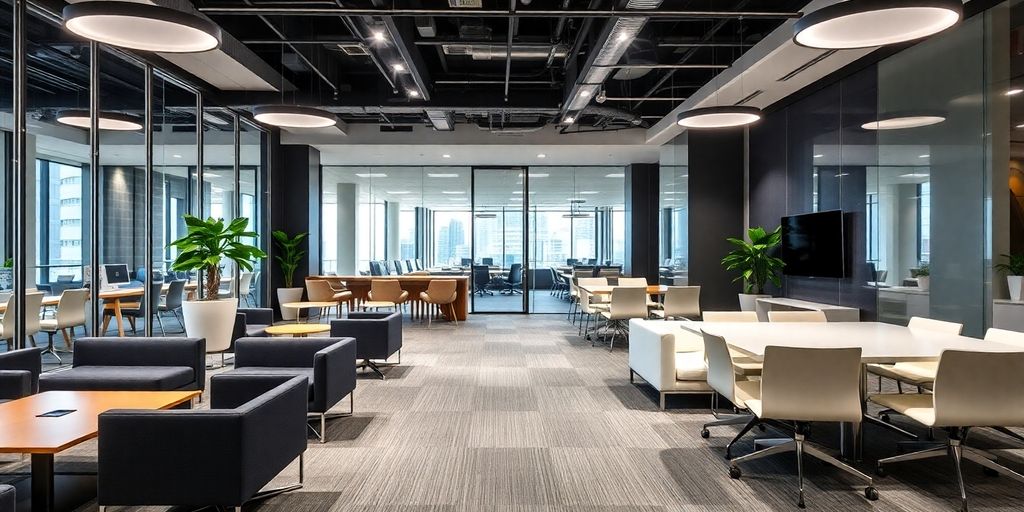
Okay, so you've found an office space in Manila that ticks all the boxes. Great! But before you sign on the dotted line, let's talk about the less glamorous, but equally important, side of office rental: utilities and maintenance. These costs can really add up, so it's vital to factor them into your budget.
Electricity and Water Expenses
Electricity and water – the two biggies. These are usually separate from your base rent, and you'll be billed based on your actual consumption. It's worth asking the landlord about the building's energy efficiency. Older buildings might have higher utility costs due to outdated systems. Consider these points:
- Check if the building has energy-efficient lighting (LEDs are your friend!).
- Ask about the air conditioning system and its operating hours.
- Enquire about any sub-metering arrangements for individual units.
Internet and Communication Costs
In today's world, a reliable internet connection is non-negotiable. You'll need to factor in the cost of internet service, phone lines, and any other communication infrastructure your business needs. Shop around for the best deals and consider the following:
- Check the available internet service providers (ISPs) in the area.
- Enquire about the bandwidth and reliability of the connection.
- Factor in the cost of setting up your internal network.
Maintenance Fees
Maintenance fees cover the upkeep of common areas, security, and building services. Some landlords include this in the monthly rent; others charge separately. Make sure you understand what's included in the maintenance fee and what isn't. It's also important to understand property maintenance fees in commercial leasing.
It's always a good idea to get a detailed breakdown of all utility and maintenance costs before signing a lease. This will help you avoid any nasty surprises down the line and ensure that you're making an informed decision.
Here's a simple table to help you estimate your monthly costs:
| Expense | Estimated Cost (PHP) | Notes |
|---|---|---|
| Electricity | 5,000 - 20,000 | Depends on office size and usage. |
| Water | 1,000 - 5,000 | Depends on the number of employees and water usage. |
| Internet | 3,000 - 10,000 | Depends on bandwidth and provider. |
| Maintenance Fees | 2,000 - 15,000 | Varies greatly depending on the building and included services. |
| Communication (Phone) | 500 - 2,000 | Depends on the number of lines and usage. |
Office Setup and Customisation

Furnishing Your Office
So, you've secured your office space – great! Now comes the fun part (or maybe not, depending on your budget and taste): kitting it out. The choices you make here will impact not only the look and feel of your workspace, but also the productivity and well-being of your team. You could go down the flat-pack furniture route, which is often the most budget-friendly, or invest in ergonomic chairs and desks. Don't forget the break room – a decent coffee machine and a few comfy sofas can do wonders for morale.
- Consider the long-term use of the furniture. Will it last, or will you need to replace it in a year or two?
- Think about ergonomics. Are the chairs adjustable? Is the desk height suitable for everyone?
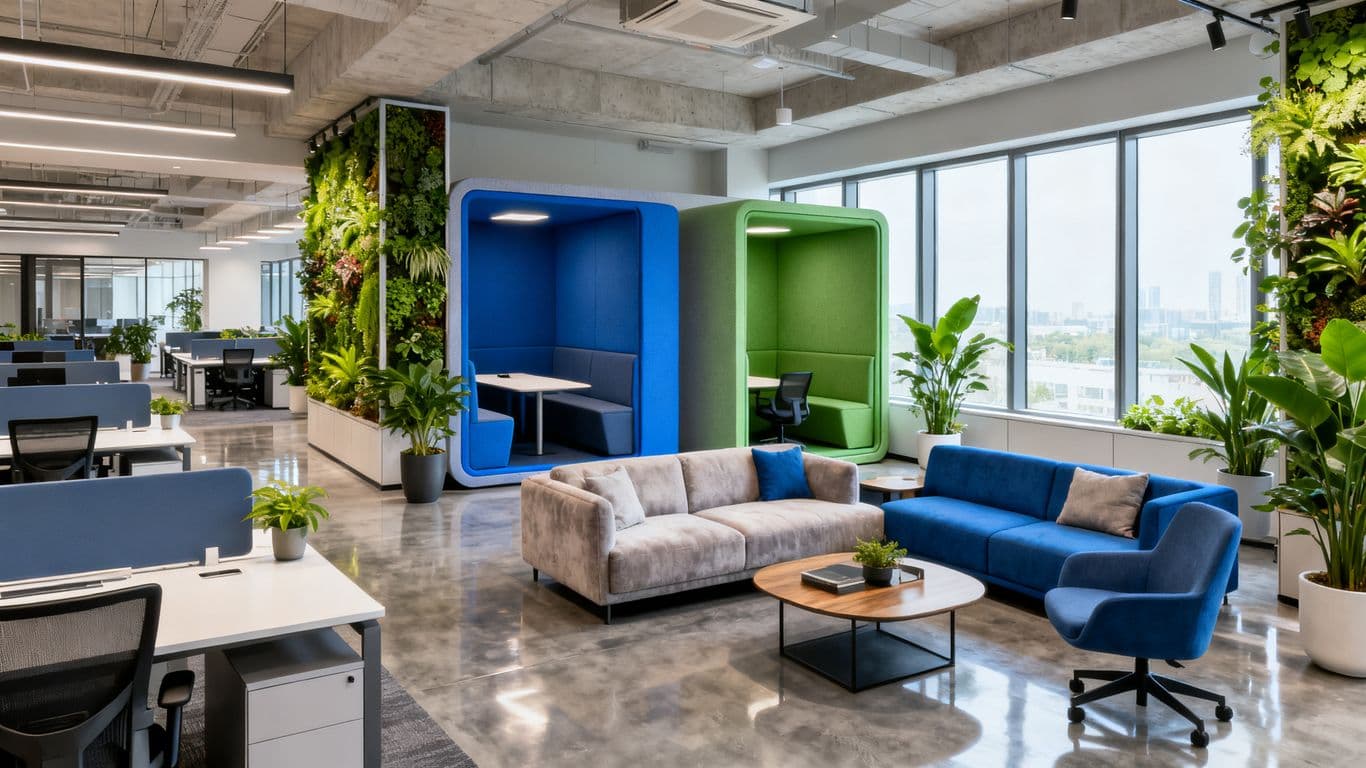
- Don't underestimate the power of plants! A bit of greenery can brighten up any office.
Fit-Out Costs
Fit-out costs can be a real headache, especially if you're leasing a bare shell. This is where you're essentially building the interior from scratch – think walls, flooring, lighting, and all the essential infrastructure. The price can vary wildly depending on the complexity of the design and the materials you choose. Getting a few quotes from reputable contractors is essential. Remember to factor in things like permits and professional fees (architects, engineers, etc.). Some office space comes bare, meaning you’ll have to spend for fit-out and furniture.
It's always a good idea to have a contingency fund for unexpected costs. Things often take longer and cost more than you initially anticipate.
Technology and Equipment Needs
In today's world, a reliable internet connection and up-to-date tech are non-negotiable. Consider your business's specific needs when planning your IT infrastructure. Do you need high-speed fibre? A server room? Video conferencing equipment? Don't forget about the smaller things, like printers, scanners, and enough power outlets for everyone. Also, think about security – access control systems and CCTV might be necessary, depending on the nature of your business. You might need high-end computers, which also adds to the cost of renting a space as the equipment uses space and consumes utilities. For businesses looking for a long-term office space, traditional offices are a great solution.
- Assess your bandwidth requirements. How much data will your team be using?
- Invest in reliable hardware. Cheap equipment can end up costing you more in the long run.
- Don't forget about software licences. Make sure you're compliant with all the relevant regulations.
Legal Considerations in Office Leasing
Understanding Lease Agreements
Okay, so you're about to sign on the dotted line for that awesome office space? Hold up! It's super important to actually read the lease agreement. I know, it's boring, but trust me, it can save you a massive headache later. A lease agreement is a legally binding contract, so make sure you understand every single clause before you commit.
Think of it like this:
- What happens if you need to move out early? Are there penalties?
- Who is responsible for repairs? The landlord or you?
- What are the rules about using the space? Can you have clients visit at any time?
It's always a good idea to get a lawyer to look over the lease before you sign it. They can spot potential problems and explain the legal jargon in plain English. Don't be afraid to ask questions and negotiate terms that you're not happy with.
Compliance with Local Regulations
Running a business in Manila means playing by Manila's rules. And that includes making sure your office lease is compliant with all local regulations. This isn't just about having the right permits; it's also about things like fire safety, accessibility, and zoning laws. You don't want to get shut down because you didn't tick all the boxes. For example, a lease agreement in the Philippines must specify the duration.
Here's a quick checklist:
- Check with the local government about any specific regulations for your type of business.
- Make sure the building has the necessary fire safety equipment and certifications.
- Ensure the office space is accessible to people with disabilities, if required.
Tax Implications for Businesses
Don't forget about the taxman! Your office lease can have a significant impact on your business taxes. Rent is usually a deductible expense, which can lower your taxable income. But there might be other tax implications to consider, such as VAT (Value Added Tax) on the rent and any taxes related to improvements you make to the space. It's worth chatting with an accountant to understand how your lease will affect your tax bill.
Consider these points:
- Keep accurate records of all rent payments and related expenses.
- Understand the VAT implications of your lease agreement.
- Explore any potential tax incentives for businesses in your industry or location.
Final Thoughts on Renting Office Space in Manila
So, there you have it. Renting an office in Manila isn't just about finding a nice spot and signing a lease. You've got to think about costs, utilities, and what kind of space fits your needs. The market's a bit tricky, especially with all the changes since COVID. But if you do your homework and know what to look for, you can find a place that works for you. Just remember, it’s not just about the rent; it’s about the whole package. Take your time, weigh your options, and don’t rush into anything. Good luck with your search!
Frequently Asked Questions
What factors affect office rental prices in Manila?
Several things can influence the cost of renting an office in Manila, such as the location, size of the space, and the type of office. For example, offices in popular areas like Makati or Bonifacio Global City tend to be more expensive than those in less busy districts.
What are the average rental rates for offices in different districts?
On average, renting an office in Makati can cost between Php 1,000 to 1,500 per square metre, while in Bonifacio Global City, it might be around Php 1,200 to 1,700 per square metre. Ortigas usually ranges from Php 700 to 1,100 per square metre.
What hidden costs should I be aware of when renting an office?
Apart from the rent, you should also consider utility costs like electricity, water, and internet. These can add an extra 30% to 50% on top of your rent. Additionally, there may be maintenance fees and taxes to think about.
What types of office spaces are available for rent?
In Manila, you can find various types of office spaces like serviced offices, which come fully furnished and equipped, traditional offices that are empty and need furnishing, and co-working spaces that are shared with other businesses.
How long do lease agreements usually last?
Most office leases in Manila are typically for a duration of 5 years, often with a yearly increase in rent of around 5%. Shorter leases may be available but could be more expensive.
What legal issues should I consider when leasing an office?
It's important to understand the lease agreement fully, including any terms and conditions. You should also ensure that the office complies with local laws and consider any tax implications for your business.
Filed under
The Moveandstay editorial team writes about serviced living, workspaces, and city guides across Asia-Pacific.