Renting office space in Hong Kong can be a daunting task, especially for newcomers. The city is known for its vibrant business environment, but with that comes a variety of options and price points. Whether you're a start-up or an established company, understanding the types of office spaces available and the factors that influence rental prices is essential. This guide will help you navigate the complexities of office rental in Hong Kong, ensuring you make an informed decision for your business needs.
Key Takeaways
- Explore different office types: traditional, co-working, and serviced offices.
- Location plays a huge role in rental costs; prime areas are pricier.
- Consider amenities that enhance productivity and employee satisfaction.
- Lease terms can vary; understand your commitment before signing.
- Using a real estate agent can simplify the rental process.
Understanding Office Rental Options in Hong Kong
So, you're thinking about renting office space in Hong Kong? Good choice! It's a fantastic place to do business, but before you jump in, it's worth getting your head around the different types of office spaces available. It's not just about finding four walls and a roof; it's about finding the right fit for your business needs and budget. Let's have a look at the main options:
Traditional Offices
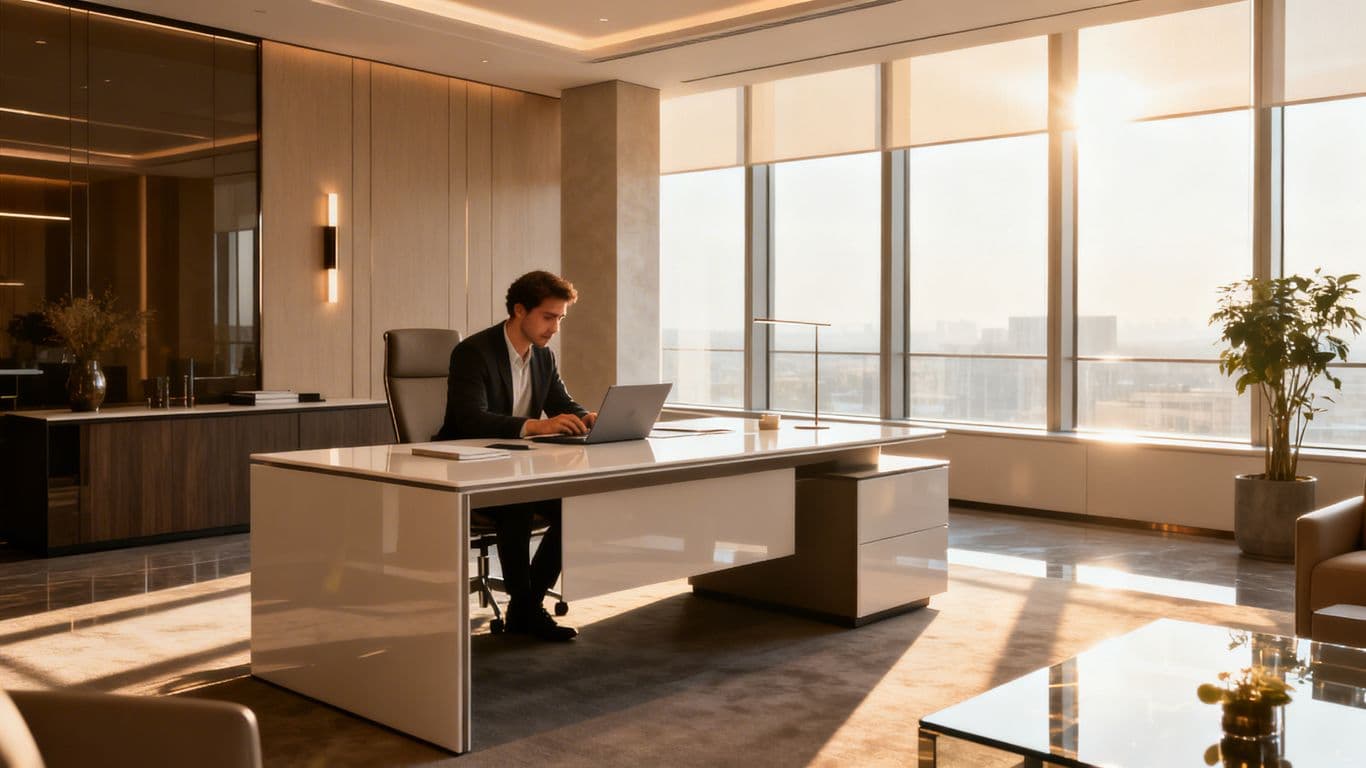
These are your classic, self-contained office spaces. You rent the space, and it's up to you to fit it out, furnish it, and manage everything. This means you have complete control over the design and layout, which can be great if you have specific requirements or want to create a particular brand image. However, it also means a significant upfront investment and ongoing management responsibilities. Traditional offices often come with longer lease terms, typically two to five years, offering stability but potentially limiting flexibility if your business grows or changes rapidly. You'll also need to factor in costs for things like utilities, maintenance, and security. It's worth considering the office rental listings available to get an idea of pricing and locations.
Co-Working Spaces
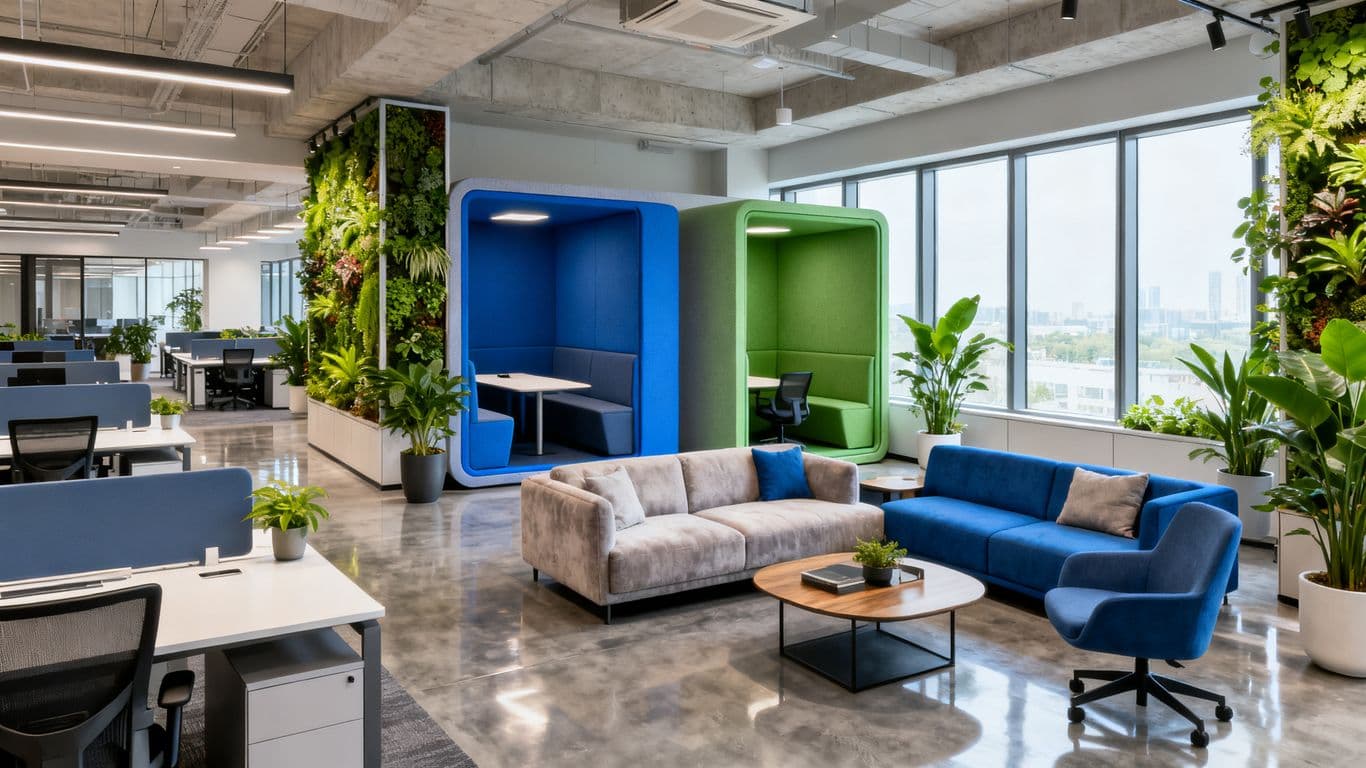
Co-working spaces have become incredibly popular, especially with startups and freelancers. They offer a shared working environment where you rent a desk or a small office within a larger space. The big advantage here is flexibility. Lease terms are usually much shorter, sometimes even month-to-month, and the space is typically fully furnished and equipped. You also get access to shared facilities like meeting rooms, kitchens, and breakout areas. This can be a great way to network and collaborate with other businesses, but it does mean sacrificing some privacy and control over your working environment. Plus, the cost per desk can sometimes be higher than in a traditional office, especially if you need a lot of space.
Serviced Offices
Serviced offices offer a middle ground between traditional offices and co-working spaces. They provide fully furnished and equipped office suites with flexible lease terms, often including services like reception, IT support, and cleaning. This can be a good option if you want a professional office environment without the hassle of managing everything yourself. Serviced offices can be more expensive than traditional offices, but the all-inclusive pricing can make budgeting easier. They're a good choice for businesses that need a ready-to-go solution and value convenience. The cost of serviced offices can vary greatly depending on location and the services included.
Choosing the right office type depends on your business size, budget, growth plans, and company culture. Consider what's most important to you – flexibility, control, cost, or convenience – and weigh the pros and cons of each option carefully.
Factors Influencing Office Rental Prices
Right, so you're looking at office space in Hong Kong. One of the first things you'll notice is that prices can vary wildly. What's behind these differences? Well, a few key factors come into play. It's not just about square footage; it's about location, the type of office you're after, and what amenities are included. Let's break it down.
Location
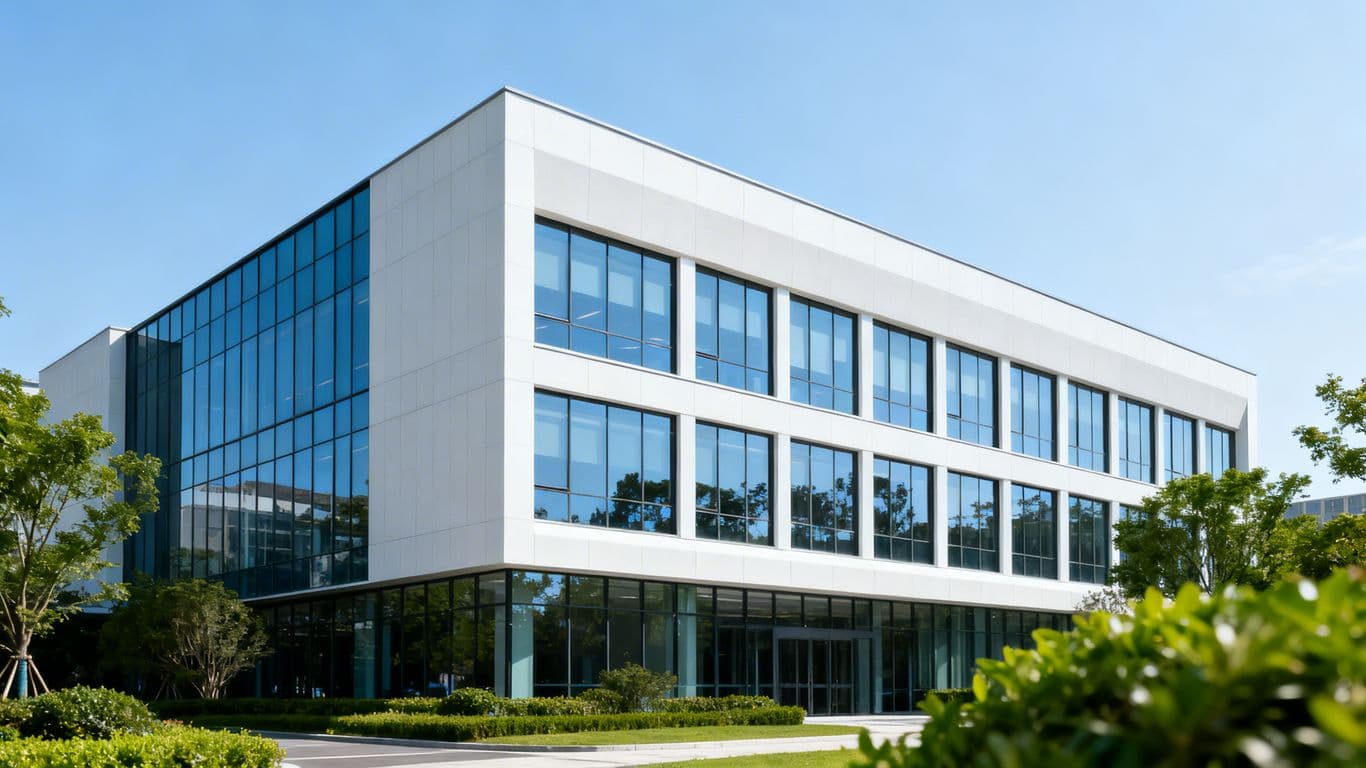
Location, location, location! It's the oldest saying in property for a reason. Offices in Central Business Districts (CBDs) like Central, Admiralty, or Causeway Bay will command a premium. This is because these areas are home to many big companies, have great transport links (think MTR stations), and are close to clients. If you're willing to look further out, maybe towards industrial areas or places further from the city centre, you'll likely find cheaper options. Think about how important a prestigious business address is to you, and where your team lives – it's a balancing act.
Office Type
There are a few different types of office spaces to consider, and each comes with its own price tag. Traditional offices are your standard, self-contained spaces. Then you've got co-working spaces, which offer shared facilities and a more flexible setup. Serviced offices are somewhere in between, often providing a ready-to-go office with services like reception and IT support included. Flexible workplaces are becoming more popular. The type you choose will definitely impact the price.
Amenities
What's included in the rental can also make a big difference to the price. Basic amenities are a given, but newer buildings often have extras like gyms, outdoor spaces, or even on-site food and drink options. These can improve the office experience, but they'll also push up the rental cost. It's about weighing up the monthly costs against the convenience and benefits for your employees. Consider the impact on overall employee satisfaction.
When you're setting your budget, it's important to think about what's non-negotiable for your business. Do you absolutely need to be in a prime location? Are certain amenities essential for your team's productivity? Answering these questions will help you narrow down your options and find an office that fits your needs and your budget.
Benefits of Renting Office Space in Hong Kong
Hong Kong remains a popular choice for businesses looking to establish or expand their presence in Asia. Renting office space here offers several advantages, making it an attractive option for companies of all sizes. Let's explore some of the key benefits:
Business-Friendly Environment
Hong Kong is known for its business-friendly policies, which create a supportive ecosystem for companies. The city boasts a simple tax system, free trade policies, and minimal government intervention, making it easier for businesses to operate and thrive.
- Low tax rates compared to other major economies.
- No tariffs on most goods.
- Streamlined business registration processes.
Hong Kong's legal system is based on English common law, providing a familiar and stable framework for international businesses. This reduces uncertainty and promotes confidence in the business environment.
Access to Talent
Finding skilled employees is essential for any business, and Hong Kong offers access to a diverse and talented workforce. The city attracts professionals from around the world, creating a pool of experienced individuals with a wide range of skills. Coworking spaces can be a great way to tap into this talent pool, offering flexible options for teams of all sizes.
- Highly educated workforce.
- Multilingual professionals.
- Strong work ethic.
Strategic Location
Hong Kong's location in the heart of Asia makes it a strategic hub for businesses looking to access markets in mainland China and the wider Asia-Pacific region. Its well-developed infrastructure and excellent connectivity make it easy to travel and transport goods.
- Proximity to mainland China.
- World-class airport and port facilities.
- Extensive transportation network.
Here's a quick look at flight times to major Asian cities:
| City | Flight Time (Approx.) |
|---|---|
| Singapore | 4 hours |
| Tokyo | 4.5 hours |
| Shanghai | 3 hours |
| Sydney | 9 hours |
Navigating Lease Terms and Conditions
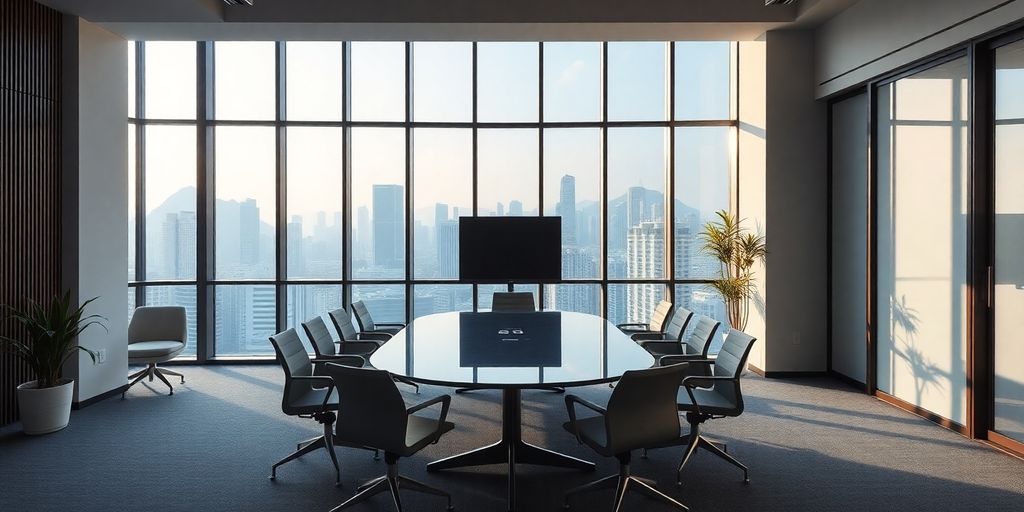
Right, so you've found an office space you like in Hong Kong. Ace! But before you pop the champagne, it's time to wade through the lease agreement. Honestly, it's not the most thrilling part, but getting it right can save you a massive headache (and a load of cash) later on. Think of it as the boring-but-important bit that keeps your business safe and sound.
Typical Lease Durations
Okay, so how long are you likely to be tied in for? Well, in Hong Kong, standard office leases tend to run for two or three years. You might find some landlords willing to do shorter terms, especially in co-working spaces or serviced offices, but expect to pay a premium for that short-term rentals. Landlords generally prefer longer leases because it gives them more security. It's worth thinking about your business plan and how much flexibility you need before committing to a lease length.
Negotiation Tips
Don't be afraid to haggle! Everything is negotiable, even if it doesn't seem like it at first. Do your research, know the market rates, and be prepared to walk away if the terms aren't right for you.
Here are a few things you can try to negotiate:
- Rent-free period: Especially useful if you're fitting out the space.
- Rent review clauses: Make sure they're fair and transparent.
- Break clauses: These allow you to end the lease early, but usually come with conditions.
- Deposit amount: Try to reduce the amount if possible.
Understanding Hidden Costs
Right, this is where things can get a bit sneaky. It's not always about the headline rent figure; there are often other costs that can add up. Make sure you factor these into your budget:
- Management fees: These cover the upkeep of the building.
- Government rates and taxes: These can be significant.
- Air conditioning charges: Often billed separately.
- Legal fees: For reviewing the lease agreement.
- Reinstatement costs: The cost of returning the office to its original condition at the end of the lease. It's important to understand the Formal Tenancy Agreement before signing.
Always, always get a lawyer to look over the lease agreement before you sign anything. It might seem like an extra expense, but it could save you a fortune in the long run. They'll be able to spot any potential pitfalls and advise you on the best course of action. Trust me, it's worth it for the peace of mind.
Choosing the Right Location for Your Office
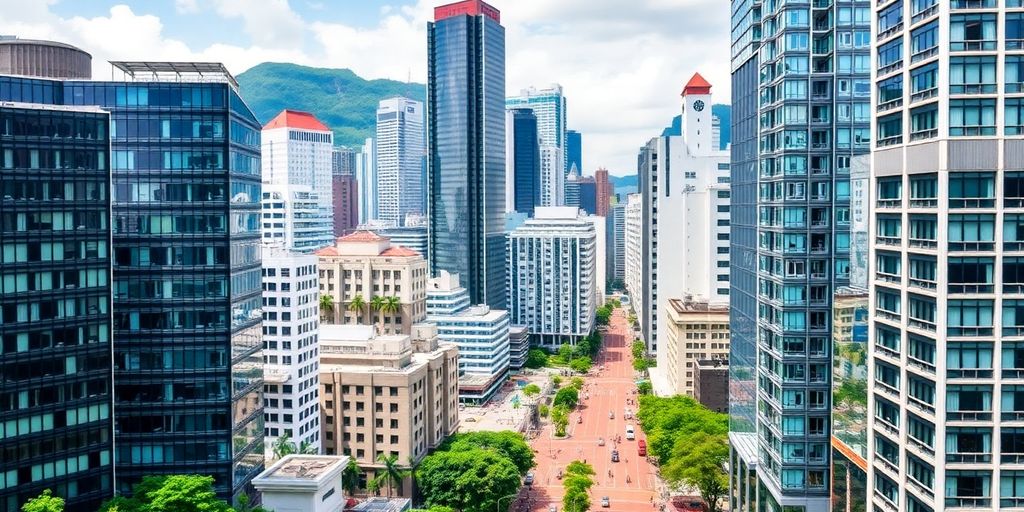
Finding the perfect spot for your office in Hong Kong is a big deal. It's not just about the rent; it's about making sure your business can thrive. Location impacts everything from employee happiness to client access, so it's worth taking the time to get it right.
Central Business Districts
When you think of Hong Kong offices, you probably picture the Central Business Districts (CBDs) like Central, Admiralty, and Causeway Bay. These areas are prestigious, packed with Grade A buildings, and super accessible thanks to the MTR. The downside? They're the most expensive places to rent. If having a top-tier business address is vital for your image and client meetings, then a CBD location might be worth the investment. However, be prepared to pay a premium.
Accessibility Considerations
Hong Kong has an amazing public transport system, so don't rule out locations outside the main CBDs. Areas in Kowloon and on Hong Kong Island are usually within a 10-20 minute commute. Think about where your employees live and how easy it is for them to get to the office. A location with good transport links can boost morale and reduce stress. Also, consider how easy it is for clients to reach you. If you have frequent visitors, being near an MTR station or major bus route is a big plus.
Impact on Employee Satisfaction
Location plays a massive role in employee satisfaction. A convenient location can improve work-life balance, reduce commute times, and provide access to amenities like restaurants and shops.
Choosing the right location is about more than just the bottom line. It's about creating a workplace where your employees feel valued and supported. A happy workforce is a productive workforce, so invest time in finding a location that meets their needs.
Here are some things to consider:
- Commute Time: Shorter commutes mean less stress and more time for personal pursuits.
- Local Amenities: Access to lunch spots, gyms, and shops can make a big difference to daily life.
- Safety and Security: A safe and secure environment is essential for employee well-being.
Tips for a Successful Office Rental Experience
Using a Real Estate Agent
Going it alone when trying to find office space can be a real headache. A good real estate agent who specialises in commercial properties in Hong Kong can be a massive help. They know the market inside and out, can help you find properties that fit your needs and budget, and can negotiate lease terms on your behalf. Plus, they often have access to listings that you might not find on your own. It's definitely worth considering.
Evaluating Space Requirements
Before you even start looking at properties, take a good hard look at how much space you actually need. Don't just think about your current team size; factor in potential growth over the next few years. Consider the type of work your employees do – do they need private offices, or would an open-plan layout work better? Think about meeting rooms, break areas, and storage space. Getting this right from the start can save you a lot of money and hassle down the line.
- Consider current team size.
- Factor in potential growth.
- Think about meeting rooms and storage.
Planning for Future Growth
It's easy to get caught up in your immediate needs, but it's important to think about the future. What are your growth plans for the next few years? Will you be hiring more staff? Will you need more space for equipment or storage? Choosing a space that can accommodate your future needs can save you the hassle and expense of moving again in a year or two. Some leases offer options to expand within the building, which can be a great way to future-proof your office space.
It's always better to overestimate your space requirements slightly than to underestimate them. You don't want to find yourself cramped and overcrowded just a few months after moving in. Think about the long term and choose a space that can grow with your business.
The Role of Amenities in Office Rental
Office amenities play a big part in the overall office rental experience. It's not just about having a desk and a chair; it's about creating a workspace that supports your team and helps them do their best work. Let's have a look at what you should consider.
Essential Facilities
When you're looking at office spaces, some facilities are non-negotiable. These are the things that keep your business running smoothly day-to-day. Think about:
- Reliable internet access: In today's world, this is a must-have. Slow internet can kill productivity.
- Air conditioning: Hong Kong summers are brutal. A good AC system is essential for keeping everyone comfortable.
- 24/7 access: You never know when someone might need to work late or come in on the weekend. Having virtual office access at all times can be a real plus.
Impact on Employee Productivity
Amenities can have a big impact on how well your employees work. A well-designed office can boost morale and make people more productive. Consider these points:
- Breakout areas: Giving employees a place to relax and recharge can help them come back to their work feeling refreshed.
- Kitchen facilities: A decent kitchen with a fridge, microwave, and coffee machine can make a big difference to employee satisfaction.
- Natural light: Studies have shown that natural light can improve mood and productivity. Try to find a space with plenty of windows.
It's easy to overlook the importance of amenities, but they really can make or break an office space. Think about what your employees need to be happy and productive, and make sure your office provides it.
Cost vs. Benefit Analysis
Of course, amenities come at a cost. You need to weigh the benefits against the price to decide what's worth it. Here's a simple table to help you think about it:
| Amenity | Cost | Benefit |
|---|---|---|
| Gym | Higher rent, maintenance costs | Improved employee health, reduced stress |
| Parking | Additional parking fees | Convenience for employees who drive, easier access for clients |
| On-site catering | Contract fees, food costs | Convenient meals, time savings for employees |
Remember to factor in the long-term benefits of amenities when making your decision. Sometimes, spending a bit more upfront can save you money in the long run by improving employee retention and productivity. Also, consider the building grade when assessing costs.
Final Thoughts on Office Rental in Hong Kong
In summary, renting an office in Hong Kong can be quite the task, but it doesn’t have to be overwhelming. With a variety of options available, from traditional leases to co-working spaces, there’s something for everyone. Just remember to think about your budget, the location, and how much space you really need. It’s also wise to get some help from a local agent who knows the ins and outs of the market. They can save you time and possibly money too. So, whether you’re starting fresh or expanding, take your time to find the right fit for your business. Good luck!
Frequently Asked Questions
What types of office spaces are available in Hong Kong?
In Hong Kong, you can find different types of office spaces. These include traditional offices, which are empty spaces that you can design yourself, co-working spaces that are shared by different businesses, and serviced offices that come fully furnished and ready to use.
How do office rental prices vary in Hong Kong?
Office rental prices in Hong Kong depend on several factors. The location is very important; areas like Central and Admiralty are more expensive. The type of office you choose and the amenities offered also affect the price.
What are the benefits of renting an office in Hong Kong?
Renting an office in Hong Kong has many advantages. The city is friendly to businesses, has a large pool of skilled workers, and is strategically located close to other major cities in Asia.
What should I know about lease terms when renting an office?
Most office leases in Hong Kong last from two to three years. However, if you choose a serviced office, you can often rent for shorter periods, sometimes just a month. It's also wise to check for any hidden costs in the lease.
How can I choose the best location for my office?
When selecting an office location, consider if you want to be in a busy business area or a quieter one. It's also important to think about how easy it is for your employees and clients to get there.
What tips can help me have a good office rental experience?
To make your office rental experience better, consider using a real estate agent who knows the market. Make sure to assess how much space you really need and think about your future plans for growth.
Filed under
The Moveandstay editorial team writes about serviced living, workspaces, and city guides across Asia-Pacific.