If you're on the hunt for office rental in Bangkok, you're in for quite a ride. The city offers a mix of vibrant locations and diverse office spaces to suit all kinds of businesses. Whether you're a startup or an established company looking to expand, knowing what to expect can make the process smoother. This guide covers everything from market trends to lease agreements, helping you find the perfect spot for your team.
Key Takeaways
- Set a clear budget to avoid overspending on office rental in Bangkok.
- Consider the location carefully for accessibility and amenities.
- Look for office spaces with essential facilities like internet and air conditioning.
- Understand the lease terms and any additional costs involved.
- Professional help can simplify the search and negotiation process.
Understanding The Office Rental Market
Current Trends In Office Rental
Okay, so what's happening with office rentals right now? Well, things are always changing, but a few things stand out. There's been a bit of a shift since everyone started talking about remote work. Some companies are downsizing, but others are looking for bigger, better spaces to attract employees back to the office. It's a bit of a mixed bag, really. You'll find that the demand for prime retail spaces is holding steady, which is interesting.
- More flexible lease options are becoming popular.
- Co-working spaces are still a big thing, especially for startups.
- Tech and creative industries are driving a lot of the demand.
Popular Areas For Office Rental
Bangkok has a few key areas that are always in demand. Asok is a classic choice, super central and easy to get to. Sathorn and Silom are also popular, especially for finance and business. But don't count out areas like Sukhumvit – it's got a great vibe and plenty of options. Location really depends on what your business needs and what kind of image you want to project.
Choosing the right location can significantly impact your business. Consider factors like accessibility, nearby amenities, and the overall business environment.
Types Of Office Spaces Available
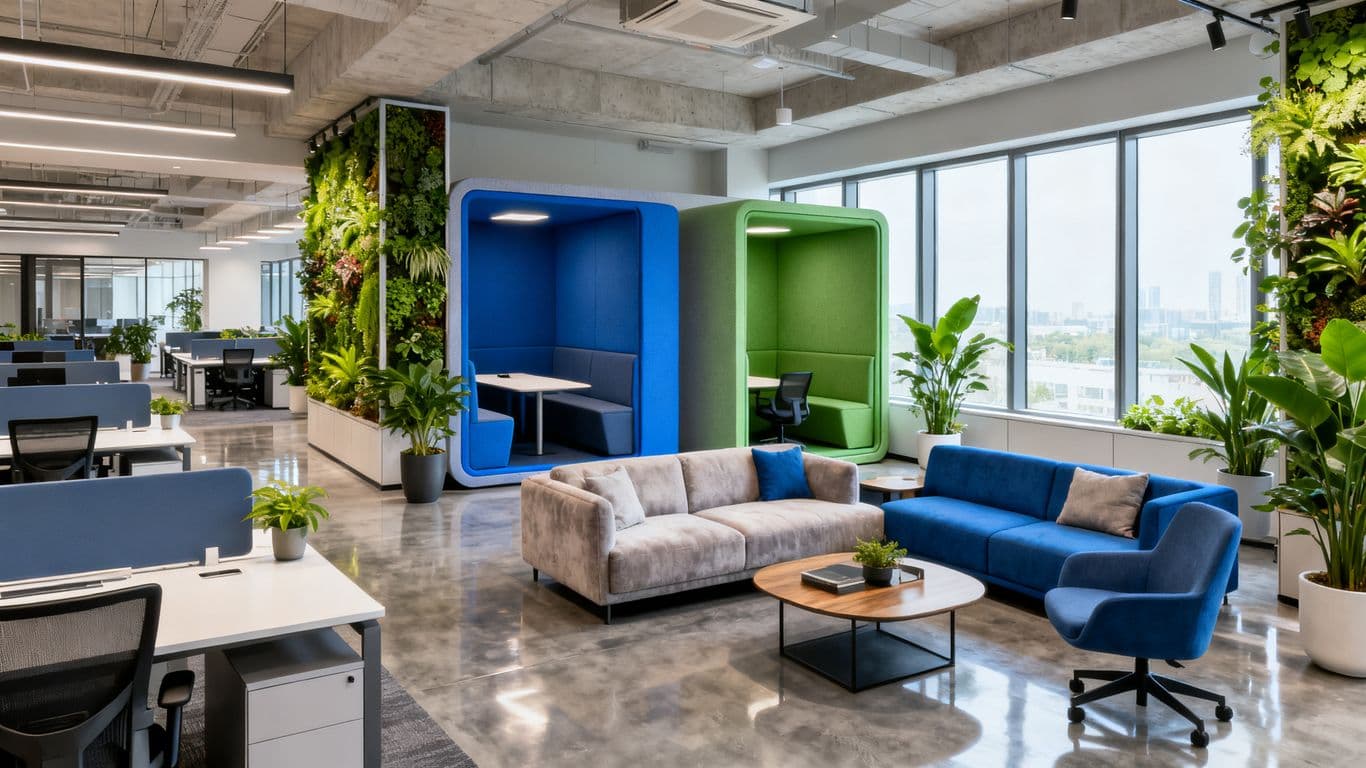
There's a whole range of office spaces to choose from, so you're bound to find something that fits. You've got your traditional office buildings, of course, but also serviced offices, co-working spaces, and even some more creative, unconventional options. Serviced offices can be great if you want something hassle-free, while co-working spaces are good for networking. Traditional offices give you more control over the space.
- Traditional Office Buildings: These offer a dedicated space for your business with customisation options.
- Serviced Offices: Fully furnished and equipped, these are ideal for businesses seeking immediate setup.
- Co-working Spaces: Shared office environments that promote collaboration and flexibility.
Key Considerations For Office Rental
Budget Considerations
Figuring out your budget is the first thing you need to do. Office rental costs can change a lot depending on where it is, what it offers, and the lease terms. Don't forget to factor in extra costs like maintenance, utilities, and any hidden charges before you sign anything. It's easy to get caught up in the base rent, but those extras can really add up.
Office Space Requirements
It's important to know exactly what you need from your office space. Think about how big your team is, if you plan to grow, and what kind of layout works best for your business. Do you want an open-plan office or individual rooms? Make sure the space can handle what you need now and in the future. Being specific helps you find the right office spaces for rent and saves you time.
Amenities And Facilities
Don't just think about the basics. Modern offices often have things like fast internet, air conditioning (which is a must in Thailand), meeting rooms, parking, and security.
It's easy to overlook the small things, but they can make a big difference to your employees' comfort and productivity. Think about things like break rooms, kitchen facilities, and even the quality of the building's air conditioning. These things can really impact morale.
Navigating Lease Agreements
Lease Terms And Flexibility
When you're looking at an office space, understanding the lease agreement is really important. It's not just about the monthly rent. You need to look closely at the lease duration, renewal options, and any clauses about making changes or ending the lease early. Things change, so having some flexibility in the lease can be a lifesaver as your business grows or shifts direction.
Understanding Additional Costs
It's easy to focus on the headline rental figure, but there are often extra costs that can add up. Make sure you know about these before you sign anything. These could include:
- Maintenance fees: What's covered, and what isn't?
- Utility bills: Electricity, water, internet – these can vary a lot.
- Building management charges: For upkeep of common areas.
- Taxes: Are there any local taxes you'll be responsible for?
Don't be afraid to ask for a complete breakdown of all expected costs. It's better to know upfront than to get a nasty surprise later on. Budgeting is key when looking at office space for rent in Bangkok.
Negotiating Your Lease
Everything is negotiable. Don't just accept the first offer. Here are a few things you might be able to negotiate:
- Rental rate: Especially if the property has been vacant for a while.
- Lease length: You might want a shorter lease to start with, to see how things go.
- Fit-out costs: Can the landlord contribute to the cost of fitting out the space?
- Break clauses: These allow you to end the lease early, under certain conditions. A 30-year lease in Thailand might seem daunting, so understanding break clauses is important.
It's always a good idea to get legal advice before signing a lease. A solicitor can spot potential problems and help you negotiate the best possible deal.
Choosing The Right Location
Finding the perfect spot for your office in Bangkok is a big deal. It's not just about the rent; it's about making sure your business can thrive. Location impacts everything from employee happiness to client access, so let's get it right.
Benefits Of Central Locations
Central locations offer unparalleled access to key business districts and transport links. Think about it: being in the heart of the city puts you closer to clients, partners, and potential employees. Plus, central areas often boast better infrastructure and a wider range of amenities. It's a trade-off, of course, as rent tends to be higher, but the advantages can outweigh the costs.
- Prestige: A central address can boost your company's image.
- Networking: Opportunities for collaboration are increased.
- Client access: Easier for clients to reach you for meetings.
Choosing a central location can significantly impact your company's growth and success. It's about more than just convenience; it's about positioning yourself for opportunity.
Accessibility For Employees
How easy is it for your team to get to work? This is a crucial question. Consider the availability of public transport, the proximity to major roads, and even the availability of parking. A location that's difficult to reach can lead to unhappy employees and higher turnover rates. Think about offering office spaces for rent near public transport.
- Proximity to BTS/MRT lines: Makes commuting easier for those using public transport.
- Availability of parking: Essential for employees who drive.
- Traffic congestion: Consider the impact of rush-hour traffic on commute times.
Proximity To Amenities
Let's face it, everyone appreciates having convenient access to amenities. Lunch spots, coffee shops, banks, gyms – these things matter. A location with plenty of nearby amenities can improve employee morale and make the workday more enjoyable. Plus, it can be a selling point when you're recruiting new talent. Consider the Asoke neighbourhood for its amenities.
- Food options: Variety of restaurants and cafes for lunch and breaks.
- Banking facilities: Easy access to banks and ATMs.
- Retail shops: Convenient for running errands during lunch or after work.
The Importance Of Professional Assistance
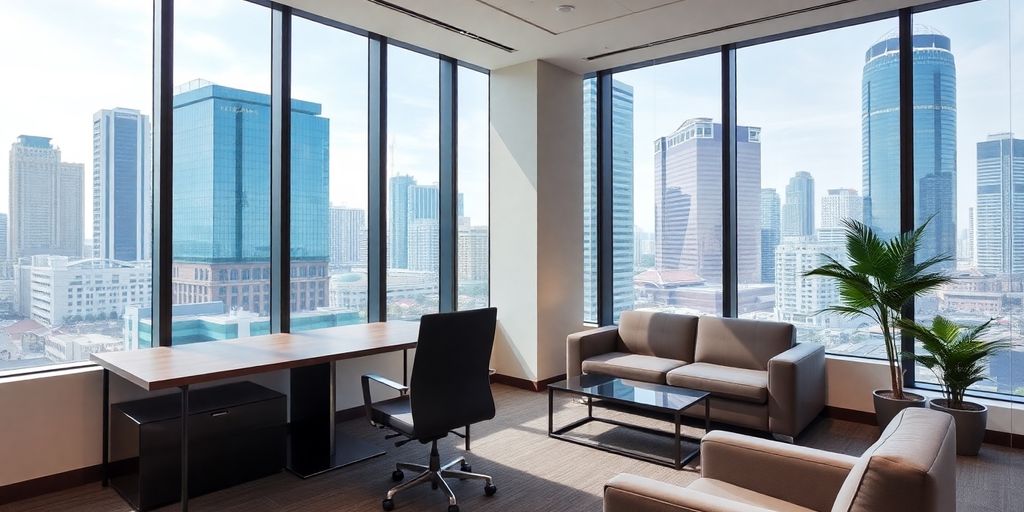
Finding the perfect office space in Bangkok can feel like navigating a maze. It's easy to get lost in the details, from lease agreements to hidden costs. That's where professional assistance comes in. Engaging experts can save you time, money, and a whole lot of stress.
Working With Real Estate Agents
Real estate agents who specialise in commercial property can be invaluable. They possess in-depth knowledge of the local market, including current rental rates, available properties, and upcoming developments. They can help you find office spaces that meet your specific needs and budget, often uncovering options you wouldn't find on your own. A good agent will also act as your advocate, negotiating lease terms and ensuring your interests are protected.
Benefits Of Property Management Services
Property management services go beyond simply finding a space. These companies handle the day-to-day management of the property, taking care of maintenance, repairs, and tenant relations. This can be a huge relief, especially for businesses that are new to Bangkok or don't have the resources to manage a property themselves. They can also ensure that the building is well-maintained and compliant with local regulations.
Using property management services can free up your time to focus on running your business, rather than dealing with property-related issues. This can lead to increased productivity and profitability.
Legal Considerations In Leasing
Lease agreements in Thailand can be complex and may contain clauses that are unfamiliar to foreign businesses. It's essential to have a legal professional review any lease agreement before you sign it. A lawyer can explain the terms and conditions, identify any potential risks, and ensure that the agreement is fair and protects your interests. This is particularly important when dealing with issues such as termination clauses, renewal options, and liability.
Here are some key legal aspects to consider:
- Lease Duration: Understand the length of the lease and any renewal options.
- Termination Clauses: Be aware of the conditions under which the lease can be terminated.
- Liability: Clarify who is responsible for repairs and maintenance.
Evaluating Office Spaces
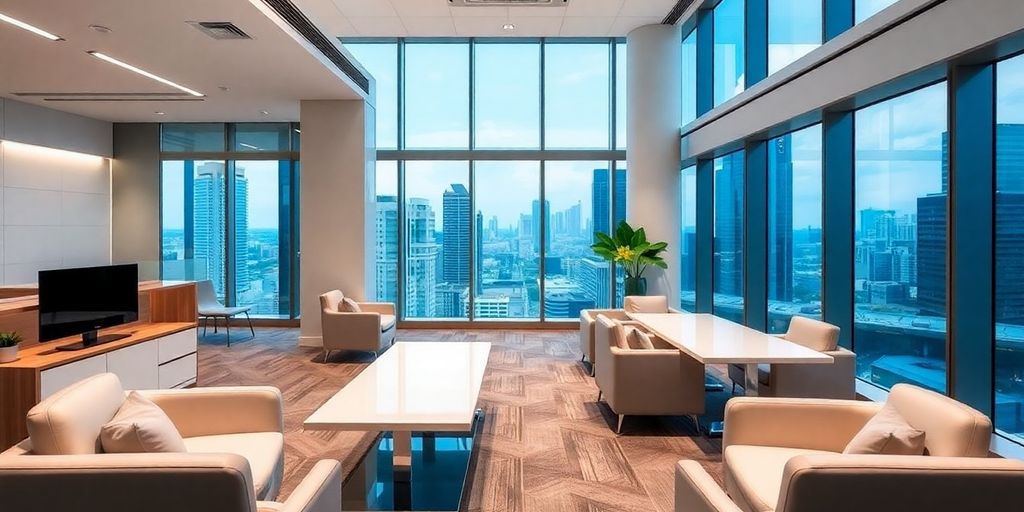
Scheduling Visits To Properties
Okay, so you've got a shortlist of potential office spaces. Now comes the fun part: actually seeing them! Don't skip this step. Pictures can be deceiving, and you really need to get a feel for the place. Make a list of what's important to you – natural light, layout, noise levels – and take notes during each visit. It's easy to forget details when you're looking at multiple properties. Think of it like test-driving a car; you wouldn't buy one without a spin, would you?
Assessing The Condition Of The Office
Don't just admire the view; give the place a proper once-over. Check for any signs of damage or disrepair. Are the walls clean? Is the flooring in good shape? How's the plumbing? These things might seem minor, but they can add up to big headaches (and expenses) down the line. A well-maintained office space speaks volumes about the landlord's commitment.
Here's a quick checklist:
- Check for leaks or water damage.
- Inspect the electrical outlets and wiring.
- Test the air conditioning and heating.
Importance Of Natural Light And Ventilation
Trust me on this one: natural light and good ventilation are non-negotiable. A dark, stuffy office is a recipe for low morale and poor productivity. Employees need sunlight to stay alert and focused. And fresh air? Well, that's just basic human decency. If the office feels like a dungeon, cross it off your list. You want a space that feels bright, airy, and inviting. Consider the importance of office air conditioning too, especially in Bangkok's climate. The anticipated addition of new office space by 2025 may offer better options.
A well-lit and ventilated office isn't just a nice-to-have; it's an investment in your employees' well-being and your company's success. It can reduce sick days, boost creativity, and create a more positive work environment. Don't underestimate the power of a sunny office!
Future-Proofing Your Office Space
Planning For Business Growth
When you're looking at office spaces, it's easy to just think about what you need right now. But what about next year, or the year after? It's really important to think about how your business might grow. Will you be hiring more staff? Will you need more space for new equipment or departments? Choosing a space that can adapt to these changes will save you a lot of hassle (and money) down the line. Think about scalability from the start.
Adapting To Changing Needs
Businesses change, and sometimes quickly. The way we work is evolving, and your office needs to keep up. Consider these points:
- Flexibility: Can the space be easily reconfigured? Are there modular walls or furniture that can be moved around?
- Technology: Is the infrastructure in place to support new technologies? Think high-speed internet, sufficient power outlets, and good mobile signal.
- Remote Work: Even if you're primarily office-based, having the ability to support remote work is increasingly important. Can your office facilitate hybrid working models?
It's worth thinking about how your company culture might evolve too. Do you want a collaborative space, or more private areas? The office layout can really influence how people work together.
Sustainability Considerations
More and more businesses are focusing on sustainability, and your office space can play a big part. Not only is it good for the planet, but it can also attract employees and clients who care about these issues. Here's what to consider:
- Energy Efficiency: Look for spaces with good insulation, energy-efficient lighting, and modern air conditioning systems. These can save you money on utility bills and reduce your carbon footprint.
- Green Building Certifications: Spaces with certifications like LEED or BREEAM have been designed and built to high environmental standards.
- Waste Management: Does the building have recycling facilities? Are there opportunities to reduce waste and promote sustainable practises within the office?
Choosing a sustainable office space shows that you're committed to doing your part for the environment. It's a win-win for your business and the planet.
Final Thoughts on Office Rental in Bangkok
So, there you have it. Renting an office in Bangkok can be a bit of a task, but it doesn’t have to be overwhelming. Just keep your budget in check, think about what you really need in terms of space and amenities, and don’t skip the fine print in your lease. It’s also a good idea to get some help from local experts who know the market well. They can save you a lot of hassle. In the end, finding the right office can really set you up for success in this vibrant city. Good luck with your search!
Frequently Asked Questions
What are the current trends in office rentals in Bangkok?
Right now, office rentals in Bangkok are changing. Many companies want flexible spaces that can adapt as their needs change. There is also a focus on modern offices with good amenities.
Which areas are best for renting an office in Bangkok?
Some popular areas for office rentals include Asoke, Sathorn, and Thong Lor. These places are busy with many businesses and are close to public transport.
What types of office spaces can I find in Bangkok?
In Bangkok, you can find different types of office spaces like co-working spaces, private offices, and entire office buildings. It depends on what your business needs.
How should I budget for renting an office?
When budgeting for an office, consider the rent, utilities, and any extra costs like maintenance fees. Setting a clear budget can help you find the right space without overspending.
What should I look for in a lease agreement?
When looking at a lease, check the length of the lease, any rules about making changes, and what happens if you want to leave early. Make sure it fits your business plans.
Why should I hire a real estate agent when renting an office?
A real estate agent can help you find the right office, negotiate better terms, and understand the legal parts of leasing. Their experience can save you time and money.
Filed under
The Moveandstay editorial team writes about serviced living, workspaces, and city guides across Asia-Pacific.