Not Alone in Hong Kong: Inside the Expat Community Scene
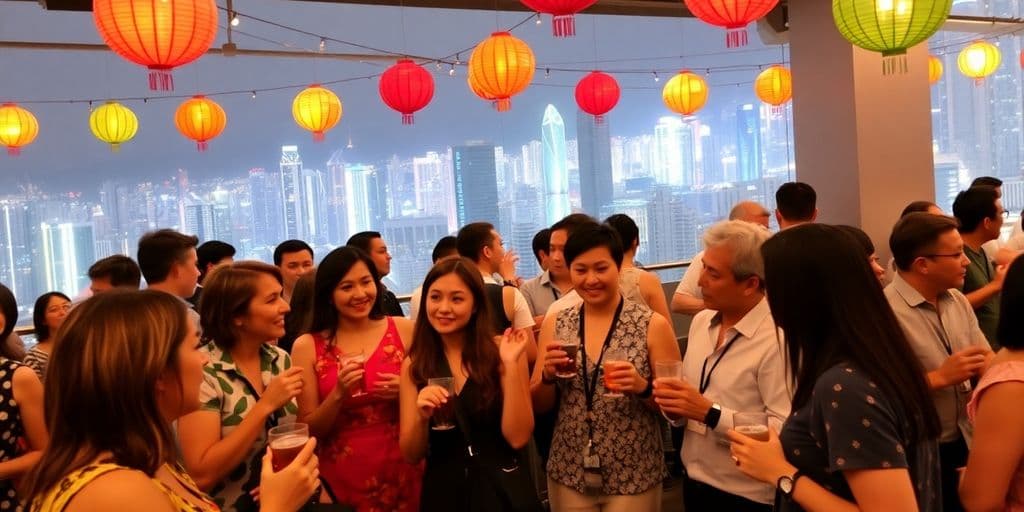
Hong Kong is a vibrant city that draws people from all over the globe, creating a rich tapestry of cultures and communities. For expatriates, finding a sense of belonging can sometimes feel daunting, but the expat communities in Hong Kong provide a warm and welcoming environment. From meetups to cultural events, there are countless opportunities for newcomers to connect, share experiences, and forge friendships in this bustling metropolis.
Key Takeaways
- Hong Kong hosts a diverse range of expat communities, representing numerous nationalities.
- Social networks and support systems are vital for expatriates to feel connected and supported.
- Cultural events in Hong Kong offer expats a chance to engage with local traditions and global cultures.
- Expatriates face challenges such as work visa requirements and social integration.
- The professional landscape in Hong Kong is ripe with opportunities for skilled expatriates.
Diverse Nationalities Within Expat Communities
A Melting Pot of Cultures
Hong Kong's expat scene is seriously diverse. You'll find people from pretty much everywhere, all bringing their own unique flavour to the city. It's not just a few token foreigners; we're talking about a real mix of backgrounds and experiences. This makes Hong Kong a fascinating place to live, because you're constantly meeting people with different perspectives. It's a proper melting pot, and that's what makes it so vibrant.
Popular Nationalities in Hong Kong
So, who exactly are these expats? Well, you'll find a strong contingent of Brits, Aussies, and Americans, naturally. But it doesn't stop there. There are also large communities from places like Canada, France, Germany, and Japan. And that's just scratching the surface. You'll also find plenty of people from Southeast Asia, South Asia, and Africa. It's a real global village. Securing Hong Kong residency is a common goal for many seeking to establish themselves here.
Here's a rough breakdown:
- British
- American
- Australian
- Canadian
- French
It's worth remembering that these communities aren't just about people from one country hanging out together. There's a lot of cross-cultural interaction, which is what makes the expat scene so interesting. People mix and mingle, learn from each other, and create new friendships that span the globe.
Community Size and Influence
The size of these expat communities really does have an impact. They're big enough to have a real presence in Hong Kong, influencing everything from the food scene to the arts and culture. They also provide a support network for newcomers, making it easier to settle in and feel at home. Plus, with so many people from different backgrounds, there's always something new to discover. It's a dynamic and ever-changing environment that keeps things interesting. The expat job market is also influenced by the size and diversity of these communities.
Social Networks and Support Systems
Moving to a new country can be daunting, but Hong Kong boasts a vibrant network of social and support systems designed to help expats settle in and thrive. From casual meetups to formal associations, there are plenty of opportunities to connect with like-minded individuals and build a community.
Meetups and Interest Groups
One of the easiest ways to meet people in Hong Kong is through meetups and interest groups. These groups cater to a wide range of hobbies and interests, from hiking and photography to book clubs and language exchanges. Websites like Meetup.com are popular platforms for finding groups that align with your passions.
Here's a quick look at some popular types of meetups:
- Professional Networking: Connect with others in your field.
- Social Activities: Casual gatherings for drinks, dinners, and outings.
- Hobby-Based Groups: Share your interests with fellow enthusiasts.
- Family-Oriented Events: Activities for expats with children.
International Clubs and Associations
For those seeking a more structured environment, international clubs and associations offer a range of social and professional activities. These organisations often host events, workshops, and networking opportunities, providing a platform for expats to connect and support one another. These clubs can be a great way to find community networking organisations and build lasting relationships.
Online Communities and Forums
In today's digital age, online communities and forums play a vital role in connecting expats in Hong Kong. Facebook groups, online forums, and WhatsApp groups provide a space for sharing information, asking questions, and seeking advice. These platforms can be particularly helpful for newcomers who are navigating the challenges of settling into a new city. They offer a convenient way to connect with other expats, share experiences, and build a support network.
Online forums can be a lifeline when you first arrive. It's a place to ask those 'silly' questions you might not want to ask in person, like where to find a specific type of grocery or how the transport system works. Plus, it's a great way to hear about events and activities happening around the city that you might otherwise miss.
Cultural Events and Activities
Annual Festivals and Celebrations
Hong Kong is a city that loves a good celebration, and the expat community is right in the thick of it. From Chinese New Year, with its vibrant parades and lion dances, to the Mid-Autumn Festival, where families gather to admire the moon and eat mooncakes, there's always something going on. The Rugby Sevens is a massive event, drawing crowds from all over the world, and the Christmas and New Year festivities are a sight to behold, with dazzling light displays and bustling markets. These events provide a fantastic opportunity to experience local culture and connect with both locals and other expats. Don't forget smaller, but equally fun, events like the Cheung Chau Bun Festival!
Art and Music Events
For those with a taste for the arts, Hong Kong doesn't disappoint. Art Basel Hong Kong is a major highlight, showcasing contemporary art from across Asia and beyond. There are also numerous smaller galleries and studios dotted around the city, particularly in areas like Sheung Wan and Central, offering a more intimate art experience. Music lovers can enjoy everything from classical concerts to indie gigs, with venues like the Hong Kong Cultural Centre and smaller bars hosting a diverse range of performances. Keep an eye out for the Hong Kong International Film Festival too, which screens a wide selection of international and local films. It's easy to fill your evenings with cultural events.
Sports and Recreational Activities
It's not all about festivals and art; Hong Kong also offers a wealth of sports and recreational activities. Hiking is incredibly popular, with trails like the Dragon's Back offering stunning views. There are plenty of opportunities for water sports, such as sailing, kayaking, and paddleboarding, particularly around the islands. For those who prefer indoor activities, there are numerous gyms, yoga studios, and climbing walls. Many expats also join sports teams, such as football, netball, or rugby, providing a great way to stay active and meet new people. The city's access to nature is amazing, with dozens of beaches and lengthy cycling routes.
Getting involved in these activities is a brilliant way to integrate into the local community and make the most of your time in Hong Kong. It's easy to find something that suits your interests and fitness level, and you'll be sure to meet like-minded people along the way.
Challenges Faced by Expatriates
Navigating Work Visas
Getting a work visa can be a real headache. It's not always straightforward, and the rules can seem complicated. The Hong Kong government generally wants to see that you're filling a role that a local can't easily do. This means you need to have skills or experience that are in demand. It's worth remembering that your visa is often tied to your job, so if you lose your job, you might also lose your right to stay. It's a good idea to get some visa advice before you move.
Cultural Adjustments
Moving to a new country always comes with a bit of a culture shock. Hong Kong is no different. You might find that things are done differently here, from the way people communicate to the way businesses operate. It can take time to get used to the fast pace of life and the high population density. Don't be surprised if you feel a bit lost or overwhelmed at first. It's all part of the process. Here are a few things that might help:
- Learn some basic Cantonese phrases. Even a few words can go a long way.
- Be patient and try to understand local customs.
- Find other expats who have been through the same thing.
It's important to remember that cultural adjustment is a two-way street. You're not just adapting to a new culture, but also bringing your own culture with you. Try to find a balance between embracing the local culture and staying true to yourself.
Social Integration Issues
Making friends and building a social life can be tough when you're new to a place. It's easy to feel isolated, especially if you don't speak the local language. Many expats find it hard to connect with locals, and end up sticking to expat circles. This isn't necessarily a bad thing, but it can limit your experience of Hong Kong. Here's a table showing some common social challenges:
| Challenge | Description |
|---|---|
| Language Barrier | Difficulty communicating with locals. |
| Cultural Differences | Misunderstandings and clashes due to different values and customs. |
| Limited Local Network | Lack of existing connections and difficulty building new ones with locals. |
It's worth making an effort to get involved in local activities and meet people from different backgrounds. You might be surprised at how welcoming people can be.
Professional Opportunities for Expats
Hong Kong presents a dynamic job market for expatriates, though it's not without its challenges. The city's status as a global financial hub and its proximity to mainland China create a unique blend of opportunities, particularly for those with specialised skills. However, competition can be fierce, and understanding the local market is key.
Demand for Specialised Skills
The Hong Kong government generally prioritises bringing in expats who can fill roles requiring skills not readily available among the local workforce. This includes sectors like finance, technology, engineering, and healthcare. However, opportunities also exist in areas like video production, real estate tech, social media, and food and beverage. It's worth noting that Mandarin or Cantonese language skills aren't usually a requirement for expat positions.
Job Market Trends
The job market in Hong Kong is constantly evolving. While certain sectors remain consistently in demand, others may experience fluctuations. Here's a quick overview of some key trends:
- Finance: Continues to be a major employer, with demand for professionals in areas like investment banking, asset management, and fintech.
- Technology: Growing rapidly, with opportunities in areas like software development, data science, and cybersecurity.
- Healthcare: An ageing population is driving demand for healthcare professionals, including doctors, nurses, and specialists.
- Construction and Engineering: Infrastructure projects and urban development create ongoing demand for engineers and construction workers.
Networking for Career Growth
Networking is really important for career advancement in Hong Kong. Attending industry events, joining professional associations, and connecting with people online can open doors to new opportunities. Don't underestimate the power of word-of-mouth and personal connections in this city. You can discover job search strategies to help you find the right role.
Building a strong network takes time and effort, but it's an investment that can pay off significantly in the long run. Attend industry events, join relevant associations, and connect with people on LinkedIn. Don't be afraid to reach out to people for informational interviews or to ask for advice. Remember, most people are happy to help if you approach them in a respectful and professional manner.
Living Arrangements and Local Insights
Popular Areas for Expats
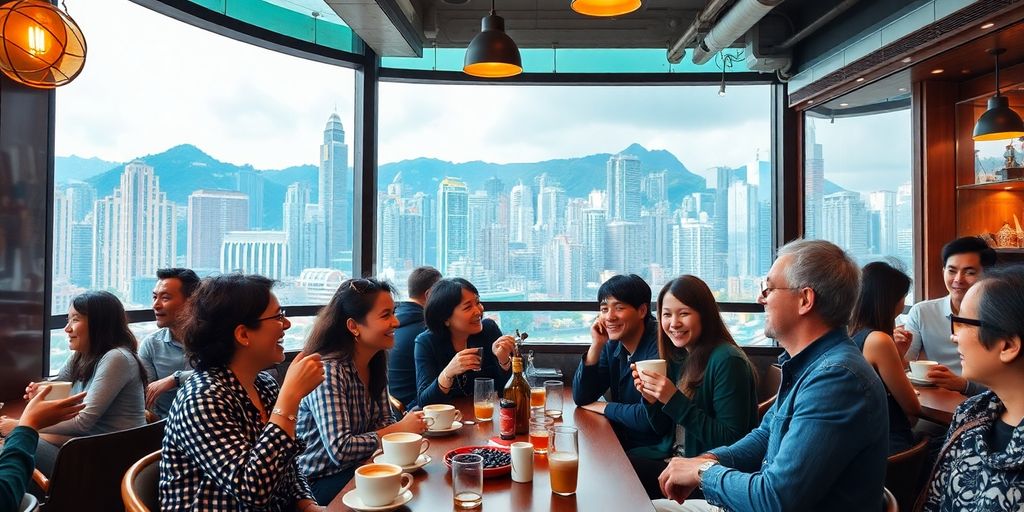
When you first arrive, figuring out where to live can feel like a massive puzzle. Many expats gravitate towards areas like Mid-Levels, known for its proximity to the business district and international schools. Alternatively, areas like Discovery Bay offer a more relaxed, family-friendly vibe with larger living spaces. However, these popular spots often come with a premium price tag. Other options include areas further out, like Sai Kung, which provides a more local experience and access to beautiful beaches and hiking trails. It really depends on your priorities: convenience, space, or budget.
Housing Challenges
Finding a place in Hong Kong can be tough. Space is limited, and prices are high. Be prepared for smaller living spaces than you might be used to. Landlords often require hefty deposits and advance rent. It's also worth noting that many apartments are advertised through agencies, so factor in agent fees. Don't be afraid to negotiate, but remember that demand is high, so you might not get far. It's a good idea to start your search well in advance of your move and to have all your paperwork ready. You might want to connect with experienced expats for local insights.
Local Amenities and Services
Hong Kong has a fantastic range of amenities and services. Public transport is efficient and affordable, making it easy to get around without a car. You'll find a mix of Western and Asian supermarkets, offering familiar products alongside local ingredients. Healthcare is generally good, with both public and private options available. Mobile phone and internet services are reliable and widely accessible. One thing to be aware of is that English is widely spoken, but learning a bit of Cantonese can really help you integrate and navigate daily life.
Living in Hong Kong is an experience. It's a city of contrasts, where modern skyscrapers meet traditional temples, and where East meets West. Embrace the chaos, be open to new experiences, and you'll find that Hong Kong has a lot to offer.
The Role of Expatriates in Hong Kong Society
Economic Contributions
Expats play a significant role in Hong Kong's economy. Many fill specialised roles that require skills not readily available locally. They contribute to various sectors, from finance and technology to education and the arts. This influx of talent helps drive innovation and economic growth. The Hong Kong government generally requires expats to fill roles that require specialised skills not readily available to locals.
- Expats contribute to the tax base, supporting public services.
- They often start businesses, creating jobs for locals.
- Their spending boosts the retail and hospitality sectors.
Expats bring diverse perspectives and expertise, which can lead to new business opportunities and improved competitiveness for Hong Kong companies. Their presence helps to maintain Hong Kong's status as a global business hub.
Cultural Exchange
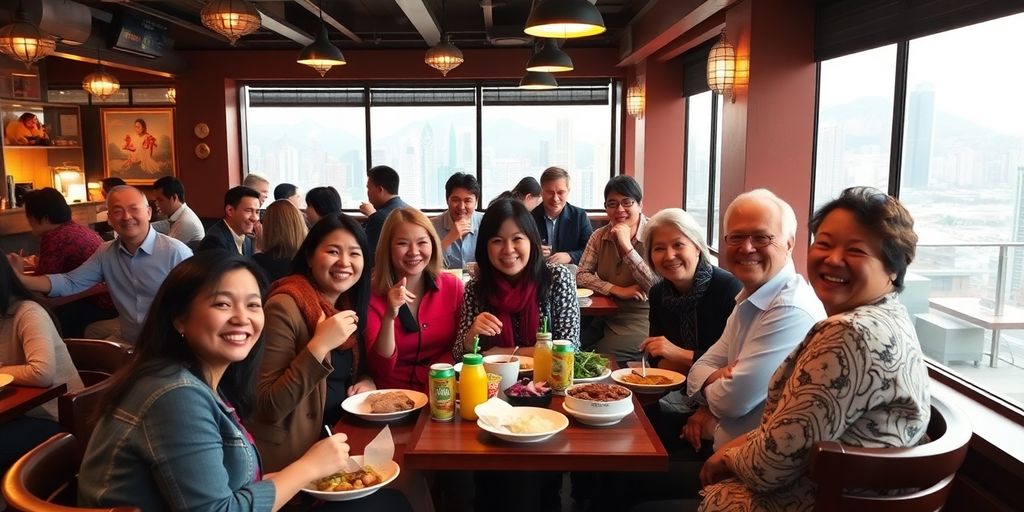
Expatriates contribute significantly to Hong Kong's vibrant cultural landscape. They bring diverse perspectives and traditions, enriching the local community. This exchange goes both ways, with expats also learning from and adapting to Hong Kong culture. It's a melting pot, really. You can find expat communities for almost any nationality in Hong Kong.
- Expats introduce new cuisines and artistic styles.
- They participate in cultural festivals and events.
- They share their experiences and perspectives through writing, art, and other forms of expression.
Community Engagement and Volunteering
Many expats actively engage with the local community through volunteering and other initiatives. They contribute their time and skills to support various causes, from environmental protection to social welfare. This involvement helps to bridge cultural gaps and build stronger relationships between expats and locals. It's not just about taking; it's about giving back. It's important to find local schools and get involved.
- Expats volunteer at local charities and non-profit organisations.
- They participate in community clean-up events.
- They mentor local students and young professionals.
Finding Your Place in the Expat Community
In the end, being an expat in Hong Kong can feel like a mixed bag. Sure, there are loads of opportunities to meet people from all over the globe, and the city is buzzing with events and activities. But it’s also easy to get lost in the expat bubble, where life can seem a bit disconnected from the local reality. Whether you’re here for work, adventure, or a bit of both, it’s important to step outside that bubble now and then. Embrace the local culture, make friends with locals, and really soak in what this vibrant city has to offer. After all, it’s not just about finding your tribe; it’s about understanding and appreciating the place you now call home.
Frequently Asked Questions
What is the expat community like in Hong Kong?
Hong Kong has a very diverse expat community with people from many different countries. You can find groups for nearly every nationality, making it easy to connect with others.
How can expats meet new people in Hong Kong?
There are many ways to meet new people, such as joining interest groups, attending international clubs, or participating in local meetups.
What cultural events can expats enjoy in Hong Kong?
Hong Kong hosts a variety of cultural events, including art festivals, music concerts, and sports activities, giving expats plenty to experience.
What challenges do expats face when living in Hong Kong?
Expats often deal with issues like obtaining work visas, adjusting to a new culture, and finding ways to integrate socially.
Are there good job opportunities for expats in Hong Kong?
Yes, there are many job opportunities, especially for those with specialised skills. The job market is competitive but offers a range of roles.
What areas are popular for expats to live in Hong Kong?
Popular areas for expats include places like Sai Ying Pun and Central, but finding suitable housing can sometimes be a challenge.
The Moveandstay editorial team writes about serviced living, workspaces, and city guides across Asia-Pacific.