
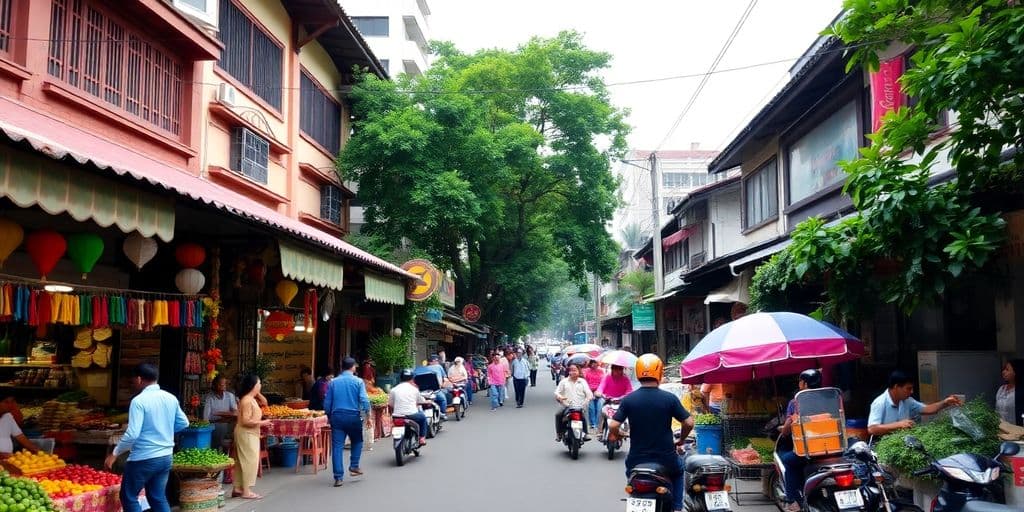
Thinking about relocating to Jakarta? You’re in for quite an adventure! This bustling city is a mix of tradition and modernity, offering a unique experience for expats. But before you pack your bags, there are a few things you should know about living in this vibrant metropolis. From the cost of living to local customs, here's a handy guide to help you settle in smoothly.
Key Takeaways
- Jakarta's cost of living varies greatly; housing can be pricey depending on the area.
- Understanding local customs and etiquette is key to fitting in and making friends.
- Public transport is improving, but traffic can be a nightmare—plan your journeys accordingly.
- There are plenty of fitness options available, from gyms to outdoor activities, to keep you active.
- Healthcare services are robust, but consider private health insurance for peace of mind.
Understanding The Cost Of Living
Moving to a new city always brings the question of finances to the forefront. Jakarta is no different. Understanding the cost of living is key to planning your move and ensuring a comfortable life. It's generally considered more affordable than many Western capitals, but costs can vary significantly depending on your lifestyle and location.
Housing Expenses
Housing will likely be your biggest expense. Rental prices in Jakarta can range widely depending on the type of accommodation and the neighbourhood. Expect to pay more for apartments in central locations or expat-heavy areas. Utilities like electricity, water, and internet should also be factored into your budget. These can add a significant amount to your monthly expenses, especially during the hotter months when air conditioning is a must.
Transportation Costs
Getting around Jakarta can be surprisingly cheap, especially if you utilise public transport. However, the sheer size of the city and the notorious traffic jams mean you might end up spending a fair bit on ride-hailing services or even owning a car. Fuel costs, parking fees, and potential toll charges should all be considered. Public transport is an option, but it can be crowded and not always the most convenient, especially if you're not familiar with the routes. Consider these points:
- Public transport is cheap.
- Traffic can be a nightmare.
- Ride-hailing is readily available.
Food and Dining Prices
Food in Jakarta can be incredibly affordable, especially if you embrace local cuisine. Street food is abundant and delicious, offering a wide variety of options at very low prices. Groceries are also generally cheaper than in many Western countries. However, if you prefer to eat at Western-style restaurants or buy imported goods, your food bill can quickly add up. Dining out can range from very cheap to quite expensive, depending on the type of establishment you choose. For example, Jakarta has an average cost of living that is relatively inexpensive compared to other major cities.
It's worth noting that while the initial cost of living might seem low, unexpected expenses can arise. Things like visa extensions, healthcare costs, and social activities can all impact your budget. It's always a good idea to have a buffer to cover any unforeseen circumstances.
Navigating The Local Culture
Cultural Etiquette
Getting to grips with Jakarta's cultural etiquette is super important for a smooth move. It's not just about being polite; it's about showing respect and understanding. For example, when meeting someone new, a handshake is common, but it's often followed by bringing your hand to your heart – a sign of sincerity. Dress modestly, especially when visiting religious sites. Always use your right hand when giving or receiving something, as the left is considered unclean. And remember, public displays of affection are generally frowned upon.
Language Considerations
Bahasa Indonesia is the official language, and while many Jakartans speak some English, learning a few basic phrases will go a long way. It shows you're making an effort to connect with the local culture. Simple greetings like "Selamat pagi" (good morning), "Terima kasih" (thank you), and "Permisi" (excuse me) can make a big difference. Don't worry if you mess up; people appreciate the attempt. Consider taking a language course to really immerse yourself.
Social Norms
Jakarta is a city where community and harmony are highly valued. Here are some social norms to keep in mind:
- Family First: Family ties are incredibly strong. Expect to be asked about your family and show interest in theirs.
- Saving Face: Avoiding embarrassment or causing someone to lose face is crucial. Be mindful of your words and actions.
- Indirect Communication: Direct confrontation is often avoided. People may hint at things rather than saying them outright.
Patience is key. Things might not always happen as quickly or efficiently as you're used to. Embrace the slower pace and try not to get frustrated. Remember, you're a guest in their country.
It's also worth noting that Jakarta is a city of contrasts. You'll see modern skyscrapers alongside traditional markets, and people from all walks of life coexisting. Embrace the diversity and be open to new experiences. It's all part of the adventure of living in Jakarta.
Finding Suitable Accommodation
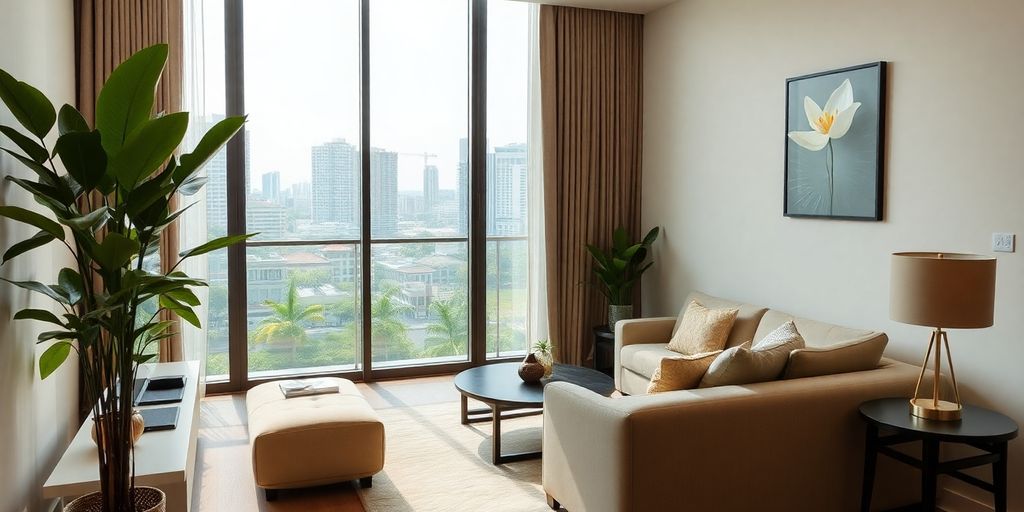
Finding a place to live in Jakarta can feel like a mission, but with a bit of research, it's totally doable. It's all about knowing where to look and what to expect. From bustling city centre apartments to quieter suburban houses, there's something for everyone, you just need to find it!
Popular Neighbourhoods
Jakarta's neighbourhoods each have their own vibe. Menteng is known for its leafy streets and upscale housing, while Kemang is popular with expats for its trendy cafes and nightlife. South Jakarta generally offers more spacious houses, while Central Jakarta is closer to the business district. Consider what's important to you – proximity to work, schools, or leisure activities – when choosing a neighbourhood. Each area has its pros and cons, so do your homework!
Rental Market Overview
The rental market in Jakarta is quite diverse. You can find everything from basic apartments to luxury villas. Rental costs can vary significantly depending on the location, size, and amenities. It's common to pay rent in advance, sometimes several months at a time. Using a reputable property agent can be helpful, especially if you're not familiar with the local market. They can guide you through the process and help you find suitable accommodation that meets your needs and budget.
Tips For House Hunting
- Start your search early: Give yourself plenty of time to explore different options.
- Use online portals: Websites and apps can be a great way to browse available properties.
- Visit properties in person: Photos can be deceiving, so always view a place before committing.
Negotiate the rental price. It's common practise to haggle, especially for longer lease terms. Don't be afraid to ask for a better deal. Also, make sure you understand all the terms and conditions of the lease agreement before signing anything. It's always a good idea to get a local friend or colleague to help you review the contract.
Exploring Transportation Options
Getting around Jakarta can be quite the experience, let me tell you. It's a sprawling city, and the traffic... well, it's legendary. But don't let that put you off! There are actually quite a few ways to navigate the urban jungle, each with its own pros and cons.
Public Transport Systems
Jakarta's public transport has improved a lot in recent years, though it still has a way to go. The TransJakarta bus rapid transit system is pretty extensive, with dedicated lanes that (theoretically) help it avoid the worst of the traffic. It's cheap, but can get crowded, especially during rush hour. Then there's the Jakarta MRT, which is a game-changer for getting around the city centre quickly. It's clean, efficient, and a welcome relief from the chaos above ground. There's also a commuter rail line, the KRL Commuterline, which is useful for travelling to the outskirts of the city. Just be prepared for packed trains during peak times.
Ride-Hailing Services
Go-Jek and Grab are your best friends in Jakarta. These ride-hailing apps are incredibly popular and offer a convenient way to get around, whether you need a motorbike taxi (ojek), a car, or even food delivery. They're generally affordable, and you can pay with cash or e-wallet. Just be aware that surge pricing can kick in during busy periods, and communication with drivers can sometimes be a challenge if you don't speak Bahasa Indonesia. I've found that using the in-app chat with translation helps a lot.
Traffic Conditions
Okay, let's talk about the elephant in the room: Jakarta's traffic. It can be brutal. Congestion is a daily occurrence, and journey times can be unpredictable. The key is to plan your trips carefully and avoid travelling during peak hours if possible. Weekends are generally better, but certain areas can still get busy. Using navigation apps like Google Maps or Waze is essential for finding the quickest routes and avoiding traffic jams. And honestly, sometimes it's just best to embrace the chaos and accept that you're going to be stuck in traffic for a while. Maybe download a podcast or audiobook to keep you entertained!
One thing I've learned is that patience is key when it comes to getting around Jakarta. Don't get stressed out by the traffic – just take a deep breath and go with the flow. And always be aware of your surroundings, especially when riding a motorbike or crossing the road. It's a busy city, and you need to be alert.
Staying Active In Jakarta
Jakarta might seem like a concrete jungle at first, but there are actually loads of ways to keep fit and active. It's not all just battling the traffic! From gyms to parks, there's something for everyone, you just need to know where to look. I've found that staying active is key to settling in and feeling good here.
Fitness Centres Overview
Jakarta has a booming fitness scene, with options ranging from budget-friendly local gyms to high-end international chains. You'll find the usual suspects like treadmills and weights, but many places also offer classes like yoga, Zumba, and even martial arts. The key is finding a gym that fits your budget and is conveniently located.
Some popular options include:
- Fitness First: A well-known international chain with multiple locations and top-notch equipment. They also have cardio entertainment zones.
- Celebrity Fitness: Known for its entertainment-focused approach, with TV screens and music throughout the gym. They offer a wide range of classes, too. You can sweat to the tunes at one of their locations.
- Ade Rai Club: If you're serious about bodybuilding, this is the place to go. Owned by a famous Indonesian bodybuilder, it offers specialised training packages.
Don't be afraid to shop around and try a few different gyms before committing to a membership. Many offer free trials or day passes. Also, consider the location carefully – Jakarta traffic can make even a short trip feel like a marathon.
Outdoor Activities
Believe it or not, Jakarta does have some green spaces where you can get your exercise fix. Parks like Monas (National Monument Park) and Taman Mini Indonesia Indah are great for jogging, cycling, or just taking a leisurely stroll.
Here are some ideas:
- Morning runs in Gelora Bung Karno (GBK) stadium area are popular.
- Cycling around the city – though be prepared for the traffic!
- Exploring the Thousand Islands (Kepulauan Seribu) for watersports.
Sports Clubs
Joining a sports club is a fantastic way to meet people and stay active. There are clubs for almost every sport imaginable, from football and basketball to badminton and swimming. Many expats join these clubs to explore outdoor activities and socialise with locals and other expats.
Some popular options include:
- Jakarta Intercultural School (JIS) has various sports facilities and clubs.
- British Women's Association (BWA) often organises sports activities.
- Various local football and basketball leagues.
Healthcare Services Available
Public vs Private Healthcare
Okay, so healthcare in Jakarta. It's a bit of a mixed bag, to be honest. You've got your public and private options, and they're pretty different. Public healthcare is, in theory, available to everyone, but it can be underfunded and overcrowded. Expect longer waiting times and maybe not the newest equipment. Private healthcare, on the other hand, is generally better equipped and staffed, but it'll cost you. The quality difference is noticeable, so many expats opt for private care if they can afford it.
Health Insurance Options
Right, so if you're thinking about private healthcare (and you probably are), you'll need to sort out health insurance. There are a few options. You can get local Indonesian insurance, which might be cheaper, but make sure it covers the hospitals and clinics you'd actually want to use. Alternatively, you can go for international health insurance. It's pricier, but it usually offers more comprehensive cover and might be easier to deal with in terms of paperwork and language barriers. Companies like Lifepack.id are worth a look.
Here's a quick rundown:
- Local Insurance: Cheaper, but check coverage.
- International Insurance: More expensive, better coverage, easier to manage.
- Company Provided: Check what your employer offers.
It's really important to do your research and compare different policies before you commit to anything. Read the small print, understand what's covered and what's not, and make sure it suits your needs.
Emergency Services
Hopefully, you won't need them, but it's good to know about emergency services. The main emergency number is 118 or 119, but response times can vary, especially in Jakarta traffic. It's a good idea to know the location of the nearest hospital with an A&E department to your home and workplace. Some private hospitals also offer ambulance services, which might be quicker and better equipped. Knowing where to go in an emergency can save precious time. Also, it's worth noting down any allergies or medical conditions you have, just in case. Better safe than sorry, eh?
Education For Expat Families

Moving to a new country with kids always brings up the big question: what about their education? Jakarta has a fair few options for expat families, but it's worth doing your homework to find the right fit.
International Schools
Jakarta boasts a range of international schools, each offering different curricula, like the International Baccalaureate (IB), British, or American systems. These schools generally have high standards and cater to a diverse student body. You'll find schools dotted around the city, but some popular areas include South Jakarta and Menteng. Places like Pondok Indah are known for their British National Curriculum.
Curriculum Differences
Understanding the differences between curricula is key. The British system, for example, follows Key Stages, culminating in IGCSEs and A-Levels. The IB programme focuses on holistic development and critical thinking. The American system often uses a grade-based structure with a focus on standardised testing. It really depends on what you're after for your child's learning style and future academic goals. Here's a quick comparison:
| Curriculum | Key Features | Typical Age Range | Qualifications |
|---|---|---|---|
| British | Key Stages, IGCSEs, A-Levels | 5-18 | IGCSE, A-Level |
| IB | Holistic, inquiry-based learning | 3-19 | Primary Years Programme, Middle Years Programme, Diploma Programme |
| American | Grade-based, standardised testing, AP courses | 5-18 | High School Diploma, AP Exams |
School Admission Process
The admission process can be quite competitive, so it's best to start early. Most schools require:
- Application forms (obviously!).
- Academic records from previous schools.
- Entrance exams or assessments.
- Interviews with the student and parents.
It's also a good idea to visit the schools, speak to current parents, and get a feel for the school's atmosphere. Don't be afraid to ask lots of questions about class sizes, teacher qualifications, and extracurricular activities. Getting your child into the right educational institutions is a big step.
Final Thoughts on Moving to Jakarta
So, there you have it. If you're thinking about moving to Jakarta, just know it's a mixed bag. The city has its quirks, like the traffic and the heat, but it also has a lot to offer. From the vibrant culture to the food scene, there's plenty to explore. Just remember to keep an open mind and be ready for some surprises along the way. Whether it's finding a place to live or figuring out where to get your groceries, it might take a bit of time to settle in. But once you do, you might just find that Jakarta has a charm of its own. Good luck with your move!
Frequently Asked Questions
What is the average cost of living in Jakarta?
The cost of living in Jakarta can vary. On average, it is lower than in many Western cities, but housing and schooling can be expensive.
How do I find a good place to live in Jakarta?
You can search online for listings, ask locals for recommendations, or use services like Moveandstay which help find accommodation.
What is the public transport like in Jakarta?
Jakarta has a variety of public transport options including buses, trains, and ride-hailing services that make getting around easier.
Are there good schools for expat children in Jakarta?
Yes, there are many international schools in Jakarta that offer different curriculums suitable for expat families.
Is healthcare in Jakarta good?
Healthcare in Jakarta is generally good, with many private hospitals offering high-quality services, but it’s wise to have health insurance.
What should I know about the local culture?
Understanding local customs and etiquette is important. For example, greetings are often warm and friendly, and it’s polite to respect local traditions.
Filed under
The Moveandstay editorial team writes about serviced living, workspaces, and city guides across Asia-Pacific.
Read next

Serviced Offices Surge in Popularity as Businesses Embrace Flexible Leasing
May 3, 2026
Hong Kong Serviced Apartment Market Buzzes with Sales and Investment Activity Amidst Shifting Valuations
May 3, 2026

ONYX Hospitality Group Elevates Shama Serviced Apartments with New Lifestyle Concept and Ambitious Expansion
Apr 26, 2026