
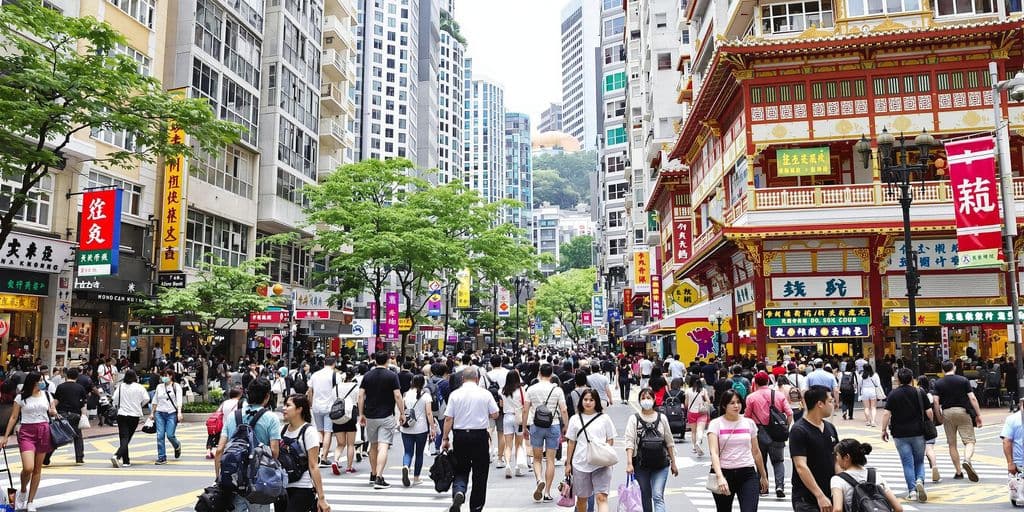
So, you're thinking about moving to Hong Kong, are you? It's a big step, and honestly, it can feel a bit overwhelming trying to figure out what to bring and what to leave behind. I've been there, and trust me, knowing a few things beforehand can save you a lot of hassle. Forget those generic packing lists; this is about the real stuff, the things expats actually wish they'd known. We've talked to loads of people who've made the move, and they've shared their top tips on what you absolutely shouldn't forget when you're packing up for Hong Kong.
Key Takeaways
- An Octopus Card is a must-have for getting around and paying for small things.
- Keep a home credit card active for online buys and bills you can't sort locally.
- Bring your favourite electronic gadgets and household items as local choices might be limited and pricey.
- Stock up on specific comfort foods, like Cadbury’s chocolate, as local versions might taste different.
- Don't bother with bulky furniture; Hong Kong flats are usually quite small.
1. Octopus Card
Okay, so you're moving to Hong Kong? First thing's first: ditch the fumbling for change and get yourself an Octopus card. Seriously, it's a game-changer. Think of it as your all-access pass to pretty much everything.
It's not just for the MTR (Hong Kong's super-efficient subway system). You can use it on buses, trams, ferries, and even at some taxis. Plus, loads of shops, supermarkets, and even fast food places accept it. It's way more convenient than cash.
I usually load mine with around HK$500 to start. That covers a good few days of travel and those little impulse buys without having to worry about having the right coins. Speaking of travel, the Airport Express is a great way to get into the city, and you can use your Octopus card for that too. Or, if you're not in a rush, take the E23 bus – it's way cheaper and you get to see more of the city.
Here's a few reasons why you need one:
- Saves time: No more queuing for tickets.
- Saves money: Sometimes there are discounts on fares.
- Super convenient: Use it almost everywhere.
Honestly, getting an Octopus card is one of the first things I did when I moved here, and I haven't looked back. It just makes life so much easier. It's one less thing to worry about when you're trying to settle in. Plus, topping it up is easy – you can do it at most convenience stores or MTR stations. You can even get a refund of any remaining money when you leave Hong Kong.
2. Home Credit Card
It's a smart move to keep your existing home credit card active, at least until you've sorted out your Hong Kong bank accounts. Even after that, many expats find it useful for online purchases from back home, especially for items that are hard to find in Hong Kong, or for settling bills from your home country. Think of it as a backup, and a way to maintain some financial ties to your previous life.
Having a home credit card can also be handy for emergencies or unexpected expenses that might arise before you've fully established your financial footing in Hong Kong. It offers a sense of security and flexibility during the initial transition period.
Here's why keeping that card is a good idea:
- Access to Home Country Services: Some services and subscriptions are easier to manage with a card issued in your home country.
- Emergency Fund: It can serve as a readily available source of funds in case of unexpected situations.
- Building Credit History: Maintaining an active credit card helps preserve your credit score in your home country.
3. Electronic Goods
When you're packing for your move, give some thought to your electronics. Choice can be limited in Hong Kong, and these items can be more expensive. It's worth considering bringing some of your favourite gadgets with you.
- Internet and TV setup boxes
- Slow cookers, steamers, and toasters
- Lamps and light shades
Make sure your appliances are 220 voltage if you're not coming from the UK. You'll need plug adaptors or an electrician to convert your plugs. Also, check the television system your home country uses to ensure your TV is compatible. HK TV uses the PAL system like Australia and the UK, while the US and Canada use NTSC.
It's also worth thinking about where you're shipping food or electronics from. If you're coming from Canada, FedEx or TNT Express are good options for reliable service. You might find that your favourite brand of hairspray is just around the corner, or that you can buy printing cartridges at a vending machine in the local shopping centre. But don't expect to find a one-stop shop like Target or Walmart on your doorstep.
4. Household Goods
When you're packing up your life, deciding what household goods to bring to Hong Kong can be a bit of a headache. I remember when we moved, I spent ages trying to figure out what was worth shipping and what I could just buy when we arrived. Turns out, some things are way easier (and cheaper) to bring with you.
- Small appliances: Think toasters, kettles, blenders. You can buy them here, but the selection isn't always great, and they can be more expensive. Plus, you know your own appliances and how they work.
- Bedding: Good quality bed sheets and pillows can be pricey. If you're particular about thread count and pillow firmness, bring your own. Trust me, a good night's sleep is worth its weight in gold when you're adjusting to a new city.
- Kitchen essentials: If you have a favourite set of knives or a specific type of cookware you can't live without, pack it. While you can find kitchenware in Hong Kong, the quality and selection might not be what you're used to.
One thing I wish I'd known before moving is how small the kitchens are here. Don't expect to find a massive oven or loads of counter space. Think compact and efficient when you're deciding what to bring.
It's also worth considering the voltage. Hong Kong uses 220V, so if you're coming from a country with a different voltage, you'll need adaptors or converters. It's a pain, but better to be prepared than to fry your favourite hairdryer. You can ship most personal belongings, but always check the regulations.
Furniture is a tricky one. Apartments in Hong Kong are generally smaller than what you might be used to, so your existing furniture might not fit. It might be better to sell or store your larger items and buy new furniture once you've settled in. IKEA is your friend here – they have everything you need, and it's relatively affordable.
5. Cadbury’s Chocolate
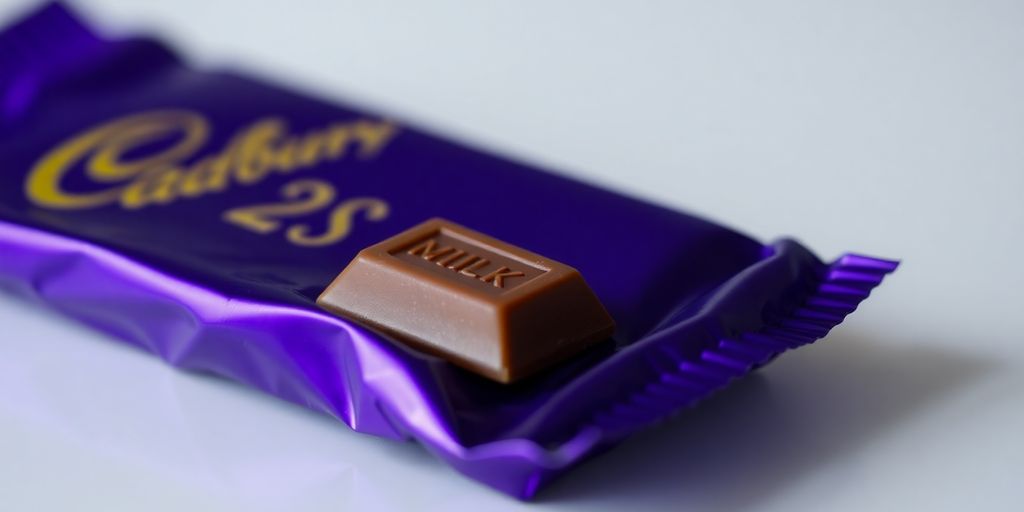
Okay, this might sound a bit daft, but hear me out. If you're anything like me, a familiar taste can be a real comfort when you're feeling a bit lost in a new place. And for many Brits, that taste is Cadbury's chocolate. It's not just about the chocolate itself; it's about the memories and feelings associated with it.
Now, you can buy chocolate in Hong Kong, but here's the thing: it's not quite the same. Some say the recipe is different in Asia, and it just doesn't hit the spot like the stuff back home. It's one of those little things that can make a bigger difference than you'd think, especially when you're battling a bit of homesickness. So, if you're a Cadbury's fiend, it might be worth squeezing a few bars into your suitcase. You can always find Dairy Milk Chocolate if you run out.
I remember when I first moved, I was convinced I could find everything I needed. And mostly, I could. But that first bite of a proper Cadbury's bar? It was like a little piece of home, and it made all the difference.
Here's a few reasons why you might want to consider packing some:
- Familiarity: It's a taste of home when you're feeling a bit lost.
- Availability: While you can find chocolate, the taste might not be what you're used to.
- Comfort: Sometimes, a small treat can make a big difference to your mood.
6. Clothes
Packing clothes for a move to Hong Kong requires some thought. It's not just about throwing everything into a suitcase; you need to consider the climate, local availability, and your personal needs. Think carefully about what you really need versus what you just want to bring.
It's worth noting that finding certain sizes can be tricky. If you're a woman with a larger bra size (D cup or above), you might struggle to find well-fitting bras. Similarly, men with larger shoe sizes (over UK size 10) may find limited options. So, if you have specific needs, it's best to stock up before you move.
Here are a few things to keep in mind:
- Climate: Hong Kong has a subtropical climate, meaning hot and humid summers and mild winters. Pack light, breathable clothing for summer and layers for winter. Don't forget a jacket, as air conditioning can be fierce indoors.
- Sizes: As mentioned, sizes can be different. If you're a larger size, bring extra underwear and socks, as options may be limited.
- Formality: While Hong Kong is generally casual, business districts like Central have more formal dress codes during work hours. Pack some smart-casual outfits if you'll be working in such an environment.
Consider packing clothes for international shipping to save space in your luggage. This can be especially useful for bulky items like winter coats or a large wardrobe.
Ultimately, packing clothes for Hong Kong is about being practical and prepared. Think about your lifestyle, the climate, and potential size limitations, and you'll be well-dressed for your new adventure.
7. Baby Formula
If you're particular about the brand of baby formula your little one uses, it's worth doing some research before you move. You might find that your preferred brand isn't readily available in Hong Kong. While you'll find plenty of baby supplies, international brands of formula can be limited. It's not the end of the world, but it's something to be aware of, especially in those early days when routine is key.
It's a good idea to bring a supply of your usual formula to tide you over while you explore local options. This can save you a lot of stress and ensure your baby's diet remains consistent during the transition.
Here's what you should consider:
- Availability: Check if your brand is stocked in major supermarkets or pharmacies.
- Price: Imported formula can be more expensive than local brands.
- Ingredients: Compare the ingredients of available formulas to ensure they meet your requirements. All feeding equipment for breastmilk or infant formula, including bottles, teats, covers, and rings, must be thoroughly washed and sterilised.
It's also worth noting that some parents find the quality of certain baby products, like nappies, isn't quite the same as back home. So, it might be a case of trial and error to find what works best for your baby in Hong Kong.
8. DVDs
Okay, this might seem a bit old-school in the age of streaming, but hear me out. If you're a film buff or have a collection of DVDs you cherish, think twice before leaving them behind. Hong Kong uses the PAL television system, like the UK and Australia. This is important because if you're coming from a country that uses NTSC (like the US or Canada), your DVDs might not play on local players.
It's a real bummer to settle in with a cup of tea, ready for a movie night, only to discover your favourite film is unplayable. Plus, while streaming services are available, their libraries can vary, and sometimes you just want to watch something specific that isn't available online. Think about your favourite box sets, the ones you know you'll want to watch again and again.
I know it sounds silly, but after a long day, sometimes all you want is a familiar film. Don't underestimate the comfort of having your favourite DVDs on hand, especially when you're feeling homesick.
Here's a few things to consider:
- Region Codes: Check the region codes on your DVDs and DVD player. You might need a multi-region player.
- Voltage: If you're bringing a DVD player, make sure it's compatible with Hong Kong's 220V power supply. You might need a voltage converter.
- Space: Hong Kong apartments can be small, so think carefully about how much space you're willing to dedicate to your DVD collection. Maybe just bring the absolute essentials.
While Hong Kong has a massive retail scene, as seen in impressive malls, finding specific DVDs can be tricky and international shipping can be expensive. So, if you've got a collection you love, it might be worth bringing a curated selection with you.
9. Bed Sheets
If you're particular about your bedding, this is one area where you might want to bring your own from home. Finding good quality bed sheets in Hong Kong can be surprisingly tricky, and international brands can be significantly more expensive than what you're used to. It's not that decent sheets are impossible to find, but the price-to-quality ratio can be a bit off-putting. Think about it – after a long day navigating the city, you deserve a comfortable night's sleep!
Here's a few things to consider:
- Thread Count: Don't assume a high thread count automatically equals quality. Check the material too. Paeony Linen offers great options.
- Size Matters: Hong Kong bed sizes might differ slightly from what you're used to. Double-check measurements before buying new sheets here.
- Material: Consider the climate. Lighter, breathable fabrics like linen or cotton are ideal for Hong Kong's humid weather.
Bringing your own bed sheets ensures you have something familiar and comfortable right away. It's one less thing to worry about when you're settling into a new place. Plus, you'll save money in the long run by avoiding inflated prices on imported brands.
It's also worth noting that while you can find bedding sets, the selection might be limited compared to what you're used to back home. So, if you have a favourite set of plush towels and bed sheets, it might be worth squeezing them into your luggage.
10. Plush Towels
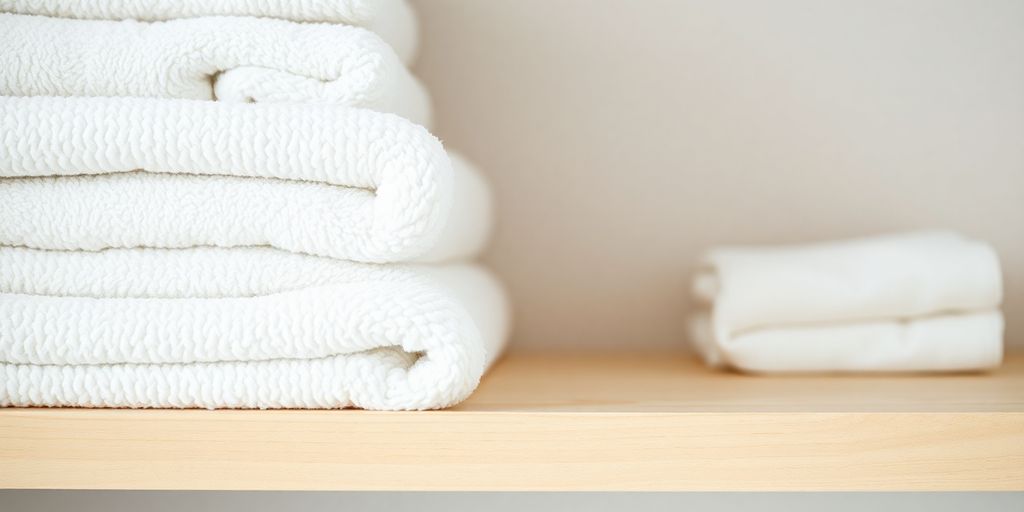
If you're particular about your towels, this is one area where you might want to pack some from home. Finding really good quality, thick, plush towels in Hong Kong can be surprisingly difficult and expensive. While you can find towels, the quality often isn't the same as what you might be used to, and international brands can cost a small fortune.
Some expats will even tell you to bring your own bed sheets and pillows for the same reason. If you're used to a certain level of comfort, it's often easier and cheaper to bring it with you.
Here's why bringing your own bath towels might be a good idea:
- Quality: Towels from home are likely to be of a higher quality and last longer.
- Cost: Buying international brands in Hong Kong can be very expensive.
- Availability: Finding the exact type of towel you like might be tricky.
So, if you love wrapping yourself in a super soft, absorbent towel after a shower, make sure to save some space in your luggage!
Conclusion
So, there you have it. Moving to a new place, especially somewhere as busy as Hong Kong, can feel like a lot. But with these tips, you're not just moving; you're getting ready to really live there. It's about more than just finding a flat or getting a job. It's about understanding the little things that make daily life work. Hong Kong is a special place, full of energy and surprises. It might seem a bit much at first, but you'll soon find your way. Just remember to be open to new things, and you'll be settled in before you know it. Good luck with your move!
Frequently Asked Questions
What is an Octopus card and why do I need one?
An Octopus card is a must-have for getting around Hong Kong. You can use it for the MTR (train system), buses, and even to buy things at shops like 7-Eleven. It makes daily life much easier.
Why should I keep my home credit card active?
It's a good idea to keep using your credit card from home, especially until you've set up your bank accounts in Hong Kong. Many expats find it useful for buying things online from their home country that aren't available here, or for paying bills back home.
Should I bring my electronics and household items?
It's best to bring your electronic goods and household items like toasters, lamps, and even your TV from home. The choice in Hong Kong can be limited, and these items are often much more expensive here. Just remember to check if your electronics are 220 voltage and if your TV system (like PAL or NTSC) is compatible.
Are bed sheets and towels worth bringing from home?
Many expats suggest bringing your own good quality bed sheets and plush towels. International brands for these items can be very pricey in Hong Kong, sometimes three or four times more expensive than back home.
What about baby formula?
If you have a favourite brand of baby formula, it's a good idea to check if it's available in Hong Kong before you move. There aren't many international brands stocked. However, you'll find plenty of other baby items like toys, clothes, and cots.
Is it worth bringing a lot of clothes?
While Hong Kong has lots of designer shops and street markets, affordable everyday clothes can be harder to find. There are some European high street brands, but not a huge variety. On the bright side, tailors are common and affordable, especially for men's shirts and suits.
Filed under
The Moveandstay editorial team writes about serviced living, workspaces, and city guides across Asia-Pacific.
Read next

Serviced Offices Surge in Popularity as Businesses Embrace Flexible Leasing
May 3, 2026

Hong Kong Serviced Apartment Market Buzzes with Sales and Investment Activity Amidst Shifting Valuations
May 3, 2026

ONYX Hospitality Group Elevates Shama Serviced Apartments with New Lifestyle Concept and Ambitious Expansion
Apr 26, 2026