
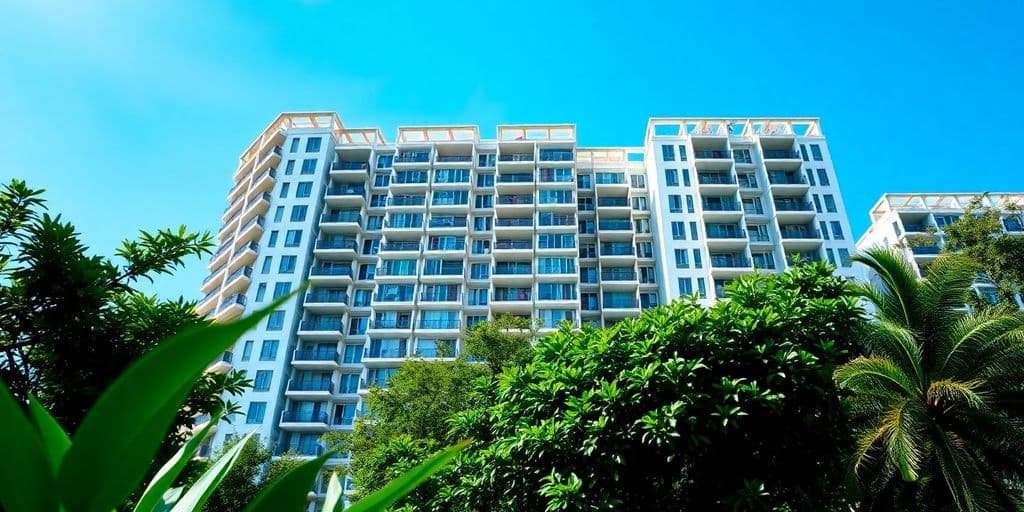
Renting a home in Singapore can be a bit of a maze, especially if you're new to the city. With various factors affecting the monthly rent in Singapore, it's important to understand what to expect. This guide will help you navigate the rental landscape, from understanding average prices to knowing what to consider before signing a lease.
Key Takeaways
- Monthly rent in Singapore varies widely based on location and property type.
- Setting a realistic budget is crucial to avoid overspending on rent.
- Always read the tenancy agreement carefully to know your rights and responsibilities.
- Expect additional costs like security deposits and utility bills when renting.
- Researching comparable properties can help you negotiate better rental rates.
Understanding Monthly Rent In Singapore
Factors Influencing Rental Prices
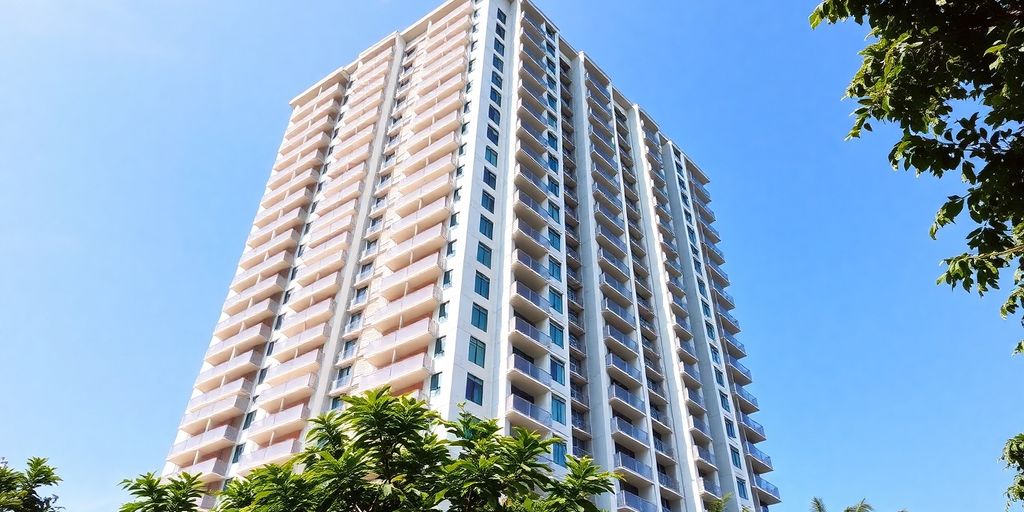
So, you're thinking about renting in Singapore? First things first, let's talk about what actually drives those rental prices up and down. It's not just about location, location, location (though that's a big part of it!). Several things come into play, and understanding them can help you make a smarter choice. The size of the property is a major factor.
- Location: Properties closer to the city centre or MRT stations usually command higher rents. Makes sense, right?
- Property Type: Condos generally cost more than HDB flats due to the facilities and amenities they offer.
- Size and Layout: Larger units with more bedrooms will naturally be pricier. Also, the layout can affect the price; a more functional layout might be worth more.
- Condition and Furnishings: A newly renovated, fully furnished place will cost more than an older, unfurnished one. Think about what you really need versus what you're willing to pay extra for.
- Market Conditions: Rental rates fluctuate based on supply and demand. If there are lots of available units, you might find better deals. Keep an eye on the market trends!
It's worth remembering that rental prices can be quite dynamic. What's considered a good deal today might not be tomorrow. Keep yourself informed and be ready to act when you find something that fits your needs and budget.
Types Of Properties Available
Singapore offers a range of rental options, each with its own pros and cons. Knowing what's out there is half the battle. You've got your HDB flats, condos, and landed properties. HDB flats are public housing, and they're generally more affordable. Condo rental rates tend to be higher, but you get access to facilities like swimming pools and gyms. Landed properties, like houses, are the most expensive and usually cater to families or those wanting more space. It's also worth noting that HDB flat sizes are more standardised, whereas condo sizes can vary quite a bit.
- HDB Flats: More affordable, located throughout the island, but fewer amenities.
- Condominiums: More expensive, offer facilities, often in prime locations.
- Landed Properties: Most expensive, offer the most space, often further from the city centre.
Average Rental Rates By District
Okay, let's get down to brass tacks: how much are we actually talking about? Rental rates vary significantly depending on the district. Living in the city centre will cost you a pretty penny, while suburban areas are generally more budget-friendly. Here's a rough idea, but remember that these are just averages, and actual prices can vary:
| District | Average Monthly Rent (1-Bedroom Condo) | Average Monthly Rent (3-Bedroom Condo) |
|---|---|---|
| Core Central Region | S$3,500 - S$5,000 | S$7,000 - S$10,000 |
| Rest of Central Region | S$2,800 - S$4,000 | S$5,000 - S$8,000 |
| Outside Central Region | S$2,200 - S$3,500 | S$4,000 - S$6,500 |
Keep in mind that these are just ballpark figures. Factors like the specific condo, its age, and its condition will all play a role. It's always a good idea to check online property portals for the most up-to-date listings and compare similar units in your desired area.
Key Considerations When Renting
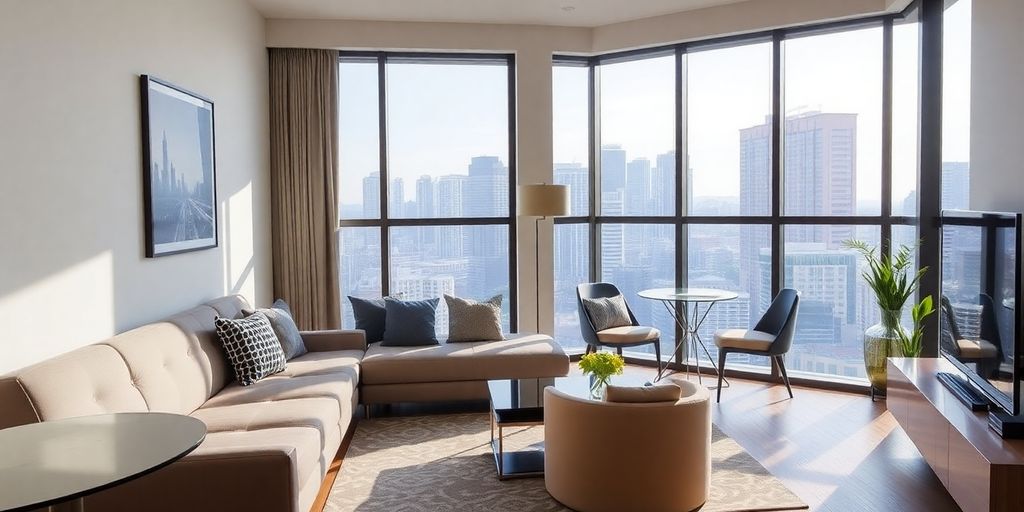
Renting in Singapore involves more than just finding a place that looks nice. It's about making smart choices that fit your lifestyle and budget. Let's break down some key things to think about before you sign that lease.
Setting A Realistic Budget
First things first, figure out what you can actually afford. Don't just look at the monthly rent; consider all the other costs that come with it. It's easy to get carried away when you see a place you love, but sticking to a budget will save you a lot of stress later on.
- Calculate your income: Know exactly how much money you have coming in each month.
- List your expenses: Include everything from food and transport to entertainment and existing debts.
- Factor in extra costs: Don't forget about things like utilities, internet, and potential agent fees.
Assessing Lifestyle Needs
Think about what's important to you in your daily life. Do you need to be close to work? Are you a foodie who wants to be near great restaurants? Do you have pets? These things will influence where you want to live and what kind of property you should be looking for. Some landlords may have restrictions on pets or smoking, so it's important to clarify these details upfront. If you're sharing a flat, understand the rules about using common areas, guest policies, and other shared living arrangements. These should be clearly stated in the Tenancy Agreement.
Evaluating Living Space Requirements
How much space do you really need? Singles often look for units around 500 to 600 sq ft, while families usually need at least 1,100 sq ft. Consider your belongings, hobbies, and whether you plan to work from home. Don't forget to account for things like wardrobe space, sports equipment, or musical instruments.
It's easy to underestimate how much space you need until you're actually living in a place. Take the time to measure your furniture and visualise how it will fit in different layouts. A smaller, well-organised space can often feel bigger than a larger, cluttered one.
Navigating The Rental Process
Viewing Properties Effectively
Okay, so you've found some places online that look promising. Now comes the fun part: actually seeing them! Don't just rock up and have a quick glance. Make a proper inspection.
- Be prepared with a checklist. Note down things like the condition of the walls, any existing damage, and whether the appliances work.
- Take photos of everything, especially any pre-existing damage. This is crucial for protecting your deposit later.
- Ask loads of questions. Don't be shy! Find out about the neighbours, the building's rules, and anything else that's important to you.
It's easy to get swept up in the excitement of a new place, but try to stay objective. View multiple properties and compare them carefully. Don't settle for the first place you see just because you're tired of looking.
Submitting A Letter of Intent
So, you've found 'the one'. What next? You'll usually need to submit a Letter of Intent (LOI). This isn't the legally binding document (that's the Tenancy Agreement), but it shows the landlord you're serious. It'll usually include:
- The rental price you're offering
- The lease duration
- Any specific requests (e.g., allowing pets)
Along with the LOI, you'll typically pay a "good faith deposit". This later becomes your security deposit. It's sometimes possible to skip the LOI and go straight to the Tenancy Agreement if the landlord agrees. If you're certain, push for it to save time. Remember to check the rental stamp duty before signing anything.
Understanding The Tenancy Agreement
The Tenancy Agreement (TA) is the most important document in the whole process. Read it very carefully before signing. Make sure everything you agreed upon in the LOI is included.
Here's what to look out for:
- Rental Amount and Payment Schedule: When is rent due, and how should you pay?
- Security Deposit: How much is it, and what are the conditions for its return?
- Maintenance Responsibilities: Who is responsible for what repairs? (Tenants are often responsible for air-con servicing, so watch out for that!)
- Break Clause: Can you end the lease early, and if so, what are the penalties?
Always ensure that the terms stated in the LOI match the TA, before you sign. There are contract templates available that are fair to all. It's also a good idea to check for existing home content insurance, though this usually only covers the landlord's property. Getting your own home insurance is a good idea, especially if you're renting an unfurnished place.
Additional Costs Associated With Renting
Renting a place in Singapore involves more than just the monthly rent. It's important to factor in these extra expenses to avoid any financial surprises. Let's break down the common additional costs you'll encounter.
Security Deposits Explained
Almost every landlord in Singapore will ask for a security deposit. This deposit is used to cover any damages to the property or if you break the lease agreement. While there aren't specific laws dictating the exact amount, it's generally one month's rent for each year of the lease. So, if you're renting for a year, expect to pay a one-month deposit. For shorter leases, like six months, it's usually half a month's rent. It's worth noting that landlords aren't required to hold your deposit in a trust or escrow account; they receive it directly. When you submit a Letter of Intent (LOI), you might also be asked for a good faith deposit, which then becomes part of your security deposit once the Tenancy Agreement (TA) is signed.
Utility Expenses To Anticipate
Beyond the rent, you'll need to budget for utilities. This includes:
- Electricity: This can vary depending on your usage, especially air conditioning.
- Water: Singapore has a water conservation tax, so be mindful of your consumption.
- Gas: If your apartment uses gas for cooking or heating water, factor this in.
- Internet: A necessity for most, so shop around for the best broadband deals.
It's a good idea to check if the landlord will cover any of these expenses. Sometimes, landlords can claim rental expenses like utilities as a tax deduction, provided tenants don't reimburse them directly. This could be a point to negotiate during lease discussions.
Agent Fees And Commissions
If you use a property agent to find your rental, there might be agent fees involved. In Singapore, it's common for the landlord to pay the commission if the rent is above a certain amount and the lease is for two years. However, for lower rental rates or shorter leases, you might need to pay a portion of the agent's commission. The service fees are negotiable. For rates of at least $3,500 a month and two-years lease, the landlord pays the commissions for both agents. You pay nothing. It's important to clarify this upfront to avoid surprises. Remember, in Singapore, a property agent cannot represent both tenant and landlord; you’ll have your own agent, the landlord will have theirs.
Don't forget to factor in other potential costs like stamp duty on the Tenancy Agreement, which is calculated based on the rental amount and lease duration. It's a small percentage, but it's still an expense to consider. Also, think about contents insurance to protect your belongings in case of damage or theft. While the landlord might have building insurance, it usually doesn't cover your personal items.
Strategies For Securing Better Rental Rates
Researching Comparable Properties
Doing your homework is key. Before you even start viewing places, spend some time online checking out similar properties in the area. Look at listings on various property portals to get a feel for the going rates. Pay attention to the size, condition, and amenities offered. This will give you a solid foundation for negotiations and help you spot overpriced listings a mile away. It's also worth checking the average monthly rental rate for the district you're interested in.
Negotiating Lease Terms
Don't be afraid to haggle! Everything is negotiable, from the monthly rent to the terms of the lease. If you're willing to sign a longer lease, you might be able to get a discount. You could also try negotiating on things like including utilities in the rent or getting the landlord to cover the cost of certain repairs. Remember, it never hurts to ask. Be polite but firm, and be prepared to walk away if you can't reach an agreement that works for you.
Considering Long-Term Rentals
If you're planning on staying in Singapore for a while, a long-term rental can be a great way to save money. Landlords often offer lower monthly rates for longer leases, as it provides them with stability and reduces the hassle of finding new tenants. Just make sure you're comfortable committing to the property for the duration of the lease, as breaking it can be costly. It's a good idea to sign only the minimum lease for your very first property, to get a sense of your surroundings.
Securing a better rental rate isn't just about finding the cheapest place; it's about finding the best value for your money. By doing your research, negotiating effectively, and considering all your options, you can find a rental that fits your budget and your lifestyle.
Living In Different Districts
Choosing where to live is a big deal. It's not just about the apartment itself, but also the neighbourhood and how it fits your lifestyle. Singapore has a tonne of different areas, each with its own vibe and set of perks. Let's take a look at what some of them offer.
City Centre Vs. Suburban Areas
Living in the city centre, like around Orchard or the CBD, means you're right in the thick of things. Everything is super convenient, from shopping to restaurants to nightlife. But, be prepared to pay a premium for that convenience. Rent is generally higher, and you might find apartments are smaller. Suburban areas, on the other hand, like Tampines or Yishun, offer more space for your money. It's quieter, more residential, and often has a more relaxed feel. The trade-off is that you'll likely need to commute further for work or entertainment.
Access To Amenities And Transport
Think about what's important to you in terms of amenities. Do you need to be near a supermarket that's open 24/7? Are you a foodie who wants a tonne of dining options? Or maybe you need to be close to good schools for your kids? Transport is another key factor. Living near an MRT station can make a huge difference in your daily commute. Some areas are also better served by buses than others. Consider how you'll be getting around and choose a location that makes it easy.
Community Vibes And Neighbourhoods
Every neighbourhood has its own unique character. Some are known for being family-friendly, with lots of parks and playgrounds. Others are more popular with young professionals, with trendy cafes and bars. Take some time to explore different areas and see which one feels like the right fit for you. Talk to people who live there, check out local events, and get a sense of the community. You can even find houses available for rent in different neighbourhoods to get a feel for the prices.
It's worth spending some time exploring different districts before making a decision. What looks good on paper might not feel right in person. Consider visiting during different times of the day and week to get a true sense of the neighbourhood's atmosphere.
Legal Aspects Of Renting In Singapore
Renting in Singapore, while generally straightforward, comes with its own set of legal considerations. It's important to be aware of your rights and responsibilities as a tenant to ensure a smooth and hassle-free experience. Let's take a look at some key aspects.
Understanding Tenant Rights
Tenants in Singapore have certain rights protected by law, although these aren't as extensive as in some other countries. A key right is the 'quiet enjoyment' of the property, meaning the landlord can't just barge in whenever they feel like it. Other rights include:
- The right to a habitable property, meaning it should be safe and in reasonable repair.
- The right to privacy, with landlords needing to give reasonable notice before entering the property (except in emergencies).
- Protection against unfair eviction, although this is largely governed by the terms of the tenancy agreement.
It's always a good idea to carefully read and understand your tenancy agreement before signing it. If anything is unclear, don't hesitate to seek legal advice. This can save you a lot of headaches down the line.
Lease Duration Regulations
In Singapore, there are some regulations around the minimum and maximum lease durations, depending on the type of property. For HDB flats, the minimum lease is six months, with a maximum of three years. For private properties, the minimum is three consecutive months. There's no daily or weekly leasing allowed. If you're new to Singapore, it might be wise to start with a shorter lease to get a feel for the area before committing long-term. You can check the taxable rental income with IRAS.
Dispute Resolution Mechanisms
Disputes between landlords and tenants can arise, and it's important to know how to resolve them. Common disputes involve security deposits, repairs, and breaches of the tenancy agreement. Here are some steps you can take:
- Communication: Try to resolve the issue amicably through direct communication with your landlord.
- Mediation: If direct communication fails, consider mediation. The Singapore Mediation Centre offers services to help resolve disputes peacefully.
- Small Claims Tribunal: For claims up to $20,000 (or $30,000 if both parties agree), you can file a claim with the Small Claims Tribunal. This is a relatively inexpensive and straightforward way to resolve disputes.
- Legal Action: As a last resort, you can take legal action through the courts. However, this can be costly and time-consuming, so it's best to explore other options first.
Wrapping Up Your Rental Journey in Singapore
So, there you have it. Renting in Singapore can be a bit of a maze, but it’s not impossible. Just keep your budget in check and think about what you really need in a home. Take your time to look around and don’t rush into anything. Remember to ask questions and clarify any doubts with your landlord or agent. The rental market here is pretty flexible, so don’t be afraid to negotiate a bit. And most importantly, make sure you’re comfortable with your choice. After all, this is where you’ll be living, so it should feel like home. Good luck with your search!
Frequently Asked Questions
What factors affect rental prices in Singapore?
Rental prices in Singapore can vary due to several reasons such as location, type of property, and the size of the unit. For example, apartments in the city centre are generally more expensive than those in suburban areas.
What types of properties can I rent in Singapore?
In Singapore, you can rent various types of properties including HDB flats, condominiums, and private apartments. Each type has different features and price ranges.
What should I include in my rental budget?
When setting your rental budget, consider not only the rent but also other costs like utilities, internet, and any potential agent fees. It's important to ensure you can afford these expenses.
How long is a typical lease in Singapore?
Most leases in Singapore range from six months to three years. For private properties, the minimum lease is usually three consecutive months.
What is a security deposit and how much is it?
A security deposit is a sum of money paid upfront to cover any damages or unpaid rent. Typically, it's equivalent to one month's rent for each year of the lease.
Can I negotiate my rental terms?
Yes, you can negotiate your rental terms, including the monthly rent and lease duration. It’s often possible to get a better deal, especially if you’re willing to sign a longer lease.
Planning a serviced apartment in Singapore? Read our complete guide: Serviced Apartments in Singapore — areas, brands & monthly prices.
The Moveandstay editorial team writes about serviced living, workspaces, and city guides across Asia-Pacific.
Read next

Serviced Offices Surge in Popularity as Businesses Embrace Flexible Leasing
May 3, 2026
Hong Kong Serviced Apartment Market Buzzes with Sales and Investment Activity Amidst Shifting Valuations
May 3, 2026

ONYX Hospitality Group Elevates Shama Serviced Apartments with New Lifestyle Concept and Ambitious Expansion
Apr 26, 2026