

If you're eyeing Shenzhen as your next home, understanding the monthly rent in Shenzhen is a key step. This bustling city, known for its vibrant tech scene and diverse culture, offers a range of accommodation options that can fit different budgets. However, the rental market can be a bit tricky to navigate, especially for newcomers. In this article, we'll break down everything you need to know about renting in Shenzhen, from average prices to tips for finding the best deals.
Key Takeaways
- Monthly rent in Shenzhen varies widely based on location and type of accommodation.
- Futian, Nanshan, and Luohu are the most popular districts for renters.
- Expect to pay between RMB 6,500 and RMB 8,000 for a decent-sized apartment.
- Utilities and transportation can add significantly to your monthly expenses.
- Researching online and negotiating can help you find more affordable rentals.
Understanding Monthly Rent In Shenzhen
Average Rental Prices
So, you're thinking about moving to Shenzhen? One of the first things on your mind is probably rent. Let's be real, it can be a bit of a minefield. The average rental price for a decent apartment in Futian District is around RMB 7,500, but that's just a starting point. You could find places for RMB 6,500 or splash out and pay RMB 8,000. These apartments are usually around 85 to 90 square metres. But, depending on the location and floor area, some apartments can cost RMB 30,000. In Nanshan District, you might find something for RMB 5,000 on average. A one-bedroom flat could be as low as RMB 1,200 per week, while a two-bedroom might set you back RMB 5,500. Three-bedroom apartments are a whole different ball game, costing around RMB 13,000 to 15,000. Luohu and Dongguan aren’t too different from the other districts.
Factors Influencing Rent
Loads of things affect how much you'll pay in rent. Location is a big one. Being close to the city centre or popular spots will definitely bump up the price. The size of the place matters, obviously, and so does the age and condition of the building. Newer buildings with fancy amenities will cost more. Transport links are important too. If you're near a metro station, expect to pay a premium. Landlords also play a role. Some are just looking to make a quick buck, while others are more reasonable.
Here's a quick rundown:
- Location, location, location!
- Size and layout of the apartment.
- Amenities (gym, pool, etc.).
- Proximity to public transport.
It's worth remembering that rental prices can fluctuate depending on the time of year. You might find better deals during the off-season. Also, don't be afraid to haggle a bit – it's common practise in China.
Comparative Costs with Other Cities
Shenzhen's living costs are manageable compared to Hong Kong. If you're looking at other Chinese cities, Shenzhen is probably on the higher end, but it's still cheaper than many Western cities. For example, basic utilities such as water, electricity, garbage disposal, heating and cooling can cost between $68 to $100. Data and unlimited internet has an average rate of $17. A basic meal can range from $5 to $10. While groceries each week can cost your up to $100. The monthly ticket for public transport is $20 while the basic tariff for 8 kilometres on taxi is $4.86. A furnished 45 m2 (480 sqft) furnished studio costs between $546 to $889. A 85 m2 (900 sqft) furnished accommodation runs at US $976 to $1,610. It's all relative, right?
Types Of Accommodation Available
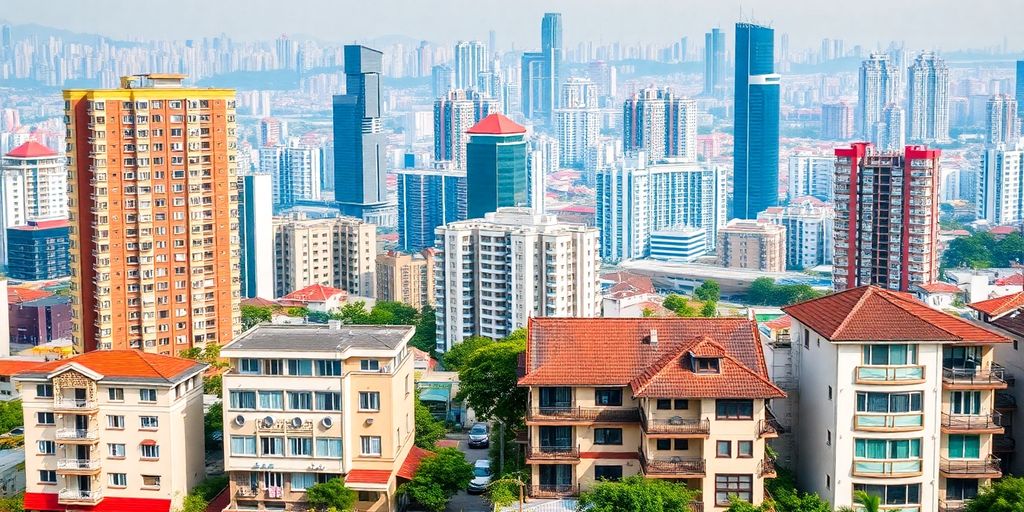
Shenzhen has a wide range of places to live, so you're bound to find something that suits you. From basic flats to fancy villas, there's a bit of everything. Let's have a look at what's on offer.
Furnished Apartments
Furnished apartments are a popular choice, especially if you're not planning on staying forever or don't want the hassle of buying furniture. These usually come with the basics: a bed, sofa, table, and maybe even some kitchen stuff. It's worth checking exactly what's included, as the quality and style can vary a lot. Some might be quite modern, while others could be a bit dated. Also, consider if the furniture suits your taste, as you'll be living with it for a while!
Studios and One-Bedroom Flats
These are great if you're living alone or as a couple. They're generally more affordable than larger places, and easier to manage. You'll find them in most parts of the city, but the size and layout can differ quite a bit. Some things to think about:
- How much storage space do you need?
- Is there enough natural light?
- Is the kitchen separate, or is it part of the living area?
Living in a smaller space can be great for saving money and keeping things simple. But it's important to make sure it feels comfortable and doesn't get too cramped. Think about how you'll use the space and whether it fits your lifestyle.
Luxury Villas and Houses
If you're after something a bit more special, Shenzhen has some amazing villas and houses. These are obviously at the higher end of the price range, but they offer a lot more space and privacy. You might find them in more secluded areas, away from the city centre. Here's what you can expect:
- Larger living areas and multiple bedrooms
- Private gardens or outdoor spaces
- High-end finishes and modern appliances
- Sometimes, even a swimming pool!
Finding the right accommodation can be tricky, but with a bit of research, you should be able to find something that fits your needs and budget. Don't forget to check out the best hotels in Shenzhen if you need a temporary place to stay while you're searching.
Key Districts For Renting
Shenzhen is a big place, and where you choose to live will seriously impact your experience. Each district has its own vibe, price range, and advantages. Let's break down some of the key areas to consider when you're on the hunt for a flat.
Futian District
Futian is basically Shenzhen's central business district. Think skyscrapers, corporate offices, and a fast-paced lifestyle. It's super convenient if you work in finance or commerce, but that convenience comes at a price. Expect higher rental costs here. You'll find a lot of modern apartments, great shopping, and easy access to public transport. It's a good choice if you want to be in the heart of the action, but maybe not the best if you're after peace and quiet.
Nanshan District
Nanshan is known as a tech hub, home to many innovative companies and startups. It's a bit more laid-back than Futian, with a younger, more international feel. You'll find a mix of modern apartments and older buildings, with rental prices generally a bit lower than Futian, but still on the higher side. Nanshan also boasts some nice parks and green spaces, making it a good option if you want a balance of work and leisure. The average rent in Nanshan District is RMB 5,000. It can get as low as RMB 1,200 per week for a 1 bedroom apartment, and as high as RMB 5,500 for a 2-bedroom apartment. A 3-bedroom apartment, however, is a different story, as it can cost around RMB 13,000 to 15,000.
Luohu District
Luohu is one of Shenzhen's oldest districts, and it has a different feel compared to the newer, more modern areas. It's a bit more traditional, with older buildings and a more local atmosphere. Rental prices in Luohu are generally lower than in Futian and Nanshan, making it a more affordable option. It's also well-connected to the rest of the city, with good public transport links. If you're looking for a more authentic Shenzhen experience and want to save some money on rent, Luohu could be a good choice. Don't expect the same level of modern amenities as in Futian or Nanshan, though. Consider the urban landscape when choosing a district.
Choosing the right district really depends on your priorities. Think about your budget, your lifestyle, and where you need to be for work or other commitments. It's worth spending some time exploring different areas before you make a decision.
Additional Living Costs To Consider
Beyond the monthly rent, it's important to factor in other expenses to get a realistic picture of your budget in Shenzhen. These costs can vary depending on your lifestyle and preferences, but here's a breakdown of what you can expect:
Utilities and Internet
Utilities typically include electricity, water, and gas. In Shenzhen, these can add up, especially during the hot summer months when air conditioning is essential. Internet access is also a must-have for most expats. Budgeting for utilities and internet is crucial for managing your monthly expenses.
- Electricity: Prices can fluctuate depending on usage, but expect to pay more during peak seasons.
- Water: Generally inexpensive, but costs can increase with higher consumption.
- Internet: A variety of providers offer different packages, so shop around for the best deal.
Transportation Expenses
Shenzhen has an excellent public transport system, including the metro and buses, which are relatively affordable. Taxis and ride-hailing services are also readily available, but they can be more expensive. If you plan to own a car, you'll need to factor in fuel, insurance, and parking fees. Consider using the metro and buses to save money.
- Metro: A convenient and cost-effective way to get around the city.
- Buses: An extensive network covers most areas, with fares being very reasonable.
- Taxis/Ride-hailing: Useful for shorter trips or when public transport isn't convenient, but can add up quickly.
Food and Groceries
Food costs can vary greatly depending on whether you prefer to eat out or cook at home. Local markets and supermarkets offer a wide range of fresh produce and ingredients at reasonable prices. Eating at local restaurants is generally cheaper than dining at Western-style establishments. Here's a rough guide:
- Local Markets: Great for fresh produce and local ingredients.
- Supermarkets: Offer a wider variety of imported goods, but prices may be higher.
- Restaurants: Local eateries are more affordable than Western-style restaurants.
It's worth noting that the cost of living in Shenzhen, while higher than some other Chinese cities, is still manageable compared to major Western cities. By carefully planning your budget and being mindful of your spending habits, you can enjoy a comfortable lifestyle without breaking the bank.
Navigating The Rental Process
Renting in a new city, especially one as dynamic as Shenzhen, can feel overwhelming. But with a bit of preparation, you can find a place that suits your needs and budget. Let's break down the key steps to make the process smoother.
Using Real Estate Agents
Real estate agents can be a great help, especially if you don't speak Mandarin. They can show you properties that fit your criteria and help with negotiations. However, remember that they work on commission, so it's wise to do your own research too. A good agent will understand your needs and present suitable options efficiently.
- Check the agent's credentials and reputation. Ask for references or look for online reviews.
- Be clear about your budget and requirements from the start.
- Don't feel pressured to make a decision quickly. Take your time to view multiple properties.
Understanding Lease Agreements
Before signing anything, carefully read the lease agreement. It should outline the rent amount, payment schedule, deposit, and any rules or restrictions. If you don't understand something, ask for clarification or seek legal advice. It's also a good idea to have a bilingual contract to avoid misunderstandings.
It's important to understand that Chinese tenant law often favours the landlord. There are no specific laws around rental discrimination, price fixing, or deposit amounts. Most contracts will aim for friendly dispute resolution rather than legal action. Make sure your new apartment is registered as a rental property, as expats are usually required to register their residence with the local government.
Common Rental Terms
Familiarise yourself with common rental terms to avoid confusion. Here are a few examples:
- 押金 (yājīn): Deposit
- 月租 (yuèzū): Monthly rent
- 合同 (hétong): Contract
It's also common to pay a deposit of one to three months' rent, and rent is often paid quarterly or bi-annually. Don't be afraid to negotiate rent prices – it's a common practise, and landlords may be willing to offer a discount, especially if you're a reliable tenant.
Tips For Finding Affordable Rentals
Researching Online Listings
Finding a decent place without breaking the bank in Shenzhen can feel like a mission, but it's doable. Start by hitting the web hard. There are loads of sites where landlords and agents post properties. Dig deep, don't just stick to the first page of results. Look beyond the obvious choices. Some sites are better than others, so try a few different ones to get a good overview of what's available. You might even find some hidden gems that way. It's worth checking out property rentals in different areas to get a feel for prices.
Negotiating Rent Prices
Don't be shy about haggling. It's pretty common to try and get the rent down a bit, especially if you're planning on staying for a while. Landlords often expect you to negotiate, so they might have priced the place a little higher to start with. Point out any flaws you see in the apartment – a bit of wear and tear, outdated appliances, whatever. If you can show them why the place isn't worth the asking price, they might be more willing to budge. Also, if you're willing to sign a longer lease, you might be able to get a better deal.
Remember, everything is negotiable. Landlords want to keep their properties occupied, so they're often willing to work with you to find a price that works for both of you. Be polite but firm, and don't be afraid to walk away if you can't reach an agreement.
Avoiding Common Pitfalls
There are a few things to watch out for when you're hunting for a cheap rental.
- First, be wary of deals that seem too good to be true. If the rent is way lower than similar properties in the area, there's probably a catch.
- Second, always check the fine print of the lease agreement. Make sure you understand all the terms and conditions before you sign anything.
- Third, be careful about paying large sums of money upfront. It's normal to pay a deposit and maybe the first month's rent, but if a landlord is asking for several months' rent in advance, that's a red flag.
- Finally, make sure the apartment is in good condition before you move in. Take photos of any existing damage, so you don't get charged for it when you move out. It's also worth knowing some common rental terms to help you understand the rental market.
Living As An Expat In Shenzhen

Moving to a new country is always a big deal, and Shenzhen is no exception. It's a vibrant, modern city, but it's also very different from what many expats are used to. From cultural differences to navigating the legal stuff, there's plenty to consider. Let's break down some key aspects of expat life in Shenzhen.
Cultural Adjustments
Okay, so you've landed in Shenzhen. First thing you'll notice? It's busy. Really busy. The pace of life is fast, and things move quickly. Here are a few things to keep in mind:
- Language Barrier: While many younger people speak some English, don't expect everyone to. Learning even basic Mandarin phrases will make your life a lot easier. Apps like Pleco are lifesavers.
- Food Culture: Get ready for a culinary adventure! Shenzhen has amazing food, but it can be very different. Be open to trying new things, and don't be afraid to ask what's in a dish. Chopsticks are your friends, and tea is a big deal.
- Social Interactions: "Guanxi" (relationships) are important in Chinese culture. Building strong connections can help you in both your personal and professional life. Be respectful, patient, and willing to invest time in getting to know people.
It's easy to feel overwhelmed at first, but remember that everyone goes through an adjustment period. Embrace the challenges, be open-minded, and don't be afraid to ask for help. The more you immerse yourself in the culture, the easier it will become.
Community and Support Networks
One of the best ways to settle into Shenzhen is to find your tribe. Luckily, there are plenty of expat communities and support networks available. These groups can provide a sense of belonging, offer practical advice, and help you navigate the ups and downs of living abroad. Here's how to find them:
- Online Forums and Groups: Platforms like InterNations and WeChat groups are great for connecting with other expats. You can find information about events, ask questions, and share experiences.
- Social Events and Meetups: Keep an eye out for expat gatherings, sports clubs, and cultural events. These are fantastic opportunities to meet new people and build friendships. Check out local listings or ask around in expat communities.
- Networking Through Work: If you're working in Shenzhen, your colleagues can be a valuable source of support and information. Don't hesitate to reach out and build relationships with them.
Legal Requirements for Expats
Dealing with visas and paperwork can be a headache, but it's a necessary part of living in Shenzhen legally. Here's a quick rundown of the key requirements:
- Visa: Make sure you have the correct visa for your purpose of stay (work, study, etc.). The most common types are Z visas (work visas) and student visas. The visa application process can be complex, so it's best to start early and seek professional advice if needed.
- Residence Permit: Once you have a visa, you'll need to apply for a residence permit. This allows you to live and work in Shenzhen for an extended period. You'll need to provide various documents, including your passport, visa, and proof of accommodation.
- Registration with Local Police: Within 24 hours of arriving in Shenzhen, you're required to register with the local police station. This is a simple process, but it's important to do it to avoid any issues later on. You'll need to provide your passport and proof of address.
It's always a good idea to stay up-to-date with the latest regulations and seek professional advice if you're unsure about anything. The residence permit is essential for long-term stays. Remember that the average monthly rent for an 85 m² furnished apartment is 7,900元, so plan your finances accordingly.
Final Thoughts on Renting in Shenzhen
So, there you have it. Renting in Shenzhen can be a bit of a mixed bag. Prices vary quite a lot depending on where you look and what you want. If you’re after something central, be prepared to pay more. But if you’re willing to venture a bit further out, you might snag a decent deal. Just remember to do your homework and maybe avoid those flashy ads that promise the world. And don’t forget about the other costs, like food and transport, which can add up quickly. Overall, with a bit of patience and research, you can find a place that suits your needs without breaking the bank.
Frequently Asked Questions
What is the average monthly rent in Shenzhen?
The average rent for a decent apartment in Shenzhen ranges from about RMB 6,500 to RMB 8,000, depending on the area and size.
What factors affect rental prices in Shenzhen?
Rental prices can vary based on location, the size of the apartment, and whether it is furnished or not.
How does Shenzhen's rent compare to other cities?
While rent in Shenzhen is higher than in many other Chinese cities, it is still more affordable than in places like Hong Kong.
What types of accommodation are available?
In Shenzhen, you can find various options such as furnished apartments, studios, one-bedroom flats, and luxury villas.
What additional costs should I consider when renting?
Besides rent, you should budget for utilities, internet, transportation, and groceries.
How can I find affordable rentals in Shenzhen?
To find good deals, research online listings, negotiate prices, and avoid common rental traps.
The Moveandstay editorial team writes about serviced living, workspaces, and city guides across Asia-Pacific.
Read next

Serviced Offices Surge in Popularity as Businesses Embrace Flexible Leasing
May 3, 2026
Hong Kong Serviced Apartment Market Buzzes with Sales and Investment Activity Amidst Shifting Valuations
May 3, 2026

ONYX Hospitality Group Elevates Shama Serviced Apartments with New Lifestyle Concept and Ambitious Expansion
Apr 26, 2026