
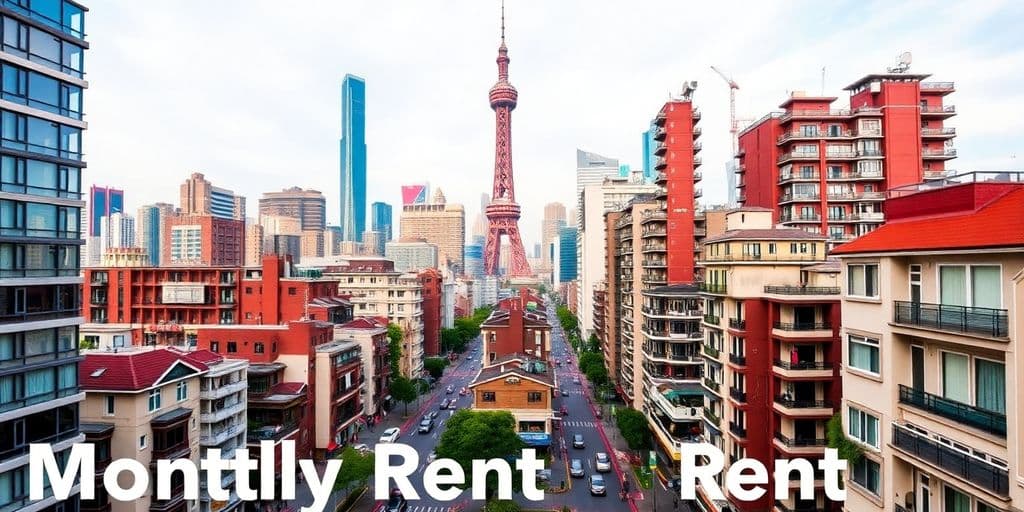
If you're thinking about living in Shanghai, understanding the monthly rent in Shanghai is crucial. This city is known for its vibrant lifestyle and rich culture, but finding the right place to live can be a bit overwhelming. In this guide, we’ll break down everything you need to know about renting in this bustling metropolis, from average prices to types of accommodation and tips for navigating the rental market.
Key Takeaways
- Monthly rent in Shanghai can vary widely based on location and type of accommodation.
- On average, a one-bedroom apartment in the city centre costs around ¥6,900 (about $1,000) per month.
- Be prepared for additional costs like housing fees and utilities when renting.
- Using real estate agents or online platforms can streamline your apartment search.
- Understanding your rights and the rental contract is essential for a smooth renting experience.
Understanding Monthly Rent In Shanghai

Average Rental Prices
So, you're thinking about renting in Shanghai? Let's talk money. The average rental price can vary wildly depending on location, size, and quality. You'll find that prices are generally higher closer to the city centre. For example, a one-bedroom apartment in the heart of Shanghai might set you back anywhere from RMB 5,000 to RMB 12,000 per month. Venture further out, and you could find something similar for RMB 3,000 to RMB 6,250. Keep in mind that larger apartments naturally command higher rents; a three-bedroom flat in the centre could easily cost between RMB 15,000 and RMB 32,000. Outside the centre, that same size apartment might range from RMB 6,500 to RMB 16,000. It's a big range, I know, but that's Shanghai for you.
Factors Influencing Rent
Several things affect how much you'll pay each month. Location is a big one, as I mentioned. But it's not just about being in the city centre. Specific districts like the Bund, Pudong, and the French Concession are known to be pricier. The size of the apartment matters, of course, but so does the building itself. A modern high-rise with amenities will cost more than an older walk-up. The condition of the apartment, including furniture and renovations, also plays a role. Finally, don't forget about the floor. Higher floors often come with a premium. When looking at apartments for rent, consider these factors to understand the pricing.
Comparative Costs with Other Cities
Shanghai is known to be an expensive city, but how does it stack up against other major global hubs? Well, compared to cities like London or New York, Shanghai can be slightly more affordable in some areas, especially if you're willing to live a bit further from the centre. However, it's generally more expensive than many other cities in Asia, such as Bangkok or Kuala Lumpur. Keep in mind that while the rent itself might be comparable, other costs like transportation and food can also impact your overall cost of living. It's worth doing some research to compare Shanghai's cost of living with your current or other potential locations.
Renting in Shanghai can be a bit of a puzzle. It's not just about finding a place; it's about understanding the market, knowing what to expect, and being prepared for the costs involved. Take your time, do your research, and don't be afraid to ask questions. With a bit of effort, you can find a great place to call home without breaking the bank.
Types Of Accommodation Available
Shanghai offers a diverse range of accommodation to suit different needs and budgets. From modern apartments to traditional homes, there's something for everyone. Let's explore the main types of housing you'll find.
Apartments In The City Centre
City centre apartments are popular, especially with expats and professionals. These apartments offer convenience and easy access to amenities, transport links, and entertainment. However, they often come with a higher price tag. You'll find a mix of older buildings and newer developments, with varying sizes and layouts. Many are fully furnished, making them ideal for short-term stays. If you're looking for vacation rentals in a prime location, this is a good option.
Traditional Homes In Historic Areas
For a taste of old Shanghai, consider renting a traditional home in historic areas like the French Concession. These properties often feature unique architectural details and a sense of character. However, they may lack some of the modern conveniences found in newer apartments. Be prepared for smaller living spaces and potentially higher maintenance costs. These homes can offer a unique living experience, but it's important to weigh the pros and cons.
New Developments And High-Rises
Shanghai is known for its modern skyline, and new developments and high-rises are constantly emerging. These buildings typically offer state-of-the-art facilities, such as gyms, swimming pools, and 24-hour security. Apartments in these developments tend to be spacious and well-designed, but they can be expensive. They're often located in up-and-coming areas, offering a blend of convenience and modern living.
When choosing accommodation, consider your lifestyle, budget, and priorities. Think about factors like location, size, amenities, and proximity to work or school. Don't be afraid to explore different options and ask plenty of questions before making a decision.
Cost Breakdown Of Renting
Monthly Rent Estimates
Okay, so let's talk numbers. Figuring out how much rent you'll actually pay each month in Shanghai can be tricky. It's not just the advertised price you see online. You've got to factor in a bunch of other stuff too. The average rent for an 85m² furnished apartment is around 8,571元, but this can change wildly depending on location and apartment quality.
To give you a better idea, here's a rough breakdown:
- City Centre Apartment (1 bedroom): 8,000 - 15,000 元 per month
- Suburban Apartment (2 bedrooms): 6,000 - 12,000 元 per month
- Luxury Apartment (3 bedrooms): 15,000+ 元 per month
Additional Housing Fees
On top of the monthly rent, there are other housing fees you need to consider. These can include management fees, which cover the cost of building maintenance, security, and cleaning. These fees can range from 250 to 800 元 per month for an 85m² flat. It's important to clarify what these fees cover before you sign a lease. Don't be afraid to ask questions and get everything in writing. Also, be aware that some landlords may ask for rent to be paid a few months in advance, so you might need to budget for upfront costs.
Utilities And Internet Costs
Don't forget about utilities! These can add a significant chunk to your monthly expenses. Expect to pay for:
- Electricity: Varies greatly depending on usage, but budget around 300-800 元 per month.
- Water: Usually around 50-150 元 per month.
- Gas: If you have gas for cooking or heating, budget around 100-300 元 per month.
- Internet: A decent broadband connection will cost around 100-200 元 per month.
It's easy to overlook these costs when you're initially apartment hunting, but they can quickly add up. Make sure you factor them into your budget to avoid any nasty surprises. Also, check if any utilities are included in your rent, as this can save you some money.
Navigating The Rental Market

Using Real Estate Agents
Using a real estate agent in Shanghai can be a good move, especially if you're new to the city or don't speak Mandarin. They can help you find properties that match your criteria and negotiate on your behalf. However, it's important to choose an agent carefully. Not all agents are created equal, and some may be more interested in earning a commission than finding you the perfect place. It's worth checking online reviews and asking for recommendations from other expats. Also, be aware that agents typically charge a commission, usually equivalent to one month's rent, so factor that into your budget.
Online Platforms For Apartment Hunting
These days, there are loads of online platforms for finding apartments in Shanghai. Sites like SmartShanghai are popular, and you can also find listings on WeChat groups. These platforms can be a great way to get a feel for the market and see what's available in different areas.
Here's what I'd do:
- Browse listings to get an idea of prices and apartment types.
- Use philtres to narrow down your search based on your budget, location, and desired amenities.
- Be wary of listings that seem too good to be true – they probably are!
I remember when I first moved to Shanghai, I spent hours scrolling through apartment listings online. It was overwhelming at first, but it helped me get a sense of what I could afford and where I wanted to live. Just be prepared to do some serious sifting to find the gems.
Common Rental Practises
Renting in Shanghai has some quirks you should know about. For starters, be prepared to pay a deposit, usually one or two months' rent. Landlords will often ask for rent to be paid quarterly, although you might be able to negotiate monthly payments. It's also common to have to deal with agents, who can be helpful but also add to the cost. Make sure you understand the terms of the lease agreement before you sign anything, and don't be afraid to ask questions. Also, it's important to check the landlord's credentials before signing anything.
Here's a quick rundown of typical costs:
| Item | Cost |
|---|---|
| Deposit | 1-2 months' rent |
| Rent | Varies widely based on location/size |
| Agent Fee | Usually one month's rent |
| Utilities | Variable, depends on usage |
Tips For Renting In Shanghai
Negotiating Rent Prices
Don't just accept the first price you're given! Negotiating is a common practise in Shanghai's rental market. Landlords often expect some back-and-forth. Be polite but firm, and don't be afraid to walk away if you can't reach an agreement. You might be surprised at how much you can save. Consider these points when negotiating:
- Research comparable properties in the area to understand the average market rate. This gives you leverage.
- Highlight any drawbacks of the property, such as outdated appliances or needed repairs.
- Be prepared to offer a slightly lower price than you're willing to pay, leaving room for negotiation.
Remember, the rental market can fluctuate, and landlords are often keen to secure a tenant quickly. Timing can be everything – negotiating during off-peak seasons might give you an advantage. Also, having your paperwork ready and being decisive can show the landlord you're a serious and reliable tenant, potentially leading to a better deal.
Understanding Lease Agreements
Before you sign anything, read the lease agreement very carefully. It's crucial to understand all the terms and conditions. If you don't read it, you might end up with rental apartments in Shanghai that don't suit you. Don't hesitate to ask for clarification on anything you're unsure about. Here are some key things to look out for:
- Payment Terms: Understand when rent is due, how it should be paid, and what the penalties are for late payments.
- Break Clause: Check if there's a break clause that allows you to terminate the lease early under certain conditions.
- Maintenance Responsibilities: Clarify who is responsible for repairs and maintenance, and what the process is for reporting issues.
Preparing For Upfront Costs
Renting in Shanghai usually involves significant upfront costs. Be prepared to pay a deposit, typically one to three months' rent, as well as the first month's rent in advance. You might also need to factor in agency fees if you're using a real estate agent. Here's a rough breakdown:
| Cost Component | Typical Amount |
|---|---|
| Security Deposit | 1-3 months' rent |
| First Month's Rent | 1 month's rent |
| Agency Fee | Usually one month's rent, split between tenant and landlord. However, on platforms like SmartShanghai, there is full transparency and often multiple agencies post the same apartment, which makes it impossible for them to artificially ramp up the price beyond the Landlord's asking price. |
| Utilities Deposit | Varies, but budget around RMB 500-1000 |
Remember to factor these costs into your budget to avoid any surprises. Also, if your company reimburses you for the exorbitant rent in Shanghai, you will need to ask for a Fapiao (发票) from your landlord. Do expect to pay between 3%-5% fee on the Fapiao you are requesting.
Popular Districts For Renters
Choosing where to live in Shanghai can feel overwhelming, but it's also exciting! Different districts offer different vibes and cater to various lifestyles. It's not just about the rent; it's about finding a place that feels like home. Let's explore some popular options.
Expensive Areas To Consider
If you're looking for a premium experience and don't mind paying a bit more, certain districts are known for their higher rental costs. Areas like Jing'An, Xuhui, and Huangpu are prime locations, often favoured by expats. These districts boast a mix of historical charm and modern amenities, with easy access to shopping, dining, and entertainment. The Former French Concession, nestled within Xuhui and Huangpu, is particularly desirable for its tree-lined streets and colonial architecture. Of course, this comes at a price, and you'll likely find yourself paying a premium for the location and lifestyle. Consider your budget carefully before setting your heart on these areas.
Affordable Neighbourhoods
Shanghai doesn't have to break the bank! Plenty of neighbourhoods offer more affordable rental options without sacrificing convenience. Border districts, located a few subway stops away from the city centre, can provide excellent value for money. You might find yourself with more space or a newer apartment for the same price as a smaller place in a central location. Don't be afraid to explore areas slightly further out; Shanghai's efficient public transport system makes commuting relatively easy. Plus, you might discover hidden gems and a more local atmosphere. Consider checking out areas in Putuo for more affordable options.
Emerging Districts
Keep an eye on Shanghai's emerging districts! These areas are undergoing rapid development and offer a blend of affordability and potential. They might not have the established infrastructure of the central districts, but they often boast newer buildings, modern amenities, and a sense of community. Living in an emerging district can be an exciting experience, allowing you to witness the city's growth firsthand. Plus, you might snag a great deal on rent before prices start to rise. Consider exploring areas in the Pudong New Area Pudong New Area for potential opportunities.
Finding the right neighbourhood is a personal journey. Consider your priorities, budget, and lifestyle when making your decision. Don't be afraid to explore different areas and talk to locals to get a feel for the vibe. With a bit of research, you're sure to find the perfect place to call home in Shanghai.
Legal Considerations When Renting
Verifying Landlord Credentials
It's super important to make sure the person you're renting from actually owns the place. I mean, you don't want to end up in a situation where you're paying rent to someone who has no right to collect it! Always ask to see their ID card (身份证, shenfen zheng) and the property title (房产证, fangchan zheng). Check that the names match up. If something seems off, trust your gut and maybe walk away. It's better to be safe than sorry. You can also check property certificate closely before signing.
Understanding Rental Contracts
Okay, so the rental contract – this is where things can get a bit tricky. Make sure you read the whole thing carefully, and I mean really carefully. Don't just skim it! It’s crucial that you understand everything that was being discussed and that all the points are clearly spelled out on paper, in English. Pay special attention to the clauses about rent payment (how much, when, how), deposit amount, length of the lease, and what happens if you need to break the lease early. If there's anything you don't understand, ask for clarification – don't be shy! It's better to ask now than to have a nasty surprise later. Some of the things to check off on the contract are size of the apartment, payday, monthly rent, contract length and any additional terms you negotiated (such as if the landlord agreed to pay for management fees).
Tenant Rights In Shanghai
Tenant rights in China can be a bit of a grey area, to be honest. Overall, Chinese tenant law heavily favours the landlord. There are no laws around rental discrimination, price fixing or deposit amounts, and most contracts will call for friendly dispute management instead of legal action. It's not like back home where there are tonnes of laws protecting tenants. That said, there are a few things you should know:
- Make sure your apartment is registered as a rental property. Expats typically have to register where they’re living, which means you and your landlord both need to register the property.
- Get everything in writing. Verbal agreements don't really count for much here.
- Be aware that landlords often ask for several months' rent upfront (like, three months!).
It's always a good idea to have a local friend or a lawyer look over your contract before you sign it, just to be on the safe side. They might spot something you missed and save you a lot of trouble down the line.
Final Thoughts on Renting in Shanghai
So, there you have it. Renting in Shanghai can be a bit of a rollercoaster, but with the right info, you can make it work. Keep in mind the average costs, the areas you want to live in, and don’t forget to check out the property management. It’s all about finding a balance between what you want and what you can afford. Remember, it’s not just about the rent; think about the extra costs too. If you plan ahead and do your research, you’ll find a place that feels like home in this bustling city. Good luck with your search!
Frequently Asked Questions
Is Shanghai an expensive city to live in?
Yes, Shanghai is the most costly city in China, but when compared to cities like Hong Kong or Singapore, it is more affordable.
How much of my salary should I spend on rent?
It's a good idea to keep your rent around 30% of your monthly income.
What are the best areas to live in Shanghai?
Popular areas include the Former French Concession for its charm, and districts like Pudong for modern living.
What types of accommodation can I find in Shanghai?
You can find a variety of options, from city centre apartments to traditional homes and new high-rise buildings.
What additional costs should I expect when renting?
Besides rent, you should budget for housing fees, utilities, and internet costs.
How can I find an apartment in Shanghai?
You can use real estate agents, online platforms, or local listings to find available rentals.
The Moveandstay editorial team writes about serviced living, workspaces, and city guides across Asia-Pacific.
Read next

Serviced Offices Surge in Popularity as Businesses Embrace Flexible Leasing
May 3, 2026
Hong Kong Serviced Apartment Market Buzzes with Sales and Investment Activity Amidst Shifting Valuations
May 3, 2026

ONYX Hospitality Group Elevates Shama Serviced Apartments with New Lifestyle Concept and Ambitious Expansion
Apr 26, 2026