
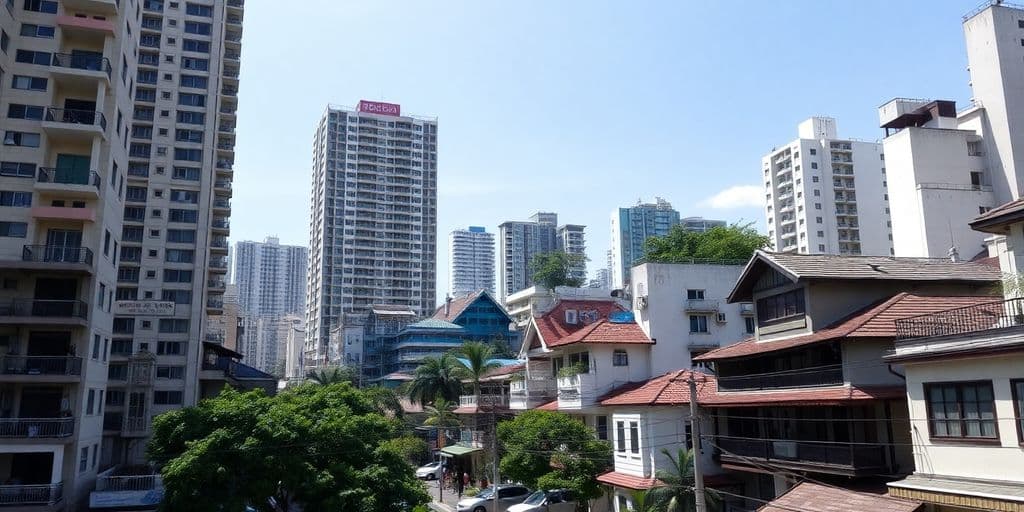
Thinking about renting in Manila? The city offers a vibrant lifestyle, but understanding the rental market is key to making the right choice. With a mix of modern amenities and rich culture, it can be a great place to call home. This guide covers everything you need to know about monthly rent in Manila, from types of properties to budgeting and local customs.
Key Takeaways
- Monthly rent in Manila varies significantly by location and type of property.
- It's essential to consider additional costs like utilities and association fees when budgeting.
- Research the area for safety and accessibility to amenities before choosing a location.
- Engage with trustworthy real estate agents to simplify the rental process and avoid scams.
- Understanding local customs can help you settle in and build good relationships with neighbours.
Understanding Monthly Rent In Manila
Factors Influencing Rent Prices
Several things affect how much you'll pay for rent in Manila. Location is a big one – expect to pay more in central business districts like Makati or Bonifacio Global City (BGC). The size of the property also matters, obviously, with larger apartments or houses costing more. Other factors include the condition of the property, any included amenities (like a gym or swimming pool), and how new the building is. Demand also plays a role; if lots of people want to live in a certain area, prices will likely be higher. It's worth doing your research to understand these factors and find a place that fits your budget and needs. For example, you can explore apartments available for rent in different locations to get a sense of pricing.
Average Rent Prices by Area
Rent prices in Manila can vary quite a bit depending on the area. Generally, you'll find that areas closer to the city centre and business districts command higher prices. Here's a rough idea:
- Makati: Known for its upscale vibe, expect to pay a premium here.
- Bonifacio Global City (BGC): Similar to Makati, BGC is modern and expensive.
- Ortigas: A major business district, but potentially slightly more affordable than Makati or BGC.
- Quezon City: A large residential area with a wider range of prices, generally more affordable than the above.
- Manila (proper): Prices can vary greatly depending on the specific neighbourhood.
Keep in mind these are just general guidelines, and actual prices can vary based on the specific property. It's always a good idea to check online listings and compare prices in different areas.
Long-Term vs Short-Term Rentals
Deciding between a long-term and short-term rental in Manila depends on your circumstances. Long-term rentals (typically 6 months or longer) usually require a deposit and offer more stability. You'll likely have to sign a contract and might have more flexibility in terms of decorating or making small changes. Short-term rentals, on the other hand, are more flexible and often come furnished, but they tend to be more expensive per month. They're a good option if you're only staying in Manila for a few months or if you're not sure where you want to settle down. Consider these points when making your decision:
- Length of stay: How long do you plan to be in Manila?
- Budget: How much can you afford to spend on rent each month?
- Flexibility: Do you need the option to move quickly?
- Furnishings: Do you need a furnished apartment, or are you bringing your own furniture?
Choosing the right rental agreement is important. Make sure you understand the terms and conditions before signing anything. Pay attention to things like the deposit amount, payment schedule, and any restrictions on pets or guests.
Types Of Rental Properties Available
Manila offers a diverse range of rental properties to suit different needs and budgets. From compact city living to more spacious suburban options, you'll find something that fits. Let's explore the common types available.
Apartments and Condominiums
Apartments and condominiums are probably the most common types of rental properties you'll find in Manila. Apartments are generally simpler, often found in smaller buildings, and can range from studios to multi-bedroom units. Condominiums, on the other hand, are usually located in high-rise buildings and come with a bunch of amenities. Think swimming pools, gyms, and sometimes even concierge services. Renting a condo can feel more like a lifestyle choice because of these extra perks. Both are great if you want to be close to the city centre and its conveniences.
Houses and Townhouses
If you're after more space and privacy, houses and townhouses might be a better fit. You can find houses in various sizes, from small bungalows to larger multi-story homes. They're often located a bit further from the central business districts, which can mean a quieter environment. Townhouses offer a middle ground, often sharing walls with neighbours but still providing more space than an apartment. Consider rental properties in Parañaque if you're looking for houses or townhouses with good accessibility.
Shared Accommodations
For those on a tight budget, shared accommodations, like bed spaces, are a popular option. This usually involves sharing a room in an apartment or house with other people. It's a very economical way to live, and it can be a good way to meet new people, especially if you're new to the city. Of course, it also means less privacy and the need to be considerate of your roommates.
Living in shared accommodation can be a great way to save money, but it's important to set clear expectations with your housemates from the start. Discuss things like cleaning schedules, noise levels, and guest policies to avoid any misunderstandings down the line.
Choosing The Right Location
Choosing where to live in Manila is a big deal. It's not just about finding a place; it's about finding the right place for you. Manila is a huge, sprawling city, and each area has its own vibe, advantages, and disadvantages. You really need to think about what matters most to you before you start your search.
Proximity To Work and Amenities
Okay, let's be real: Manila traffic is legendary. Living close to your workplace or school can save you hours each day. Think about it – those hours stuck in traffic could be spent doing things you actually enjoy! But it's not just about work or school. You also need to consider access to essential amenities. Are there supermarkets nearby? What about hospitals or clinics? How about parks or recreational facilities? These things can really impact your quality of life. For example, top places to live in the Philippines are often chosen based on their proximity to essential services.
Here's a quick checklist to consider:
- Commute time to work/school
- Distance to supermarkets and grocery stores
- Availability of healthcare facilities
- Access to parks and recreational areas
- Proximity to banks and ATMs
Safety and Security Considerations
Safety is paramount, no matter where you live. When you're looking at potential rental locations, take the time to assess the safety of the neighbourhood. Are there well-lit streets? Are there security guards or security systems in place? Talk to people who live in the area and get their perspective on safety. It's also worth checking crime statistics for different neighbourhoods to get a better understanding of the risks involved. Peace of mind is priceless, so don't compromise on safety.
Lifestyle Fit and Community
Think about your lifestyle and what you enjoy doing in your free time. Are you a foodie who loves trying new restaurants? Do you prefer a quiet, residential area, or do you want to be in the heart of the action? Do you want to be near condominiums? Consider the community and the people who live there. Do you feel like you would fit in? Are there opportunities to connect with others and build relationships? Your surroundings can have a big impact on your overall happiness and well-being.
Choosing the right location is more than just finding a place to sleep. It's about finding a community where you feel safe, comfortable, and connected. It's about finding a place that supports your lifestyle and allows you to thrive. Take your time, do your research, and choose wisely.
Budgeting For Your Rental
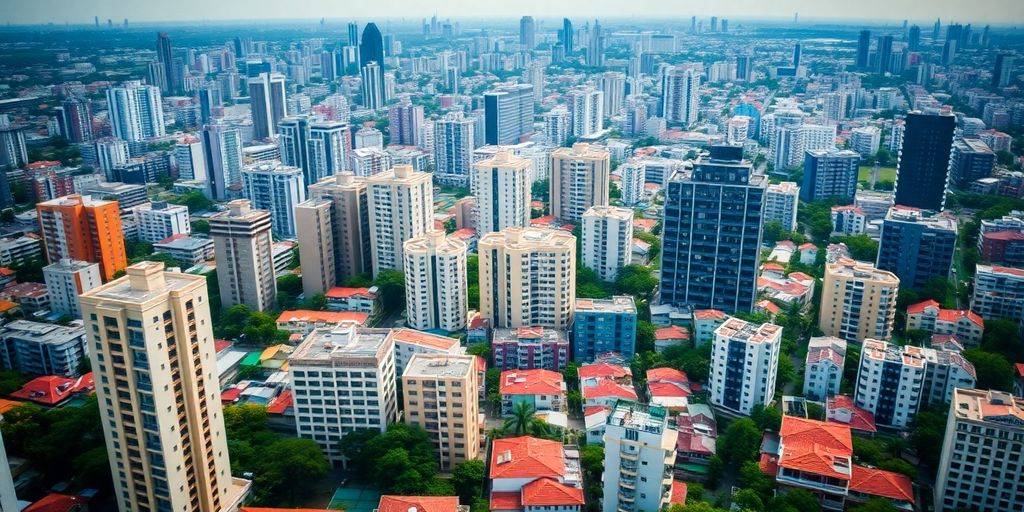
Understanding Additional Costs
Okay, so you've found a place that seems perfect. Great! But the monthly rent isn't the only thing you need to think about. There are always extra costs that can sneak up on you if you're not careful. It's better to overestimate than underestimate when it comes to budgeting.
- Security Deposit: Usually one or two months' rent, and you should get it back if you don't trash the place.
- Advance Rent: Some landlords want a month or two upfront. Make sure you know this before you sign anything.
- Moving Costs: Boxes, tape, maybe hiring some guys to help you move your stuff. It all adds up.
Don't forget about setting aside some cash for unexpected expenses. A pipe could burst, your fridge could die, or you might just want to order pizza one night. Having a little buffer can save you a lot of stress.
Utilities and Internet Expenses
Utilities are a big one, and they can vary a lot depending on the place and the time of year. You'll probably have to pay for electricity, water, and maybe gas. Internet is pretty much a necessity these days, so factor that in too. It's worth asking the landlord what the average utility bills are like for the property so you can get a rough idea.
Here's a rough breakdown of what you might expect to pay:
| Utility | Estimated Monthly Cost (PHP) |
|---|---|
| Electricity | 2,000 - 5,000 |
| Water | 500 - 1,500 |
| Internet | 1,500 - 3,000 |
Association Fees in Condominiums
If you're renting a condo, there's a good chance you'll have to pay association fees. These cover things like building maintenance, security, and access to amenities like the gym or pool. Make sure you know how much these are before you commit to anything. Sometimes, the landlord covers these, but sometimes it's on you. It's all about reading the fine print and asking the right questions. These condominium association fees can really add up!
Navigating The Rental Process
Engaging Real Estate Professionals
Finding a place in Manila can feel like a maze, but you don't have to go it alone. Real estate agents can be a massive help. They know the market, can show you properties that fit your needs, and can help with the paperwork. Think of them as your guide through the rental jungle. Word of mouth is also powerful; ask friends, family, or colleagues for recommendations. They might know of available rental options that aren't even advertised yet.
Legal Considerations
Before you sign anything, make sure you understand the lease agreement. It's a legally binding document, so read it carefully. Pay attention to things like the rental period, payment terms, and any clauses about breaking the lease. If you're unsure about something, get legal advice. It's better to be safe than sorry. Key things to look out for include:
- Security deposit amount and conditions for return.
- Advance rent requirements.
- House rules regarding pets, smoking, and noise levels.
- Maintenance and repair responsibilities.
It's always a good idea to document the condition of the property before you move in. Take photos or videos of any existing damage, and make sure the landlord acknowledges it in writing. This can prevent disputes later on when you move out.
Avoiding Rental Scams
Sadly, rental scams exist everywhere, and Manila is no exception. Be wary of deals that seem too good to be true. Never send money to someone you haven't met in person, and always view the property before paying a deposit. Do your research on the landlord or agent, and check if they're legitimate. Trust your gut; if something feels off, it probably is. Here are some tips to avoid scams:
- Always visit the property before making any payments.
- Research the landlord and ask for references when possible.
- Scrutinise every detail of your lease before signing.
Negotiating the rental price is possible, especially with independent landlords. However, it might be harder in high-demand areas or with established companies.
Local Culture And Etiquette
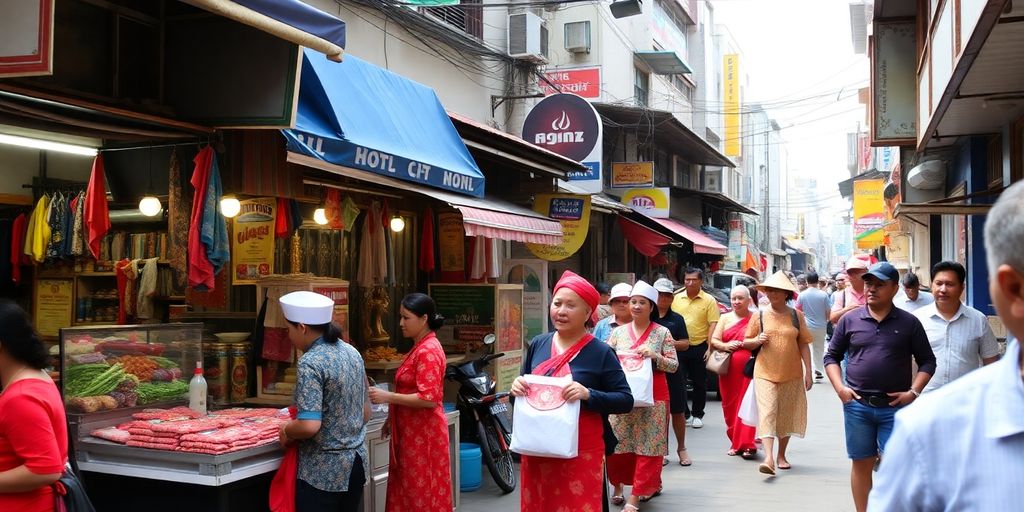
Moving to a new place means getting to grips with how things are done locally. It's more than just finding a flat; it's about understanding the unwritten rules and showing respect. Here's a quick rundown to help you settle in.
Understanding Filipino Customs
Filipino culture is big on respect, especially for elders. You'll often hear people using "po" and "opo" when talking to someone older or in a position of authority – it's a sign of respect, like saying "sir" or "madam". Hospitality is also a huge deal; Filipinos are incredibly welcoming. Don't be surprised if you're invited to someone's home for a meal shortly after meeting them. It's just their way of making you feel at home. Understanding Filipino customs can really help you integrate.
Building Relationships With Neighbours
Getting to know your neighbours can make a big difference. A friendly smile and a simple "hello" can go a long way. Small gestures, like offering to help carry groceries or just having a quick chat, can help build a sense of community. Remember that things might be a bit different from what you're used to, so be patient and open-minded.
It's worth remembering that building good relationships with your neighbours can make your living situation much more pleasant. It's about being considerate and respectful, and understanding that you're part of a community.
Respecting Local Norms
Every place has its own set of norms, and Manila is no different. Here are a few things to keep in mind:
- Be mindful of noise levels, especially late at night.
- Dress modestly when visiting religious sites.
- Be patient when dealing with traffic – it's just part of life here.
Also, while bargaining is common in markets, it's not really done in malls or bigger shops. Prices are usually fixed. Understanding these local norms will help you avoid any awkward situations.
Amenities To Look For
When you're hunting for a place to rent in Manila, it's easy to get caught up in the basics like location and price. But don't forget about the amenities! These can seriously impact your day-to-day life and overall satisfaction with your rental.
Building Facilities and Services
Think about what makes life easier and more enjoyable. Does the building have a gym? A swimming pool? What about a function room you can use for parties or meetings? These things can really add value, but it's worth checking they are well maintained. Shared amenities can be a real bonus, but only if they're actually usable and not constantly out of order.
- Gym: Saves you money on a separate gym membership.
- Swimming Pool: Great for relaxing and cooling off in the Manila heat.
- Function Room: Handy for hosting events without cramping your apartment.
It's easy to overlook the small things, but they can make a big difference. Consider things like on-site laundry facilities, a convenience store in the building, or even just a well-maintained lobby. These can save you time and effort in the long run.
Security Features
Safety is paramount, especially in a busy city like Manila. Don't skimp on this! Check what security measures are in place. Is there a 24/7 security guard? Are there CCTV cameras in common areas? What about secure access to the building and individual units? These are all important factors to consider. It's also worth asking about the building's track record in terms of security incidents.
- 24/7 Security Guard
- CCTV Surveillance
- Secure Access Control (key cards, biometric scanners)
Accessibility to Public Transport
Manila traffic can be brutal, so being close to public transport is a huge plus. Look for rentals that are within walking distance of train stations, bus stops, or jeepney routes. This can save you a lot of time and stress, and it can also reduce your transportation costs. Consider the location of your workplace or school and how easily you can get there using public transport.
- Proximity to train stations (MRT, LRT)
- Easy access to bus routes
- Availability of jeepneys and taxis
| Transport Type | Average Commute Time (Peak Hours) | Cost (Approx.) |
|---|---|---|
| Train | 30-45 minutes | ₱20-₱30 |
| Bus | 45-60 minutes | ₱15-₱25 |
| Jeepney | 30-45 minutes | ₱10-₱15 |
Final Thoughts on Renting in Manila
Renting in Manila can be a great adventure if you know what to expect. It’s all about doing your homework and being smart about your choices. Keep an eye on the location, stick to your budget, and don’t forget to check out the property in person. Getting familiar with the local laws and finding a good agent can save you a lot of hassle. Whether you’re moving for work, study, or just a change of scenery, Manila has plenty to offer. Just take your time, weigh your options, and you’ll find a place that feels like home.
Frequently Asked Questions
What factors affect the monthly rent in Manila?
Several things can influence rent prices in Manila, like the location, the type of property, and the amenities available. Areas close to business districts usually have higher rents.
How much is the average rent for a one-bedroom apartment in Manila?
On average, a one-bedroom apartment in Manila can cost between 20,000 to 30,000 pesos per month, depending on the area and facilities.
What types of rental properties can I find in Manila?
You can find various types of rental properties in Manila, including apartments, condominiums, houses, and shared accommodations.
What should I consider when choosing a location to rent?
When selecting a location, think about how close it is to your workplace, safety, access to public transport, and the community vibe.
Are there any extra costs I need to budget for?
Yes, besides the rent, you should budget for utilities, internet, and possibly association fees if you're renting in a condominium.
How can I avoid rental scams in Manila?
To avoid scams, always verify the agent's credentials, never pay without a proper contract, and consider working with licenced real estate professionals.
The Moveandstay editorial team writes about serviced living, workspaces, and city guides across Asia-Pacific.
Read next

Serviced Offices Surge in Popularity as Businesses Embrace Flexible Leasing
May 3, 2026
Hong Kong Serviced Apartment Market Buzzes with Sales and Investment Activity Amidst Shifting Valuations
May 3, 2026

ONYX Hospitality Group Elevates Shama Serviced Apartments with New Lifestyle Concept and Ambitious Expansion
Apr 26, 2026