

If you're considering moving to Hong Kong, understanding the monthly rent landscape is crucial. The city is famous for its high living costs, and rental prices can vary significantly based on location and property type. Whether you're a local or an expat, knowing what to expect can help you make informed decisions about your housing options. This guide will walk you through everything you need to know about monthly rent in Hong Kong, from average prices to navigating the rental process.
Key Takeaways
- Monthly rent in Hong Kong can start from around 15,000 HKD for a basic one-bedroom apartment.
- Location plays a huge role in rental prices; central areas are generally more expensive.
- It's common to pay a deposit of one or two months' rent plus the first month's rent upfront.
- Understanding your tenancy agreement is vital; know your rights and responsibilities as a tenant.
- Be prepared for additional costs like utilities, which are often not included in the rent.
Understanding Monthly Rent in Hong Kong
Average Rent Prices
So, you're thinking about renting in Hong Kong? Well, buckle up. It's no secret that Hong Kong has some of the highest rental costs in the world. The average rent can vary wildly depending on location and property type.
To give you a rough idea, here's a look at average monthly rents based on user-submitted data:
| Accommodation type | Cost per month (HKD) |
|---|---|
| 1 bedroom, city centre | 17,589 |
| 1 bedroom, outside of city centre | 12,103 |
| 3 bedroom, city centre | 36,092 |
| 3 bedroom, outside of city centre | 23,441 |
Keep in mind that these are just averages. You might find cheaper options further from the city centre, or much pricier places in prime locations. For example, the average rent for residential apartments can vary by district:
- Hong Kong Island: HK$17,360
- Kowloon: HK$15,520
- New Territories: HK$12,680
Finding a place within your budget will likely involve compromise. Be prepared to adjust your expectations regarding size, location, and amenities.
Factors Influencing Rent
Several things affect how much rent you'll pay. It's not just about size and location, although those are big ones. Here's a quick rundown:
- Location, Location, Location: Living in Central, Wan Chai, or Causeway Bay will cost you significantly more than living in the New Territories. Proximity to public transport affects rent, too.
- Size and Layout: Obviously, bigger apartments cost more. But the layout matters as well. A more modern or renovated flat might command a higher price.
- Amenities: Do you want a gym, a pool, or a harbour view? These extras will definitely increase your rent.
- Age of the Building: Newer buildings tend to be more expensive than older ones, even if they're in the same area.
Comparing Different Areas
Choosing the right area is key to finding affordable rent. Each district has its own vibe and price range. Here's a quick comparison:
- Hong Kong Island: Expect to pay a premium for the convenience and prestige. Great for nightlife and business.
- Kowloon: A bit more affordable than Hong Kong Island, but still quite central. Offers a mix of residential and commercial areas.
- New Territories: The most affordable option, but further from the city centre. Good for families and those who prefer a quieter lifestyle.
Navigating the Rental Process
Finding a Property
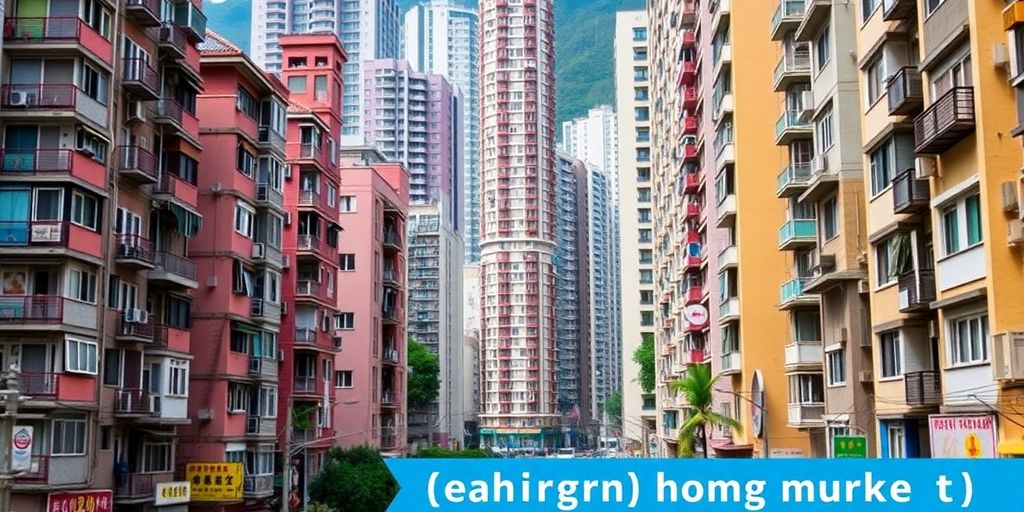
So, you're on the hunt for a place in Hong Kong? Exciting, but it can feel like a maze. First things first, decide if you want to go it alone or use a real estate agent. Agents can be helpful, especially if you're new to the city, but remember they charge a commission. Going solo means more legwork, but you could save some cash. Online portals are your friend here – start browsing and get a feel for what's out there. Consider things like transport links, nearby amenities, and of course, the neighbourhood itself.
- Online property portals
- Real estate agents
- Local newspapers and listings
Negotiating Terms
Don't be afraid to haggle! Everything is negotiable, from the monthly rent to the length of the lease. If you're willing to pay several months' rent upfront, you might be able to swing a better deal. Also, ask about a rent-free period to allow you time to move in and get settled. It's also worth clarifying who is responsible for management fees and government rates. Landlords are sometimes open to incentives, especially if it reduces their risk of renting to 'rogue tenants'.
It's important to identify who is responsible for other fees such as management fees, government rates and other fees and this is usually the landlord. This should be clearly identified in the contract.
Signing the Tenancy Agreement
Once you've found a place and agreed on the terms, it's time to sign the tenancy agreement. This is a legally binding document, so read it carefully! Pay attention to clauses about tenant rights and responsibilities, security deposits, and lease duration. It's a good idea to take photos and videos of the property before you move in, to avoid disputes later on. Also, make sure the agreement clearly states who pays for utilities. After signing, the agreement needs to be stamped within 30 days, and the stamp duty fee is usually split between the landlord and tenant.
Here's a quick look at stamp duty rates:
| Length of Tenancy | Rate |
|---|---|
| Not exceeding 1 year | 0.25% of the annual rent |
| Exceeding 1 year but not exceeding 3 years | 0.5% of the annual rent |
| Exceeding 3 years | 1% of the annual rent |
Payment Methods for Rent
Deposit Requirements
When you've found a place, you'll usually need to cough up a deposit. Typically, this is two months' rent, plus the first month's rent in advance. So, if your rent is HK$15,000, be prepared to pay HK$45,000 upfront. Estate agent fees are also common, often half a month's rent. Make sure you're clear on the deposit amount and how it will be returned at the end of your tenancy. Landlords usually require a cashier's order or a bank transfer for the deposit and first month's rent.
Ongoing Rent Payments
Most landlords in Hong Kong prefer rent to be paid via bank transfer. Setting up a recurring payment can make life easier. Some might accept cheques, but this is becoming less common. Always keep a record of your payments, just in case there are any disputes later on. It's also worth noting the payment due date to avoid late fees. Some landlords might offer a slight discount for paying a few months in advance, but this is something you'd need to negotiate.
International Payment Options
If you're moving to Hong Kong from abroad, or need to pay rent from an overseas account, you'll need to consider international payment options. Using your regular bank can be expensive due to transfer fees and exchange rate markups. Services like Wise international payments often offer better exchange rates and lower fees. Make sure to factor in any potential delays when transferring money internationally, so your rent is paid on time.
It's important to discuss all payment methods with your landlord before signing the tenancy agreement. Clarify any fees associated with different payment methods and ensure everything is clearly stated in the contract.
Tax Implications of Renting
Housing Allowances
If you're working in Hong Kong, you might get a housing allowance from your employer, or even live in company-provided accommodation. This can have a real impact on your tax situation, so it's important to understand how the rules apply to your specific case. The amount of tax you pay on your rent depends on a few things, like the type of accommodation and whether your employer pays a housing allowance or reimbursement. If you get a reimbursement and pay the landlord directly, it might lower your taxable income. It's a bit complex, so getting professional advice is a good idea to figure out the most tax-efficient way to set up your rental arrangements. The Hong Kong government website has some helpful examples and rules about how rent is taxed in different situations. It's worth checking out to get a better grasp of things.
Tax Deductions
Understanding what you can deduct from your taxes when renting in Hong Kong can save you some money. Taxpayers can claim a maximum domestic rent basic deduction of $100,000 per year of assessment. Make sure you keep all your rental documents handy, as you'll need them when filing your taxes. It's always a good idea to check the latest tax regulations, as they can change.
Understanding Local Tax Laws
Hong Kong's tax system can seem a bit daunting at first, but it's important to get to grips with the local tax laws that affect renters. For example, stamp duty is a tax that legally approves the signed contract. Once your rental document is signed, it needs to be stamped within the next 30 days. The stamp duty fee is usually split between the landlord and the tenant. Here's a quick look at the stamp duty rates:
| Length of Tenancy | Rate |
|---|---|
| Not Exceeding 1 Year | 0.25% of the yearly or average yearly rent |
| Exceeding 1 Year But Not Exceeding 3 Years | 0.5% of the yearly or average yearly rent |
| Over 3 Years | 1% of the yearly or average yearly rent |
It's important to remember that Hong Kong's government applies extra taxes on all properties, including rentals. Make sure to clarify whether those taxes are included in the price or if it is something you have to pay on top of your rent.
Finding the Right Apartment
Finding the perfect apartment in Hong Kong can feel like a monumental task, but with a bit of planning, it's definitely achievable. It's about balancing your needs, wants, and budget to find a place that truly feels like home. Let's break down the key steps.
Choosing the Right Location
Location, location, location! It's the golden rule for a reason. Think about your daily commute, lifestyle, and what's important to you. Do you need to be close to work? Are good schools a priority? Or are you after a vibrant nightlife? Hong Kong offers a diverse range of neighbourhoods, each with its own unique character. Consider areas like the New Territories, Hong Kong Island, and Kowloon, each offering different vibes and price points. Choosing the right location is paramount for your overall satisfaction.
- Accessibility: How easy is it to get around? Check for MTR stations, bus routes, and taxi availability.
- Amenities: Are there supermarkets, restaurants, parks, and other facilities nearby?
- Environment: Is the area safe, clean, and quiet enough for your liking?
Living in a convenient location can significantly improve your quality of life. Consider the trade-offs between cost and convenience when making your decision.
Setting a Budget
Before you fall in love with a stunning apartment, it's crucial to set a realistic budget. Rent is likely to be your biggest expense, so it's important to know what you can comfortably afford. Don't forget to factor in other costs, such as utilities, internet, and building management fees. Remember to consider what comes with your rent, some serviced apartments offer all-inclusive options.
- Calculate your income: Determine your monthly income after tax.
- Estimate your expenses: List all your regular expenses, including food, transport, and entertainment.
- Set a rent limit: Aim to spend no more than 30-40% of your income on rent.
Using Real Estate Agents
If you're new to Hong Kong or unfamiliar with the rental market, using a real estate agent can be a smart move. They can help you find properties that match your criteria, negotiate terms, and guide you through the paperwork. However, be aware that you'll typically need to pay an agent fee, usually equivalent to one month's rent. If you are not familiar with the rental market in Hong Kong, you can consider hiring a licenced real estate agent to help you navigate the rental landscape.
- Find a reputable agent: Ask for recommendations from friends or colleagues, or check online reviews.
- Be clear about your needs: Tell the agent exactly what you're looking for in terms of location, size, and budget.
- Don't be afraid to negotiate: The agent's commission is often negotiable, so don't hesitate to ask for a better deal.
Understanding Rental Agreements
Lease Duration
Generally, leases in Hong Kong are for a fixed term, often two years. The first year is usually a fixed-term tenancy, meaning neither party can terminate the agreement without penalty. The second year often transitions into a periodic tenancy, offering more flexibility, but it's important to understand the notice periods required to end the lease. Make sure you read the fine print regarding renewal options and potential rent increases upon renewal. It's also worth noting that shorter leases (e.g., six months or one year) can sometimes be found, particularly in serviced apartments or during off-peak rental seasons, but these might come at a premium.
Security Deposits
Security deposits in Hong Kong typically amount to two months' rent. This deposit serves as protection for the landlord against damages to the property or unpaid rent. It's crucial to conduct a thorough inspection of the property with the landlord before moving in and document any existing damage with photos or videos. This will help prevent disputes when you move out and want your deposit back. The tenancy agreement should clearly state the conditions under which the landlord can withhold part or all of the deposit. Upon termination of the lease and satisfactory inspection of the property, the deposit should be returned to you, usually without interest. Be aware of your tenant responsibilities.
Tenant Rights and Responsibilities
Tenants in Hong Kong have certain rights and responsibilities outlined in the tenancy agreement and governed by local laws. It's important to understand these to avoid potential conflicts with your landlord. Some key tenant responsibilities include paying rent on time, maintaining the property in a reasonable condition, and adhering to any building rules or regulations. Landlords are generally responsible for structural repairs and maintenance, but the specific division of responsibilities should be clearly stated in the lease.
It's always a good idea to seek legal advice before signing a tenancy agreement, especially if you're unfamiliar with Hong Kong's rental laws. A solicitor can review the contract and explain your rights and obligations, helping you avoid potential problems down the line.
Here's a quick rundown of tenant rights:
- Right to quiet enjoyment of the property.
- Right to a habitable living environment.
- Right to receive proper notice before the landlord enters the property (except in emergencies).
And here are some tenant responsibilities:
- Paying rent on time.
- Maintaining the property in good condition.
- Not causing nuisance to neighbours.
Utilities and Additional Costs
Are Utilities Included?
When you're budgeting for your monthly rent in Hong Kong, it's easy to just focus on the headline rental figure. However, it's really important to find out whether utilities are included in the rent. Generally, they aren't. Most landlords expect tenants to handle these costs separately. This means you'll be responsible for setting up accounts and paying for things like electricity, water, and gas. Serviced apartments are the exception, often including utilities in the rental price.
- Check your tenancy agreement carefully to see what's included.
- Ask the landlord or agent to clarify if you're unsure.
- Factor in utility costs when calculating your overall budget.
It's a good idea to ask for copies of previous utility bills to get an idea of average costs. This can help you avoid any nasty surprises down the line and budget accordingly. Don't be afraid to ask questions – it's all part of finding a property that suits your needs.
Setting Up Utility Services
Setting up utilities in Hong Kong is usually straightforward, but it does require a bit of organisation. You'll need to contact each utility provider individually to arrange services. Fortunately, there aren't too many providers to deal with. Here's a quick rundown:
- Electricity: Either CLP Power Hong Kong Limited or The Hongkong Electric Co., Ltd., depending on your location.
- Water: The Water Supplies Department.
- Gas: The Hong Kong and China Gas Company Limited (Towngas).
Typically, you'll need your Hong Kong ID card and a copy of your tenancy agreement to open an account. Some providers may also require a deposit. Keep records of the utilities charges including water, electricity and gas. A metre reading should be taken on the first of you move in to ensure accurate billing. Inform the landlord immediately if there’s anything wrong.
Additional Fees to Consider
Beyond rent and utilities, there are a few other potential costs to keep in mind. These can add up, so it's best to be prepared. Here are some common ones:
- Management Fees: Some buildings charge monthly management fees, which cover the cost of building maintenance, security, and other services. These are usually paid by the landlord, but it's worth confirming.
- Government Rates: These are property taxes levied by the government. Again, these are typically the landlord's responsibility.
- Internet and TV: Don't forget to factor in the cost of internet and television services. There are various providers and packages available.
- Home Insurance: It’s important for tenants to protect their personal belongings with home insurance as the home insurance policy purchased by the landlord normally protects his/her possessions only.
Before confirming your tenancy lease, you may negotiate for up to 2-week rent-free period with your landlord, enabling you to move your stuff and set up things before formally moving in.
Final Thoughts on Renting in Hong Kong
So, there you have it. Renting in Hong Kong can be a bit of a rollercoaster, but it’s not impossible. Prices are steep, and the market moves fast, so you’ll need to be quick and smart about your choices. Remember to do your homework, check out different areas, and don’t rush into anything. If you take your time and stay informed, you can find a place that feels like home. Good luck with your search, and don’t forget to keep an eye on those hidden costs!
Frequently Asked Questions
What is the average rent like in Hong Kong?
Rent in Hong Kong can be very high. For a simple one-bedroom apartment away from the city centre, expect to pay around 15,000 HKD (about 1,900 USD) monthly. If you want something closer to the centre or a bigger place, it can cost 20,000 to 30,000 HKD (2,550 to 3,850 USD) or even more.
What should I consider when picking a rental area?
When choosing where to rent, think about your budget, the distance to your work or school, and the overall vibe of the neighbourhood. Some areas are more expensive but closer to the city centre, while others might be cheaper but further away.
How do I find a rental property in Hong Kong?
You can look for rental properties through real estate agents or online listings. Using an agent can save you time and help you find a better deal, even though you might have to pay a fee.
What payment methods are available for rent?
Most landlords will ask for a deposit, usually one or two months' rent, plus the first month's rent upfront. After that, you will pay your rent monthly, often via bank transfer.
Are there any taxes related to renting in Hong Kong?
Yes, there are taxes on rental properties in Hong Kong. If your employer provides a housing allowance, it can affect your taxes, so it's a good idea to check the local tax rules.
What should I know about rental agreements?
Rental agreements in Hong Kong usually last for two years, but you can find shorter options like serviced apartments. Always read the contract carefully to understand your rights and responsibilities.
The Moveandstay editorial team writes about serviced living, workspaces, and city guides across Asia-Pacific.
Read next

Serviced Offices Surge in Popularity as Businesses Embrace Flexible Leasing
May 3, 2026

Hong Kong Serviced Apartment Market Buzzes with Sales and Investment Activity Amidst Shifting Valuations
May 3, 2026

ONYX Hospitality Group Elevates Shama Serviced Apartments with New Lifestyle Concept and Ambitious Expansion
Apr 26, 2026