
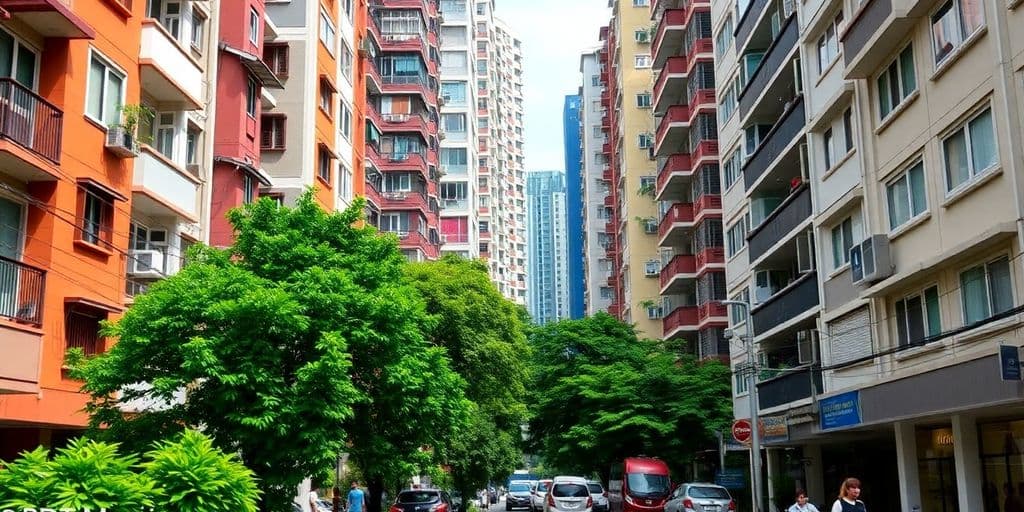
If you're thinking about renting a place in Bangkok, you're in for quite the adventure. The city has a lot to offer, but understanding the ins and outs of monthly rent in Bangkok is key. From average prices to hidden costs, there's a lot to consider before you sign that lease. This guide will help you navigate the rental landscape, ensuring you're well-prepared for your new home in Thailand's bustling capital.
Key Takeaways
- Average rent for a one-bedroom apartment in central Bangkok is around $563 per month.
- Expect to pay for utilities and internet on top of your rent, which can add up.
- A security deposit is usually required, typically equal to two months' rent.
- Be prepared for negotiation; landlords often lower the rent by 5-15%.
- Research popular neighbourhoods to find the best fit for your lifestyle.
Understanding Monthly Rent In Bangkok
Average Rental Prices
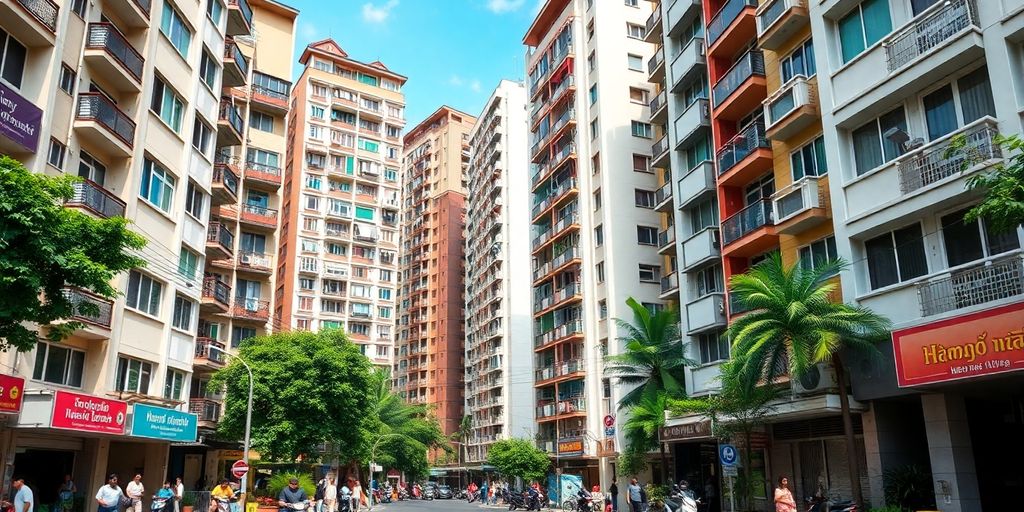
So, you're thinking about renting in Bangkok? Good choice! One of the first things on your mind is probably how much it's going to set you back each month. The average rent can vary quite a bit depending on the area and the type of place you're after.
Here's a rough idea of what you might expect to pay:
| Accommodation Type | Average Monthly Rent (THB) |
|---|---|
| Studio Apartment | 8,000 - 15,000 |
| 1-Bedroom Apartment | 12,000 - 30,000 |
| 2-Bedroom Apartment | 25,000 - 50,000 |
| Condominium (1-Bedroom) | 15,000 - 40,000 |
Keep in mind these are just averages. Super-luxury condos in prime locations can easily go for much more. If you're looking at short-term rental options, expect to pay a premium compared to a long-term lease.
Factors Influencing Rent
Loads of things can affect how much rent you'll pay in Bangkok. It's not just about the size of the place. Here are a few key factors:
- Location: Central areas like Sukhumvit and Silom are generally pricier.
- Proximity to Public Transport: Places near BTS Skytrain or MRT subway stations command higher rents.
- Amenities: Swimming pools, gyms, and 24-hour security all add to the cost.
- Building Age and Condition: Newer, well-maintained buildings tend to be more expensive.
- View: A nice view can definitely bump up the price.
It's worth doing your research and weighing up what's important to you. Do you need to be right in the heart of the action, or are you happy to commute a bit further for a cheaper rent? Think about what you really need versus what would be nice to have.
Types Of Accommodation
Bangkok offers a wide range of accommodation options, each with its own pros and cons. Here are some of the most common:
- Apartments: These are usually larger than condos and often come unfurnished.
- Condominiums: These are individually owned units within a larger building, often with shared facilities.
- Serviced Apartments: These offer hotel-like services such as cleaning and laundry.
- Townhouses/Houses: These are more common in suburban areas and offer more space and privacy.
Additional Costs To Consider
Beyond the base monthly rent, it's important to factor in additional expenses that can significantly impact your budget when renting in Bangkok. These costs can vary depending on your lifestyle, accommodation type, and usage habits. Let's break down the main ones:
Utilities and Internet
You'll almost certainly be responsible for covering your own utility bills and internet access. This includes electricity, water, and sometimes gas, depending on your cooking setup. Internet packages are readily available from various providers. The cost of utilities can fluctuate based on your consumption, especially air conditioning usage during the hotter months. Here's a rough idea of what you might expect to pay:
- Electricity: Varies greatly depending on usage, but expect to pay more if you use air conditioning frequently.
- Water: Generally quite affordable.
- Internet: A decent broadband package should be reasonably priced.
Security Deposits
Landlords in Bangkok almost always require a security deposit. This is usually equivalent to two months' rent. The deposit acts as a safeguard against potential damages to the property or unpaid bills during your tenancy. Assuming you leave the property in good condition (beyond normal wear and tear) and have paid all your bills, the deposit should be returned to you at the end of your lease. Make sure to clarify the deposit process with your landlord or agent beforehand to avoid any misunderstandings later on.
Maintenance Fees
Maintenance can be a bit of a grey area. Generally, landlords are responsible for issues arising from "non-direct" causes, such as a fridge suddenly breaking down. However, tenants are usually responsible for damages they directly cause, like a broken cabinet door or a stained rug. It's common practise for minor repairs (like replacing light bulbs) to be the tenant's responsibility. Some lease agreements specify a maximum amount for such repairs. For serious problems that aren't your fault (like a burst water pipe), the landlord should take care of it. It's always best to report any issues as soon as you notice them to avoid disputes later. If you're renting a condo, the building's management office often has handymen available for smaller repairs.
It's a good idea to clarify who is responsible for what in the lease agreement to avoid any confusion down the line. Also, remember that common area fees, building insurance, and juristic office fees are typically covered by the landlord, not the tenant.
Rental Process For Expats
Required Documentation
So, you're an expat looking to rent in Bangkok? Ace! One of the first hurdles is gathering the right paperwork. Generally, landlords will ask for a copy of your passport and visa. Some might also request a copy of your work permit, if you have one. It's always a good idea to have these documents ready to go to speed up the process. I mean, nobody wants to wait around when they've found the perfect place, right?
Lease Terms
Lease agreements in Bangkok usually run for one year, although you might find some shorter-term options (like six months). Make sure you read the lease carefully before signing anything. It should clearly state the monthly rent, the amount of the security deposit, and any rules or regulations about living in the building. Pay special attention to clauses about breaking the lease early, as there might be penalties involved. It's also worth checking if the lease includes anything about lease agreements in Thailand and what happens if there are disputes.
Negotiation Tips
Don't be afraid to haggle a bit, especially if you're planning on staying for a longer period. Landlords might be more willing to lower the rent or offer other perks, like including utilities in the monthly price, if you commit to a longer lease. It never hurts to ask! Also, if you spot any minor issues with the property, like a leaky tap or a broken light fixture, bring them up during the negotiation. The landlord might agree to fix them before you move in. Remember, everything is negotiable, so put on your best bargaining face!
It's a good idea to start your apartment search a month or two before you plan to move. This gives you enough time to view different properties, compare prices, and negotiate the lease terms. Plus, it reduces the stress of having to find a place at the last minute. Trust me, you'll thank yourself later.
Best Areas To Rent In Bangkok
Choosing where to live in Bangkok can feel overwhelming. There are so many different areas, each with its own vibe and advantages. It really depends on what you're after – whether it's being close to the action, having a quieter life, or being surrounded by other expats.
Central Business District
Living in the Central Business District (CBD) means you're right in the heart of things. Think of areas like Silom and Sathorn. It's ideal if you work in the area, as you'll save a lot of time on commuting.
- Pros: Easy access to offices, high-end shopping, and fancy restaurants. Excellent public transport links.
- Cons: Can be noisy and crowded. Expect higher rental prices.
- Who it's for: Young professionals, those who enjoy a fast-paced lifestyle, and anyone who wants to be close to everything.
Suburban Areas
If you prefer a more relaxed atmosphere, consider the suburban areas. These are further away from the city centre but still offer good amenities and transport links. Places like On Nut and Udom Suk are becoming increasingly popular.
- Pros: More affordable rent, quieter environment, and a more local feel.
- Cons: Longer commute times to the city centre, fewer high-end amenities.
- Who it's for: Families, those on a budget, and people who prefer a quieter lifestyle.
Popular Expat Neighbourhoods
Some areas are particularly popular with expats, offering a ready-made community and familiar amenities. Sukhumvit, especially areas like Thonglor and Ekkamai, are prime examples.
- Pros: Lots of international restaurants, bars, and shops. Easy to find English-speaking services. A strong sense of community.
- Cons: Can be more expensive than other areas. May feel less authentically Thai.
- Who it's for: New arrivals, those who want to be surrounded by other expats, and anyone who values convenience and familiarity.
When choosing an area, think about your priorities. Do you value convenience over cost? Are you looking for a vibrant nightlife or a peaceful retreat? Visiting different areas at different times of day can give you a better feel for what they're really like. Don't be afraid to explore and find the perfect fit for your lifestyle.
Comparing Apartments And Condominiums
Ownership Differences
Okay, so what's the deal with apartments and condos in Bangkok? The main thing to remember is who owns what. Condos are individually owned units within a building, think of it like owning a flat in a block. Apartments, on the other hand, are usually owned by a single landlord or company. This difference in ownership affects a few things, like who you deal with for repairs and how flexible they might be with things like furniture.
Amenities Offered
Generally, both apartments and condos come with a range of amenities, but there can be differences. Condos often have more extensive facilities, like swimming pools, gyms, and sometimes even things like libraries or co-working spaces. Apartments might have fewer bells and whistles, focusing more on the basics. It really depends on the specific building and the price point. Here's a quick comparison:
| Amenity | Apartment | Condo |
|---|---|---|
| Swimming Pool | Often Not | Common |
| Gym | Sometimes | Common |
| Security | Standard | Enhanced |
| Parking | Standard | Often Included |
| Common Areas | Basic | Well-Maintained |
Rental Flexibility
Flexibility can be a big factor when choosing between an apartment and a condo. Because apartments are usually managed by a single entity, they might be more open to shorter lease terms or negotiating things like furniture removal. Bangkok rental process with condos, since you're dealing with individual owners, it can be a bit more hit-and-miss. Some owners are super flexible, others are very strict. It really depends on the owner's personal preferences and how eager they are to rent out their unit.
When you're renting, it's always a good idea to start your search a couple of months before you actually need to move. This gives you plenty of time to check out different places, compare your options, and negotiate the best deal. Plus, it means you won't be rushed into making a decision you might regret later.
Here are some things to consider:
- Lease Length: Apartments might offer shorter leases.
- Furniture: Apartments might be more flexible with furniture removal.
- Negotiation: Condo owners might be more open to negotiation on price.
Tips For A Successful Rental Experience
Starting Your Search
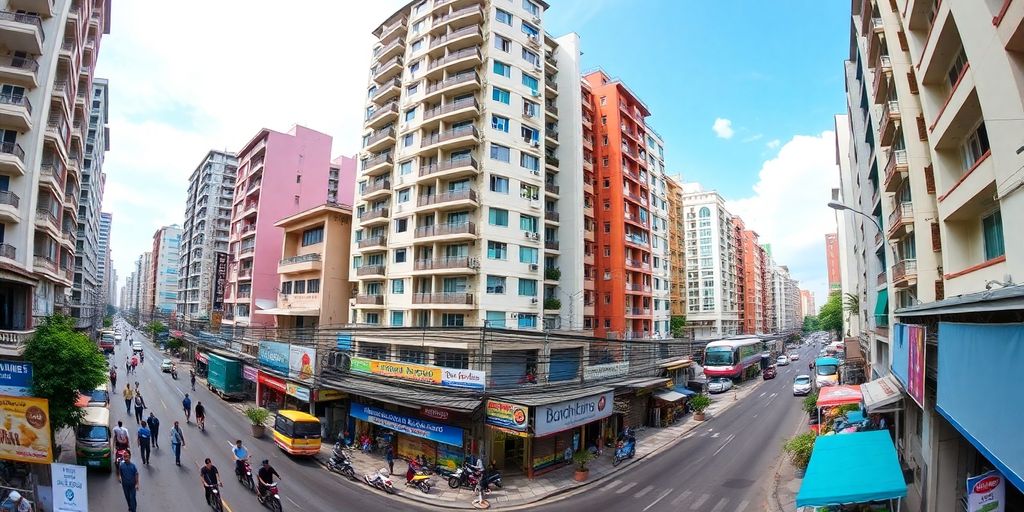
Finding the right place in Bangkok can feel overwhelming, but a good start makes all the difference. Begin by defining your needs: location, budget, and must-have amenities. Online portals are useful, but don't underestimate the power of walking around neighbourhoods you like. Talk to locals; they often have insider knowledge of available properties that aren't advertised online. Consider using a reputable real estate agent to streamline the process and avoid potential scams.
- Define your priorities (location, budget, amenities).
- Explore different neighbourhoods in person.
- Use online resources and local contacts.
It's easy to get caught up in the excitement of finding a new place, but taking your time and doing thorough research will pay off in the long run. Don't rush into anything; view multiple properties and ask plenty of questions before making a decision.
Understanding Local Laws
Familiarise yourself with Thai rental laws to protect your rights as a tenant. Key aspects include understanding your rights regarding security deposits, lease agreements, and eviction procedures. Landlords must adhere to certain regulations, such as providing advance notice before property inspections. Knowing your rights will help you navigate any disputes that may arise during your tenancy. Here are some things to consider:
- Deposits must be returned within 7 days of move-out.
- Landlords must provide advance notice before property inspections.
- Tenants have protection against unlawful eviction.
Building Relationships With Landlords
A positive relationship with your landlord can significantly enhance your rental experience. Treat them with respect, communicate openly, and address any concerns promptly. Paying rent on time and maintaining the property well will foster a good rapport. Remember, a happy landlord is more likely to be responsive to your needs and willing to negotiate terms in the future. Consider these points:
- Communicate openly and respectfully.
- Pay rent on time and maintain the property.
- Address concerns promptly and professionally.
Long-Term Vs Short-Term Rentals
Deciding between a long-term and short-term rental in Bangkok is a big decision, impacting your budget, lifestyle, and overall experience. Both options have their own set of advantages and disadvantages, so it's important to weigh them carefully based on your individual needs and circumstances.
Pros And Cons Of Each
Choosing between a long-term and short-term rental really depends on your situation. Are you planning to stay in Bangkok for a while, or are you just passing through? Let's break down the pros and cons:
- Long-Term Rentals: Generally involve a lease agreement (often 6 months to a year), offering stability and potentially lower monthly rates. You'll usually need to pay a security deposit, but you can settle in and make the place your own. Think of it as setting up a home base.
- Short-Term Rentals: Offer flexibility, ideal for tourists or those on temporary assignments. These often come fully furnished and include utilities, but the cost per night or week is usually higher. It's more like staying in a hotel or serviced apartment.
- Flexibility vs. Stability: Short-term rentals win on flexibility, allowing you to move around easily. Long-term rentals provide stability and a sense of community.
Here's a quick comparison:
| Feature | Long-Term Rental | Short-Term Rental |
|---|---|---|
| Lease Length | 6 months - 1 year+ | Days to a few months |
| Cost | Lower monthly rate, security deposit required | Higher nightly/weekly rate, often all-inclusive |
| Furnishing | Often unfurnished or partially furnished | Fully furnished |
| Utilities | Usually tenant's responsibility | Usually included in the rental price |
| Flexibility | Limited | High |
| Management | Less frequent tenant sourcing and management short-term condo rentals | Active management, including cleaning and check-ins |
Consider your lifestyle and how long you plan to stay. If you value stability and want to save money, a long-term rental is likely the better choice. If you need flexibility and don't mind paying a bit more, a short-term rental might be perfect.
Market Trends
The rental market in Bangkok is dynamic, influenced by tourism, economic conditions, and the availability of properties. In recent years, there's been a surge in short-term rentals due to platforms like Airbnb, offering travellers more options than traditional hotels. However, long-term rentals remain popular, especially among expats and locals seeking affordable housing.
- Increased Competition: The rise of short-term rentals has increased competition, potentially driving down prices for both short-term and long-term options.
- Seasonal Fluctuations: Short-term rental prices tend to fluctuate with the tourist season, peaking during holidays and dropping during the off-season.
- Changing Preferences: There's a growing demand for flexible lease terms, leading some landlords to offer mid-term rentals (3-6 months) to cater to this market.
Ideal Rental Duration
The ideal rental duration depends on your individual circumstances. If you're visiting Bangkok for a short holiday or business trip, a short-term rental is the obvious choice. However, if you're planning to live and work in Bangkok for an extended period, a long-term rental offers more stability and cost savings. For those unsure, a mid-term rental can be a good compromise, allowing you to explore different neighbourhoods before committing to a longer lease. Ultimately, the best rental duration is the one that aligns with your needs and budget.
Final Thoughts on Renting in Bangkok
So, there you have it. Renting in Bangkok can be a mixed bag, but it’s definitely doable. Prices can vary quite a bit depending on where you look and what you want. If you're after something modern and fancy, be prepared to pay a bit more. But if you’re okay with something a bit older or further out, you can find some real bargains. Just remember to factor in those extra costs like utilities and deposits. And don’t forget, it’s always worth trying to negotiate the rent a bit. Many landlords are open to it. Overall, with a bit of research and patience, you can find a place that suits your needs without breaking the bank.
Frequently Asked Questions
What are the average rental prices in Bangkok?
In Bangkok, the average cost for a one-bedroom apartment in the city centre is around 563 USD per month. If you choose to live a bit further out, prices can drop to about 245 USD.
What extra costs should I be aware of when renting?
When renting, you will need to pay for utilities like electricity and water, which can be about 74 USD monthly. Internet is usually around 16 USD. Additionally, landlords often ask for a security deposit, typically equal to two months' rent.
What documents do I need to rent an apartment?
To rent an apartment, you will usually need a copy of your passport and a work permit if you have one. Sometimes, landlords may ask for additional information.
How long is the typical lease agreement?
Most rental agreements in Bangkok are for one year, but some landlords may offer shorter leases of six months.
Can I negotiate the rent with my landlord?
Yes, many landlords are open to negotiation. You might be able to lower the rent by 5% to 15%, depending on the owner.
What is the difference between an apartment and a condominium?
An apartment is usually part of a larger building owned by one landlord, while a condominium is individually owned. Condos may have extra fees for maintaining common areas.
The Moveandstay editorial team writes about serviced living, workspaces, and city guides across Asia-Pacific.
Read next
Serviced Offices Surge in Popularity as Businesses Embrace Flexible Leasing
May 3, 2026
Hong Kong Serviced Apartment Market Buzzes with Sales and Investment Activity Amidst Shifting Valuations
May 3, 2026

ONYX Hospitality Group Elevates Shama Serviced Apartments with New Lifestyle Concept and Ambitious Expansion
Apr 26, 2026