Maximizing Efficiency in Your 200 Sq Ft Office Space: Tips and Tricks

Got a small office? No problem! Making the most out of a 200 sq ft office space might sound tricky, but with a bit of creativity, you can turn it into a super-efficient workspace. Whether you're working from home or setting up a small business hub, there are plenty of ways to maximize every inch of your office. From smart furniture choices to clever storage solutions, this guide will help you create a functional and comfortable environment.
Key Takeaways
- Position desks near windows to take advantage of natural light.
- Use vertical storage solutions to free up floor space.
- Choose multi-functional furniture like sofa beds and expandable tables.
- Use light colors and mirrors to make the space feel bigger.
- Implement activity-based workspaces to utilize space efficiently.
Optimizing Desk Placement for Maximum Efficiency
Utilizing Natural Light to Boost Productivity
Positioning your desk to take advantage of natural light can significantly improve your work output. Natural light not only reduces the need for artificial lighting but also enhances mood and focus. Placing your desk near a window can lead to a brighter, more inviting workspace. This simple change can make a big difference in how you feel and work throughout the day. If direct sunlight is too intense, consider using sheer curtains or blinds to diffuse the light while still reaping its benefits.
Choosing the Right Desk for Small Spaces
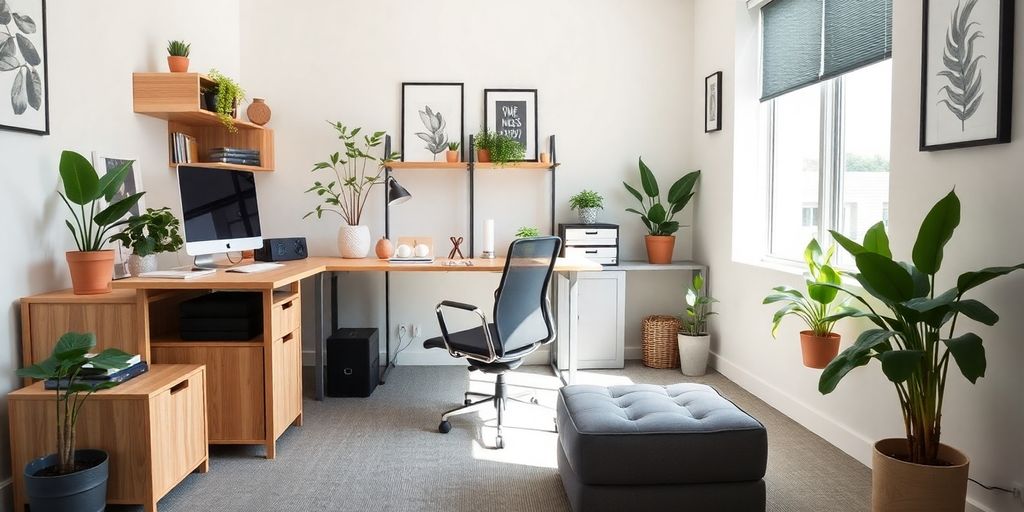
When space is limited, selecting the right desk becomes crucial. Look for desks that offer built-in storage or compact designs. Corner desks are an excellent choice for small offices as they utilize less obvious spaces efficiently. Consider a wall-mounted foldable desk that can be stowed away when not in use. This type of desk helps keep the floor area clear, making the room feel larger and more organized.
Incorporating Ergonomic Solutions
Ergonomics play a vital role in maintaining comfort and productivity. Invest in an ergonomic chair that supports your posture and reduces fatigue. Adjustable desks that allow you to switch between sitting and standing positions can also be beneficial. Ergonomic furniture can transform your workspace into a comfortable and efficient environment. Additionally, ensure your computer screen is at eye level and your chair height allows your feet to rest flat on the floor for optimal comfort.
Creative Storage Solutions for 200 Sq Ft Offices
Vertical Storage Options to Save Floor Space
In a compact office, every inch counts. Vertical storage is your best friend when you're short on space. Install tall bookshelves or modular wall units to store books, office supplies, and decorative items. Pegboards or wall grids can be used to organize tools, stationery, or craft materials. This not only keeps the floor clear but also makes everything easily accessible.
Under-Desk and Hidden Storage Ideas
When space is tight, under-desk storage becomes essential. Consider using slim drawers or rolling carts that fit snugly under your desk. These can hold everything from files to personal items. Hidden storage, like a bench with lift-up seats or a desk with built-in compartments, can help keep clutter out of sight and maintain a tidy workspace.
Modular and Flexible Storage Systems
Modular storage systems are perfect for small offices because they can be rearranged as needed. Invest in stackable bins or cubes that can be rearranged as your storage needs change. Rolling carts offer flexible storage solutions that can be easily moved around, whether in the kitchen, bathroom, or workspace. With these versatile options, you can adapt your storage to fit your evolving needs.
Incorporating Multi-Functional Furniture
Selecting Convertible Desks and Chairs
In a compact office, every piece of furniture should pull its weight. Convertible desks and chairs are game-changers for small spaces. Think about a desk that folds away when not in use or a chair that doubles as a step stool or storage unit. These versatile pieces can transform your workspace from a cluttered mess into a streamlined, efficient area. Here are some ideas to consider:
- Foldable desks: These can be mounted on the wall and folded down when needed, saving significant space.
- Stackable chairs: Perfect for meetings, they can be stored away easily when not in use.
- Convertible standing desks: Switch between sitting and standing with ease, promoting better posture and health.
Using Sofa Beds for Dual Purposes
Sofa beds are another excellent option for maximizing space. By day, they serve as comfortable seating for you or your clients; by night, they transform into a sleeping area if needed. This dual functionality is especially useful in offices that double as guest rooms. Consider these tips when choosing a sofa bed:
- Easy conversion: Look for models that are simple to switch from couch to bed.
- Comfort: Ensure both the seating and sleeping surfaces are comfortable.
- Storage options: Some sofa beds come with built-in storage, perfect for stashing away extra bedding or office supplies.
Integrating Expandable Tables
Expandable tables are a smart choice for small offices. These tables can adjust in size, making them suitable for both solo work and group meetings. When not in use, they can be compacted to free up space. Here’s how to make the most of expandable tables:
- Drop-leaf designs: These tables have sides that can be folded down, reducing their footprint.
- Nesting tables: Smaller tables that fit under larger ones, offering flexibility in use.
- Rolling tables: Easy to move around, these can be tucked away when not needed.
Multi-functional furniture is all about adaptability. In a 200 sq ft office, every piece should serve more than one purpose. Whether it's a desk that folds away, a sofa that turns into a bed, or a table that expands for meetings, these smart solutions make small spaces work harder. For more ideas on how flexibility and mobility are crucial in small spaces, consider how each piece of furniture can be both adaptable and easily transformable.
Designing an Open-Concept Office Layout
Creating an open-concept office layout in a small space like 200 square feet can be a bit of a puzzle, but it’s doable with the right approach. The key is to blend functionality with a sense of openness, making sure every inch is used wisely.
Blending Work and Relaxation Areas
Balancing work and relaxation in a compact office requires some creativity. Think about multi-use spaces where a quick shift in furniture can transform a work zone into a relaxation area. Consider these tips:
- Use furniture like sofa beds or foldable desks that serve dual purposes.
- Add a small relaxation corner with bean bags or a comfy chair that can also function as a meeting spot.
- Incorporate plants or artwork to create a soothing atmosphere that encourages relaxation without compromising on professionalism.
Creating Visual Separation Without Walls
In a small office, visual separation is essential to define areas without building walls. Here’s how you can achieve this:
- Use open shelving units as dividers, allowing light to filter through while maintaining a spatial boundary.
- Employ rugs or different flooring materials to delineate work zones from relaxation spaces.
- Hang curtains or use portable screens that can be moved around as needed.
Maximizing Flow and Accessibility
Ensuring smooth flow and accessibility in your office layout is crucial, especially in a tight space. Focus on:
- Keeping pathways clear to avoid clutter and allow easy movement.
- Positioning workstations near windows to harness natural light and boost mood and productivity.
- Choosing furniture that can be easily moved or adjusted to accommodate different activities or meetings.
Open-concept office designs can truly transform a small space, making it feel larger and more inviting. The trick is to keep it flexible and functional, ensuring that each area serves multiple purposes without feeling cramped.
For more insights on creating an inspiring and efficient workspace, explore key elements and principles of open office design.
Decorating Strategies to Enhance Small Office Spaces
Using Light Colors to Open Up the Room
When it comes to making a tiny office feel larger, color is your best friend. Light, neutral shades like white, beige, and soft pastels can work wonders in opening up a space. They reflect light, making the room appear more airy and spacious. Pair these hues with similarly light-toned furniture to maintain a cohesive look that doesn’t overwhelm the senses. Utilizing light, neutral colors can create an illusion of spaciousness in small shared office spaces, while bold colors can add energy and vibrancy.
Incorporating Mirrors for a Spacious Feel
Mirrors aren’t just for checking your reflection—they’re also great for creating the illusion of depth in a small space. A large mirror on one wall can bounce light around the room, making it feel bigger than it actually is. You can also consider mirrored furniture, like a coffee table or cabinet, to subtly enhance the sense of space without adding clutter.
Choosing Minimalist Decor to Avoid Clutter
In a small office, less is often more. Stick to minimalist decor to keep the room from feeling cramped. Opt for a few statement pieces rather than a collection of smaller items. This approach not only reduces visual clutter but also allows each piece to shine. Consider adding texture through items like rugs, throws, and cushions in complementary tones to add warmth and interest without overcrowding the space.
Decorating a small office is all about balance. By choosing the right colors, incorporating reflective surfaces, and keeping decor simple, you can transform even the tiniest space into a comfortable and inviting work environment.
Implementing Activity-Based Workspaces
Understanding the Benefits of Flexible Seating
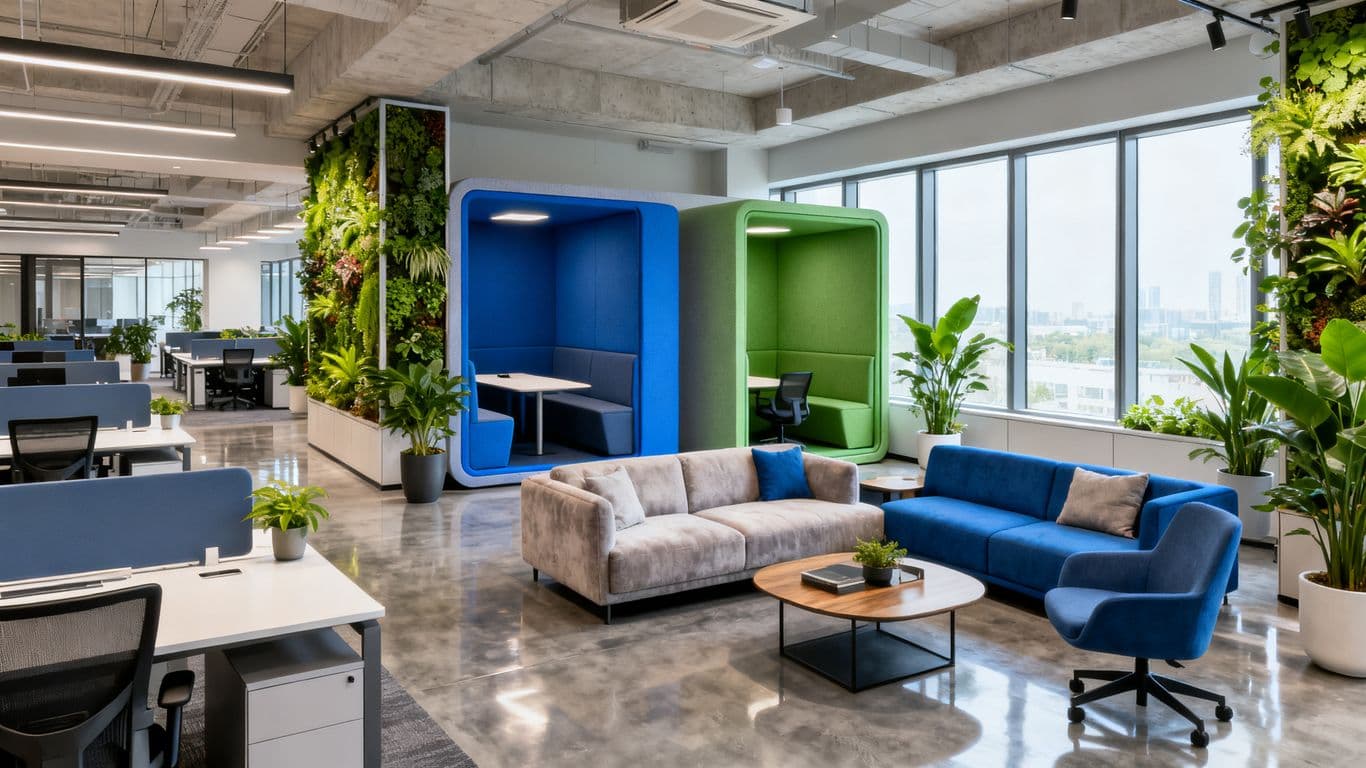
Flexible seating is more than just a trend; it's a game-changer for creating dynamic office environments. Activity-based working environments flourish by fostering trust, employee autonomy, and flexibility, allowing individuals to choose how and where they work best. This approach not only enhances productivity but also boosts morale by giving employees the freedom to select their workspace based on the task at hand. Whether it's a quiet corner for focused work or a collaborative area for team projects, flexible seating supports diverse work styles.
Creating Zones for Different Work Activities
Designing distinct zones tailored to specific activities is key to maximizing efficiency. Here’s a breakdown of essential zones:
- Focused Work Areas: Ideal for tasks that need concentration. Think private offices or quiet rooms.
- Collaborative Spaces: Perfect for team meetings or brainstorming. Equip these with whiteboards and comfy seating.
- Break Zones: Essential for recharging. Include lounges or kitchenettes where employees can relax.
By clearly defining these zones, you ensure that employees have the right environment for every task.
Utilizing Analytics to Optimize Space Usage
Data is your best friend when it comes to optimizing office space. Use analytics to understand how different areas are being used. Are certain meeting rooms always booked? Is there a quiet zone that’s rarely occupied? This data helps in making informed decisions about space allocation. For instance, if activity-based working environments flourish by supporting shared spaces, consider implementing hot desking or reservable workstations. This approach ensures you're not paying for unused areas and helps in accommodating remote workers when they visit the office.
Embracing activity-based workspaces is about more than just rearranging furniture. It's about creating an environment that adapts to the needs of your team, promoting both efficiency and satisfaction. By understanding how your office space is used, you can make smarter decisions that benefit everyone.
Sustainable Practices for Small Office Spaces
Incorporating Eco-Friendly Materials
Incorporating eco-friendly materials into your office design is a smart move for both the environment and your workspace's aesthetic. Materials like bamboo, cork, and recycled steel not only enhance durability but also bring a touch of modern style to your office. Choosing sustainable options reflects your commitment to the planet. Consider furniture that can be easily recycled or repurposed, and look for items made from renewable resources. Explore eco-friendly solutions to make your office space greener.
Maximizing Natural Lighting and Energy Efficiency
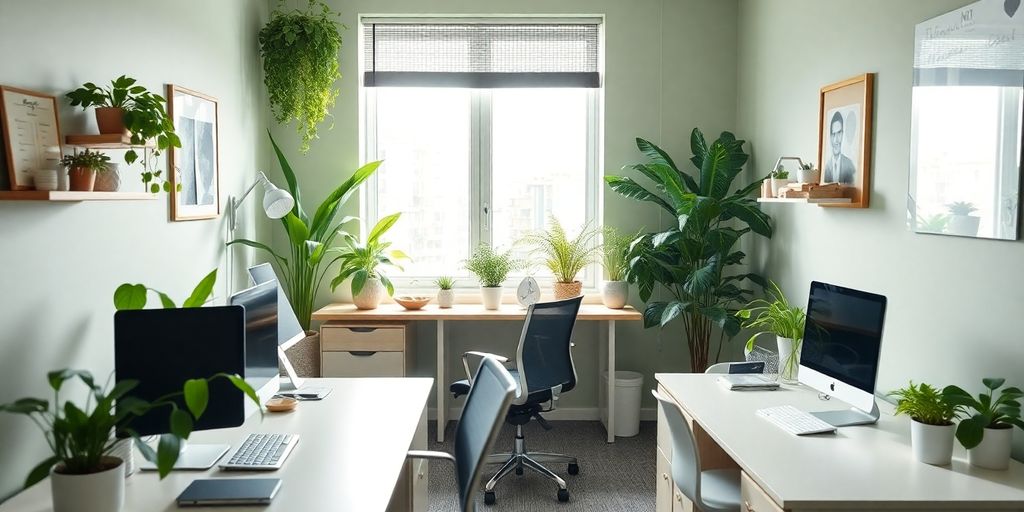
Natural lighting is a game-changer in small office spaces. Position desks near windows to take advantage of daylight, reducing the need for artificial lighting. Install energy-efficient LED bulbs and smart lighting systems that adjust based on the time of day. This not only cuts down on energy consumption but also creates a more pleasant work environment. Don't forget to use window treatments that allow light in while reducing glare.
Encouraging Sustainable Commuting Options
Promote sustainable commuting by encouraging employees to bike, carpool, or use public transportation. Consider installing bike racks and providing incentives for those who choose eco-friendly commuting methods. This not only reduces your office's carbon footprint but also fosters a healthier lifestyle for your team. Providing shower facilities or locker rooms can further support those who bike or run to work.
A sustainable office is more than just a trend; it's a responsible choice that benefits both the environment and your business. By integrating eco-friendly practices, you're not only reducing your carbon footprint but also creating a space that employees can feel good about working in.
Wrapping It Up: Making the Most of Your Small Office
So there you have it, folks. Making a 200 square foot office work for you is all about smart choices and a bit of creativity. Whether it's using multi-functional furniture or getting clever with storage, every little bit helps. Remember, it's not just about cramming everything in—it's about making the space work for you. Think about what you really need, and don't be afraid to try new things. Maybe a foldable desk or a convertible sofa is just what you need to keep things flexible. At the end of the day, it's your space, so make it comfortable and efficient for you. Happy organizing!
Frequently Asked Questions
How can I make my 200 sq ft office feel bigger?
Use light colors and mirrors to create an illusion of more space. Multi-functional furniture also helps in maximizing the area.
What are some creative storage options for small offices?
Consider vertical storage like tall shelves, under-desk storage, and modular storage systems to save floor space.
How can I incorporate natural light into my office setup?
Position your desk near windows and use light, sheer curtains to allow maximum sunlight while reducing glare.
What types of furniture are best for small office spaces?
Multi-functional furniture like convertible desks, sofa beds, and expandable tables are ideal for small offices.
How do I create a flexible workspace in a small area?
Use movable partitions or furniture to create different zones for work activities, and consider flexible seating options.
What are some eco-friendly practices for a small office?
Use energy-efficient lighting, sustainable materials, and encourage biking to work to reduce your carbon footprint.
The Moveandstay editorial team writes about serviced living, workspaces, and city guides across Asia-Pacific.