
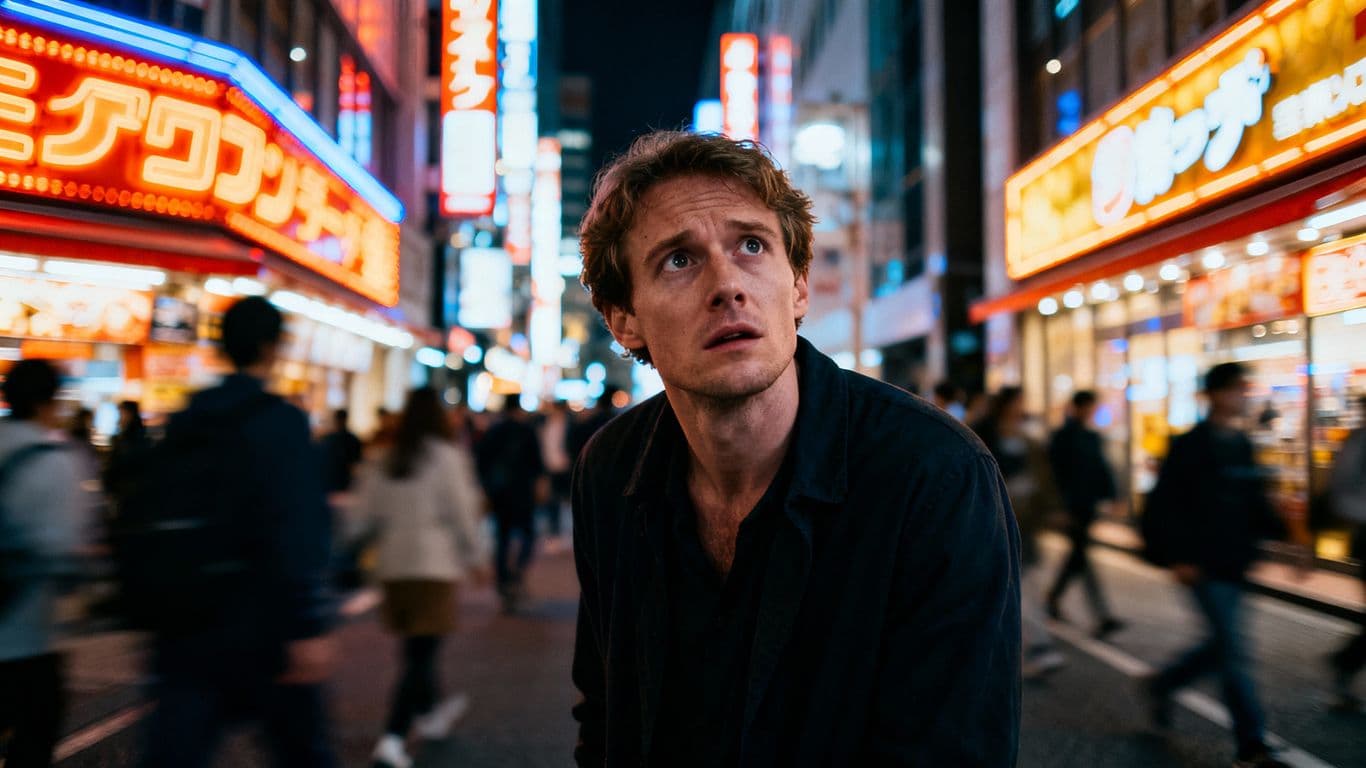
Thinking about living in Tokyo but don't speak much Japanese? It's totally doable, but there are definitely some bumps in the road you might not expect. It's not just about ordering food or asking for directions; it's the little things, the unspoken rules, and the way things are set up that can throw you for a loop. This guide dives into some of the hidden friction points you might encounter and how to deal with them.
Key Takeaways
- Japanese communication often relies on hints and context, not direct statements. You'll need to get good at reading between the lines and picking up on subtle cues.
- Being a foreigner in Japan, or a 'gaijin,' is a status you'll likely always have, no matter how long you stay or how well you learn the language. It's about finding a balance between your own culture and Japanese group-focused ways.
- Setting up a place to live can be tricky. Expect extra fees beyond rent, like 'key money,' and understand that apartments usually come with nothing – not even light fixtures.
- For shorter stays or if you want to skip the hassle of buying furniture, looking into serviced apartments in Tokyo can be a much easier option, though usually more expensive per month.
- Connecting with others is important. While expat groups are helpful, try to branch out and connect with locals too, maybe through language exchanges or shared hobbies.
Navigating Daily Life Without Fluent Japanese
So, you've landed in Tokyo, ready for adventure, but your Japanese is, well, let's just say 'a work in progress.' It's totally doable, but there are definitely some quirks you'll bump into. Think of it like trying to assemble IKEA furniture without the instructions – you can probably get there, but it might take a bit longer and involve some head-scratching.
Understanding the Nuances of High-Context Communication
Japanese communication often relies on what's not said. It's a high-context culture, meaning a lot of the meaning comes from the situation, body language, and shared understanding, rather than just the words themselves. This can be a real head-scratcher when you're still learning the language. A simple “chotto…” (a little bit…) from a shopkeeper might actually mean they don't have what you're looking for, or even that they can't help you at all. It’s not about being evasive; it’s about maintaining harmony and avoiding direct confrontation. You’ll start to notice these subtle cues, like a slight pause or a specific tone of voice, that carry a lot of weight.
Learning to 'read the air,' or kuuki wo yomu, is a skill that develops over time. It involves paying close attention to the atmosphere of a conversation and the unspoken feelings of those involved. Don't be afraid to ask clarifying questions, even if it feels a bit awkward at first. Most people appreciate the effort.
The Importance of Observation and Subtle Cues
Since direct verbal communication can be tricky, your eyes and ears become your best friends. You'll find yourself watching how locals interact in shops, on trains, and in restaurants. For example, you might notice that people don't usually talk loudly on their phones in public spaces. Or how, when someone offers you something, they often do so with both hands. These little observations are like puzzle pieces that help you fit in. It’s a bit like being a detective in your own life, piecing together the social rules as you go. You might even find yourself picking up on things like the polite way to accept a business card, which is often presented and received with two hands. It’s these small details that make a big difference in how smoothly your interactions go.
Here are a few things to keep an eye out for:
- Greetings: Notice the different greetings used throughout the day (ohayō gozaimasu, konnichiwa, konbanwa) and the subtle bows that accompany them.
- Queuing: Japanese society is very orderly. Observe how people line up patiently for trains, buses, and even at convenience stores.
- Waste Disposal: Recycling rules can be complex. Pay attention to how and when different types of trash are collected in your neighborhood.
Adapting to Unspoken Social Protocols
There are many social rules that aren't written down anywhere. One big one is the concept of omoiyari, or consideration for others. This means trying not to inconvenience people around you. You'll see this in action with things like people being quiet on trains or making sure not to block walkways. It’s about being mindful of the collective space. You might also encounter situations where certain establishments, especially smaller, local places, might be hesitant to serve customers who can't speak Japanese understanding the Japanese housing market. It’s not personal; it’s often about avoiding potential communication breakdowns. Being aware of these unspoken expectations helps you avoid accidentally causing discomfort and shows respect for the local culture.
The 'Gaijin' Identity and Cultural Recalibration
Embracing the Perpetual Outsider Status
Moving to Japan means you'll likely always be seen as a 'gaijin,' or foreigner, no matter how long you stay or how well you speak the language. It's a label that sticks, and honestly, fighting it is usually more exhausting than accepting it. Think of it less as a barrier and more as a unique lens through which you experience the country. Sometimes it means people are extra patient when you're fumbling with a ticket machine, other times it might mean you're the center of attention in a small town. Learning to be comfortable with this 'outsider' status is key to a more peaceful existence here. It frees you up to observe and learn without the pressure of trying to perfectly blend in.
The psychological shift from wanting to assimilate to accepting your distinct identity can be challenging. It requires a conscious effort to build self-worth that isn't tied to fitting in perfectly. This internal recalibration is what separates those who thrive long-term from those who struggle.
Balancing Individualism with Japanese Collectivism
Back home, you're probably used to speaking your mind, making decisions independently, and valuing personal achievement. Japan, on the other hand, often emphasizes group harmony, known as 'wa.' This means decisions are frequently made with the collective in mind, and direct confrontation is generally avoided. It's a big adjustment.
- Observe group dynamics: Pay attention to how decisions are made in meetings or social settings. Who speaks first? How are disagreements handled (or not handled)?
- Prioritize harmony: Sometimes, your brilliant individual idea might need to be presented in a way that doesn't disrupt the existing flow or make others feel uncomfortable.
- Find your balance: It's not about abandoning your individual self, but about learning when to prioritize the group and when your personal voice is appropriate. Developing this bicultural competence allows you to switch between these modes effectively.
Developing Bicultural Competence
This isn't about becoming Japanese, nor is it about remaining stubbornly American. It's about building a bridge between your own cultural background and the Japanese way of life. It’s a skill that develops over time, often through trial and error.
- Learn the unspoken rules: Things like 'kuuki wo yomu' (reading the air) are vital. This means picking up on subtle cues – body language, tone of voice, the context of a situation – that convey meaning without words.
- Seek out mentors: Connecting with other long-term expats who have successfully navigated this transition can provide invaluable insights and support.
- Practice active observation: Watch Japanese dramas, pay attention to interactions in public, and ask trusted friends to explain things you don't understand. This conscious practice speeds up the learning process significantly.
It's a journey, and there will be moments of confusion and frustration. But with patience and a willingness to adapt, you can build a fulfilling life in Tokyo that honors both your roots and your new environment.
Practicalities of Setting Up Your Tokyo Residence
Moving to Tokyo is exciting, but let's be real, the practical stuff can feel like a whole other language. Getting your living situation sorted is probably the first big hurdle. It's not just about finding a place; it's about understanding a system that might be quite different from what you're used to.
Understanding the Japanese Housing Market
The Japanese housing market has its quirks. Unlike in some countries where you might deal directly with landlords, here, real estate agencies are the go-to. They act as the middleman for everything from viewing apartments to signing contracts. Be prepared for upfront costs that go beyond just the first month's rent. Many places require a deposit, a
Furnishing Your New Tokyo Home
So, you've landed in Tokyo and secured a place to live. Awesome! Now comes the fun part, right? Well, maybe "fun" is a strong word. Japanese apartments, especially if you're renting a standard place, often come as a blank canvas. And I mean blank. Think bare walls, no light fixtures, and definitely no appliances. It's a bit of a shock when you're used to places that are ready to go.
The Reality of Unfurnished Apartments
Most apartments here don't come with the basics you'd expect. We're talking no ceiling lights (just a bare bulb socket), no curtains or rods, and often, no refrigerator or washing machine. My first place had literally nothing but walls and a bathroom. I remember staring at the empty ceiling, thinking, "Okay, how am I supposed to see anything?" It means you need to budget for these things right from the start, or you'll be living in a very dimly lit, curtain-less space for a while.
Sourcing Essentials and Appliances
Where do you even begin to get all this stuff? For major appliances like a fridge or a washing machine, you've got a few options. Big electronics stores like Bic Camera or Yodobashi Camera are popular, and they often have English-speaking staff. You can also find decent second-hand items on apps like Mercari or at local recycle shops. This is a great way to save money, especially if you're not planning on staying in Japan forever. You can often resell items when you move out, recouping some of your costs. Just be prepared for the delivery and setup process, which can sometimes be a bit of a puzzle.
Considering Serviced Apartments in Tokyo for Shorter Stays
If the idea of furnishing an entire apartment from scratch sounds like too much hassle, especially for a shorter stay (say, under two years), you might want to look into serviced apartments, sometimes called "monthly mansions." These places come fully furnished and equipped with everything you need – furniture, appliances, even kitchenware. They usually cost more per month than a standard unfurnished apartment, maybe 30-50% more, but the convenience factor is huge. You can move in with just your suitcase and be settled almost immediately. It's a trade-off between higher monthly rent and zero furnishing headaches. For many people, especially those on temporary work assignments or just getting their bearings, it's a really practical solution to avoid the initial furnishing scramble.
Bridging the Technological and Connectivity Gaps
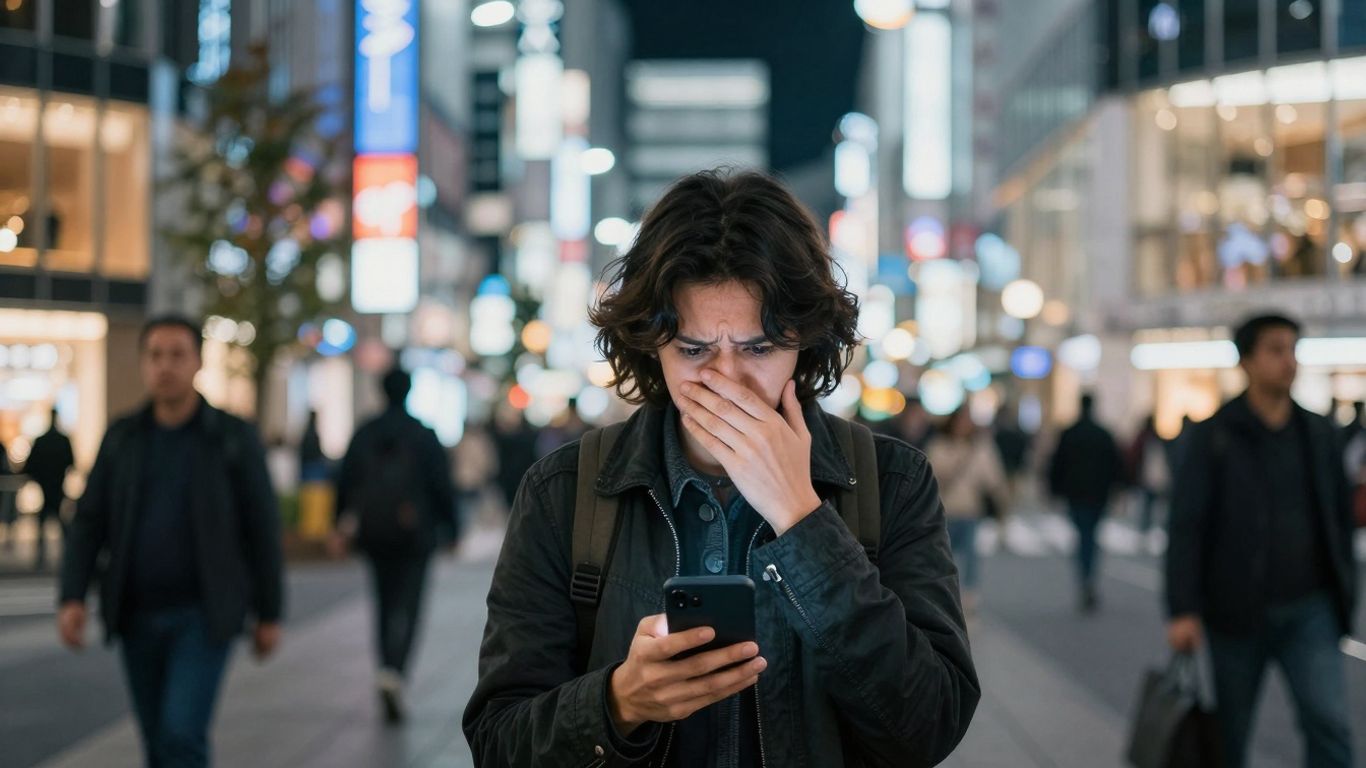
Even though Japan is known for its advanced technology, getting connected when you first arrive can be a bit of a puzzle, especially without speaking Japanese fluently. It’s not always as straightforward as you might expect.
Overcoming Complex Digital Verification Processes
Setting up accounts for things like banking or even getting a phone plan often involves verification steps that can feel really complicated. Many systems here lean heavily on security, which sometimes means more steps than you're used to. You might need physical documents, specific types of ID, or even a registered device. It’s a good idea to have copies of important papers handy and to ask for help if you’re unsure about what’s needed. Don't underestimate the time this can take; plan for it.
Finding International-Friendly Services in Tokyo
Tokyo is generally better equipped for English speakers than other parts of Japan. You'll find more banks, mobile carriers, and utility companies that offer services or support in English. However, these options might be limited, and sometimes the English support is basic. It’s worth doing some research beforehand to identify providers that cater to foreigners. Look for companies that advertise English websites or customer service lines. Sometimes, smaller, newer companies are more flexible than the big, established ones.
Mobile Connectivity as a Foundation
Getting a Japanese SIM card or a mobile phone contract is often one of the first things people need to do. It’s not just for calls and texts; it’s usually required to open a bank account or sign up for other services. This can create a bit of a catch-22 situation. You might need a bank account to get a phone, but you need a phone number to open a bank account. Temporary SIM cards from the airport or tourist-focused providers can be a lifesaver in the first few weeks. For longer stays, look into Mobile Virtual Network Operators (MVNOs), which often have simpler contracts and fewer requirements than the major carriers. They can be a more budget-friendly option too.
Here’s a quick look at common mobile provider types:
| Provider Type | Typical Requirements | Pros | Cons |
|---|---|---|---|
| Major Carriers (Docomo, au, SoftBank) | Japanese ID, Proof of Address, Credit History | Wide coverage, reliable service | Strict requirements, often need Japanese speaker |
| MVNOs (Rakuten Mobile, etc.) | Passport, Credit Card, sometimes Japanese address | More flexible contracts, often cheaper | Coverage can vary, customer service might be limited |
| Tourist SIMs | Passport | Immediate connectivity | Limited data, short-term use only |
The digital landscape in Japan often blends cutting-edge tech with traditional methods. Be prepared for processes that might seem unusual, like needing a physical token for online banking or having to visit a branch in person for certain transactions. Patience and a willingness to ask for help are your best tools here.
Building Social Connections in a New Environment
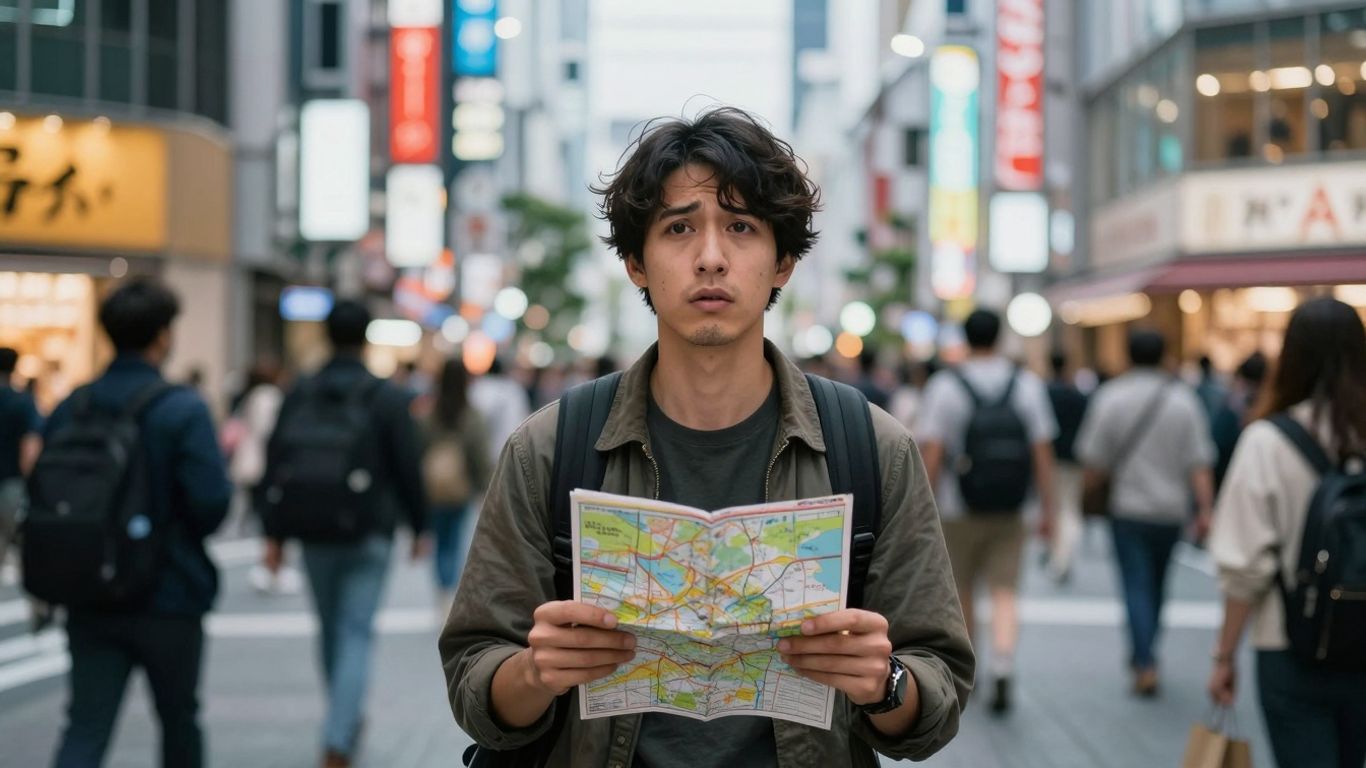
Making friends in a new country, especially one with different social norms like Japan, can feel like a puzzle. It's not always as simple as striking up a conversation at a coffee shop, like you might back home. Japanese social connections often form through more structured settings, and they tend to develop at a slower pace. It took me a good few months of showing up consistently to a local hiking group before I felt like I was truly part of the fold.
Leveraging Expatriate Networks and Online Communities
When you first land, online groups and platforms like Meetup can be a lifesaver. They're great for getting practical tips, finding out about local events, and connecting with other foreigners who are going through similar experiences. I found a Tokyo-specific Facebook group that was a goldmine for finding English-speaking doctors and understanding neighborhood quirks. It’s a good starting point, but don't let it become your whole social life.
Avoiding the 'Expat Trap': Integrating with Local Culture
It's easy to fall into the trap of only hanging out with other foreigners. While these connections are important for support, they can sometimes keep you from really experiencing Japanese culture. The goal is to find a balance between your expat circle and making an effort to connect with locals. This means stepping outside your comfort zone, maybe joining a local hobby club or attending community events. It's a bit like trying to learn a new recipe – you need a mix of familiar ingredients and some new ones to make something truly delicious.
The Value of Language Exchange Partnerships
Language exchange meetups are fantastic. You help someone practice English, and they help you with Japanese. It’s a win-win. These aren't just about grammar drills; they're structured opportunities to build relationships. You have a clear reason to meet up regularly, which can make the process of getting to know someone feel more natural and less forced. It’s a great way to bridge the cultural gap, one conversation at a time.
Building a social life here often requires a different approach than what you might be used to. It's less about spontaneous encounters and more about consistent participation in shared activities. Patience and a willingness to adapt are key.
Here are some common ways people connect:
- Online Platforms: Meetup, Facebook groups, and local forums for expats.
- Hobby Circles (Circles): Joining clubs for sports, arts, or other interests.
- Workplace Events: Participating in company gatherings and after-work drinks (nomikai).
- Language Exchange: Formal or informal partnerships for practicing languages.
- Community Events: Local festivals, neighborhood clean-ups, or volunteer activities.
So, What's the Takeaway?
Living in Tokyo without speaking Japanese definitely has its moments. You'll find yourself relying a lot on pointing, smiling, and hoping for the best. While the city is amazing and full of incredible experiences, there's this constant, low-level hum of things being just a bit harder than they need to be. It’s not about complaining, really, it’s just the reality of the situation. You learn to adapt, you pick up a few key phrases, and you develop a keen eye for non-verbal cues. But that underlying friction? It’s always there, a quiet reminder that you’re on the outside looking in, even when you’re right in the middle of it all. It makes you appreciate the small victories, like successfully ordering coffee or understanding a train announcement, that much more.
Frequently Asked Questions
Is it hard to live in Tokyo if I don't speak Japanese?
It can be challenging, especially at first. Many everyday things rely on understanding unspoken social rules and subtle communication. While you can get by with English in some tourist spots or international businesses, navigating daily life like shopping, banking, or dealing with landlords often requires some Japanese or help from others. It's like trying to solve a puzzle without all the pieces – you might figure it out, but it takes more time and effort.
What does 'high-context communication' mean in Japan?
Imagine a conversation where people don't say everything directly. In Japan, meaning is often found in the situation, body language, and what's *not* said, rather than just the words themselves. For example, saying 'That might be difficult' could politely mean 'No.' Learning to 'read the air' – understanding these hidden messages – is a big part of fitting in.
Will I always feel like an outsider in Japan?
Generally, yes. Even if you learn Japanese and understand the culture, you'll likely still be seen as a 'gaijin' (foreigner). This isn't always negative; sometimes it means people are more patient with you. However, it's important to accept this status and not fight it. Many foreigners find happiness by embracing this dual identity and finding a balance between their own culture and Japanese ways.
Are Japanese apartments usually furnished?
No, most apartments in Japan come completely empty. You'll often need to buy everything yourself, including things like light fixtures, curtains, and even major appliances like refrigerators. This can be a big surprise and an extra cost when you first move in. For shorter stays, renting a 'serviced apartment' might be a better option, though it costs more each month.
What's the deal with 'key money' for apartments?
'Key money,' or 'reikin,' is a special payment you give to the landlord when you rent an apartment. It's like a non-refundable gift and isn't for anything specific, just part of the culture. On top of rent and a security deposit, this can add up to a lot of money upfront, sometimes several months' rent, so it's important to budget for it.
How can I make friends in Tokyo if I don't speak much Japanese?
It takes effort, but it's definitely possible! Joining clubs or groups based on your hobbies (like sports, art, or gaming) is a great start. Online communities and apps like Meetup can connect you with other foreigners and locals. Language exchange partners are also fantastic – you help someone learn English, and they help you learn Japanese, building friendships along the way. The key is to try and connect with both other foreigners and Japanese people to get a fuller experience.
Filed under
The Moveandstay editorial team writes about serviced living, workspaces, and city guides across Asia-Pacific.
Read next

Serviced Offices Surge in Popularity as Businesses Embrace Flexible Leasing
May 3, 2026

Hong Kong Serviced Apartment Market Buzzes with Sales and Investment Activity Amidst Shifting Valuations
May 3, 2026

ONYX Hospitality Group Elevates Shama Serviced Apartments with New Lifestyle Concept and Ambitious Expansion
Apr 26, 2026