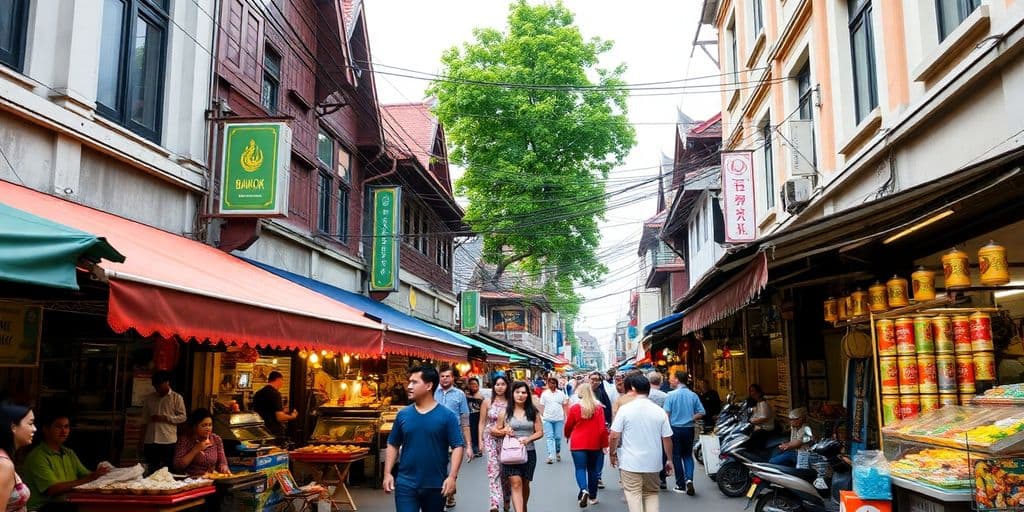
Bangkok, the bustling capital of Thailand, is a city that offers a unique blend of modernity and tradition. For many expats, moving here can be both exciting and daunting. The vibrant culture, delicious food, and friendly locals create an inviting atmosphere, but the challenges of adapting to a new environment can be significant. If you're considering making the leap to live in Bangkok, it's essential to understand what expat life in Bangkok truly entails.
Key Takeaways
- Expect a vibrant culture with a mix of traditional and modern influences.
- The cost of living can be low if you embrace local customs and cuisine.
- Traffic can be a nightmare, so plan your travel wisely.
- Healthcare and education are generally good, with many international options available.
- Building a community is important; seek out expat groups and local friendships.
Understanding Expat Life in Bangkok
Moving to a new country is always a big deal, and Bangkok is no exception. It's a city that throws a lot at you – amazing food, vibrant culture, and a totally different way of life. But it also comes with its own set of challenges. Let's break down what you can expect as an expat in Bangkok.
Cultural Adaptation
Getting used to a new culture is probably the biggest hurdle. Thai culture is very different from Western cultures in many ways. Things like the importance of respect (especially for elders), the concept of saving face, and the general laid-back attitude can take some getting used to. It's important to be patient and open-minded. Don't expect things to work the same way they do back home. Embrace the differences, and you'll find it much easier to settle in. I found that attending local festivals really helped me understand and appreciate the culture more. You can find a Bangkok expat guide online to help you prepare.
Social Integration
Making friends is key to feeling at home anywhere, and Bangkok is no different. It can be tricky at first, especially if you don't speak Thai. But there are plenty of ways to meet people. Joining expat groups is a good start, but don't be afraid to branch out and try to connect with locals. Taking a Thai language class can be a great way to do this. Also, remember that Thai people are generally very friendly and welcoming, so don't be shy about striking up conversations. I've found that shared activities, like sports or cooking classes, are great for building relationships.
Language Barriers
Speaking of language, it's definitely a barrier. While many people in Bangkok speak some English, especially in tourist areas, you'll find that it's not always enough. Learning at least some basic Thai will make your life much easier. It will help you with everything from ordering food to negotiating prices to just generally getting around. Plus, it shows respect for the local culture, which will go a long way. There are lots of language schools in Bangkok, and even just learning a few key phrases can make a big difference. I use a language learning app for about 15 minutes a day, and it's helped me immensely. Securing a job in Bangkok might even require some Thai language skills.
Living in Bangkok as an expat is a unique and enriching experience. The city’s vibrancy, cultural depth, and the affordability of everyday life are substantial draws. However, it’s not without its challenges, from adapting to the climate and navigating traffic to overcoming language barriers and administrative hurdles. But, with a proactive attitude and a willingness to integrate, the positives can significantly outweigh the negatives. My life in Bangkok has been a beautiful journey of discovery, learning, and personal growth, and I wouldn’t trade it for anything else. If you’re considering a move here, my advice is to dive in with an open heart and an open mind.
Navigating the Cost of Living
Bangkok, often touted as an affordable haven for expats, presents a mixed bag when it comes to finances. It's easy to fall into the trap of thinking everything is cheap, but that's not always the case. Your lifestyle choices will heavily influence your monthly expenses. Let's break down the main areas:
Housing Expenses
Housing is probably the biggest variable. You can find everything from budget-friendly apartments to luxury condos. Location is key; living closer to the city centre or along the BTS lines will cost more, but it'll save you time and money on transport. Consider these options:
- Apartments: Expect to pay anywhere from £400 to £1,500+ per month, depending on size, location, and amenities.
- Condos: Similar to apartments, but often with better facilities like gyms and swimming pools. Prices can range from £600 to £2,500+ per month.
- Houses: Generally located further from the city centre, houses offer more space but can be less convenient. Rental costs vary widely.
Food and Dining
Food can be incredibly cheap if you embrace local cuisine. Street food is delicious and affordable, but eating Western food regularly will quickly inflate your budget.
- Street Food: A meal can cost as little as £1-£3.
- Local Restaurants: Expect to pay around £5-£10 per person.
- Western Restaurants: Prices are comparable to Western countries, ranging from £15-£30+ per person.
- Groceries: Local markets are cheaper than supermarkets, but imported goods are significantly more expensive. If you're craving that specific brand of cheese from home, be prepared to pay a premium.
Transportation Costs
Bangkok offers a range of transport options, each with its own price point. The BTS Skytrain and MRT subway are efficient but can get crowded during peak hours. Taxis and ride-hailing services are readily available, but traffic can be a nightmare. Buses are the cheapest option, but they can be confusing to navigate.
- BTS/MRT: Fares range from £0.50 to £2 depending on the distance.
- Taxis: Relatively cheap, but make sure the metre is running. Expect to pay around £2-£5 for a short trip.
- Ride-Hailing (Grab): Similar to taxis, but often more convenient. Prices can fluctuate depending on demand.
- Buses: The cheapest option, with fares around £0.20-£0.50.
Living like a local is the key to saving money in Bangkok. Embrace the street food, shop at local markets, and use public transport. Trying to replicate a Western lifestyle will quickly drain your bank account. Remember that imported goods, especially alcohol and certain food items, are heavily taxed.
Ultimately, the cost of living in Bangkok is what you make it.
Exploring Employment Opportunities
So, you're thinking about working in Bangkok? Good choice! It's a vibrant city with a growing economy, but landing a job takes some planning. It's not quite as simple as rocking up and hoping for the best. Let's break down what you need to know.
Job Market Overview
Bangkok's job market is pretty diverse, with opportunities in various sectors. You'll find a lot of multinational companies have regional offices here, especially in finance, manufacturing, and IT. The city is also becoming a hub for startups, so there's a growing demand for tech skills. According to A.T. Kearney's Global Cities report, Bangkok ranks reasonably well in terms of business activity and human capital, which is a good sign. Securing a job in Bangkok before you arrive is highly recommended.
Teaching English
Teaching English is probably the most common way for expats to find work here. There are loads of international schools, language academies, and even regular schools that need native English speakers. You'll usually need a TEFL certificate, and some schools might want a degree. The pay can vary quite a bit, so do your research. If you get a job offer, you'll need to get a Non-Immigrant Visa Category "B" (Teaching).
Corporate Roles
If teaching isn't your thing, there are definitely other options. Bangkok has a thriving corporate scene, with opportunities in marketing, sales, finance, and IT. The competition can be tough, so make sure your CV is up to scratch and tailored to the Thai market. Networking is also key – get yourself out there and meet people in your industry. LinkedIn can be a good place to start your search.
Finding a job can take time, so be patient and don't give up. Use online job boards, recruitment agencies, and your own network to find opportunities. Tailor your CV and cover letter to each job you apply for, and be prepared to attend interviews. Good luck!
Healthcare and Education for Expats
Access to Medical Services
Getting sick in a new country is never fun, but Bangkok has a pretty good healthcare system, especially in the private sector. Most expats opt for private medical insurance because it gives you access to better facilities and shorter waiting times. Public hospitals are available, but language can be a barrier, so private is often the way to go. Many private hospitals are top-notch, with modern equipment and English-speaking staff.
It's a good idea to have some cash or a credit card specifically for medical expenses, as you'll usually need to pay upfront for consultations and treatments. Also, keep your insurance documents, passport, and work permit handy in case of emergencies. Before you even arrive, it's worth checking what vaccinations you might need for tropical diseases. You can explore health care degree programmes if you are interested in working in the field.
It's wise to make a list of nearby private hospitals, including their emergency numbers, near your home, workplace, and your children's school. If you have any specific allergies or medical conditions, keep a copy of that information with you too.
International Schools
If you're moving to Bangkok with kids, education is probably a big concern. Luckily, there are plenty of international schools to choose from, offering various curricula like British, American, and International Baccalaureate (IB). The quality of education is generally high, but competition for places can be fierce, so it's best to apply early. Here are some things to consider:
- Curriculum: Decide which curriculum best suits your child's needs and future educational goals.
- Location: Consider the school's proximity to your home and the ease of commuting.
- Fees: International school fees can be quite high, so factor this into your budget.
Higher Education Options
Bangkok also has several universities, both public and private. Some offer programmes in English, which might be an option if you're looking to continue your studies or pursue further qualifications while living in Bangkok. These are some popular options:
- Assumption University (ABAC): Known for its business and technology programmes.
- Mahidol University International College (MUIC): Offers a range of undergraduate and postgraduate degrees in English.
- Chulalongkorn University: Thailand's oldest university, with some international programmes.
It's worth researching the specific programmes and entry requirements to see if they align with your academic background and career aspirations.
Transportation and Traffic Challenges
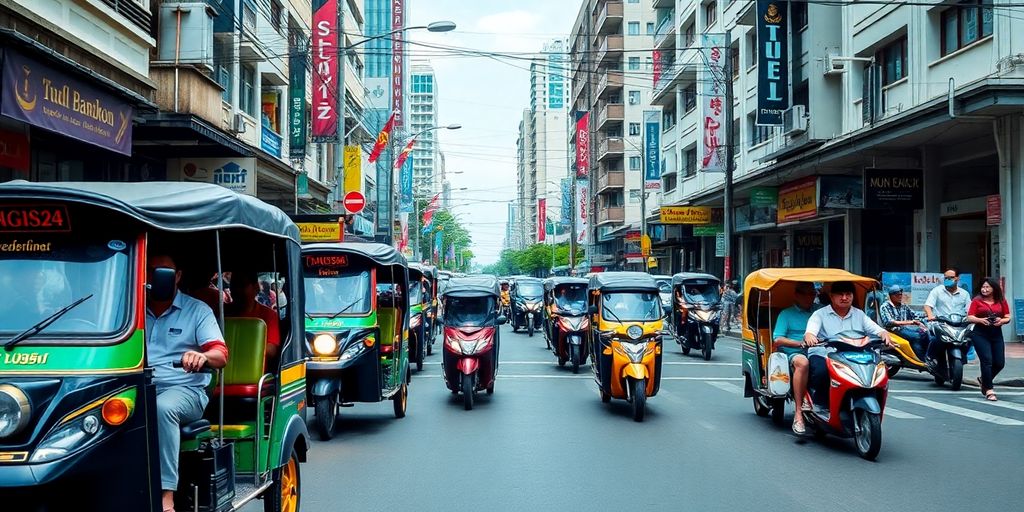
Bangkok, like any major metropolis, presents its fair share of transportation quirks. Getting around can be an adventure, to say the least. From navigating the infamous traffic jams to figuring out the public transport, it's all part of the experience. It's definitely something to consider when planning your move.
Public Transport System
Bangkok's public transport is a mixed bag. You've got the BTS Skytrain and MRT Subway, which are generally efficient and air-conditioned – a lifesaver in the Bangkok heat. These elevated and underground systems are great for getting around the city centre quickly. However, they don't cover all areas, and you might need to combine them with other options. Buses are plentiful and cheap, but they can get stuck in traffic. There are also motorcycle taxis and tuk-tuks, which are fun but require some bargaining skills. Commuting by boat services along the Chao Phraya River is also a popular option, offering a unique perspective of the city.
- BTS Skytrain: Fast and efficient for central areas.
- MRT Subway: Another good option for avoiding traffic.
- Buses: Cheap but can be slow due to traffic.
Traffic Congestion
Ah, the Bangkok traffic. It's legendary, and not in a good way. Peak hours can be brutal, and even short distances can take ages. The sheer number of vehicles on the road, combined with the city's layout, creates bottlenecks everywhere. It's not unusual for a 7km ride to take over an hour during rush hour. Planning your journeys carefully and allowing extra time is essential. Consider alternative routes or transport methods to avoid the worst of it. The traffic jams are a real issue.
Living in Bangkok means accepting that traffic will be a part of your daily life. It's best to develop a zen-like attitude and find ways to entertain yourself while stuck in gridlock. Audiobooks, podcasts, or even learning Thai phrases can help pass the time.
Alternative Travel Options
Beyond the usual suspects, there are other ways to get around Bangkok. Motorcycle taxis can weave through traffic, but they're not for the faint of heart. Cycling is becoming more popular, but it's not always safe due to the traffic. Walking is an option for short distances, but the heat and humidity can be challenging. Ride-hailing apps like Grab are widely used and can be convenient, but prices can surge during peak hours. Consider the transportation options carefully.
| Transport Type | Pros | Cons |
|---|---|---|
| BTS/MRT | Fast, air-conditioned | Limited coverage |
| Bus | Cheap | Slow, traffic-dependent |
| Taxi | Convenient | Can be expensive, traffic-dependent |
| Motorcycle Taxi | Fast, avoids traffic | Can be dangerous |
| Boat | Scenic, avoids some traffic | Limited routes, can be crowded |
Embracing the Local Culture
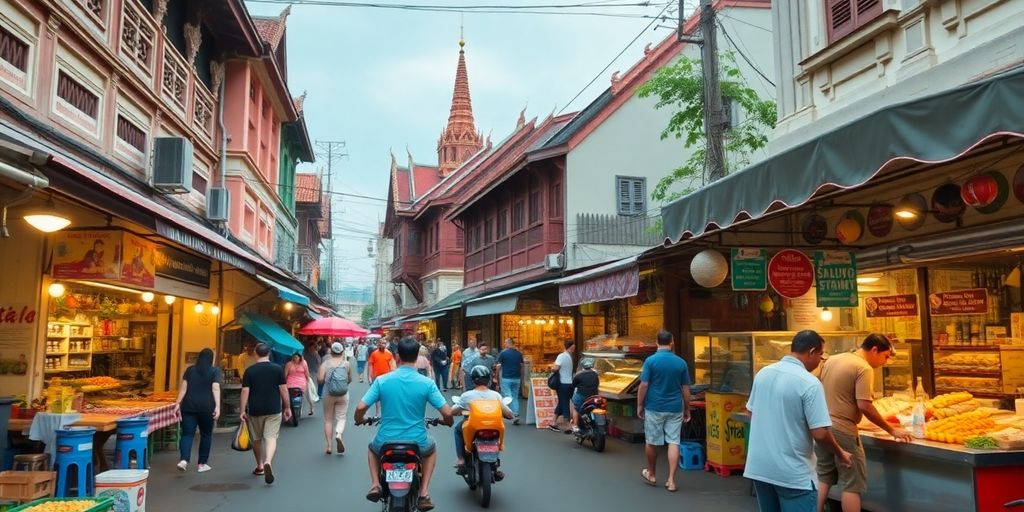
Moving to a new country is always a bit of a culture shock, isn't it? Bangkok is no exception. But honestly, embracing the local culture is what makes living here so amazing. It's not just about seeing the sights, it's about getting involved and understanding the Thai way of life. It's about more than just seeing the temples; it's about understanding the beliefs behind them.
Festivals and Events
Bangkok is a city that loves a good celebration. There's always something going on, from religious festivals to cultural events. Songkran (Thai New Year) is an absolute must-see – prepare to get soaked! Loy Krathong, the festival of lights, is another beautiful event where you can release a decorated float onto the river. Getting involved in these festivals is a great way to experience Thai culture firsthand and meet new people. Plus, it's just a lot of fun!
- Songkran (Thai New Year): Water fights galore!
- Loy Krathong: Release a floating lantern.
- Visakha Bucha Day: A major Buddhist holiday.
Cuisine and Dining
Okay, let's be real, the food is one of the biggest draws of Bangkok. Street food is everywhere, and it's incredibly cheap and delicious. Don't be afraid to try new things – you might just discover your new favourite dish. From Pad Thai to mango sticky rice, there's something for everyone. And if you're feeling adventurous, why not try a cooking class? You can learn to make your own Thai dishes and impress your friends back home. I've found that trying new local cuisine is a great way to connect with the culture.
- Explore street food stalls.
- Take a Thai cooking class.
- Learn to appreciate the spice levels.
Art and Entertainment
Bangkok has a thriving art scene, from traditional Thai art to contemporary galleries. You can visit museums, temples, and historical sites to learn about the country's rich history. There are also plenty of modern art galleries showcasing the work of local artists. And when it comes to entertainment, Bangkok has it all. From rooftop bars with stunning views to live music venues and traditional Thai dance performances, you'll never be bored. I've found that exploring the art scene is a great way to understand the culture.
Immersing yourself in the local culture is key to a fulfilling expat experience. It's about being open to new experiences, respecting local customs, and making an effort to connect with the Thai people. It's not always easy, but it's definitely worth it.
Finding Community and Support
Moving to a new country can be isolating, but Bangkok has plenty of ways to connect with others. It's all about finding what works for you and putting yourself out there. Don't be afraid to try different things until you find your tribe.
Expat Networks
Bangkok boasts a thriving expat scene, with numerous groups catering to various interests. These networks are a great starting point for meeting people and getting advice. You'll find groups for everything from sports and hobbies to professional networking and social events. Facebook groups are a good place to start, as are websites like Meetup. You can find apps and communities to connect with new friends.
Local Friendships
While expat networks are helpful, don't underestimate the value of making local friends. It's easy to stay in the "expat bubble", but engaging with Thai culture will enrich your experience. Here's a few ideas:
- Take a Thai language class. It's a great way to learn the language and meet locals.
- Join a local sports team or fitness group. Running clubs are popular.
- Volunteer for a local charity. It's a rewarding way to give back and connect with the community.
Making local friends takes effort, but it's worth it. You'll gain a deeper understanding of Thai culture and have a more authentic experience.
Online Resources
There are many online resources to help you connect with others in Bangkok. These can be useful for finding information, asking questions, and meeting people. Some popular options include:
- Expat forums: These forums are a great place to ask questions and get advice from other expats.
- Facebook groups: There are many Facebook groups for expats in Bangkok, covering a wide range of interests.
- Online dating apps: While primarily for dating, these apps can also be a way to meet new people and make friends.
Final Thoughts on Expat Life in Bangkok
Living in Bangkok as an expat is quite the adventure. Sure, the city can be overwhelming at times, with its bustling streets and relentless heat, but there's a charm to it that keeps you coming back for more. You'll find a mix of cultures, delicious food, and a vibrant community that makes it feel like home. Yes, there are challenges—traffic can be a nightmare, and the language barrier might trip you up now and then. But if you keep an open mind and embrace the chaos, you'll discover a city full of opportunities and experiences. So, if you're thinking about making the move, just go for it. You might just find that Bangkok has a lot to offer, and who knows? You might end up loving it more than you expected.
Frequently Asked Questions
What is it like living in Bangkok as an expat?
Living in Bangkok can be exciting and challenging. The city is busy and full of life, with many things to see and do. However, you might find the traffic and humidity a bit overwhelming at first.
How much does it cost to live in Bangkok?
The cost of living in Bangkok can vary. If you eat local food and live simply, it can be quite affordable. However, if you prefer Western-style living, costs can go up.
Is it easy to find a job in Bangkok?
Finding a job in Bangkok is possible, especially in teaching English or in multinational companies. It’s best to secure a job before moving.
What healthcare options are available for expats?
Bangkok has many hospitals and clinics, both public and private. Most expats choose private healthcare for better service.
Are there good schools for expat children?
Yes, Bangkok has many international schools that cater to expat families, offering various curriculums and languages.
How can I meet other expats in Bangkok?
Joining expat groups online or attending local events can help you meet other expats and make friends in the city.
The Moveandstay editorial team writes about serviced living, workspaces, and city guides across Asia-Pacific.