
Kuala Lumpur vs Singapore: where money actually goes further
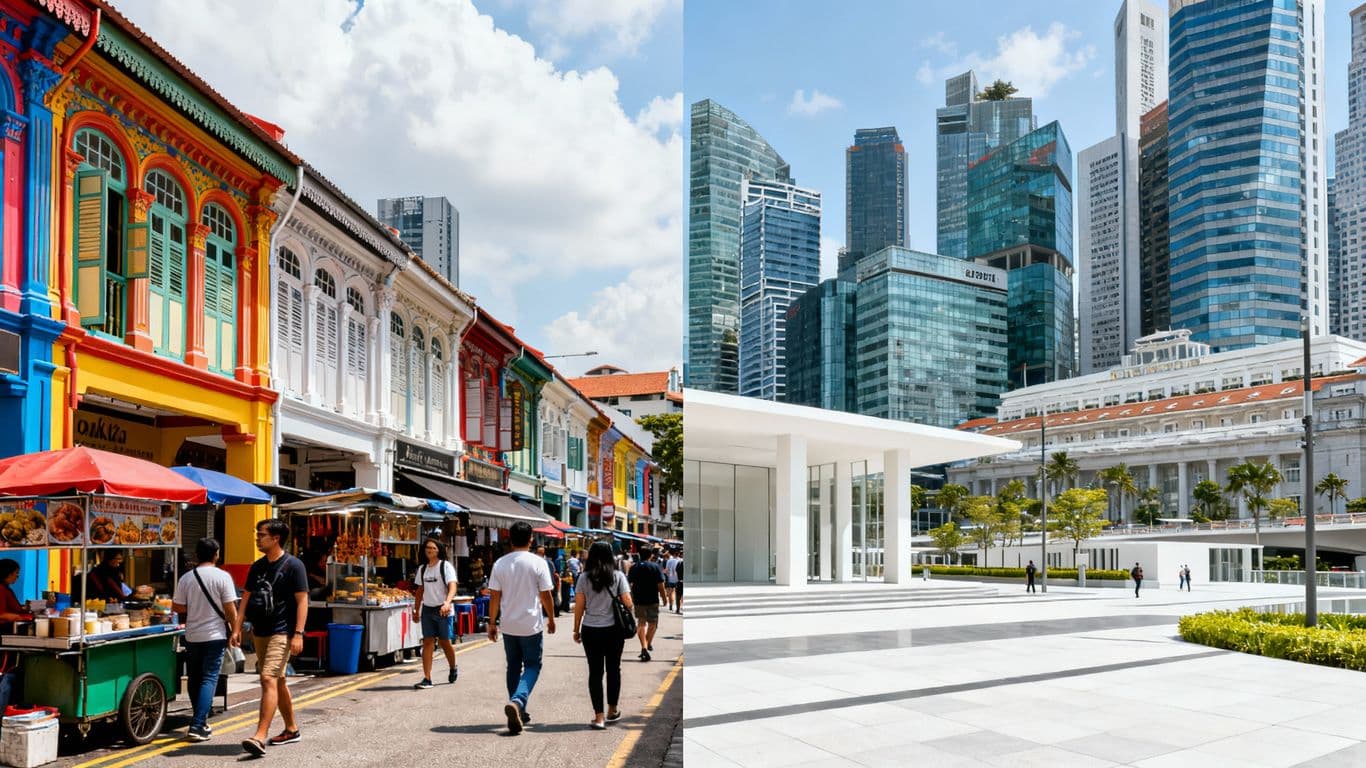
Deciding between Kuala Lumpur and Singapore for your next trip or even a longer stay? It's a common question, especially since they're so close and share a lot of history. But when it comes to your wallet, where does your money actually stretch further? We're going to break down the costs of living, eating, and staying in these two vibrant cities to help you figure out which one offers more bang for your buck.
Key Takeaways
- When it comes to accommodation, Singapore generally leans towards luxury stays and higher rental prices, while Kuala Lumpur offers more budget-friendly options, making it attractive for those watching their spending. Serviced apartments Singapore can be pricey, but sometimes offer better value than hotels for longer stays.
- Food costs can vary greatly in both cities. While both offer fantastic street food, Singapore boasts more international and Michelin-starred restaurants, which come at a higher price point. Kuala Lumpur often has more readily available Halal options due to its larger Muslim population.
- Daily expenses, especially transportation, tend to be more affordable in Kuala Lumpur. Singapore's public transport is highly efficient but can add up, while KL's infrastructure might require more personal transport, though costs are generally lower.
- Many expatriates are choosing to relocate from Singapore to Kuala Lumpur to significantly lower their cost of living, especially due to rising rents in Singapore. This move is often driven by the desire for financial benefits and a better lifestyle balance.
- Singapore excels as a business and financial hub, offering a glitzier, safer environment that attracts global talent. Kuala Lumpur, on the other hand, provides better value for money, access to nature, and a more adventurous travel experience for budget-conscious individuals.
Navigating Accommodation Costs: Singapore vs. Kuala Lumpur
When you're figuring out where your money will stretch the furthest, the place you lay your head at night is a big part of the puzzle. And when comparing Singapore and Kuala Lumpur, accommodation is definitely where you'll see some of the biggest differences.
Luxury Stays and Budget Breaks
If you're dreaming of five-star hotels with all the trimmings, Singapore is probably where you'll find the most opulent options. Think world-class service, stunning city views, and amenities that make you feel like royalty. It's the place for that ultimate splurge, a real treat-yourself kind of stay. On the flip side, if your wallet is feeling a bit lighter, or you're just not looking to spend a fortune on where you sleep, Kuala Lumpur really shines. You can find some pretty comfortable and well-located places in KL without emptying your bank account. It's often the go-to for travelers looking for a more budget-friendly getaway.
Understanding Rental Market Dynamics
Renting an apartment long-term tells a different story. Singapore's rental market has seen some serious jumps in prices lately. We're talking significant increases, sometimes 20-30% or even more in a single year. This has pushed some people, even expats who were initially drawn to the city's buzz, to look elsewhere. Landlords are raising rents, and it's becoming a real challenge for many to keep up. It feels like the city's popularity is really driving up demand, and consequently, the cost.
Serviced Apartments Singapore: A Comparative View
Serviced apartments can be a good middle ground, offering more space and amenities than a hotel but with less commitment than a long-term rental. In Singapore, these can still be quite pricey, especially in prime locations. They offer convenience, often including housekeeping and utilities, but you're paying a premium for that ease. While they provide a comfortable base, especially for longer stays or business trips, the cost can add up quickly compared to similar options in Kuala Lumpur. In KL, you'll likely find serviced apartments that offer more space and better value for your money, making them a very attractive option for those seeking comfort without the hefty Singaporean price tag.
The Culinary Divide: Flavors and Value
When you think about food in Southeast Asia, both Singapore and Kuala Lumpur (KL) probably come to mind. They share a lot of culinary DNA, with many dishes you'll find in one city also present in the other. It's almost a friendly rivalry, with each country claiming ownership of popular dishes like Nasi Lemak or Hainanese Chicken Rice. But when you look closer, there are some pretty big differences, especially when it comes to your wallet.
Street Food Authenticity
Both cities boast incredible street food scenes, but KL really shines here if you're looking to stretch your dollar. You can grab a filling and delicious meal for just a few Malaysian Ringgit. Think satay skewers, flavorful noodle soups, and local curries. Singapore also has its hawker centers, which are fantastic and offer amazing food, but generally, you'll find the prices a bit higher. It's not a huge difference for a single meal, but over a week or a month, it adds up.
Kuala Lumpur offers more bang for your buck when it comes to authentic, everyday street eats. While Singapore's hawker culture is world-renowned and definitely worth experiencing, the cost per dish tends to be a little steeper. For instance, a plate of Char Kway Teow might cost you a bit less in KL than in Singapore. It’s a trade-off between price and perhaps a slightly more polished, albeit still delicious, experience in Singapore.
International Dining and Michelin Stars
If you're a foodie who loves exploring beyond local flavors, Singapore pulls ahead. The city-state has a much larger concentration of international restaurants, from casual eateries to high-end fine dining. It's also home to a significant number of Michelin-starred establishments. You can find almost any cuisine imaginable, prepared by world-class chefs. KL has international options, of course, but the sheer variety and density in Singapore are hard to match. This comes with a price tag, though. A meal at a top-tier restaurant in Singapore can be considerably more expensive than a comparable, though perhaps less famous, option in KL.
Halal Options and Pork-Based Delicacies
This is where the cultural makeup of each city really influences the food scene. Kuala Lumpur, with its larger Muslim population, offers an extensive array of Halal-certified eateries. Finding delicious Halal food is incredibly easy and diverse. On the flip side, if you're looking for authentic Chinese cuisine that heavily features pork, Singapore might be your better bet. While you can find pork dishes in KL, the more traditional, pork-centric Chinese culinary experiences are often more readily available and celebrated in Singapore. It’s a matter of preference and what kind of culinary adventure you’re seeking.
The food scene in both cities is a reflection of their diverse populations and histories. While KL excels in offering budget-friendly, authentic local flavors and abundant Halal choices, Singapore provides a broader spectrum of international cuisine and a higher density of fine dining, albeit at a higher cost. Your choice really depends on whether you prioritize value and local authenticity or variety and high-end international options.
Lifestyle and Daily Expenses
When you're figuring out where your hard-earned cash will stretch the most, looking at daily life and how you spend your money is key. It's not just about rent or big purchases; it's the little things that add up, day in and day out.
Transportation and Commuting
Getting around is a big part of daily life, and the differences between Singapore and Kuala Lumpur are pretty stark. Singapore boasts a super efficient and extensive public transport system. The MRT (Mass Rapid Transit) and bus networks are clean, reliable, and cover most of the island. It's easy to get anywhere without a car, and fares are reasonable, though they have seen some increases. For example, a typical Grab ride that used to cost around S$12-14 might now be S$22-25.
Kuala Lumpur, on the other hand, has a public transport system that's still developing. While there are LRT (Light Rail Transit) and monorail lines, they don't cover the city as comprehensively as Singapore's MRT. Many residents find they really need a car to get around comfortably, especially if they live outside the main city center. This means dealing with traffic, which can be pretty bad during peak hours, and the costs associated with owning and maintaining a vehicle. However, ride-sharing services like Grab are widely available and generally cheaper than in Singapore, especially when you consider the exchange rate. For instance, a GrabFood order might cost around 30 Malaysian Ringgit (about $6.55 USD).
Cost of Living Comparisons
Let's break down some everyday costs. Prices can really vary, but here's a general idea:
| Item | Singapore (approx. USD) | Kuala Lumpur (approx. USD) |
|---|---|---|
| Basic Utilities (3-bed apt) | $150 - $250 | $70 - $120 |
| Local Beer (0.5L) | $8 - $12 | $3 - $5 |
| Cappuccino | $4 - $6 | $2.50 - $4 |
| Monthly Gym Membership | $70 - $150 | $30 - $60 |
| Cinema Ticket | $10 - $15 | $5 - $8 |
It's clear that on many day-to-day items, your money will go significantly further in Kuala Lumpur. This is largely due to the favorable exchange rate between the Malaysian Ringgit and the Singapore Dollar.
Everyday Spending Habits
People's spending habits naturally shift based on what's available and affordable. In Singapore, with its high cost of living, many expats and locals alike tend to be more mindful of their spending on non-essentials. Dining out at hawker centers is popular and relatively affordable, but even those costs have crept up. International dining and high-end options are plentiful but come with a hefty price tag.
In Kuala Lumpur, there's a greater sense of freedom in everyday spending for many. You can enjoy a wider range of activities and dining experiences without feeling the constant pressure of high costs. Whether it's grabbing street food, enjoying a more elaborate meal, or indulging in a hobby, the lower cost of living allows for more flexibility. This is why many expats find they can save a lot more money when living in KL, even if their income is lower than it would be in Singapore. It's a trade-off that many are willing to make for a better quality of life or simply more disposable income. For those looking to relocate, considering cities like Kuala Lumpur can be a smart financial move, as highlighted in discussions about top cities for expats.
The difference in daily expenses between Singapore and Kuala Lumpur isn't just about numbers; it's about the lifestyle those numbers allow. In Singapore, efficiency and order come at a premium, meaning everyday choices often involve a higher cost. In Kuala Lumpur, there's a more relaxed approach, and the lower cost of living opens up more possibilities for leisure and discretionary spending without the same financial strain.
Expatriate Perspectives on Cost of Living
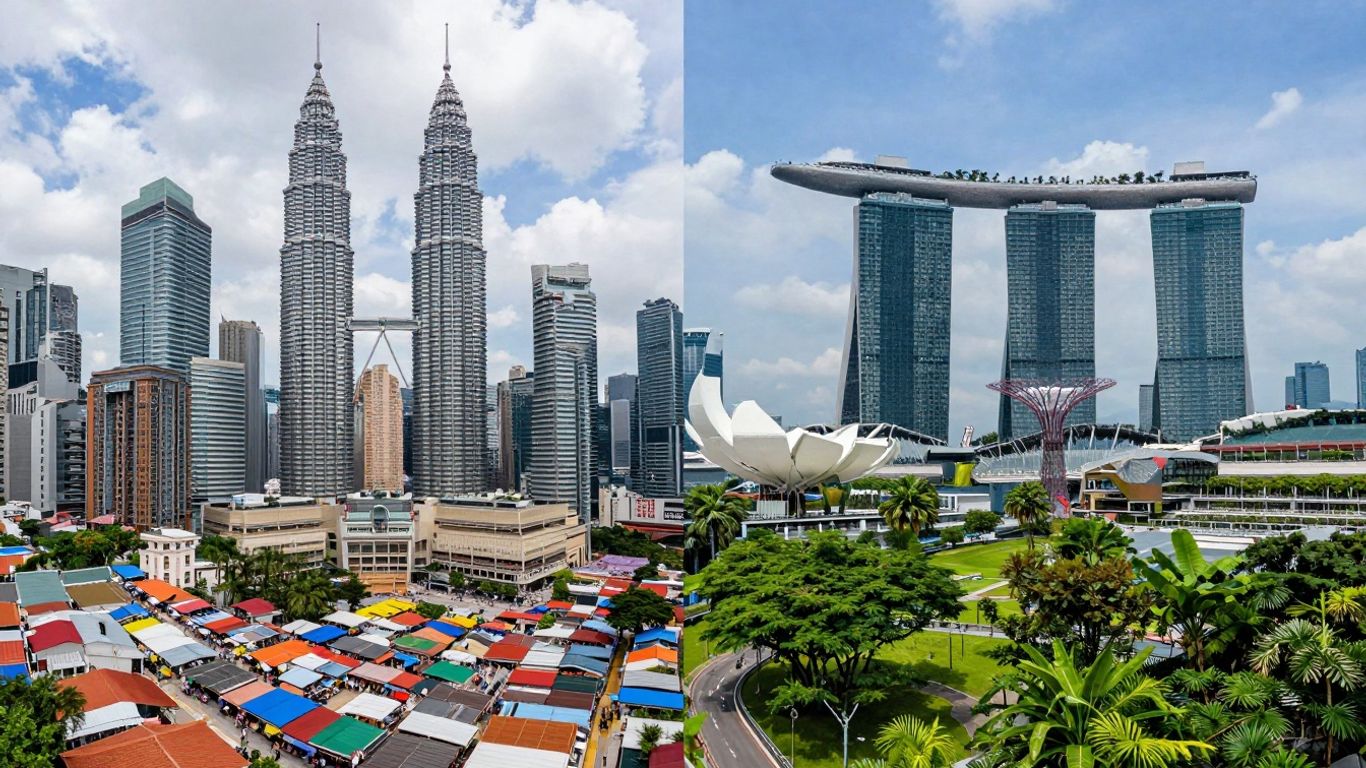
It's no secret that the cost of living in Singapore has been climbing, and for many expats, this has meant re-evaluating their budgets. We're seeing a trend where folks who once called Singapore home are now looking south to Kuala Lumpur, seeking a more wallet-friendly lifestyle. It's not just about saving a few bucks; for some, it's about making their money stretch further so they can actually enjoy their time abroad, maybe even travel more.
Relocating for Financial Benefits
Many expats are finding that the financial pressures in Singapore, particularly rising rents, are pushing them to consider alternatives. Take Benedikt Becker, for example. He moved from a one-bedroom condo in Singapore to a co-living space in KL, taking a pay cut but saving significantly. He mentioned his Grab rides alone in Singapore had nearly doubled in price. This kind of shift isn't uncommon. People are looking at their overall expenses and realizing that a move to a city like Kuala Lumpur can offer a similar quality of life, but at a fraction of the cost.
Impact of Rising Rents in Singapore
Singapore's rental market has seen some serious spikes. We're talking about rent increases of 20-30% becoming more common, and in some cases, even higher. For a one-bedroom apartment, rents that were once manageable have jumped to figures that make even well-paid professionals pause. This has led some to seek out shared living arrangements or even work remotely from other countries while keeping a small base in Singapore, just to manage the housing costs.
Expats Choosing Kuala Lumpur for Savings
So, why KL? It often comes down to simple math. Your money just goes further. Daily expenses, from food to transportation, are generally lower. This allows expats to maintain a comfortable lifestyle, perhaps dine out more often, or save more aggressively. It's about finding that balance where you can live well without constantly worrying about the next bill. For many, Kuala Lumpur offers that sweet spot, providing a vibrant city experience without the hefty price tag.
Here's a quick look at how some costs can stack up:
| Expense Category | Singapore (Approx. SGD) | Kuala Lumpur (Approx. MYR) | Notes |
|---|---|---|---|
| One-Bedroom Apartment | $2,200 - $3,000+ | $500 - $1,000 | Prices vary greatly by location and size |
| Local Meal (Street Food) | $3 - $6 | $2 - $4 | Per person |
| Public Transport (Monthly) | $100 - $150 | $30 - $50 | |
| Grab/Ride-sharing (Short) | $8 - $15 | $3 - $6 |
The decision to move often hinges on a personal cost-benefit analysis. While Singapore offers undeniable advantages in terms of infrastructure and business opportunities, the sheer difference in living expenses can be a deciding factor for many expatriates looking to maximize their savings or simply reduce financial stress.
Singapore's Appeal: Efficiency and Business Hub
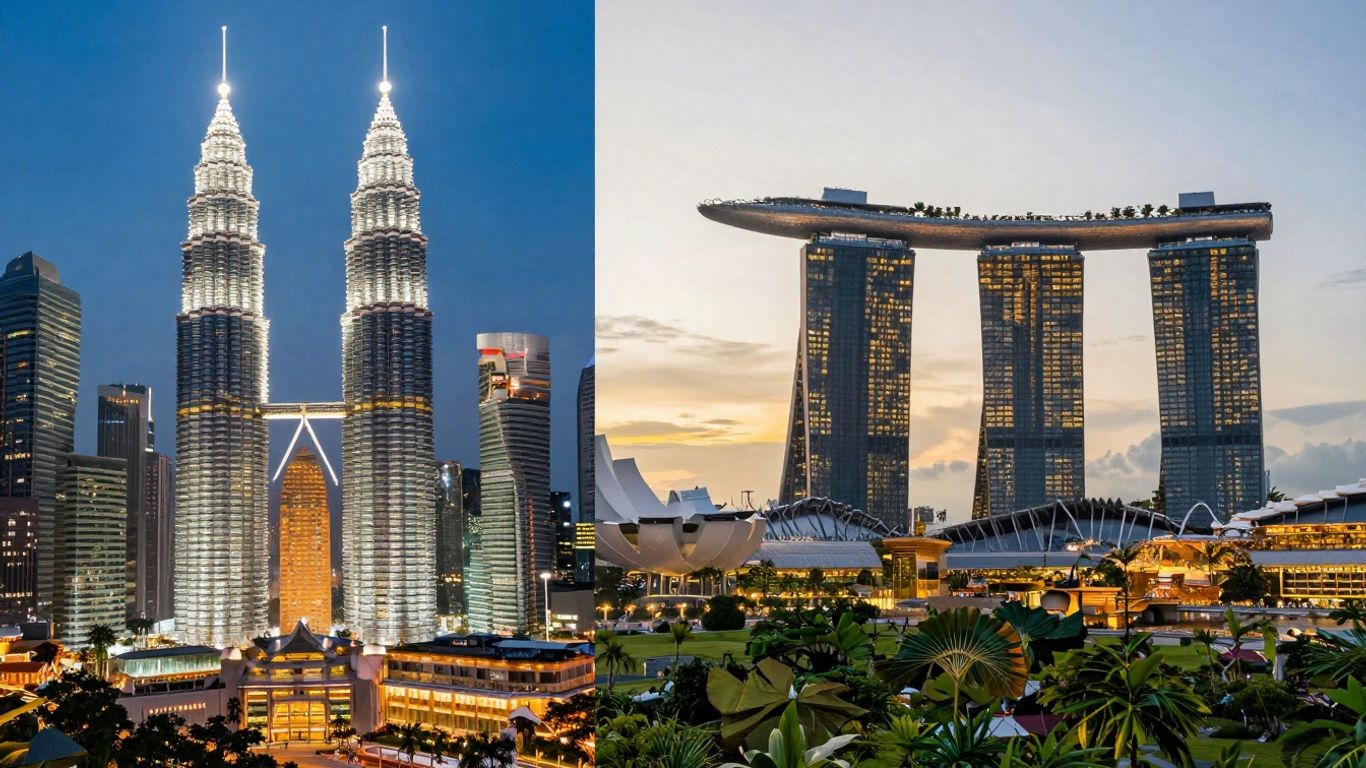
Even with the rising costs, Singapore continues to hold its ground as a top-tier destination for businesses and professionals. It's not just about the shiny skyscrapers; there's a real engine humming beneath the surface that draws in global talent and investment. The city-state is a powerhouse when it comes to efficiency and its role as a major business center in Asia. This reputation is built on a foundation of stability, excellent infrastructure, and a forward-thinking approach to commerce.
The Glitzier, Safer Option
When people think of Singapore, images of a clean, orderly, and safe environment often come to mind. This perception isn't just for show. The city consistently ranks high in global safety indexes, which is a big draw for individuals and families looking for peace of mind. Coupled with its modern amenities and impressive skyline, it presents a polished image that many find appealing. It's the kind of place where you can walk around late at night without a second thought, and that sense of security is a significant factor for many expats.
Vibrant Business and Startup Scene
Singapore has cultivated an environment that's incredibly supportive of new ventures and established corporations alike. It's a place where innovation is encouraged, and connecting with industry leaders is relatively straightforward. You'll find a constant buzz of networking events, conferences, and meetups, making it easier to build professional relationships and stay ahead of industry trends. This dynamic ecosystem is a major reason why many entrepreneurs and tech companies choose Singapore as their base for tapping into the Asian market.
Attracting Global Talent
Several factors contribute to Singapore's ability to attract skilled workers from around the world. Beyond the safety and business opportunities, the government has implemented policies aimed at bringing in top talent. Programs like the Overseas Networks & Expertise (ONE) Pass make it easier for highly qualified individuals to work and live in the city. While rental prices have seen an increase, the overall package – including low tax rates and a family-friendly atmosphere – still makes Singapore a compelling choice for many.
The city's commitment to maintaining a high standard of living, combined with its strategic location and robust legal framework, creates a unique environment that fosters business growth and personal development.
Here's a quick look at why Singapore remains a magnet for professionals:
- Safety and Security: Consistently ranked among the safest cities globally.
- Business Ecosystem: A thriving hub for startups, finance, and multinational corporations.
- Connectivity: Excellent transport links and a strategic position in Southeast Asia.
- Government Support: Policies designed to attract and retain international talent.
- Quality of Life: High standards in healthcare, education, and public services.
Kuala Lumpur's Advantages: Value and Nature
When you're looking at where your money can stretch a bit further, Kuala Lumpur (KL) really shines, especially when you stack it up against its more polished neighbor, Singapore. It’s not just about saving a few bucks; it’s about getting more for what you spend, whether that’s on daily life or weekend adventures.
More Bang for Your Buck
Let's be real, the exchange rate plays a big part here. The Malaysian Ringgit simply doesn't go as far as the Singapore Dollar, meaning your hard-earned cash buys you more in KL. This difference is noticeable across the board, from your morning coffee to your rent.
Here’s a rough idea of how daily expenses can stack up:
| Item | Kuala Lumpur (approx. MYR) | Singapore (approx. SGD) | Notes |
|---|---|---|---|
| Local Meal (Hawker) | 10 - 15 | 5 - 8 | KL meals are generally cheaper |
| Coffee | 8 - 12 | 4 - 6 | Similar prices, but KL can be cheaper |
| Public Transport (1 trip) | 1 - 3 | 1 - 2.5 | KL's system is cheaper but less extensive |
| Monthly Rent (1-bed apt) | 1,500 - 3,000 | 2,500 - 4,000+ | Significant savings in KL |
The cost of living in Kuala Lumpur is noticeably lower than in Singapore, allowing for a more relaxed budget. Rent, in particular, can be a huge differentiator, freeing up funds for other experiences or savings.
Access to Natural Attractions
Beyond the city limits, KL offers a gateway to some incredible natural beauty that's often just a short trip away. Think lush rainforests, stunning beaches, and highlands that offer a cool escape from the urban heat.
- Cameron Highlands: Famous for its tea plantations and cool mountain air, it's a perfect spot for a weekend getaway. You can explore the rolling hills, visit strawberry farms, and enjoy a cup of freshly brewed tea.
- Beaches near KL: While not as famous as those in other parts of Malaysia, you can find decent beaches within a few hours' drive, like those in Port Dickson, offering a chance to relax by the sea.
- Taman Negara: One of the world's oldest rainforests, it's a haven for nature lovers. Activities include jungle trekking, canopy walks, and spotting diverse wildlife.
Adventure and Budget Travel
For the adventurous soul, KL is a fantastic base. The lower cost of living means you can afford to explore more, both within the city and further afield in Malaysia. Weekend trips that might strain the budget in Singapore are often much more accessible from KL.
Traveling around Malaysia from KL is generally more affordable. Whether you're hopping on a bus to explore historical cities like Melaka or taking a budget flight to the island of Langkawi, your money stretches further, allowing for more spontaneous trips and a richer travel experience.
This makes KL a great choice if you want to balance city living with a passion for exploring the wider region without breaking the bank.
So, Where Should You Go?
Alright, so after all that, where does your money actually stretch further? If you're looking for a place where your dollar goes the furthest, especially for everyday things like food and accommodation, Kuala Lumpur is probably your best bet. It's more laid-back and offers a lot of bang for your buck, particularly if you're happy with street food and don't mind a less polished vibe. Singapore, on the other hand, is undeniably slick, safe, and efficient. It's great for a city break with top-notch international dining and luxury stays, but you'll definitely feel it in your wallet. Think of KL for value and adventure, and Singapore for convenience and a bit of glitz, if budget isn't your main concern.
Frequently Asked Questions
Which city is cheaper for accommodation, Singapore or Kuala Lumpur?
Kuala Lumpur is generally much cheaper for accommodation. You can find more affordable places to stay, whether you're looking for a fancy hotel or a simple room. Singapore's hotels and rental prices have gone up a lot, making it more expensive.
Is food more affordable in Singapore or Kuala Lumpur?
You can find cheap and tasty street food in both cities. However, if you're on a tight budget and want to eat out a lot, Kuala Lumpur usually offers more options for your money. Singapore has more fancy international restaurants, which can be pricey.
Which city is better for getting around?
Singapore has a really good and easy public transportation system, like buses and trains, that can take you almost anywhere. In Kuala Lumpur, getting around can be trickier, and you might need a car, but traffic can be bad.
Are there more Halal food options in Kuala Lumpur or Singapore?
Because Malaysia has a larger Muslim population, Kuala Lumpur generally offers more Halal food choices. Singapore also has Halal options, but KL might have a wider variety, especially if you're looking for traditional dishes.
Which city is considered safer and cleaner?
Singapore is known for being very clean, safe, and well-organized. It has a more polished feel. Kuala Lumpur is also safe, but Singapore often gets the nod for its overall tidiness and efficient city planning.
Is it worth moving from Singapore to Kuala Lumpur to save money?
Many people find that their money goes much further in Kuala Lumpur. If saving money is a big goal and you're okay with a slightly less polished environment, moving to KL can be a good financial decision. Some expats have done this to cut down on high living costs in Singapore.
Filed under
The Moveandstay editorial team writes about serviced living, workspaces, and city guides across Asia-Pacific.
Read next

Serviced Offices Surge in Popularity as Businesses Embrace Flexible Leasing
May 3, 2026

Hong Kong Serviced Apartment Market Buzzes with Sales and Investment Activity Amidst Shifting Valuations
May 3, 2026

ONYX Hospitality Group Elevates Shama Serviced Apartments with New Lifestyle Concept and Ambitious Expansion
Apr 26, 2026