

Thinking about moving to Kuala Lumpur or just visiting for a while? It's a city that can be super affordable, really, you just have to know where to look and what to avoid. Many people think it's going to be expensive, but that's often because they make a few common slip-ups. We're going to break down how to keep your cost of living in Kuala Lumpur for expats low, focusing on smart choices for getting around, where you sleep, what you eat, and how you spend your free time. Get ready to experience KL without breaking the bank.
Key Takeaways
- Use public transport like buses and trains, including the free GO KL City Bus, to save money. Ride-hailing apps like Grab or InDrive are usually cheaper than regular taxis, especially for airport trips.
- Choosing accommodation in central areas can save you money on transport and time, even if it seems a bit more expensive upfront. Staying further out means more travel costs and hassle.
- Eat like a local! Food courts and street food stalls offer delicious meals at a fraction of the price of tourist restaurants. Be mindful of extra charges like tax and service fees at sit-down places.
- Enjoy free activities like visiting parks, watching free shows, and exploring local markets. Walking tours can also be a great way to see the city on a budget.
- Always have a mix of cash and cards, and consider services like Wise for better exchange rates. Plan for unexpected costs, as they can pop up no matter how well you budget.
Navigating Kuala Lumpur's Transportation System
Getting around Kuala Lumpur can feel a bit overwhelming at first, but once you get the hang of it, it's actually pretty straightforward and won't break the bank. The key is to know your options and avoid the common tourist traps.
Embrace Public Transport for Cost Savings
Kuala Lumpur has a pretty decent public transport network. You've got the LRT (Light Rail Transit), MRT (Mass Rapid Transit), and the Monorail, which connect most of the major areas and shopping districts. It's usually clean, air-conditioned, and a good way to skip the traffic jams. For budget travelers, this is your best friend. A single ride typically costs between 1 to 15 MYR. If you plan on using public transport a lot, consider getting a Touch 'n Go card. You can load money onto it and use it on almost all public transport, and it often gives you a small discount per ride. Plus, there's the GO KL City Bus, which is completely free and covers many popular tourist spots like Bukit Bintang and Chinatown. It's a lifesaver for short trips around the city center.
Leverage Ride-Hailing Apps Wisely
While public transport is great, sometimes you just need a direct ride. This is where ride-hailing apps come in. Forget flagging down random taxis, especially from tourist areas or the airport – they can be surprisingly expensive. Apps like Grab and InDrive are widely used and generally much cheaper. We found InDrive to be a bit more affordable most of the time, but both are good options. Just download the app before you go, link your payment method, and you're set. It's crucial to book your rides through the app to get the best prices and avoid overpaying.
Understand the Traffic Realities
Kuala Lumpur traffic can be intense, especially during peak hours. We're talking about potentially sitting in traffic for an hour or more. If you have a flight to catch or an important appointment, give yourself a lot of extra time. Seriously, plan to leave much earlier than you think you need to, or try to schedule your travel outside of the morning and evening rush. It's better to be early and relaxed than stressed and late. Trying to get from the city center to the airport after 8 AM can be a real challenge, with traffic building up quickly on the highways.
The biggest mistake people make is assuming taxis are the standard way to get around and not realizing how much cheaper and more convenient ride-hailing apps are. Also, underestimating the traffic can lead to missed flights or appointments, so always factor in extra travel time, especially during peak hours.
Smart Accommodation Choices for Expats
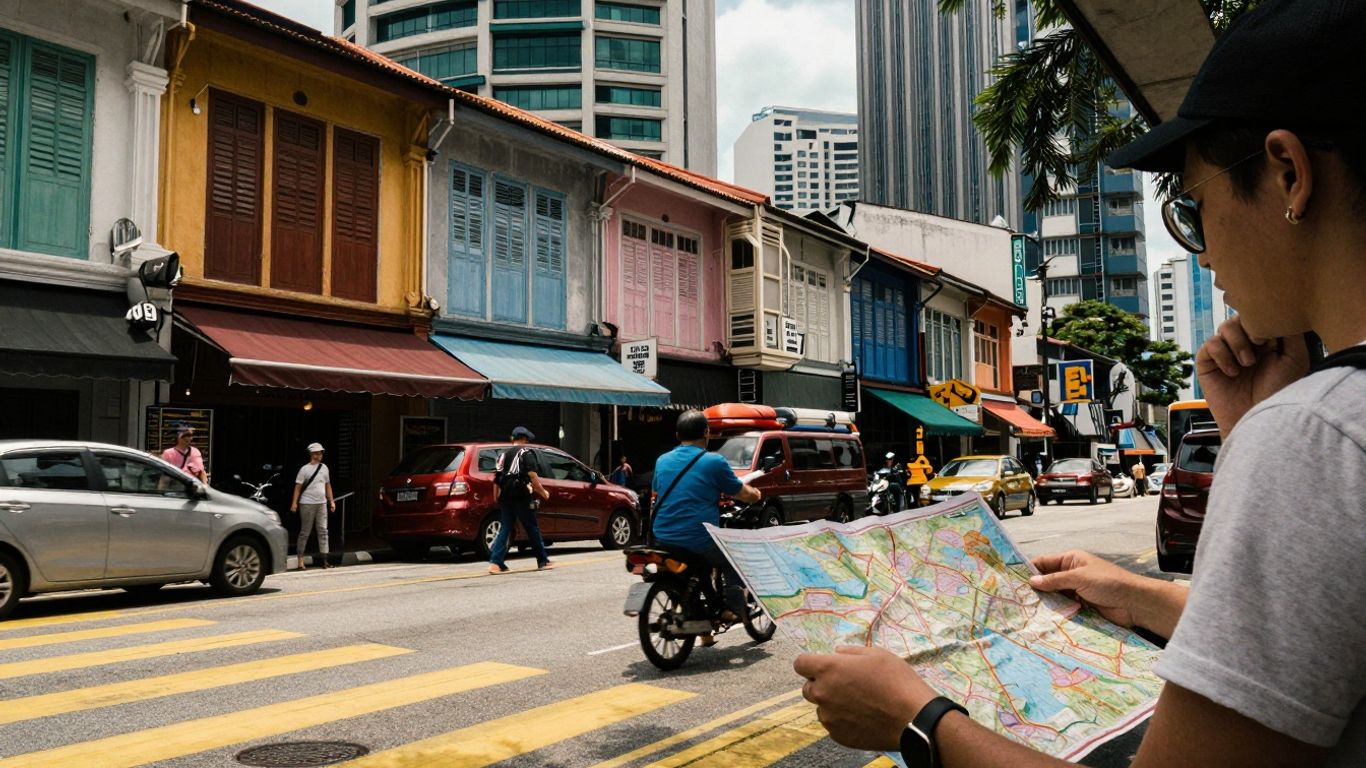
Finding the right place to stay in Kuala Lumpur can really make or break your budget, and honestly, your overall experience. It’s not just about having a roof over your head; it’s about being in a spot that makes sense for how you want to live and explore.
Prioritize Central Locations
Staying in the heart of KL, especially areas like KLCC, Bukit Bintang, or Bangsar, has its perks. You’re close to major shopping malls, business districts, and a ton of restaurants and entertainment. Plus, public transport hubs are usually right there, making it super easy to get around without a car. This convenience, however, comes at a price. Expect higher rental costs in these prime spots. If your job is in the city center or you plan on doing a lot of exploring on foot or via public transit, the extra cost might be worth it for the time and hassle you save. It’s a trade-off, for sure.
Consider Local Neighborhoods Outside the Core
Want to stretch your ringgit further? Look beyond the usual expat hotspots. Neighborhoods like TTDI, Damansara Utama, or even areas a bit further out can offer significantly lower rents for comparable living space. You’ll get a more authentic feel for daily life in KL, too. While you might need to rely more on ride-hailing apps or local buses to get to the city center, the savings can be substantial. The cost of living in Malaysia is quite manageable, and housing is a big part of that equation. Many of these areas still have good amenities, like local markets, cafes, and parks, so you won’t feel completely cut off. It’s about finding that balance between convenience, cost, and experiencing the real KL.
When choosing where to live, think about your daily commute, how often you plan to go out, and what kind of atmosphere you prefer. A slightly longer commute might mean a much nicer apartment or more money left over for exploring the city's amazing food scene. Don't just pick the first place you see; do a little research on different neighborhoods to find the best fit for your lifestyle and budget.
Here’s a quick look at what you might expect:
- Central Areas (e.g., KLCC, Bukit Bintang):
- Pros: High convenience, walkability, close to attractions and business hubs.
- Cons: Highest rental prices, can be very busy.
- Established Expat Areas (e.g., Bangsar, Mont Kiara):
- Pros: Good amenities, expat-friendly services, often good transport links.
- Cons: Still relatively expensive, can feel a bit removed from local life.
- Up-and-Coming/Local Neighborhoods (e.g., TTDI, Damansara Utama):
- Pros: More affordable rent, authentic local experience, good local food options.
- Cons: May require more travel time to central KL, fewer international amenities.
Remember to factor in utility costs and potential transport expenses when comparing different areas. Sometimes a slightly more expensive apartment in a super central location might end up being cheaper overall if you save a lot on daily travel. It’s all part of managing your budget while living in Malaysia.
Dining on a Budget in Kuala Lumpur
Kuala Lumpur is a food lover's paradise, and the best part? You don't need a huge budget to eat incredibly well. Seriously, the food scene here is one of the main reasons people love visiting. Forget those fancy tourist traps; the real magic happens in the local spots.
Explore Food Courts and Local Eateries
Shopping mall food courts in KL are a revelation. They're not just places to grab a quick bite; they're vibrant hubs offering a huge variety of dishes at prices that are hard to beat. You can find everything from local favorites to international cuisine. For instance, a place like Sushi King, a common sight in many malls, offers surprisingly good sushi and fresh juices for a very reasonable price. We once managed to get a full meal for two for about $15 USD. It's a great way to sample different things without breaking the bank.
Beyond the malls, seek out the smaller, local restaurants, especially those serving Indian food. We found some of the most flavorful and authentic Indian dishes in unassuming, family-run places. The trick is to look for where the locals are eating – long queues are usually a good sign that the food is worth the wait.
Dive into the Vibrant Street Food Scene
If you want to truly experience KL's food culture, you absolutely have to try the street food. Jalan Alor is the most famous street for this, and it really comes alive as the sun goes down. The air fills with amazing smells from countless food stalls, and you can find plastic stools set up everywhere for people to sit and enjoy their meals. It's a lively atmosphere, and the food is incredibly cheap and delicious.
When exploring street food, don't be afraid to try new things. Look for stalls with lots of local customers. If you're feeling a bit overwhelmed or unsure where to start, consider joining a street food tour. These tours can be a great investment, as they take you to hidden gems, introduce you to a wide range of dishes, and provide cultural context. It's a fantastic way to discover the best of what KL has to offer without the guesswork.
Be Aware of Additional Charges
While eating out in KL is generally very affordable, there's one thing to watch out for: extra charges. Unlike some other cities where prices are usually final, most restaurants in Kuala Lumpur will add a government tax (usually 6%) and a service charge (often 10%) to your bill. It's not usually hidden, but it can catch you by surprise if you're not expecting it. Always check your bill carefully before paying to make sure you understand the total cost. This is especially important if you're on a tight budget and have been carefully tracking your expenses.
Eating out in Kuala Lumpur offers incredible value, but it's wise to be mindful of the standard 6% tax and 10% service charge that most restaurants add to the final bill. This practice, while common, can increase your total cost unexpectedly if you're not prepared.
Here's a quick look at typical costs:
| Meal Type | Estimated Cost (MYR) | Estimated Cost (USD) |
|---|---|---|
| Street Food Meal | 5 - 15 | $1.00 - $3.00 |
| Food Court Meal | 10 - 25 | $2.00 - $5.00 |
| Casual Restaurant | 25 - 50 | $5.00 - $10.00 |
| Drinks (e.g., juice) | 3 - 8 | $0.60 - $1.60 |
Note: Prices are approximate and can vary. Exchange rates fluctuate.
Maximizing Your Budget with Free and Low-Cost Activities
Kuala Lumpur doesn't have to drain your wallet. There are tons of ways to experience the city's charm without spending a fortune. You just need to know where to look.
Visit Parks and Enjoy Free Shows
KL has some really nice green spaces. KLCC Park, right by the Petronas Towers, is a great spot for a stroll. You can see the towers from a different angle, and they often have free light and water shows in the evening. It's a nice way to relax after a busy day of exploring. Another option is the Perdana Botanical Garden, which offers a peaceful escape from the city bustle. Pack a picnic and enjoy the scenery.
Take Advantage of Free Walking Tours
Want to get the lay of the land and learn some history? Free walking tours are a fantastic option. Local guides lead these tours, sharing insights and stories you wouldn't find in a guidebook. They usually cover key areas like historical districts or cultural neighborhoods. While the tour itself is free, it's customary to tip your guide based on your experience. It's a great way to connect with the city and its people. You can often find these tours advertised online or through your accommodation. Many companies offer these, like Get Your Guide.
Explore Local Markets for Souvenirs
Forget the pricey tourist shops. For authentic souvenirs and a real taste of local life, head to the markets. Central Market is a good place to start, offering a variety of handicrafts and local goods. For something more vibrant, check out the street markets, especially if you're looking for clothing or trinkets. Remember, bargaining is part of the experience at many of these markets, so don't be afraid to negotiate a bit. Just keep it friendly!
When exploring markets, always keep an eye on your belongings. While generally safe, crowded places can attract pickpockets. It's wise to be aware of your surroundings and secure your valuables.
Financial Preparedness for Expats
Okay, so you're thinking about moving to KL, which is awesome! It's a fantastic city, and honestly, your money can stretch pretty far here. But like anywhere, if you're not careful, costs can creep up. Let's talk about how to keep your finances in check so you can actually enjoy living there without constantly worrying about your wallet.
Utilize Wise for Exchange Rates
When you're moving money from your home country to Malaysia, the exchange rate can make a big difference. Banks often give you a pretty crummy rate, and then they might hit you with fees on top of that. Services like Wise (formerly TransferWise) are designed to give you a much better deal. They use the real exchange rate and have transparent fees, so you know exactly what you're paying. This can save you a surprising amount of money over time, especially if you're transferring larger sums or doing it regularly. It's worth setting up an account before you even leave home.
Carry a Mix of Cash and Cards
While KL is pretty modern and cards are accepted in many places, especially malls and larger restaurants, you'll still run into situations where cash is king. Think smaller local eateries, street food stalls, or even some local markets. Relying only on cards can be a hassle. Plus, some places might add a surcharge for card payments. So, the smart move is to have a bit of both. Get some Malaysian Ringgit (MYR) when you arrive, but maybe not all at the airport – those places usually have the worst rates. ATMs in the city are generally a good bet for getting cash, and using a card with no foreign transaction fees is a bonus.
Here’s a quick breakdown of what to consider:
- Credit Cards: Good for larger purchases, hotels, and emergencies. Always check for foreign transaction fees before you go.
- Debit Cards: Useful for ATM withdrawals. Again, check those fees!
- Cash (Malaysian Ringgit): Essential for daily small expenses, local markets, and street food.
Plan for Unexpected Expenses
Life happens, right? You might have a flight delay, need a last-minute taxi, or just decide to take a spontaneous trip to a nearby island. It's always a good idea to have a little buffer in your budget for these kinds of things. Think of it as a 'just in case' fund. It doesn't have to be a huge amount, but having an extra 10-20% of your planned monthly expenses set aside can save you from a lot of stress if something unexpected pops up. This could be in a separate savings account or just a bit extra cash you keep handy.
It's easy to get caught up in the excitement of a new place and forget the practicalities. But a little bit of financial planning upfront can make your entire experience in Kuala Lumpur smoother and more enjoyable. Don't let money worries overshadow the adventure.
Avoiding Common Expat Pitfalls
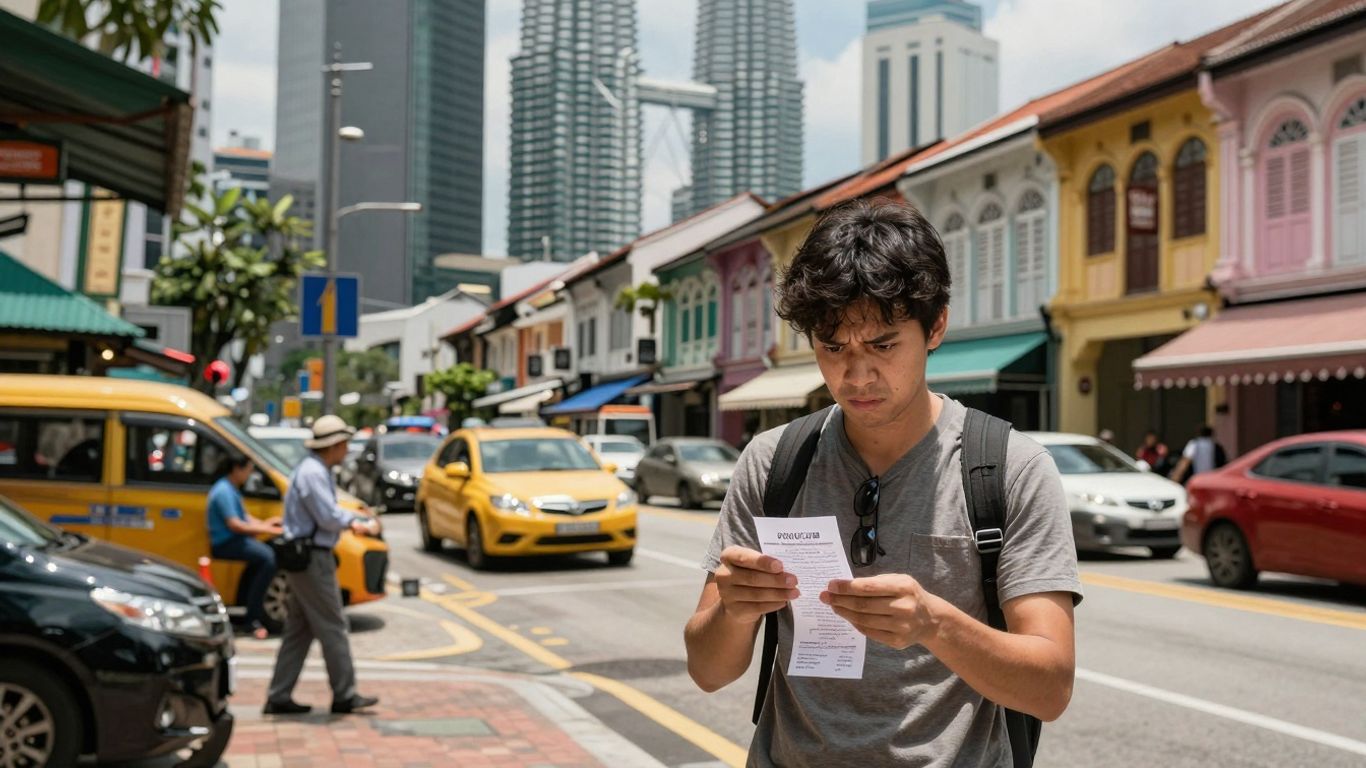
Kuala Lumpur is a fantastic city, but like anywhere new, there are a few common traps expats can fall into that can make things more expensive or just plain frustrating. Let's talk about how to steer clear of these.
Don't Rely Solely on Tourist Hotspots
It's easy to get drawn to the big, famous attractions. They're popular for a reason, sure, but often the real magic of a place like KL happens when you step away from the crowds. You might find better food, more authentic experiences, and definitely save some money by exploring neighborhoods a little further out or asking locals for their favorite spots. Think about it – would you rather eat at a place packed with tourists all ordering the same thing, or a busy local joint where the food is amazing and half the price?
Research Visa Requirements Thoroughly
This one is super important and can really mess up your plans if you get it wrong. Every country has its own rules about who can stay and for how long. KL is no different. Before you even think about packing your bags, make sure you know exactly what kind of visa you need, how to get it, and what the deadlines are. Don't assume anything; check the official government websites. Getting this wrong can mean being denied entry or having to leave unexpectedly, which is a huge headache.
Secure Your Valuables
When you're exploring, especially in busy markets or on public transport, it's easy to get distracted. Unfortunately, this can make you a target for petty theft. It's not about being paranoid, but just being smart. Use hotel safes for your passport and extra cash when you're out and about. When you're carrying things, keep your bag in front of you and be aware of your surroundings. A small, secure pouch for your essentials can be a lifesaver.
Always double-check your hotel room before you leave, too. It sounds obvious, but people do forget things, especially when they're tired or rushing to catch a flight.
Here are a few more things to keep in mind:
- Mix your payment methods: Don't just rely on credit cards. While they're handy, some smaller places might be cash-only, and you might get hit with foreign transaction fees. Carry a mix of cash and cards, and check with your bank about fees before you go.
- Understand local transport: Taxis are convenient, but they can add up. KL has a pretty good public transport system (trains, buses). Look into it! It's often cheaper and can be faster than sitting in traffic.
- Don't overschedule: Trying to see absolutely everything in a short amount of time is exhausting. You'll end up rushing and not really enjoying anything. Plan for downtime and be flexible.
So, How Do You Actually Save Money in KL?
Look, Kuala Lumpur can be super cheap, but only if you're smart about it. The biggest pitfall seems to be getting caught up in tourist traps, especially when it comes to getting around and where you stay. Seriously, ditch the expensive taxis and stick to Grab or the public transport – it’s way better and cheaper. And for the love of all that is budget-friendly, stay somewhere central! Those little costs add up fast, and suddenly your affordable trip isn't so affordable anymore. Plan ahead, use the local apps, and you'll find KL is exactly what everyone says it is: a fantastic city that won't break the bank.
Frequently Asked Questions
What's the best way to get around Kuala Lumpur without spending too much money?
To save cash and get around like a local, hop on the public transport! Kuala Lumpur has a great system with buses, trains, and monorails that connect most of the city. Look out for the free GO KL City Bus, which covers many popular spots. Using a ride-hailing app like Grab or InDrive can also be way cheaper than regular taxis, especially for longer trips.
Where should I stay in Kuala Lumpur to save on travel time and costs?
While staying a bit outside the city center might seem cheaper at first, it can actually cost you more in the long run with all the travel. It's usually better to spend a little extra to stay in a central area. This way, you can walk to many places, save time on commuting, and easily pop out for meals or activities without dealing with traffic.
How can I eat well in Kuala Lumpur without breaking the bank?
Skip the fancy hotel restaurants and dive into the amazing local food scene! Food courts in malls offer a variety of tasty and affordable options. Even better, explore the street food stalls, especially on famous streets like Jalan Alor. Look for places with long lines of locals – that's usually a sign of great, cheap eats!
Are there plenty of free things to do in Kuala Lumpur?
Absolutely! Kuala Lumpur has lots of fun and free activities. You can relax in beautiful parks like KLCC Park, enjoy free shows, and even take advantage of free walking tours to learn about the city's history and culture from a local guide. Exploring local markets is also a great way to soak in the atmosphere without spending much.
What's a common mistake expats make with money in Kuala Lumpur?
One big mistake is not being prepared for extra costs. Always have a little extra money set aside for unexpected things like emergencies or unplanned fun activities. Also, be smart about exchanging money – using services like Wise for better exchange rates or withdrawing from ATMs is often better than changing money at the airport.
What should I be careful about regarding traffic and timing in Kuala Lumpur?
Kuala Lumpur's traffic can be really intense, especially during rush hour. It can take hours to get across town! Always plan to leave much earlier than you think you need to, especially if you have a flight to catch or an important appointment. Try to schedule your travel outside of peak commuting times if possible.
The Moveandstay editorial team writes about serviced living, workspaces, and city guides across Asia-Pacific.
Read next

Serviced Offices Surge in Popularity as Businesses Embrace Flexible Leasing
May 3, 2026

Hong Kong Serviced Apartment Market Buzzes with Sales and Investment Activity Amidst Shifting Valuations
May 3, 2026

ONYX Hospitality Group Elevates Shama Serviced Apartments with New Lifestyle Concept and Ambitious Expansion
Apr 26, 2026