
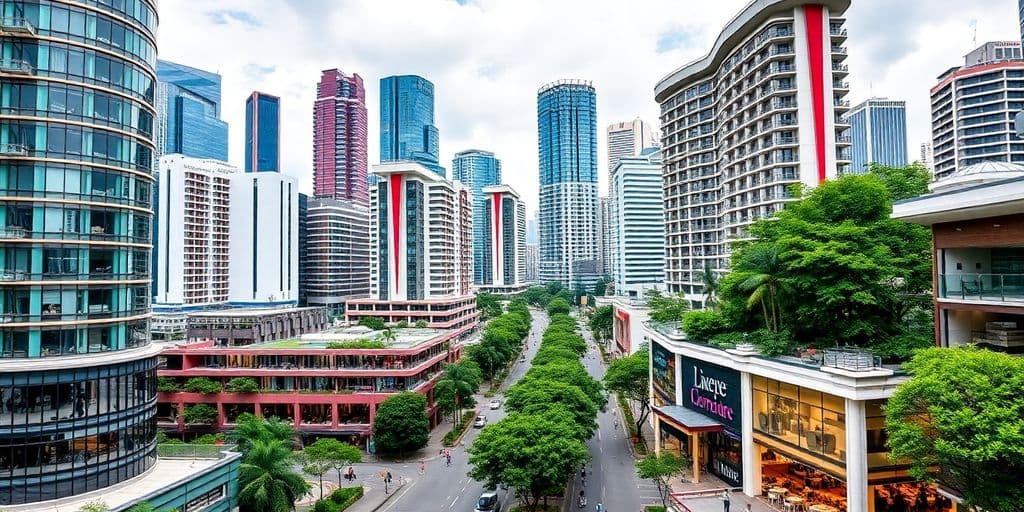
For the full guide, see Cost Of Living in Singapore: What You Need to Know.
Singapore is a vibrant city-state known for its impressive skyline and bustling economy. However, living here comes with a price tag that raises questions about affordability. In this article, we'll explore the real cost of living in Singapore, breaking down various expenses from housing to dining, and comparing them to other global cities. Whether you're an expat considering a move or a local trying to budget, understanding these costs is essential.
Key Takeaways
- Singapore ranks as one of the most expensive cities globally, often competing with Zurich and New York.
- Monthly living costs for a single person can reach around S$1,513, while a family of four may spend about S$5,467, excluding rent.
- Housing remains a significant expense, with rental prices soaring in popular areas.
- Dining out can be costly, but local hawker centres offer affordable meal options.
- Government assistance is limited for expats, making personal budgeting crucial.
Understanding The Cost Of Living In Singapore
Living in Singapore can be both exciting and a bit pricey at times. Many everyday items add up, and the figures might seem high when you first look at them. However, understanding where your money goes can really help you manage your budget better.
Average Monthly Expenses
For many residents, monthly costs are broken down into a few key areas. Here’s a simple table to show a rough estimate for a single person's monthly spending (excluding rent):
| Expense Category | Approximate Cost (SGD) |
|---|---|
| Food | 500 |
| Utilities | 200 |
| Transportation | 150 |
| Miscellaneous | 200 |
| Total | 1,513 |
These values can change based on personal habits. Keep these numbers in mind as you plan your personal budget. Some factors influencing monthly expenses include:
- Choice of dining (home-cooked meals vs eating out)
- Frequency of using public transport
- Personal spending habits
Housing Costs
Housing is one of the biggest parts of the monthly bill. Whether you're renting a small apartment or a larger unit, prices can vary a lot. In Singapore, modern apartments in the central area might be more expensive. For instance, CBD apartments can demand high rental costs, especially if you're looking at one or two-bedroom units.
Rent is not the only expense—utilities and maintenance fees also weigh in. It’s interesting to see that many residents find a balance between comfort and cost while living in neighbourhoods outside the central zone.
Consider a few pointers when looking at housing:
- Compare rental prices in different districts.
- Look into additional fees not included in the base rent.
- Think about the value versus convenience of a location.
Transportation Fees
Getting around the city is another factor to count in the daily expenses. Public transport in Singapore is known for being efficient yet can add up if you rely on it for daily commuting.
Here’s a brief rundown of what to expect:
- Bus services and the MRT (subway) offer a cost-effective way to travel, especially during off-peak hours.
- Occasional taxi rides or ride-hailing services might be more expensive, so they’re best saved for nights out or special situations.
- Many residents find that they save money by integrating cycling or walking into their routine if possible.
A smart move many residents take is to buy a stored value card for public transport, which often gives a discount compared to buying single-trip tickets.
Overall, while the costs in Singapore may seem steep at first glance, breaking down the expenses can help you plan better. Understanding these details can be a useful tool when tailoring a lifestyle that suits your income and needs.
Essentials: Singapore Versus Global Metropolises
Comparative Analysis
When we compare Singapore to cities like London and New York, there's a mix of cost trends that can be surprising. In some areas, Singapore comes off as competitive, while in others, it leans on the higher side. Below is a short table that gives a snapshot of one common expense – the cost of an inexpensive meal:
| City | Meal Price (£) |
|---|---|
| Singapore | 8.0 |
| London | 10.0 |
| New York | 12.0 |
This table helps put things in perspective and provides a quick look at how meal prices differ. For a broader view, consider checking out our cost calculator to see more detailed comparisons.
Daily Necessities
Daily necessities such as groceries, transport, and basic utilities show similar mixed trends. In Singapore, you might find that while some costs are on the higher side, many items remain within a reasonable range if you do a bit of research. The key points include:
- Grocery shopping can be balanced by choosing local markets over premium stores.
- Public transport fares are often lower than those in many Western cities.
- Basic utilities, though slightly steeper, offer reliability and quality.
The general sentiment among locals is that everyday spending is manageable once you get used to the local shopping spots and transport options.
Lifestyle Expenses
Lifestyle costs, including dining out, entertainment, and leisure activities, can vary greatly. In Singapore, a meal at a nice restaurant or a night out might cost more compared to some regional cities, yet it often falls below the price levels seen in global hubs like New York. Making smart choices in dining and entertainment can really help you enjoy life without breaking the bank.
Some suggestions for balancing lifestyle expenses include:
- Opt for a mix of local eateries and international cuisine to keep costs down.
- Explore free or low-cost entertainment options such as parks or cultural festivals.
- Keep an eye on promotions and deals in your neighbourhood for leisure activities.
Overall, comparing Singapore to global metropolises shows that the city's cost structure is complex. While some expenses are higher, there are plenty of alternatives that can help maintain a comfortable daily life.
Dining And Grocery Expenses

Cost Of Eating Out
Singapore offers a range of dining experiences that can suit nearly every budget. For instance, a meal at a humble hawker centre might cost less than what you'd expect at a Western restaurant, but prices can jump quickly if you choose a fancier location. Eating out here can be both delightful and a bit pricey depending on your palate. Moreover, student meals student meals often have tailored options that balance quality with affordability. Here are a few points to consider:
- Variety of cuisines that can fit both low and high budgets
- Many restaurants offer set lunch menus with decent portions
- Quality and presentation vary from place to place
Grocery Prices
When it comes to groceries, price tags vary more than you might think. Supermarkets in Singapore offer everything from local produce to imported luxuries, and the cost can fluctuate due to global market trends. Below is a sample table summarising typical price ranges in front of most local stores:
| Item | Price Range (SGD) |
|---|---|
| Bread (1 loaf) | 1.50 – 7.00 |
| Milk (1 litre) | 2.30 – 6.00 |
| Rice (1 kg) | 2.20 – 6.00 |
| Chicken (1 kg) | 5.65 – 40.00 |
Other everyday products might show similar fluctuations. Consider these factors when shopping:
- Seasonal availability affects pricing.
- Brand choices can determine quality and cost.
- Special promotions sometimes offer better deals.
Local Food Options
Local culinary experiences are at the heart of Singaporean living. From traditional kopi tiam (coffee shops) to bustling hawker centres, there's a rich variety of local food options to explore. Each venue offers its own twist on local dishes, making every meal a small adventure.
It's worth noting that the charm of local eateries lies in their unique ambience and customised menus; there’s always a hidden gem waiting to be discovered at every corner.
- Hawker centres continue to be a favourite among residents for their authentic settings and inexpensive meals.
- Neighbourhood food courts offer a modern spin on traditional dishes.
- Some local restaurants blend heritage with modern flavours for a unique dining experience.
Housing Market Insights
Rental Prices
Rental prices in Singapore show noticeable differences across the island. For example, a studio apartment in the central area can cost around SGD 2,200 a month, whereas larger units like a one-bedroom or two-bedroom often start from SGD 3,200 and can go higher. Here’s a small table with sample figures:
| Property Type | Average Monthly Rent (SGD) |
|---|---|
| Studio Apartment | 2,200 |
| 1-Bedroom Apartment | 3,200 |
| 2-Bedroom Apartment | 4,500 |
There are several reasons why rental prices vary:
- Proximity to public transport (like the MRT) is a big factor
- Size and age of the property
- Location and district differences
Property Ownership Costs
The costs of owning property bring another set of challenges. Apart from the actual price of the property, buyers need to think about additional fees and long-term charges. These might include:
- Down payments and loan interest
- Maintenance and renovation fees
- Property taxes and management fees
Ownership cost can break your bank if you don't plan properly.
It is important to consider the full range of costs before making a decision to buy.
Market Trends
Over recent years, market trends in the housing sector have moved slowly but steadily. With more people considering long-term investments and stricter building policies, both private and public housing have shown signs of moderate growth. In fact, recent housing trends suggest that the rate of increase seems to be dampened compared to past booms.
This situation has led many residents to re-evaluate their options. With clear evidence of rising costs, more people are planning ahead and considering how the property market might affect their budgets in the coming years.
Recent shifts include:
- A steady rise in resale transactions
- New policies to help moderate costs
- Demand changes due to flexible work arrangements
Overall, keeping an eye on these trends can help buyers and renters alike make informed decisions about their housing needs.
Financial Support For Residents
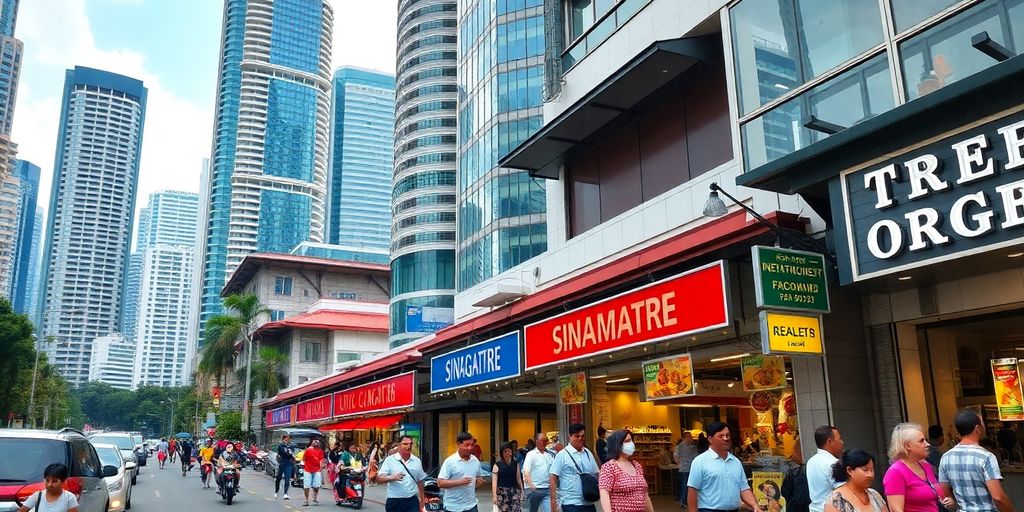
Government Assistance
The local government provides several types of support to ease daily living costs. One such benefit is the special SG60 package, which offers a voucher scheme to help citizens handle rising expenses. Eligible residents, for instance, can receive a voucher, with amounts varying by age. Details are outlined in the table below. For more on this package, check out prime support.
| Age Group | Voucher Amount |
|---|---|
| 21-59 | $600 |
| 60+ | $800 |
This kind of direct assistance is designed to keep living costs in check for daily necessities.
Expat Financial Aid
Support options for expats are less direct, as most government schemes target local citizens and permanent residents. As a result, many expats end up relying on employer benefits or their own savings. Here are a few points to consider if you’re an expat:
- Evaluate any benefits provided by your employer consistently.
- Consider insurance and private financial services for extra security.
- Maintain a strict monthly budget to cover unexpected costs.
Savings Strategies
Making your savings work for you is key in managing rising expenses. A few steps to plan your savings include:
- Set up and monitor a monthly budget without overlooking small expenses.
- Split your savings into short-term (emergency funds) and long-term goals (investments).
- Regularly review your spending habits to find areas for improvement.
Effective financial planning can be a game changer, ensuring you have a stable footing even when costs rise unexpectedly.
Take control of your finances early. By embracing these savings strategies, residents can navigate tough economic periods more comfortably.
Inflation And Disposable Income
Current Inflation Rates
Inflation in Singapore can be looked at in two ways: headline and core. The former covers all items in the Consumer Price Index, while the core rate drops volatile items like transport and accommodation. Recent Singapore inflation data shows that over the last decade, figures have been steady but can still squeeze residents' budgets. Below is a brief table presenting average rates over various periods:
| Time Span | Headline Inflation | Core Inflation |
|---|---|---|
| Last 10 years (2013-2023) | 1.44% | 1.65% |
| Last 20 years (2003-2023) | 2.08% | 1.86% |
| Last 30 years (1993-2023) | 1.73% | 1.67% |
These numbers show real effects on everyday living.
Impact On Living Standards
Higher prices naturally affect how people live from day-to-day. Costs for food, transport and even small services can add up. This means that disposable income quickly erodes as prices rise. Here are a few points to consider:
- Rising prices limit spending on leisure activities.
- The squeeze on budgets forces households to rethink their priorities.
- Savings may drop as daily expenses take a larger share of income.
Many residents feel the pinch, and everyday choices are often about balancing needs with available funds. It’s a reminder that even with steady incomes, inflation can impact quality of life.
Income Growth Trends
Over the years, average incomes have increased to counteract rising costs. However, the pace of salary growth doesn’t always match inflation, meaning that even with higher earnings, a good chunk of the money is eaten up by higher costs. Typical trends include:
- Steady, if not spectacular, gains in monthly salaries.
- Occasional spikes when the economy is doing well, but these are not always long lasting.
- A continuous struggle for some to maintain savings as cost pressures mount.
Overall, while income growth is a positive sign, residents often find that their extra earnings go right back into covering inflated expenses.
Debunking The Most Expensive City Myth
When it comes to the idea of Singapore always being extremely costly, things are not always as they appear. Surveys often focus on high-end spending, which can skew the picture, so it's important to look closely at everyday expenses. In fact, recent expensive city stats make it clear that not everyone's spending pattern fits the stereotype.
Understanding Cost Rankings
Cost rankings tend to highlight prices for luxury services and premium goods. This approach can overstate costs for regular residents. Here are some points to consider:
- The surveys usually reflect expenses of a select few rather than the common citizen.
- Rankings typically emphasise high-end dining, exclusive rentals, and imported items.
- They often ignore subsidies and public services that help keep everyday costs in check.
A quick table might help explain the dynamics:
| Aspect | High-End Estimate | Common Resident Estimate |
|---|---|---|
| Dining Out | High | Moderate |
| Housing (rent) | Premium | Subsidised/Public Option |
| Transportation | Luxury Taxi Rates | Public Transit Options |
This table shows that while some numbers are very high, they do not represent the average spend.
Average Resident Expenses
Daily expenses for most people can be quite reasonable. Locals enjoy subsidised rates in various services which keeps the overall cost of living manageable. Considering everyday needs, it's clear that myths about extreme pricing do not fully apply. Here are some everyday expense areas:
- Affordable local meals in hawker centres
- Reliable and reasonably priced public transport options
- Cost-effective housing alternatives outside premium districts
Many residents find that daily living costs are balanced by available options and community support.
Many locals note that while headline numbers sound daunting, real-life budgeting shows a very different picture. It pays to look beyond the averages and explore the actual numbers.
Luxury Goods Influence
The label of being an expensive city is heavily influenced by luxury market trends. Prices for high-end products, gourmet restaurants, and lavish properties can pull the overall cost index up. However, these are not everyday purchases for most people. Taking a closer look at the market:
- Luxury spending represents a small slice of the total economic activity.
- Budget-friendly alternatives are widely available throughout the city.
- The influence of luxury often skews the public perception of the overall cost.
In summary, despite the glitzy image, Singapore shows a contrasting reality when you break down everyday living expenses.
By reviewing the real data and comparing different cost areas, you get a clearer, more balanced picture of life in Singapore.
Final Thoughts on Living Costs in Singapore
In summary, living in Singapore can be quite a financial challenge, especially when you consider the high costs associated with housing, education, and daily expenses. While the city offers a lot in terms of job opportunities and quality of life, it’s essential to be prepared for the financial demands. Many expats find ways to adapt, whether it’s by enjoying affordable meals at hawker centres or finding budget-friendly housing options. Ultimately, understanding the cost of living is key to making the most of your time in this vibrant city. So, if you're thinking about moving here, make sure to plan your budget wisely.
Frequently Asked Questions
What is the average monthly cost of living in Singapore?
For a single person, the average monthly cost is around S$1,513.40, while a family of four may spend about S$5,467.10, not including rent.
How do housing costs in Singapore compare to other cities?
Housing in Singapore is quite expensive. It is usually pricier than cities like London and Sydney, but cheaper than places like Hong Kong and New York.
What are the typical transportation costs in Singapore?
Public transport is affordable, with monthly passes costing around S$120. Taxis are also available but can be more expensive.
Are groceries expensive in Singapore?
Yes, the average person spends between S$100 and S$300 on groceries each month, which is higher than in many other countries.
Is it costly to eat out in Singapore?
Eating out can vary in cost. A meal at a cheap restaurant may cost around S$10, while dining at a nicer place can be much higher.
What financial help is available for residents in Singapore?
The government offers some assistance to citizens, such as housing loans and child bonuses, but expats may have limited options.
Filed under
The Moveandstay editorial team writes about serviced living, workspaces, and city guides across Asia-Pacific.
Read next

Serviced Offices Surge in Popularity as Businesses Embrace Flexible Leasing
May 3, 2026

Hong Kong Serviced Apartment Market Buzzes with Sales and Investment Activity Amidst Shifting Valuations
May 3, 2026

ONYX Hospitality Group Elevates Shama Serviced Apartments with New Lifestyle Concept and Ambitious Expansion
Apr 26, 2026