
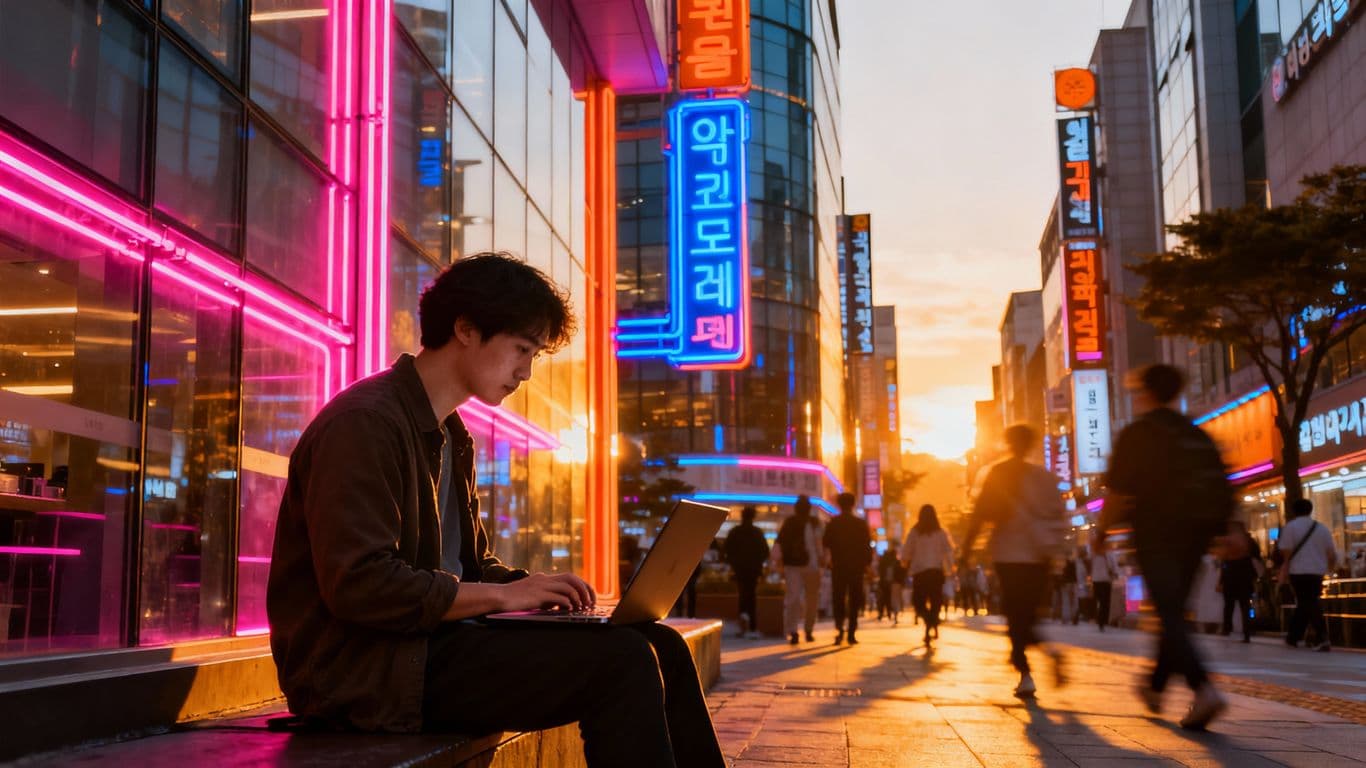
So, you're thinking about packing your bags and heading to Seoul as a digital nomad? Smart move! South Korea, and Seoul in particular, has really become a go-to spot for remote workers. It’s got this amazing mix of super-fast internet, cool city vibes, and a culture that’s both ancient and totally cutting-edge. But, like anywhere new, you're probably wondering about the safety for digital nomads in Seoul. Is it all smooth sailing, or are there things you should keep in mind? Let’s break it down.
Key Takeaways
- Seoul is generally a very safe city, even in areas known for nightlife. You'll find safety features like emergency flashlights and AEDs quite common.
- Getting around Seoul is easy thanks to an excellent public transport system, mainly the subway and buses. Using a T-money card makes it super convenient.
- Accommodation options are plentiful, from budget-friendly hostels and shared apartments to Airbnbs and hotels, catering to different needs and budgets.
- South Korea offers a Digital Nomad Visa (Workcation Visa) allowing stays of up to two years, provided you meet income and insurance requirements.
- Seoul provides a great work infrastructure with widespread high-speed internet and numerous cafes and coworking spaces, perfect for remote work and networking.
Navigating Seoul's Urban Landscape
Seoul is a huge city, and getting around might seem a bit daunting at first, but honestly, it's pretty straightforward once you get the hang of it. The city is really well-organised, which makes exploring much easier for anyone, including us digital nomads.
Seoul isn't just one big blob; it's a collection of distinct areas, each with its own vibe. You've got the trendy, upscale spots like Gangnam, famous for its high-end shopping and entertainment, and then there's Hongdae, buzzing with youthful energy, street art, and live music. For a more traditional feel, Bukchon Hanok Village offers charming alleyways and historic houses. It's worth doing a bit of research to see which neighbourhood best suits your work style and what you want to do in your downtime. Some areas are quieter and better for focused work, while others are perfect for when you want to be in the thick of things.
Seoul's neighbourhoods offer a real mix. You can find yourself in a bustling market one minute and a peaceful temple the next. It’s this variety that makes the city so interesting to explore.
Getting around Seoul is a breeze thanks to its fantastic public transport system. The subway is probably your best bet. It's extensive, clean, and surprisingly easy to figure out, even with the Korean signage – most stations have English announcements and signs. You can get a T-Money card, which you can top up at convenience stores, and use it for the subway and buses. Buses are also a good option, though they can be a bit trickier to navigate initially. Taxis are readily available, and most drivers are honest, but it's always a good idea to ensure they start the meter.
Here's a quick look at the main options:
- Subway: Extensive network, frequent trains, affordable. Great for covering longer distances.
- Buses: Cover areas the subway doesn't reach, also affordable. Use apps like Naver Maps to plan routes.
- Taxis: Convenient for direct travel, ensure the meter is used.
When it comes to where you'll stay, Seoul has loads of choices. You can go for serviced apartments, which often come with good amenities and are great for longer stays, or find a room in a guesthouse, especially if you're looking for a more local experience. Many digital nomads opt for places near subway stations to make getting around easier. Some areas, like near universities, tend to have more affordable options. It’s a good idea to check reviews and consider what’s important for your work setup – like reliable Wi-Fi and a quiet environment.
| Accommodation Type | Pros |
|---|---|
| Serviced Apartment | Good amenities, suitable for longer stays |
| Guesthouse | Local experience, often more affordable |
| Hotel | Comfort and convenience |
Ensuring Personal Safety in Seoul
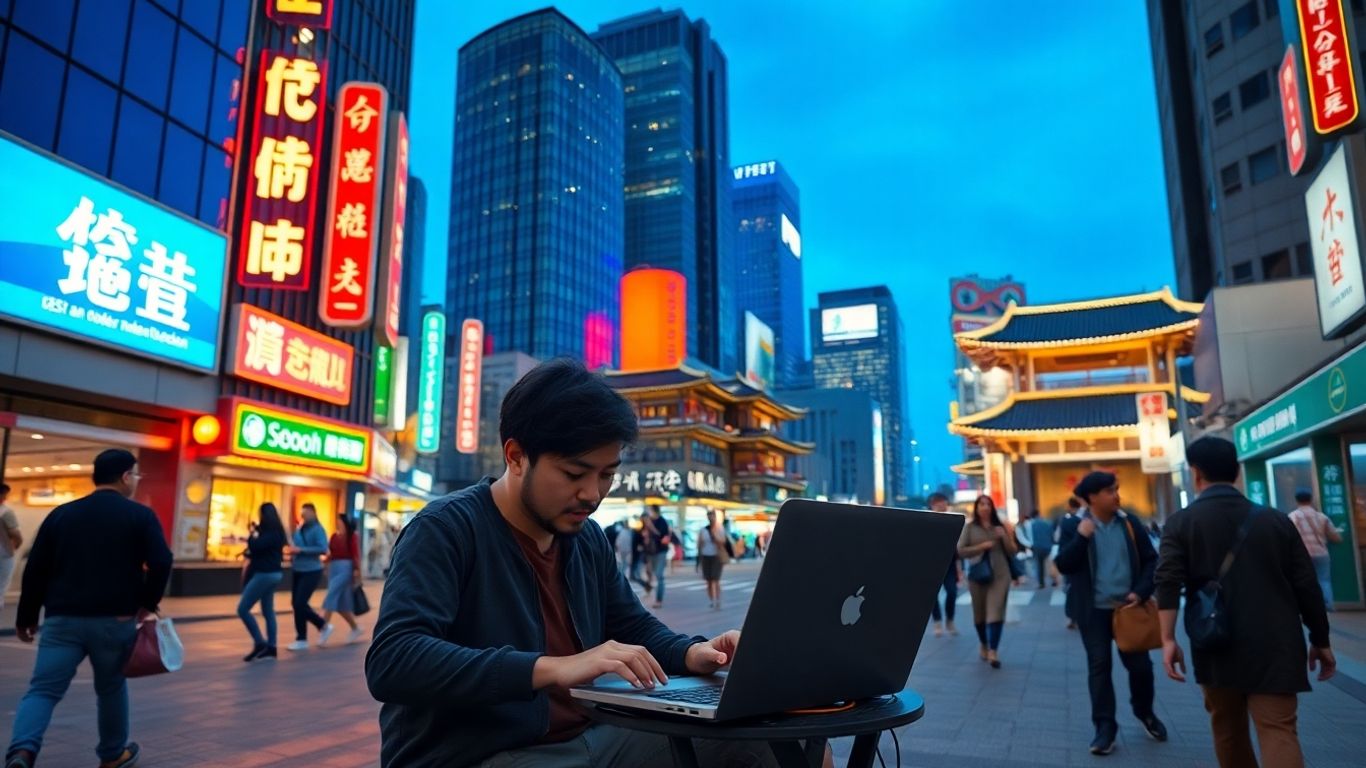
Seoul is widely regarded as a remarkably safe city, even by international standards. This is often attributed to a combination of factors, including a strong societal emphasis on order, extensive CCTV coverage, and a generally respectful populace. However, like any major metropolis, it's wise to maintain a degree of awareness, especially when exploring unfamiliar areas or engaging in nightlife.
General Safety Perceptions in Seoul
Most visitors find Seoul to be exceptionally safe, with low crime rates. You'll notice a significant presence of surveillance cameras in public spaces, which acts as a deterrent. Emergency services are readily available and efficient. For instance, the police can be reached at 112, and fire and medical emergencies are handled by dialling 119. Both numbers offer English-speaking operators, which is a great relief if you're not fluent in Korean. Many public spaces and transport hubs are equipped with emergency facilities, such as AEDs and fire extinguishers, contributing to a general feeling of security.
Awareness in Nightlife Hubs
While Seoul's nightlife districts like Itaewon, Gangnam, and Hongdae are vibrant and generally safe, it's sensible to exercise caution, particularly late at night. These areas can become quite busy, and like anywhere with a concentration of bars and clubs, you might encounter people who have had a bit too much to drink. It's advisable to stick to well-lit streets and avoid dimly lit alleyways, especially if you're alone. If you plan to enjoy the nightlife, be mindful of your alcohol consumption; Soju, a popular Korean spirit, can be deceptively strong. Using a reputable taxi service, like Kakao Taxi, or understanding the night bus routes is a good idea, as the subway system typically closes around midnight.
Interacting with Locals and Strangers
Koreans are often described as reserved rather than overtly friendly towards strangers, but this doesn't equate to unfriendliness. If someone approaches you on the street, it's usually best to proceed with caution and perhaps keep walking. However, many visitors find that older Koreans, in particular, can be very warm and welcoming, especially if you're travelling with children or show a genuine interest in their culture. It's worth noting that South Korea has strict laws regarding self-defence and carrying items like pepper spray or knives; it's generally best to leave these at home as they are either illegal or require permits, and you may only use force equivalent to what is used against you. Relying on the excellent public services and your own common sense is the most practical approach.
Essential Preparations for Digital Nomads
So, you're thinking about packing your bags and heading to Seoul to work remotely? Brilliant! But before you get too caught up in the K-drama vibes and street food dreams, there are a few practical things you'll want to sort out. It’s not exactly complicated, but getting these sorted early will save you a lot of hassle down the line.
Securing Necessary Health Insurance
Look, nobody likes thinking about getting sick, especially when you're miles from home. But having the right health insurance is a really big deal. You don't want to be stuck with massive medical bills if something unexpected happens. It’s worth looking into policies specifically designed for travellers or digital nomads. Some might cover you for a longer period, which is handy if you're planning an extended stay. Make sure you understand what’s covered – things like emergency care, hospital stays, and even dental work can be important.
Understanding Visa Requirements
This is a big one. South Korea has introduced a Digital Nomad Visa, which is fantastic news for people like us! It officially kicked off on January 1st, 2024. This visa is designed to let you stay and work remotely for a longer stretch, usually up to a year, with the possibility of an extension. You'll need to check the specific eligibility criteria, which often include proof of income and remote employment. It’s always best to get the most up-to-date information directly from the official South Korean embassy or consulate website in your home country. Don't rely on hearsay; get the facts straight from the source.
Financial Considerations for Your Stay
Money matters, right? You'll want to have a clear idea of your budget. Seoul can be surprisingly affordable, but costs can add up. Think about how you'll access your money – will your bank cards work easily? Are there any foreign transaction fees you need to be aware of? It might be a good idea to have a mix of payment methods. Some people find it useful to have a local bank account if they're staying for a while, but for shorter stays, using your existing cards and perhaps a travel money card can work well. Also, factor in the cost of daily living – food, transport, and any activities you plan to do. It’s good to have a buffer for unexpected expenses too.
Planning your finances and visa situation before you even book your flight will make your transition into Seoul life so much smoother. It takes a bit of research, but it’s totally worth it for peace of mind.
Leveraging Seoul's Work Infrastructure
Seoul really shines when it comes to getting work done. If you're a digital nomad, you'll be pleased to know that South Korea, and Seoul in particular, has some of the fastest internet speeds globally. This means you can pretty much count on a stable connection wherever you go, whether you're in a cafe, a coworking space, or even on the subway.
Accessing High-Speed Internet and Wi-Fi
Forget about buffering or dropped connections. Seoul's infrastructure is top-notch. You'll find free Wi-Fi in many public places, including parks, shopping centres, and transport hubs. Most cafes and restaurants also offer free Wi-Fi to customers. For a guaranteed connection, consider getting a local SIM card or a portable Wi-Fi egg, which you can rent at the airport. This gives you reliable internet access across the city, making it easy to stay productive on the move.
Exploring Coworking Spaces and Cafes
Seoul has a fantastic selection of coworking spaces and cafes that are perfect for remote workers. These places offer more than just a desk and Wi-Fi; they often provide a community feel and networking opportunities.
Here are a few popular options:
- WeWork: With multiple locations across Seoul, WeWork offers modern facilities, meeting rooms, and a professional atmosphere. It's a solid choice if you're looking for a structured work environment.
- Maru 180: Located in the trendy Hongdae area, Maru 180 is known for its unique vibe and even has a rooftop terrace with great city views. It's a good spot if you want to work in a more creative setting.
- Hive Arena: This space attracts a lot of tech professionals and entrepreneurs, creating a dynamic environment for innovation and collaboration.
Beyond dedicated coworking spaces, Seoul's cafe culture is immense. You'll find countless cafes, from quiet, minimalist spots to bustling, lively ones, many of which are well-suited for working. They usually have good Wi-Fi and plenty of power outlets.
The sheer density of cafes and coworking spots means you're never far from a place to plug in and get to work. It's easy to find a spot that fits your mood and work style for the day.
Networking with the Digital Nomad Community
Seoul has a growing community of digital nomads and expats. Connecting with them can be really beneficial for sharing tips, finding work opportunities, or just socialising. Many coworking spaces host regular events, and there are also online groups and meetups organised through platforms like Meetup.com or Facebook. Attending these events is a great way to meet like-minded people and get a feel for the local digital nomad scene. It's a city that really welcomes remote workers, so you'll likely find it easy to integrate and build connections.
Experiencing Seoul's Culture and Lifestyle
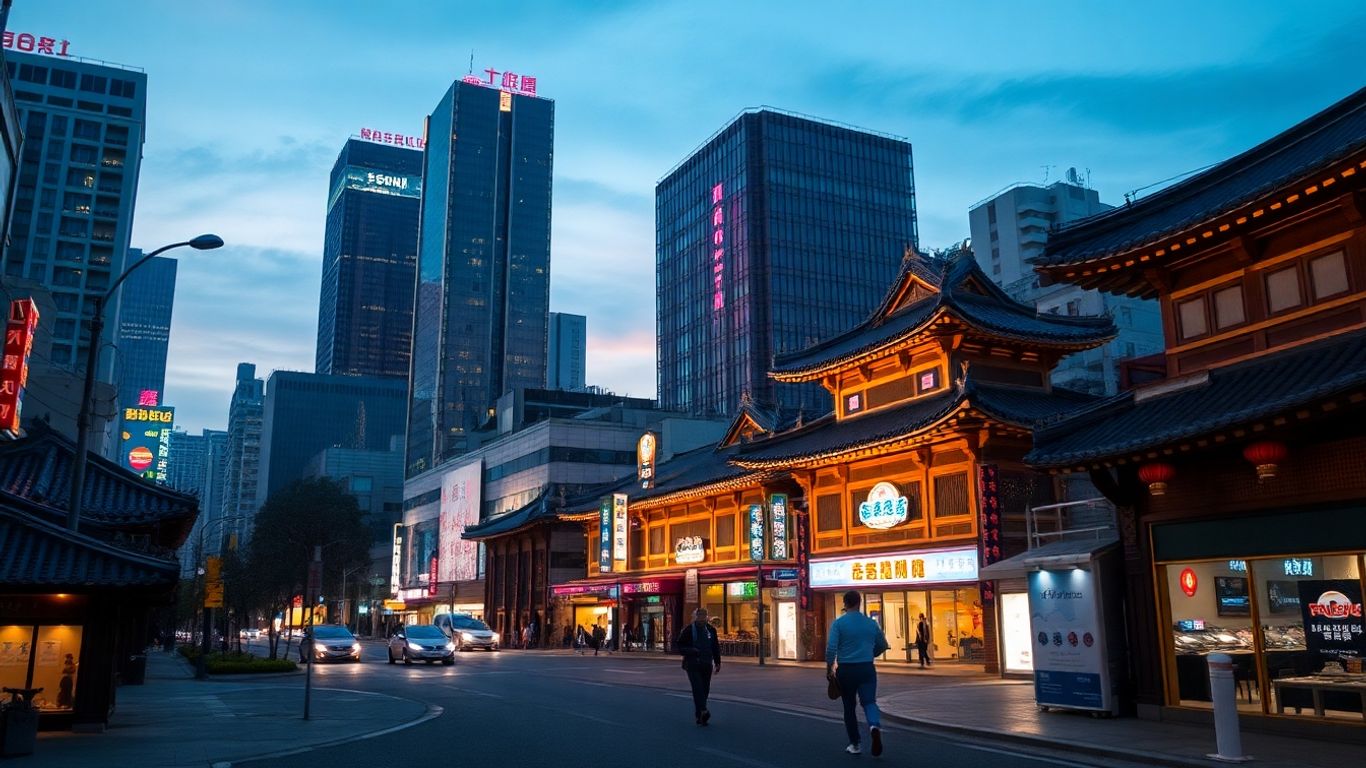
Seoul is a city that really pulls you in, offering a fantastic mix of old traditions and super modern vibes. It’s not just about getting work done; it’s about soaking up a really unique atmosphere. You'll find that the city has a way of making you feel both productive and inspired, all at the same time.
Immersing in Korean Traditions
Getting a feel for Korean traditions is surprisingly easy and quite rewarding. One of the most popular ways to do this is by visiting Gyeongbokgung Palace. It’s a huge, beautiful place right in the city centre. What’s really neat is that you can rent a Hanbok, which is a traditional Korean dress, and wander around the palace grounds. It makes for some great photos and a real sense of stepping back in time. Another lovely spot is Bukchon Hanok Village. It’s full of traditional Korean houses, called Hanoks, with these charming narrow streets. It’s a great place to just stroll, find a cute cafe, or pop into a small shop.
- Visit Gyeongbokgung Palace and try on a Hanbok.
- Explore the traditional alleyways of Bukchon Hanok Village.
- Consider a day trip to Jeonju Hanok Village for an overnight stay in a traditional guesthouse.
The pace of life can feel different here, with a strong emphasis on respect and community. It’s worth taking a moment to observe and appreciate these cultural nuances.
Exploring Culinary Delights
Food in Seoul is an adventure in itself. You absolutely have to check out Gwangjang Market. It’s one of the biggest and best food markets, and you can try all sorts of authentic Korean dishes. I’d really recommend the Bindaetteok, which is a sort of crispy mung bean pancake – delicious! And don't forget to grab a fresh fruit juice to go with it. Beyond the markets, Korean cuisine is incredibly diverse. From spicy kimchi jjigae to comforting bibimbap, there’s always something new to taste. You’ll find amazing food everywhere, from street stalls to fancy restaurants. It’s a big part of the Seoul experience.
| Dish Name | Description |
|---|---|
| Bindaetteok | Crispy mung bean pancake |
| Kimchi Jjigae | Spicy kimchi stew |
| Bibimbap | Mixed rice with vegetables and meat/tofu |
| Tteokbokki | Spicy rice cakes |
Enjoying Entertainment and Nightlife
When it comes to entertainment, Seoul has a lot going on. If you’re into music, you’ll know about K-pop. You can often find concerts or fan events happening, which is a really energetic way to experience modern Korean culture. For something a bit different, some people enjoy visiting animal cafes, where you can have a coffee surrounded by cute animals like cats, dogs, or even raccoons. The nightlife is also quite varied. Areas like Hongdae are known for their youthful energy, street performers, and trendy clubs, while Itaewon offers a more international vibe with a wide range of bars and restaurants. It really depends on what kind of atmosphere you’re looking for.
So, Is Seoul Safe for Digital Nomads?
All in all, Seoul really does seem like a solid choice for anyone looking to work remotely. It’s got that amazing mix of super-fast internet, loads of cool places to work from like cafes and coworking spots, and honestly, it feels incredibly safe. You hear stories about big cities, but Seoul seems to have its act together. Plus, with the new visa options, it’s easier than ever to make the move. Just remember to do your homework on neighbourhoods and maybe brush up on a few Korean phrases – though most people are friendly enough, especially if you’ve got a cute kid with you, apparently! It’s a place that balances modern living with a deep culture, and that’s a pretty compelling combination for us nomads.
Frequently Asked Questions
Is Seoul a safe city for people working online from there?
Yes, Seoul is generally considered a very safe city. Even areas known for nightlife are usually just a bit lively, not dangerous. You'll find safety features like flashlights and fire extinguishers in many places, which helps people feel secure.
What's the best way to get around Seoul?
Seoul has a fantastic public transport system. The subway is super efficient and covers most of the city. You can get a T-money card to easily pay for subways and buses. Taxis are also available and reasonably priced, but it's handy to have your destination written in Korean.
Where should I think about staying in Seoul?
Seoul has many cool neighbourhoods. Hongdae is great for artsy vibes and street performers, Gangnam is more upscale with fancy shops and bars, and Itaewon is known for its international food and lively atmosphere. Myeongdong is popular for shopping and night markets.
How is the internet and Wi-Fi in Seoul?
South Korea, and Seoul in particular, is known for its super-fast internet and widespread Wi-Fi. You'll find it easy to connect in cafes, coworking spaces, and most accommodations, which is perfect for digital nomads.
What kind of food can I try in Seoul?
You'll find tons of delicious food! From traditional Korean dishes like kimchi and bulgogi to international foods, there's something for everyone. Cafes and restaurants are everywhere, and street food is also a great option.
Do I need special permission to work remotely in South Korea?
Yes, South Korea has introduced a 'Workcation Visa' specifically for remote workers. This allows eligible individuals to live and work in South Korea legally while employed by companies outside the country. You'll need to meet certain income and insurance requirements.
Filed under
The Moveandstay editorial team writes about serviced living, workspaces, and city guides across Asia-Pacific.
Read next
Serviced Offices Surge in Popularity as Businesses Embrace Flexible Leasing
May 3, 2026
Hong Kong Serviced Apartment Market Buzzes with Sales and Investment Activity Amidst Shifting Valuations
May 3, 2026

ONYX Hospitality Group Elevates Shama Serviced Apartments with New Lifestyle Concept and Ambitious Expansion
Apr 26, 2026