

Moving to a new city can be daunting, and when that city is as vibrant and bustling as Hong Kong, you might wonder about your safety as an expat. While Hong Kong is generally regarded as a secure place to live, understanding the local environment and taking some basic precautions can help you feel more at ease. This guide will provide you with essential insights and tips to navigate life in Hong Kong safely, ensuring a smoother transition into your new home.
Key Takeaways
- Hong Kong has low crime rates but being vigilant is important.
- Stay updated on local laws and political climates that may affect safety.
- Public transport is safe, but always be cautious in crowded areas.
- Build a support network with other expats for advice and assistance.
- Prepare for natural disasters like typhoons and have an emergency plan.
Understanding Safety in Hong Kong for Expats
Moving to a new country is always exciting, but it's smart to get a feel for the place before you fully commit. Hong Kong is generally considered a safe city, but like any major metropolitan area, it has its share of potential issues. Let's break down the key things expats should know about safety in Hong Kong.
General Crime Rates
Hong Kong boasts relatively low crime rates compared to many other global cities. Petty theft, like pickpocketing, is probably the most common issue you might encounter, especially in crowded tourist spots or on public transport. Violent crime is rare, but it's always wise to be aware of your surroundings. The police force is generally efficient and responsive, which helps keep things in check. You can usually feel safe walking around at night, but common sense is still your best friend.
Political Climate and Safety
The political landscape in Hong Kong has changed quite a bit recently. It's important to stay informed about current events and any potential demonstrations or protests. While these events aren't always violent, they can sometimes lead to disruptions and increased police presence. It's a good idea to avoid areas where demonstrations are taking place and to be mindful of local laws and regulations. Keep an eye on local news and government announcements to stay up-to-date. Remember that local laws can be enforced, so it's best to be aware.
COVID-19 Considerations
Like the rest of the world, Hong Kong has had its share of COVID-19 related challenges. The city has generally managed the pandemic well, with measures like mask-wearing and social distancing in place. However, it's always a good idea to check the latest government guidelines and restrictions before you travel or go out. Be prepared for potential temperature checks, vaccine requirements, and quarantine measures, depending on the current situation. It's also worth having good health cover in place, just in case.
Staying informed and taking basic precautions can really help ensure your personal safety and security. Be aware of typhoon warnings and other weather-related advisories. Secure your residence against theft, even in low-crime areas. Always have a plan for reaching out to your country’s consulate in case of emergency.
Essential Safety Tips for Expats
Moving to a new country is exciting, but it's also important to be aware and take precautions to stay safe. Hong Kong is generally a safe city, but like any urban area, it has its share of petty crime and potential hazards. Here's what I've learned about staying safe while living here.
Stay Aware of Your Surroundings
Being alert is your first line of defence. It sounds obvious, but it's easy to get distracted, especially when you're new to a place. Pay attention to what's happening around you, particularly in crowded areas or at night. Avoid walking alone in poorly lit streets, and be mindful of your belongings. It's also a good idea to learn some basic Cantonese phrases; even just knowing a few words can help you if you need assistance. Also, make sure you have all essential documents in place.
Secure Your Belongings
Petty theft is probably the most common crime expats might encounter. Keep your valuables out of sight, and never leave your bag unattended. When you're out and about, keep your wallet in a front pocket or a secure bag. At home, make sure your doors and windows are properly locked, even if you live in a building with security. Consider getting contents insurance to protect your belongings in case of theft or damage. It's also worth noting down serial numbers of expensive electronics, just in case.
Emergency Contacts
Having a list of emergency contacts readily available is really important. This should include the local emergency services (police, fire, ambulance), your country's consulate, and a couple of trusted friends or colleagues. Programme these numbers into your phone, and keep a written copy in your wallet or purse. It's also a good idea to inform someone of your whereabouts, especially if you're going somewhere unfamiliar or travelling alone. Make sure you have expat insurance plans in place.
It's easy to become complacent, especially if you've lived in Hong Kong for a while and feel comfortable. But it's always better to be safe than sorry. By staying aware, securing your belongings, and having emergency contacts readily available, you can significantly reduce your risk of becoming a victim of crime or experiencing other safety issues.
Navigating Public Transport Safely
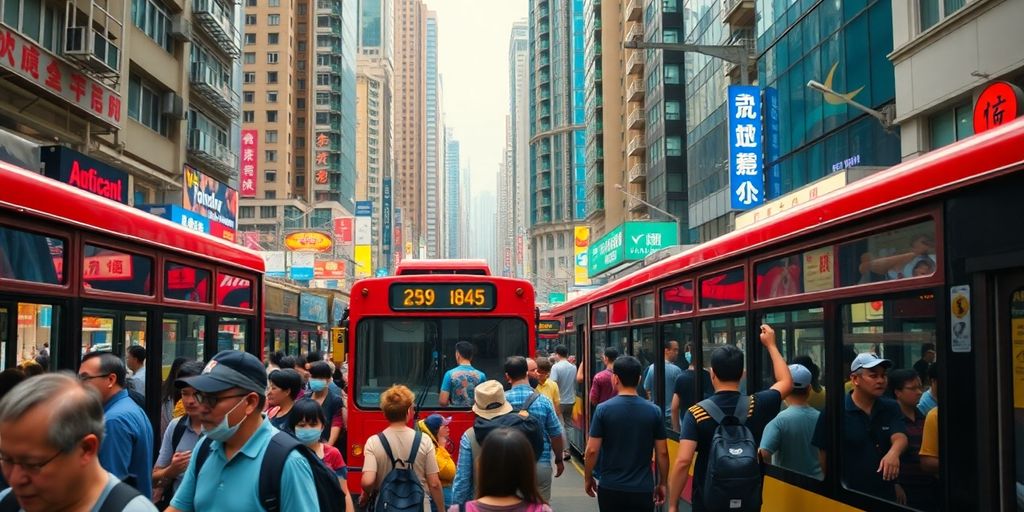
Hong Kong boasts a world-class public transport system, making it easy to get around. However, like any major city, it's important to be aware of your surroundings and take precautions to ensure a safe journey.
Using the MTR and Buses
The MTR (Mass Transit Railway) and buses are the backbone of Hong Kong's public transport. They're efficient, frequent, and generally very safe. The MTR, in particular, is known for its cleanliness and punctuality.
- Get an Octopus card. It's a rechargeable card used for almost all public transport and even some shops. It saves you the hassle of buying individual tickets.
- Plan your route in advance. Apps like Citymapper are great for this.
- Be aware of your belongings, especially during peak hours when carriages can get very crowded.
- Mind the gap! It's a simple reminder, but important, especially when getting on and off the MTR.
Taxi Safety Tips
Taxis are readily available, but it's wise to take a few precautions. Not all drivers speak English fluently, so communication can sometimes be a challenge.
- Only use officially marked taxis. These are usually red (urban), green (New Territories), or blue (Lantau Island).
- Make sure the driver uses the metre. If they refuse, try another taxi.
- Have your destination written in Chinese. This can avoid misunderstandings.
- Consider using a ride-sharing app. These offer an alternative to traditional taxis.
Avoiding Crowded Areas
Crowded areas, especially during rush hour or at popular tourist spots, can be prime locations for pickpockets. It's important to be extra vigilant in these situations.
- Keep your bag close to your body. Crossbody bags are a good option.
- Be aware of people bumping into you. This is a common tactic used by thieves.
- Avoid displaying expensive jewellery or electronics.
- If possible, travel during off-peak hours. This will reduce the risk of being in crowded situations.
Public transport in Hong Kong is generally very safe and reliable. However, it's always better to be cautious and take steps to protect yourself and your belongings. By following these simple tips, you can enjoy a stress-free journey around this vibrant city.
Health and Medical Safety
Hong Kong boasts a high standard of healthcare, but understanding the system is key for expats. Don't assume things work exactly as they do back home. It's always better to be prepared, right?
Accessing Healthcare Services
Hong Kong offers both public and private healthcare options. Public hospitals are generally more affordable but can have longer waiting times. Private hospitals offer quicker access and more personalised care, but come at a higher cost. Knowing where to go in advance can save you precious time and stress.
- Public Hospitals: Accessible and subsidised, but expect queues.
- Private Hospitals: Faster service, higher costs, often preferred by expats.
- Clinics: Numerous private clinics offer general and specialist consultations.
Health Insurance Recommendations
Having adequate health insurance is absolutely vital. Public healthcare provides a safety net, but private insurance offers greater flexibility and choice. Consider these points:
- Check if your existing international health insurance covers you in Hong Kong.
- Compare different insurance plans to find one that suits your needs and budget.
- Ensure your policy covers hospital stays, specialist consultations, and emergency treatments.
It's a good idea to carry a copy of your insurance card and policy details with you at all times. Also, familiarise yourself with the claims process to avoid any surprises later on.
Emergency Medical Procedures
In case of a medical emergency, dial 999 for ambulance services. Be prepared to provide your location and a brief description of the situation. Here's what to keep in mind:
- Ambulance services are free for emergencies.
- Know the location of the nearest hospital with an Accident & Emergency department.
- Learn basic first aid and CPR – it could save a life.
Building a Support Network
Moving to a new country can feel isolating, but Hong Kong has a vibrant expat community and plenty of ways to connect with locals. Building a support network is really important for your well-being and can make your transition much smoother. It's about finding people who understand what you're going through and can offer advice, friendship, or just a listening ear. Don't underestimate the power of having people around you who 'get it'.
Connecting with Other Expats
One of the easiest ways to start building your network is by connecting with other expats. They've been through the same experiences as you and can offer practical advice on everything from finding accommodation to navigating the local bureaucracy. There are many expat groups in Hong Kong that you can join.
- Attend expat meetups and events. These are great opportunities to meet people in a relaxed and informal setting.
- Join online forums and social media groups specifically for expats in Hong Kong. These platforms can be a great source of information and support.
- Consider joining professional organisations or networking groups related to your field. This can help you connect with other professionals and expand your career opportunities.
Joining Local Community Groups
While connecting with other expats is important, it's also beneficial to integrate with the local community. This will give you a deeper understanding of Hong Kong culture and help you feel more connected to your new home. It can be a bit daunting at first, but it's worth the effort.
- Take a language class. Learning Cantonese or Mandarin will not only help you communicate with locals but also show that you're interested in their culture.
- Volunteer for a local charity or community organisation. This is a great way to give back to the community and meet people who share your values.
- Join a local sports team or hobby group. This is a fun way to meet people and pursue your interests.
Utilising Social Media
Social media can be a powerful tool for building your support network in Hong Kong. There are many online groups and communities where you can connect with other expats and locals. Just be mindful of online safety and privacy.
- Join Facebook groups for expats in Hong Kong. These groups are a great source of information, advice, and support. Check out some community networking organisations to get started.
- Follow local influencers and bloggers on social media. This can help you stay up-to-date on what's happening in Hong Kong and discover new places and events.
- Use LinkedIn to connect with other professionals in your field. This can help you expand your career network and find new job opportunities.
Building a support network takes time and effort, but it's an investment that will pay off in the long run. Don't be afraid to put yourself out there and try new things. The more you engage with the community, the more likely you are to find people who will become your friends and support system.
Understanding Local Laws and Regulations
It's really important to get your head around the local laws and regulations when you're living in Hong Kong. It can be a bit different from what you're used to back home, and you don't want to accidentally land yourself in hot water. Ignorance isn't an excuse, as they say!
Legal Rights as an Expat
As an expat, you've got certain legal rights, but it's vital to know what they are. You're generally subject to the same laws as residents, but there are some differences, especially when it comes to things like employment and immigration. Make sure you're aware of your visa conditions and what you're allowed to do while you're here. It's also a good idea to keep copies of your important documents, like your passport and visa, in a safe place.
- Understand your visa conditions.
- Keep copies of important documents.
- Know your employment rights.
Navigating Demonstrations
Hong Kong has a history of demonstrations, and it's important to know how to act if you find yourself near one. Even if you're just passing by, it's best to stay calm and avoid getting involved. Keep an eye on the news and social media to see if there are any planned protests in your area, and try to avoid those areas if you can. Remember, what might be considered acceptable protest behaviour in your home country might not be here, so it's best to err on the side of caution. The immigration guidelines are very clear on this.
It's always a good idea to keep a low profile and avoid any behaviour that could be seen as provocative or confrontational. If you see a demonstration, just move away calmly and don't take photos or videos, especially of the police.
Respecting Local Customs
Showing respect for local customs is a big deal, and it can make your life a lot easier. Hong Kong is a mix of Eastern and Western cultures, so there are some things you might not be familiar with. For example, it's considered polite to use both hands when giving or receiving business cards, and you should always take your shoes off when entering someone's home. Learning a few basic Cantonese phrases can also go a long way in showing that you're making an effort to fit in.
- Use both hands for business cards.
- Remove shoes when entering homes.
- Learn basic Cantonese phrases.
Staying Safe During Natural Disasters
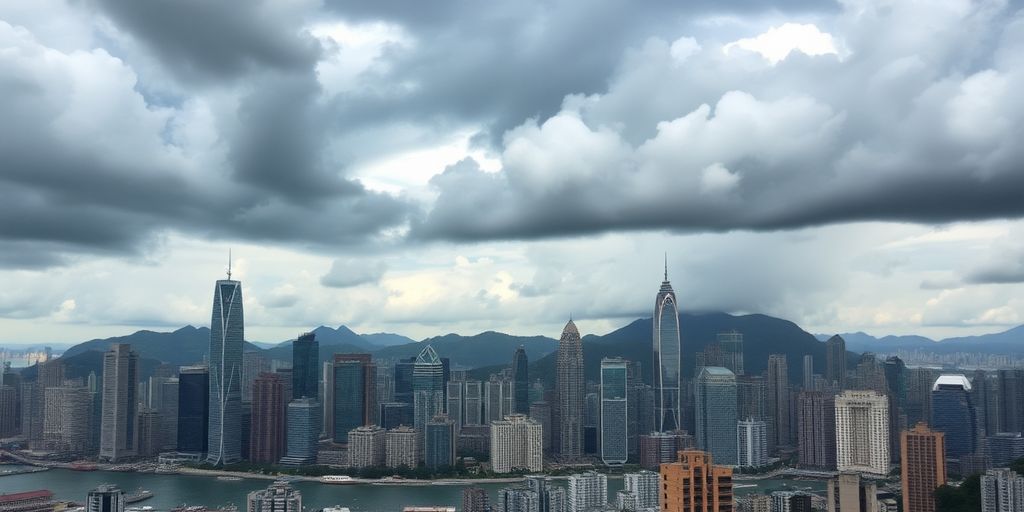
Hong Kong, while a vibrant and modern city, is also susceptible to natural disasters, particularly typhoons. Being prepared is key to ensuring your safety and well-being.
Typhoon Preparedness
Typhoons are a regular occurrence in Hong Kong, especially between April and October. It's important to understand the warning signals issued by the Hong Kong Observatory and what actions to take for each signal. These signals range from Standby Signal No. 1 to Hurricane Signal No. 10, each indicating increasing severity.
- Monitor weather forecasts regularly, using resources like the Hong Kong Observatory website or app.
- Know the typhoon warning signals and their corresponding safety measures.
- Prepare a typhoon survival kit with essentials like water, non-perishable food, a first-aid kit, a torch, and a portable charger.
During a typhoon, stay indoors and away from windows. Avoid going outside unless absolutely necessary. If you live in a low-lying area, be aware of the risk of flooding and be prepared to evacuate if instructed by authorities.
Earthquake Safety Tips
While Hong Kong is not located in a major seismic zone, earthquakes can still be felt. It's wise to know what to do in the event of an earthquake, even if the risk is relatively low. If you are in China, it is crucial to follow local authorities' advice and stay updated through media channels.
- During an earthquake, stay calm and seek shelter under a sturdy table or doorway.
- If you are outdoors, move away from buildings, power lines, and anything that could fall.
- After the shaking stops, check for injuries and damage. Be prepared for aftershocks.
Emergency Evacuation Plans
Having an emergency evacuation plan is crucial, especially if you live in an area prone to flooding or landslides. Make sure you know the evacuation routes and assembly points in your area.
- Identify the nearest emergency shelter and evacuation routes from your home and workplace.
- Keep important documents, such as your passport and insurance information, in a waterproof bag.
- Inform family members and neighbours of your evacuation plan.
It's also a good idea to familiarise yourself with the local emergency services and how to contact them. Knowing these details can make a big difference in a crisis.
Final Thoughts on Safety in Hong Kong
In summary, Hong Kong is generally a safe place for expats, with low crime rates and a vibrant community. However, it's wise to stay alert and take some basic precautions to keep yourself secure. Always be aware of your surroundings, especially in crowded areas, and don’t carry too much cash. Make sure your home is secure and know how to reach your consulate in case of emergencies. By following these simple tips, you can enjoy everything this amazing city has to offer while keeping yourself safe.
Frequently Asked Questions
Is it safe for expats to live in Hong Kong?
Yes, Hong Kong is generally safe for expats. The crime rates are low, but it's wise to stay cautious and aware.
What should I do in case of an emergency?
In an emergency, contact local authorities or your country's consulate. Always keep emergency numbers handy.
How can I stay updated on local events and safety issues?
Follow local news outlets, join community groups, and use social media to stay informed about what's happening.
Are there any health risks I should be aware of?
While Hong Kong has good healthcare, be mindful of local health advisories, especially regarding COVID-19.
What are the best ways to secure my belongings?
Keep your valuables close, avoid displaying expensive items, and use a lock for your bags when in public.
How do I find support as a new expat?
Join expat groups, attend local events, and connect on social media platforms to meet others and build a support network.
The Moveandstay editorial team writes about serviced living, workspaces, and city guides across Asia-Pacific.
Read next

Serviced Offices Surge in Popularity as Businesses Embrace Flexible Leasing
May 3, 2026
Hong Kong Serviced Apartment Market Buzzes with Sales and Investment Activity Amidst Shifting Valuations
May 3, 2026

ONYX Hospitality Group Elevates Shama Serviced Apartments with New Lifestyle Concept and Ambitious Expansion
Apr 26, 2026