Is Ho Chi Minh City Laptop-Friendly? Cultural Insights for Digital Nomads
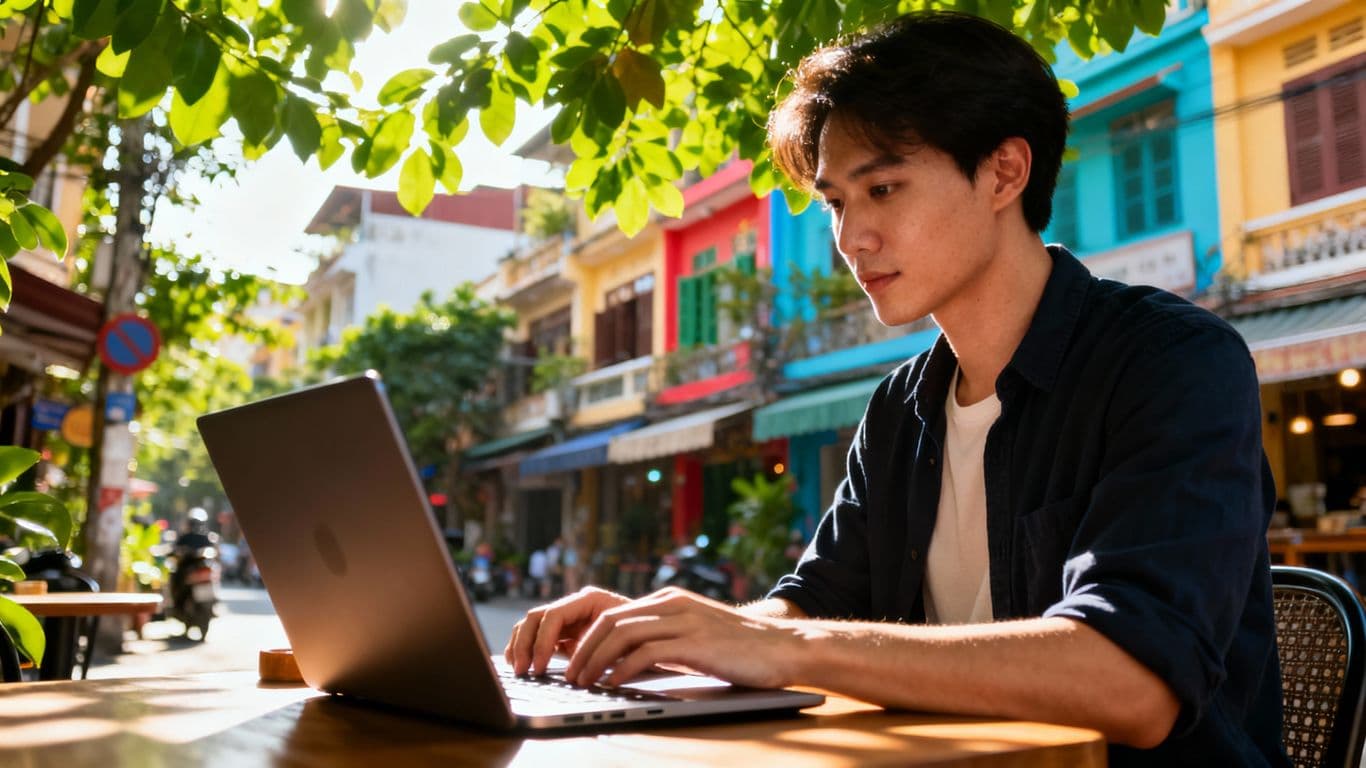
Thinking about swapping your usual office for the vibrant streets of Ho Chi Minh City? It's a popular spot for folks working online, and for good reason. The city pulses with energy, offering a mix of old and new that's pretty captivating. But is it really set up for people who need to get work done? Let's take a look at what it's like for digital nomads.
Key Takeaways
- Ho Chi Minh City offers a dynamic environment with a strong startup scene, contributing to a generally work-friendly culture in Ho Chi Minh City.
- Reliable Wi-Fi is widely available in cafes, coworking spaces, and even some public areas, making it easy to stay connected.
- The cost of living is quite low, meaning your money goes further for accommodation, food, and transport.
- While the city's traffic and pollution can be challenging, many find ways to adapt and enjoy the unique atmosphere.
- Locals are known for their hospitality, and while there can be a language barrier, a sense of community can be found, especially in expat-friendly areas.
Navigating Ho Chi Minh City's Energetic Atmosphere
Ho Chi Minh City, or HCMC as it's often called, hits you with a wave of energy the moment you arrive. It's a place that doesn't really do quiet. Think constant motion, a symphony of motorbike horns, and a buzz that's infectious. It's not just a city; it's an experience that pulls you in, whether you're ready or not. For digital nomads, getting a handle on this vibrant chaos is the first step to settling in and making it work for you.
Embracing the Urban Pulse
The sheer scale of HCMC can be a bit overwhelming at first. It's a sprawling metropolis with distinct districts, each having its own character. From the colonial architecture of District 1 to the more local feel of areas further out, there's always something new to discover. The city truly comes alive in its markets, like Ben Thanh Market, where you can find everything from souvenirs to delicious street food. Evenings are a spectacle, with streets transforming into bustling hubs of activity.
- Street Food Adventures: Don't shy away from the street food stalls. They're a massive part of the city's culture and offer some of the most authentic and tasty meals you'll find. Try a Banh Mi or some fresh spring rolls.
- Coffee Culture: Vietnamese coffee is legendary. You'll find countless cafes, from sleek modern spots to tiny, traditional places where locals gather. It's a great way to people-watch and soak in the atmosphere.
- Rooftop Views: For a different perspective, head to one of the city's many rooftop bars. Watching the sunset over the urban sprawl with a cool drink in hand is a fantastic way to unwind.
The city's rhythm is fast-paced, and while it might seem chaotic, there's a certain order to it all. Learning to go with the flow is key.
Understanding the Traffic Dynamics
Let's be honest, the traffic in HCMC is legendary, and not always in a good way. Motorbikes are king here, and they move in a way that can seem utterly bewildering to newcomers. Crossing the road can feel like a high-stakes game of Frogger. The trick is to walk at a steady, predictable pace, don't make sudden movements, and let the bikes flow around you. It sounds counter-intuitive, but it usually works.
| Type of Vehicle | Estimated Percentage of Road Users |
|---|---|
| Motorbikes/Scooters | 85% |
| Cars | 10% |
| Buses/Trucks | 3% |
| Bicycles/Other | 2% |
It's not just about crossing the street, though. Getting around the city means contending with traffic jams, especially during peak hours. Planning your journeys with a bit of extra time is always a good idea. For digital nomads, this means your commute to a coworking space or cafe might take longer than you expect, so factor that into your work schedule.
Cultural Immersion for Newcomers
To really get the most out of HCMC, you need to embrace its culture. This means being open to new experiences, trying local customs, and showing respect. Visiting historical sites like the War Remnants Museum or the Reunification Palace offers a glimpse into Vietnam's past. Exploring temples, such as the Jade Emperor Pagoda, provides a sense of the spiritual side of the city.
- Learn a few basic Vietnamese phrases: Even a simple 'xin chào' (hello) or 'cảm ơn' (thank you) goes a long way.
- Dress respectfully when visiting religious sites: Shoulders and knees should be covered.
- Be patient and polite: The Vietnamese are generally very welcoming, and a friendly attitude is always appreciated.
Getting used to the city's pace and energy is part of the adventure. It's a place that rewards those who are willing to jump in and experience it fully.
Connectivity and Workspace Options
Ho Chi Minh City, or HCMC as it's often called, is surprisingly well-equipped for those of us who need to stay connected and productive on the go. You'll find that getting online and finding a decent spot to work is generally pretty straightforward, which is a big plus for any digital nomad.
Ubiquitous Wi-Fi Availability
Honestly, Wi-Fi is pretty much everywhere you'd expect it to be. From your basic street-side pho stall to the fancier cafes, most places offer free Wi-Fi. The speeds can vary, of course, but for general browsing, emailing, and even video calls, it's usually more than adequate. It’s always a good idea to have a backup plan, maybe a local SIM card with a data package, just in case you hit a spot with particularly sluggish internet. Many cafes are quite used to people setting up shop with their laptops for a few hours, so you won't usually feel out of place.
Dedicated Coworking Hubs
If you're after a more structured work environment, HCMC has a growing number of coworking spaces. These places are often set up with digital nomads and freelancers in mind, offering reliable internet, comfortable seating, and often, a bit of a community feel. Some popular spots include:
- Dreamplex: Known for its stylish interiors and multiple locations, offering various working setups.
- The Hive: With several branches, it's a solid choice, often organising social events and workshops.
- CirCO: A well-established space with good facilities, including meeting rooms and even a gym.
- Sharespace: Offers a more traditional office feel with high-speed internet and various package options.
These spaces usually have different pricing tiers, from daily passes to monthly memberships, so you can pick what suits your stay.
Laptop-Friendly Cafes
Beyond the dedicated coworking spots, the cafe scene in HCMC is fantastic for remote workers. You'll find countless cafes that welcome laptop users. They often have a good mix of locals and fellow travellers, creating a lively yet workable atmosphere. Look out for places with:
- Plenty of power outlets (always a bonus!)
- Comfortable seating arrangements for longer work sessions
- Good coffee and snacks to keep you fuelled
Some cafes are particularly well-regarded, like The Workshop Coffee, known for its loft-style interiors and city views, or The Coffee House, which offers a more sleek and professional vibe. Even large chains like Highlands Coffee often have branches with ample space and reliable Wi-Fi.
Finding a good spot to work in HCMC is rarely a problem. The city's energy seems to translate into its workspaces, whether you're in a bustling cafe or a quiet coworking hub. Just remember to be mindful of the cafe's busy periods if you plan on settling in for a long stretch.
Cost of Living and Practicalities
Ho Chi Minh City is often touted as a budget-friendly destination for digital nomads, and for good reason. While it's possible to spend a fair bit if you're chasing high-end experiences, the everyday costs can be surprisingly low, making your money stretch much further than in many Western cities.
Affordable Living Expenses
When it comes to daily expenses, HCMC really shines. Eating out, for instance, can be incredibly cheap. You can grab a delicious bowl of pho or a banh mi from a street vendor for around $1-2. Even a sit-down meal at a mid-range restaurant often won't break the bank. Groceries are also quite affordable, especially fresh produce, meats, and eggs. Imported goods like Western cheese or wine will naturally cost more, but local options are plentiful and inexpensive.
Here's a rough idea of what you might spend:
| Item | Approximate Cost (USD) |
|---|---|
| Local Meal (Street Food) | $1 - $3 |
| Mid-Range Restaurant Meal | $5 - $10 |
| Coffee | $1 - $2 |
| Local Beer | $1 - $2 |
| 1kg Rice | $1 |
| 10 Eggs | $1 - $1.50 |
| Chicken Breast (1kg) | $3 - $4 |
The key to keeping costs down is to embrace local habits. Eat where the locals eat, shop at the markets, and use local transport. You'll save money and get a more authentic experience.
Accommodation Choices
Accommodation in Ho Chi Minh City offers a wide spectrum, catering to various budgets. You can find basic rooms or shared apartments for as little as $200 a month, especially if you're willing to live a bit further from the city centre. More comfortable private apartments, perhaps with amenities like a pool or gym, can range from $400 to $800 or more per month, depending on the district and facilities. Short-term stays in hotels or serviced apartments can be found for $30-$50 per night, with luxury options costing significantly more. Websites like Booking.com and Airbnb are popular, but exploring local rental sites or Facebook groups can sometimes uncover hidden gems.
When looking for a place, consider:
- Location: Districts 1, 3, and Binh Thanh are popular with expats and offer good access to amenities, but tend to be pricier.
- Amenities: Decide if you need a gym, pool, or a fully-equipped kitchen.
- Lease Terms: Short-term rentals are more flexible but often costlier per day than longer leases.
- Utilities: Check if electricity, water, and internet are included in the rent, as these can add up.
Navigating Local Transport
Getting around Ho Chi Minh City is an adventure in itself. The sheer volume of motorbikes is staggering, and while it can seem chaotic, it's also an efficient way to travel. Ride-hailing apps like Grab are incredibly popular and offer both motorbike taxis (GrabBike) and car taxis (GrabCar) at very reasonable prices. A short GrabBike ride might only cost $1-2, while a longer GrabCar journey across town could be $5-10. Public buses are the cheapest option, though they can be crowded and less direct for tourists. For longer distances or day trips, consider hiring a car with a driver or using inter-city buses and trains.
- Grab: Your best friend for quick, affordable rides. Download the app before you arrive.
- Buses: The most economical way to travel, but requires some planning to figure out routes.
- Taxis: Stick to reputable companies like Mai Linh or Vinasun to avoid overcharging.
- Walking: Feasible for short distances within a neighbourhood, but be mindful of the heat and traffic.
Embracing the Work-Friendly Culture in Ho Chi Minh City
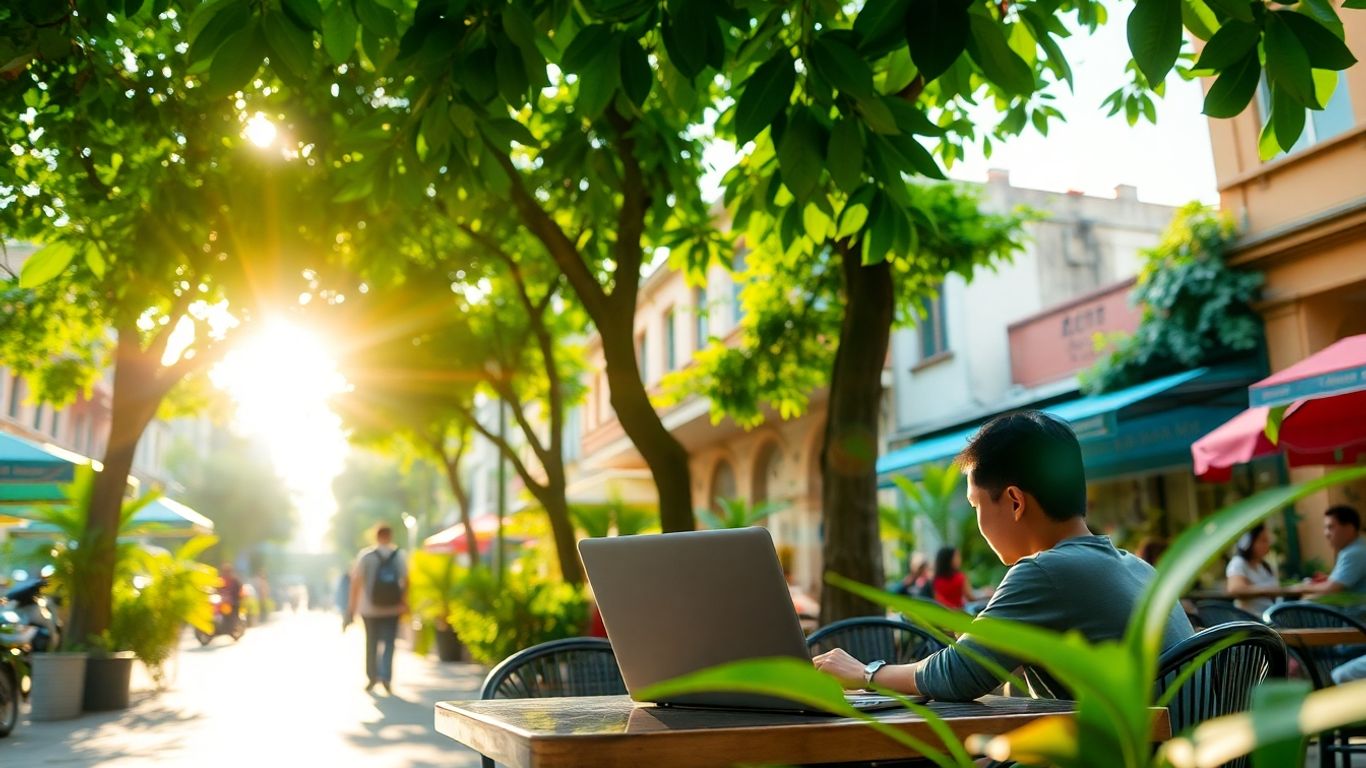
Ho Chi Minh City, or HCMC as it's often called, has a real buzz about it. It’s not just the constant hum of motorbikes; there’s a palpable energy that seems to fuel a can-do attitude, especially among the younger generation and entrepreneurs. This city doesn't really sleep, and that same relentless drive seems to spill over into its work culture, making it surprisingly welcoming for those of us tapping away on our laptops.
The Startup Mentality
There's a definite sense that things are happening here. You see it in the proliferation of new cafes, the sleek coworking spaces popping up, and the general optimism you encounter. It feels like a place where ideas are readily shared and pursued. This dynamic environment is incredibly infectious and can really motivate you to get your own projects moving. It’s common to find locals and expats alike collaborating, sharing insights, and generally supporting each other's ventures. It’s less about cutthroat competition and more about collective growth.
Local Hospitality and Community
Despite the city's sheer size and pace, the people here are remarkably warm and welcoming. You'll often find that locals are curious and friendly, happy to strike up a conversation or offer a helping hand. This extends to the workspace scene too. Many cafes are genuinely happy to have you settle in with your laptop for a few hours, provided you're a paying customer, of course. Coworking spaces often organise social events, making it easier to connect with others. It’s not always a deep, ingrained community like you might find in smaller towns, but there are plenty of opportunities to build connections if you put yourself out there.
Balancing Work and Exploration
One of the best things about HCMC is how easily you can blend work with experiencing the city. After a productive morning, you can easily find yourself wandering through a bustling market, grabbing some incredible street food for lunch, or exploring a historic temple. The city is a fantastic base for day trips too. Fancy a change of scenery?
- Mekong Delta: A short trip can take you to the lush, watery landscapes of the Mekong.
- Cu Chi Tunnels: Explore the historical underground network.
- Nearby Beaches: While not right on the doorstep, coastal towns are accessible for a weekend escape.
The sheer variety of experiences available means you're unlikely to get bored. You can be deep in work one moment and then immersed in a completely different cultural experience the next. It’s this constant interplay between productivity and discovery that makes HCMC such a compelling place for digital nomads.
It’s this blend of a go-getter attitude and genuine friendliness, coupled with the sheer accessibility of both work resources and incredible experiences, that really makes Ho Chi Minh City stand out as a work-friendly destination.
Adapting to the Local Environment
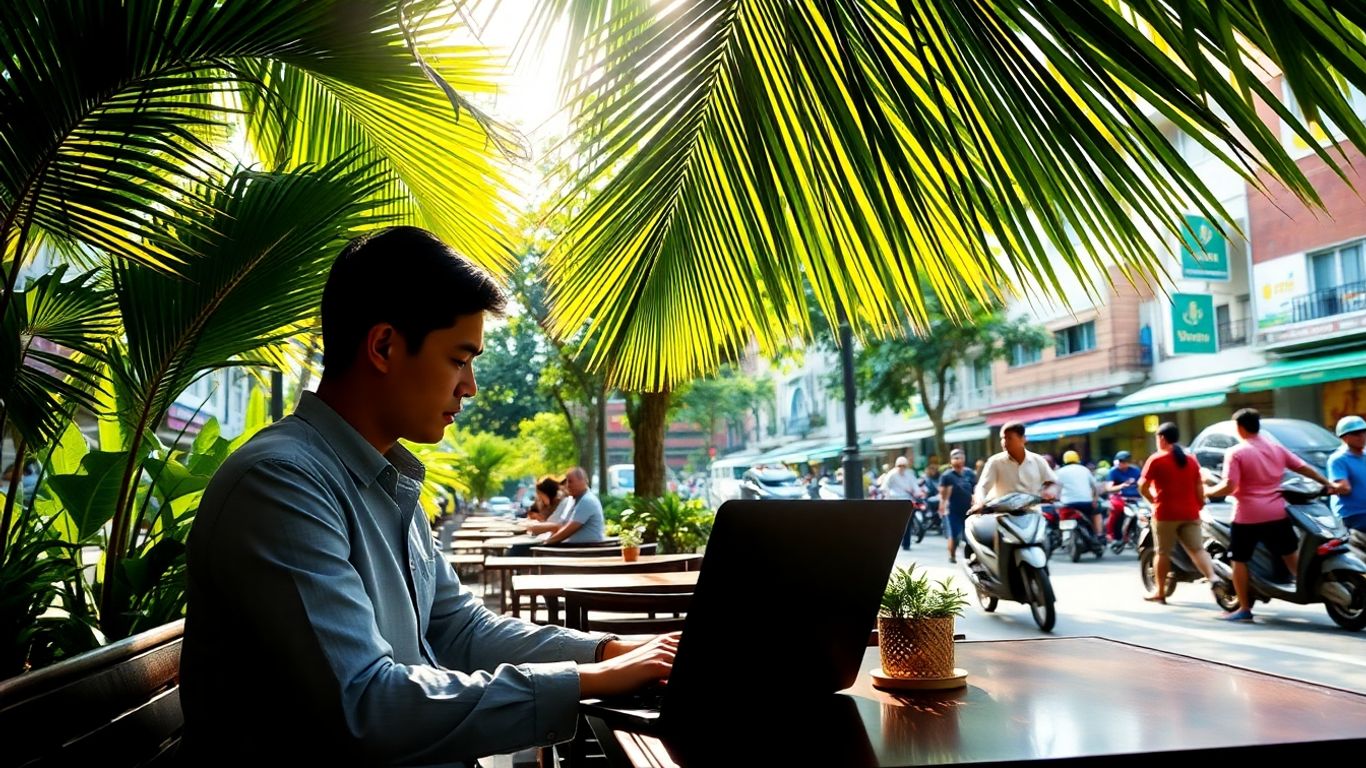
Ho Chi Minh City is a place that really hits you with its energy. It's a city that's always on the move, and getting used to its unique rhythm is part of the adventure. You'll find that the climate plays a big role in daily life, and understanding it can make your stay much more comfortable.
Ho Chi Minh City experiences a tropical climate, which means it's generally warm to hot year-round. The city has two main seasons: the dry season and the rainy season. The dry season, typically from December to March, can be quite hot, with temperatures often soaring. This is when the city feels particularly intense, and you'll want to stay hydrated. The rainy season, from May to September, brings higher humidity and frequent downpours. Don't let the rain put you off, though; it often comes in short, heavy bursts, and the city keeps going regardless. Embracing the heat and humidity is key to enjoying your time here.
One of the things you'll notice quickly is the air quality. With millions of motorbikes and cars, there's a noticeable level of pollution, especially in busy areas. If you have respiratory issues, it's something to be mindful of. Wearing a mask can help, particularly during peak traffic hours. The heat can also be a challenge. Staying in air-conditioned spaces when possible, drinking plenty of water, and avoiding strenuous activity during the hottest parts of the day are good strategies. Many cafes and coworking spaces offer a welcome respite from the heat and the bustling streets.
Food in Ho Chi Minh City is a massive part of the experience. You'll find an incredible variety of dishes, from street food stalls to more formal restaurants. Don't be shy about trying local specialities. Vietnamese food is known for its fresh ingredients and balanced flavours. Here are a few things to get you started:
- Phở: The iconic noodle soup, perfect for breakfast or any time of day.
- Bánh Mì: A delicious baguette sandwich with various fillings.
- Cơm Tấm: Broken rice served with grilled pork and other toppings.
- Gỏi Cuốn: Fresh spring rolls, a lighter option.
Exploring the local food scene is one of the most rewarding aspects of living in Ho Chi Minh City. It's affordable, flavourful, and a great way to connect with the local culture.
The sheer volume of motorbikes is something to behold. It looks chaotic, but there's a flow to it that you eventually start to understand. Just remember to walk briskly and confidently when crossing roads – stopping can be more dangerous than moving!
Safety and Well-being for Nomads
Ho Chi Minh City is generally a safe place for visitors, but like any busy city, it's wise to be prepared. Petty theft can happen, so keeping an eye on your belongings is a good idea. Most people you'll meet are friendly and helpful, but it's always smart to be aware of your surroundings, especially in crowded markets or tourist spots.
General Safety Precautions
When you're out and about, especially in busy areas, be mindful of your personal items. Pickpocketing can occur, so keeping your valuables secure is important. It's also a good idea to be cautious of street scams, which can sometimes target tourists. Booking services in advance can help avoid some of these issues.
- Secure your valuables: Use a money belt or a secure bag, and avoid flashing expensive items.
- Be wary of unsolicited offers: If something seems too good to be true, it probably is.
- Use reputable transport: Stick to official taxis or ride-sharing apps like Grab.
Awareness of Surroundings
Ho Chi Minh City has a lot of traffic, with motorbikes being the dominant mode of transport. While it's an incredible spectacle, it also means you need to be extra careful when crossing streets. Always look both ways, and don't assume drivers will stop for you. At night, stick to well-lit areas and avoid walking alone in quiet or secluded spots, particularly if you're travelling solo.
The sheer volume of motorbikes can be overwhelming at first. It's best to observe how locals cross the road and try to mimic their rhythm, but always with caution.
Understanding Local Customs
While most locals are welcoming, understanding a few basic customs can go a long way. Learning a few simple Vietnamese phrases, like 'xin chào' (hello) and 'cảm ơn' (thank you), is always appreciated. It's also worth noting that while prostitution is illegal, it does exist, and there have been reports of people having their drinks spiked. Being aware of this and avoiding risky situations is advisable. For peace of mind, consider getting travel insurance before you arrive.
| Potential Issue | Recommendation |
|---|---|
| Petty Theft | Keep valuables secure, be aware in crowds. |
| Scams | Be skeptical of unsolicited offers. |
| Traffic | Observe locals, cross with extreme caution. |
| Nighttime Safety | Stick to well-lit areas, avoid walking alone. |
| Health | Drink bottled water, be mindful of street food hygiene. |
So, is Ho Chi Minh City a good spot for laptop work?
All things considered, Ho Chi Minh City definitely has a lot going for it if you're looking to work remotely. You'll find decent internet pretty much everywhere, from bustling cafes to dedicated coworking spots, and the cost of living is really low, which is a big plus. It's a city that's always on the move, full of energy and friendly faces. Just be prepared for the traffic and the heat – they're part of the experience! While it might not have the same tight-knit community feel as some other digital nomad hubs, the sheer vibrancy and affordability make it a compelling choice for many. It’s a place that offers a real taste of Vietnam while still being practical for getting your work done.
Frequently Asked Questions
Is it easy to find places with Wi-Fi to work from in Ho Chi Minh City?
Yes, absolutely! You'll find Wi-Fi is pretty much everywhere. Cafes, restaurants, and even some public spots offer free internet, making it simple to stay connected while you work.
What's the traffic like, and how do I get around?
The traffic is famously busy, especially with millions of motorbikes! It can seem a bit chaotic at first, but people get used to it. Using ride-sharing apps like Grab is a popular and easy way to get around the city.
Is Ho Chi Minh City expensive for digital nomads?
Not at all! The cost of living is quite affordable. Things like accommodation, food, and getting around are much cheaper compared to many other places, which is a big plus for remote workers.
Are there good places to work besides cafes?
Definitely. Ho Chi Minh City has a growing number of coworking spaces that are great for getting work done. They often have fast internet and a good environment for focusing.
Is it safe for digital nomads to stay in Ho Chi Minh City?
Generally, yes. While you should always be aware of your surroundings and keep your belongings safe, especially in crowded places, violent crime is rare. The locals are known for being welcoming and friendly.
What's the weather like, and should I worry about pollution?
The weather is warm year-round, but there's a dry season and a rainy season. During the rainy season, it can get very humid. The city does have pollution from traffic, so if you have breathing issues, it's something to be mindful of.
Filed under
The Moveandstay editorial team writes about serviced living, workspaces, and city guides across Asia-Pacific.