
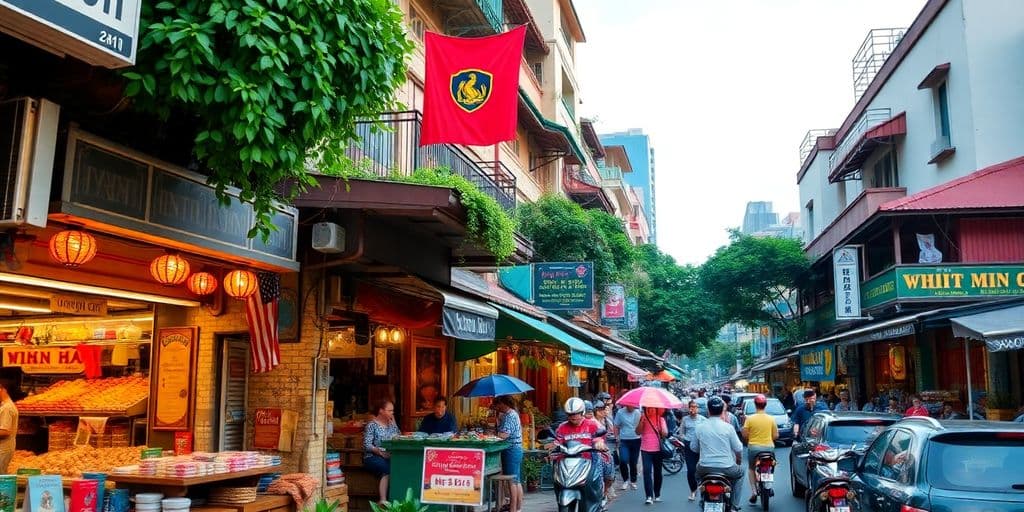
Ho Chi Minh City, often referred to as Saigon, is a bustling metropolis in Vietnam that attracts many expats with its vibrant culture and affordable living costs. But just how affordable is it? In this article, we will explore the various aspects of living costs in Ho Chi Minh City, from housing and daily expenses to healthcare and lifestyle choices. Whether you're considering a move or just curious about life in this dynamic city, we've got you covered.
Key Takeaways
- Ho Chi Minh City offers a low cost of living compared to many Western cities, making it appealing for expats.
- Rent prices are generally affordable, with options ranging from budget studios to luxury apartments.
- Daily living expenses like food and transport are inexpensive, allowing for a comfortable lifestyle on a modest budget.
- Healthcare is accessible, with both public and private options available at reasonable prices.
- The expat community is large and supportive, providing a welcoming environment for newcomers.
Understanding Living Costs In Ho Chi Minh City
Overview Of Monthly Expenses
Figuring out how much it costs to live in Ho Chi Minh City is a big question for anyone thinking of moving there. The good news is, it's generally considered quite affordable, especially compared to many Western cities. But, like anywhere, your lifestyle choices will heavily influence your spending. You can get by on a pretty tight budget if you're careful, but splurging on fancy restaurants and imported goods will obviously increase your outgoings. It's worth noting that figures from cost of living comparison sites should be taken as a starting point, not gospel.
- Rent
- Food
- Transportation
- Utilities
It's easy to keep daily spending under 1,000,000 VND (roughly $40 USD) which includes coffee, transport, lunch and dinner. Some people even manage on 200,000 VND ($8 USD). It depends on your lifestyle.
Comparison With Other Cities
Ho Chi Minh City often comes up as one of the more affordable cities in Southeast Asia. For example, you might find that average rent in Saigon is significantly lower than in a place like Hong Kong or Singapore. Of course, it's not just about rent; things like food, transport, and entertainment also play a big role. Generally, you'll find that your money stretches further in Ho Chi Minh City than in many Western countries. A recent survey indicated that living costs in Saigon are nearly 65% lower than in the United States and 45% lower than in the United Kingdom.
Factors Influencing Costs
Several things can affect how much you spend each month. Where you choose to live is a big one; districts closer to the city centre tend to be pricier. Your accommodation type also matters – a studio apartment will cost less than a multi-bedroom house. Then there's your lifestyle: eating out frequently, entertainment and leisure activities, and shopping habits will all impact your budget. Even things like visa regulations and costs can add up over time.
Here's a quick rundown:
- Location: City centre vs. outskirts.
- Accommodation: Apartment size and quality.
- Lifestyle: Dining, entertainment, and shopping choices.
- Visa Costs: Depending on your visa situation.
Affordable Housing Options
Average Rent Prices
Okay, so let's talk about rent. One of the big draws of Ho Chi Minh City is that your money can stretch a lot further than back home. You can find decent places without breaking the bank. Of course, it depends on what you're after – a swanky serviced apartment or a more local-style place. Here's a rough idea of what you might be looking at:
| Size | Highest rent (US$)* | Lowest rent (US$)* |
|---|---|---|
| 1 bedroom | $1,200 | $350 |
| 2 bedroom | $1,500 | $500 |
| 3 bedroom | $1,700 | $750 |
*Source: Expat.com property search
Keep in mind that these are just averages. You can definitely find cheaper options, especially if you're willing to live a bit further from the city centre.
Types Of Accommodation
You've got a few choices when it comes to where to live. It's not just apartments, although those are pretty common. Here's a quick rundown:
- Apartments: These range from basic studios to luxury multi-bedroom flats. Serviced apartments are also an option, which usually include cleaning and other amenities.
- Houses: If you're after more space, especially if you're a family, renting a house is doable. They tend to be further out from the centre.
- Villas: For those with a bigger budget, villas offer a more luxurious living experience. Expect to pay a premium.
- 'Mini houses' or studios: These are smaller, often locally owned properties. They can be a great budget option, but might not have all the mod cons.
Location Impact On Rent
Where you choose to live makes a massive difference to the rent you'll pay. District 1, being the city centre, is the most expensive. Areas like Binh Thanh District are generally more affordable, while still being pretty convenient.
Living further out can save you a lot of money, but you'll need to factor in transport costs and travel time. It's a trade-off between cost and convenience. Think about what's important to you – being close to the action or saving some cash. Also, consider the local amenities, like shops and restaurants, in the area you're looking at.
Cost Of Daily Living
Food And Dining Expenses
Okay, so food. It's a big part of daily life, right? In Ho Chi Minh City, you've got a massive range of options, which is great, but it also means your spending can vary wildly. Street food is incredibly cheap – you can grab a bowl of pho for next to nothing. But if you're hitting up fancy restaurants all the time, expect to pay prices similar to what you'd find back home, maybe even more in some cases.
- Local Markets: Fresh produce is super affordable.
- Street Food: Delicious and budget-friendly.
- Western Restaurants: Can be quite pricey.
Transportation Costs
Getting around Ho Chi Minh City can be an adventure, to say the least. Motorbikes are the main way most people travel, and buying one isn't too expensive, but you've got to factor in petrol, maintenance, and the occasional bribe (just kidding... mostly). Taxis and ride-hailing apps are readily available and relatively cheap, especially compared to London prices. Public transport exists, but it's not always the most convenient option. Consider your daily commute when budgeting.
- Motorbike: Affordable to buy, but factor in running costs.
- Taxis/Ride-Hailing: Convenient and relatively cheap.
- Public Transport: Limited but improving.
Utilities And Internet
Utilities are generally quite reasonable. Electricity bills can fluctuate depending on how much you use your air conditioning (which, let's be honest, you'll be using a lot). Internet is pretty cheap and reliable, so you can stay connected without breaking the bank. Here's a rough idea of what you might expect to pay:
| Utility | Average Monthly Cost (USD) |
|---|---|
| Electricity | 30 - 50 |
| Water | 10 - 20 |
| Internet | 10 - 20 |
It's worth noting that some apartments include utilities in the rent, so make sure to check the details before you sign a lease. This can really simplify your budgeting and avoid any unexpected surprises.
Also, if you are living in an apartment complex, you may also need to be mindful of additional costs.
Healthcare And Insurance Costs
Public Healthcare System
Vietnam's public healthcare system is undergoing significant development, with increased government investment. While improvements are ongoing, it's worth noting that the system isn't universal just yet, though there are plans to make it so. You'll find that public hospitals are generally more affordable, but they can be quite crowded, and English-speaking staff might be limited. For expats, compulsory social security health cover is available for those on contracts longer than three months. However, many still opt for additional private cover.
Private Healthcare Options
Private healthcare in Ho Chi Minh City offers a higher standard of care, with shorter waiting times and more English-speaking doctors. These facilities often have modern equipment and a wider range of services. However, this comes at a higher cost. Expats often prefer private hospitals and clinics for routine check-ups and more complex treatments. It's a trade-off between cost and convenience, really.
Health Insurance Recommendations
For expats, having comprehensive health insurance is pretty much essential. While the public system is improving, private insurance gives you access to better facilities and peace of mind. Consider these points when choosing a plan:
- Check the policy covers you for both inpatient and outpatient treatment.
- Make sure it includes medical evacuation, just in case.
- Look at the list of hospitals and clinics covered by the insurance provider.
It's a good idea to shop around and compare different insurance providers to find a plan that suits your needs and budget. Don't just go for the cheapest option; consider the level of cover and the reputation of the insurer. Getting the right insurance can save you a lot of hassle and expense in the long run.
Lifestyle Choices And Their Impact
Dining Out Vs. Cooking At Home
Okay, so eating out in Ho Chi Minh City is tempting. Street food is everywhere, and it's cheap. But, like anywhere, it adds up. Cooking at home is way cheaper, obviously. Markets are full of fresh stuff, and you can get some amazing ingredients for next to nothing. It's a trade-off between convenience and saving money. I've found a balance is key. I try to cook most nights, but I treat myself to pho or banh mi from a street vendor a couple of times a week. It keeps things interesting and doesn't break the bank. Plus, learning to cook some Vietnamese dishes is a fun way to integrate culturally.
Entertainment And Leisure Activities
There's loads to do in Ho Chi Minh City, but some activities are pricier than others. A night out in a fancy rooftop bar will cost you a fair bit more than chilling in a local bia hoi. Museums are pretty cheap, and wandering around the city is free. Weekends can be as expensive or as cheap as you want them to be. I've found that exploring different districts and finding local spots is the best way to have fun without spending a fortune. Plus, there are always free events happening if you keep an eye out.
Here are some ideas for affordable leisure activities:
- Wander around parks.
- Visit local markets.
- Attend free cultural events.
Shopping Habits
Shopping can be a real budget killer if you're not careful. There are some amazing malls with all the big brands, but you'll pay the same prices as you would back home. Local markets are the place to go for bargains, but you need to be prepared to haggle. I've learned to only buy what I really need and to avoid impulse purchases. It's also worth checking out second-hand shops for clothes and other items. You can find some real gems if you're willing to put in the time to look. Being mindful of your shopping habits can make a big difference to your monthly expenses.
It's easy to get caught up in the excitement of a new city and overspend on things you don't really need. Setting a budget and sticking to it is essential for keeping your finances in check. Remember to factor in all your expenses, including entertainment and shopping, when planning your monthly budget.
Navigating The Expat Community
Support Networks For Expats
Moving to a new country can be daunting, but Ho Chi Minh City has a pretty solid network of expats ready to lend a hand. These groups can be a lifeline when you're trying to figure out everything from where to buy decent cheese to how to get your visa sorted. You'll find groups on social media, meetups, and even some organised by local businesses. It's worth doing a bit of digging to find the ones that suit your interests and needs. They're a great way to meet people, share experiences, and get practical advice.
Cultural Integration
Getting to grips with Vietnamese culture is key to feeling at home here. It's not just about knowing the language (though that helps!), but also understanding the customs, traditions, and social etiquette.
Here are a few things to keep in mind:
- Learn some basic Vietnamese phrases. Even a few words can go a long way.
- Be aware of local customs, especially when it comes to things like bargaining and dining.
- Try local food. It's delicious and a great way to experience the culture.
Remember that you're a guest in their country. Be respectful of their culture and traditions, even if you don't fully understand them. A little effort to learn and adapt can make a big difference in how you're received.
Social Activities And Events
There's always something going on in Ho Chi Minh City. From live music and art exhibitions to food festivals and sporting events, there's plenty to keep you entertained. Many of these events are organised by or cater to the expat community, making them a great way to meet new people and experience the city. Keep an eye on local listings and social media groups to find out what's happening. Don't be afraid to try new things and step outside your comfort zone. You might just discover your new favourite hobby or make some lifelong friends. Getting a Temporary Residence Card (TRC) can also help you feel more settled and integrated into the community.
Challenges Of Living In Ho Chi Minh City
Visa Regulations And Costs
Sorting out your visa can be a bit of a headache. It's not always straightforward, and the rules can change. You'll need to do your homework and make sure you've got all the right paperwork to avoid any nasty surprises. Plus, visa extensions and renewals can add up, so factor that into your budget. It's worth looking into visa options early on to make sure you're on the right track.
Language Barriers
While many people in Ho Chi Minh City speak some English, especially in tourist areas, you'll find that knowing at least some Vietnamese makes a huge difference. Simple things like ordering food or getting around become much easier. Plus, it shows respect for the local culture. Taking a language course or using a language app can really help you settle in and connect with people.
- Learn basic greetings and phrases.
- Don't be afraid to make mistakes – people appreciate the effort.
- Consider hiring a tutor for more structured learning.
Traffic And Transportation Issues
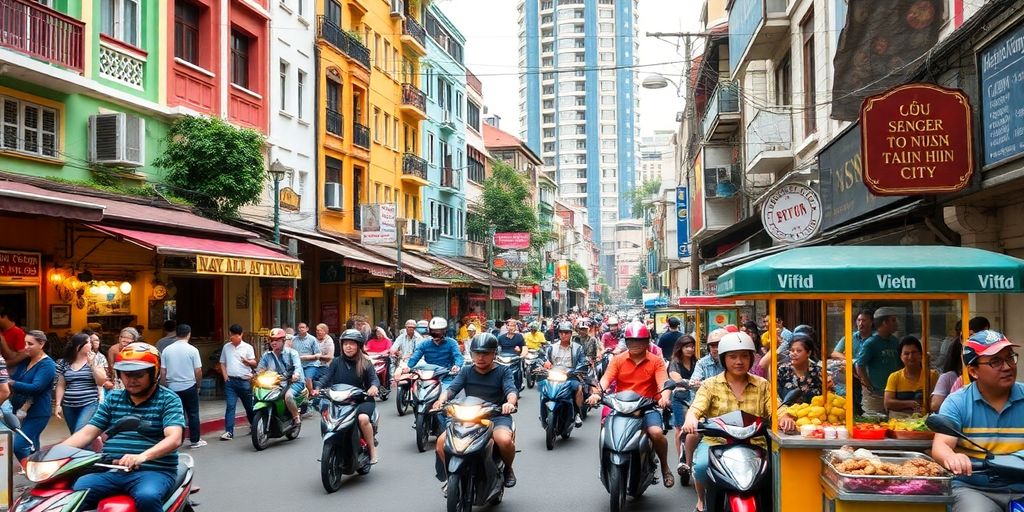
Oh, the traffic! It's definitely one of the biggest challenges of living in Ho Chi Minh City. The sheer volume of motorbikes can be overwhelming, and crossing the road can feel like a death-defying act. Public transport isn't great, although buses are cheap, they can be slow and confusing. Many expats rely on ride-hailing apps like Grab, but even that can get expensive during peak hours. Investing in a motorbike rental might be a good idea if you're staying long term, but make sure you're a confident driver and always wear a helmet.
Getting used to the traffic takes time and patience. It's a good idea to observe how locals navigate the roads and learn to anticipate their movements. Defensive driving is key!
Final Thoughts on Living in Ho Chi Minh City
In summary, Ho Chi Minh City offers a pretty affordable lifestyle for expats, especially when you compare it to places like the UK or the US. You can find decent accommodation without breaking the bank, and daily expenses can be kept low if you stick to local food and transport. Sure, there are some challenges, like the traffic and the visa situation, but many expats seem to manage just fine. If you’re willing to adapt and embrace the local culture, you might just find that living in Saigon is not only affordable but also quite enjoyable. So, if you’re thinking about making the move, it could be worth your while.
Frequently Asked Questions
Is Ho Chi Minh City a cheap place to live for expats?
Yes, Ho Chi Minh City is considered affordable for expats. Many find that living expenses are lower than in cities like London or New York.
What is the average cost of rent in Ho Chi Minh City?
Rent varies, but you can find a studio apartment for around $200 to $250 per month, depending on the location and amenities.
How much do groceries and food cost in Ho Chi Minh City?
Food prices are generally low. You can enjoy local meals for as little as $1, while dining at Western restaurants will cost more.
Are healthcare services good in Ho Chi Minh City?
Healthcare is accessible, with both public and private options available. Expats often prefer private healthcare for better service.
What transportation options are available in Ho Chi Minh City?
Public transport is limited, but you can use motorbikes and Grab (a ride-hailing app) to get around easily.
What challenges do expats face in Ho Chi Minh City?
Expats may struggle with language barriers, navigating visa regulations, and dealing with heavy traffic.
Filed under
The Moveandstay editorial team writes about serviced living, workspaces, and city guides across Asia-Pacific.
Read next

Serviced Offices Surge in Popularity as Businesses Embrace Flexible Leasing
May 3, 2026

Hong Kong Serviced Apartment Market Buzzes with Sales and Investment Activity Amidst Shifting Valuations
May 3, 2026

ONYX Hospitality Group Elevates Shama Serviced Apartments with New Lifestyle Concept and Ambitious Expansion
Apr 26, 2026