Finding the right office rental in Ho Chi Minh City can feel a bit overwhelming, especially if you're new to the area. With so many options and factors to consider, it’s easy to get lost in the details. But don’t worry; this guide will help you navigate the office rental market, understand your needs, and make the process smoother. Whether you're a startup or an established business, there’s something here for everyone. Let’s get started!
Key Takeaways
- Research the current trends in office rental to understand pricing.
- Know your space requirements and essential amenities before searching.
- Work with a reliable real estate agent to simplify the process.
- Consider flexible rental options like co-working spaces or short-term leases.
- Be aware of local laws and documentation needed for leasing.
Understanding The Office Rental Market
Current Trends In Office Rental
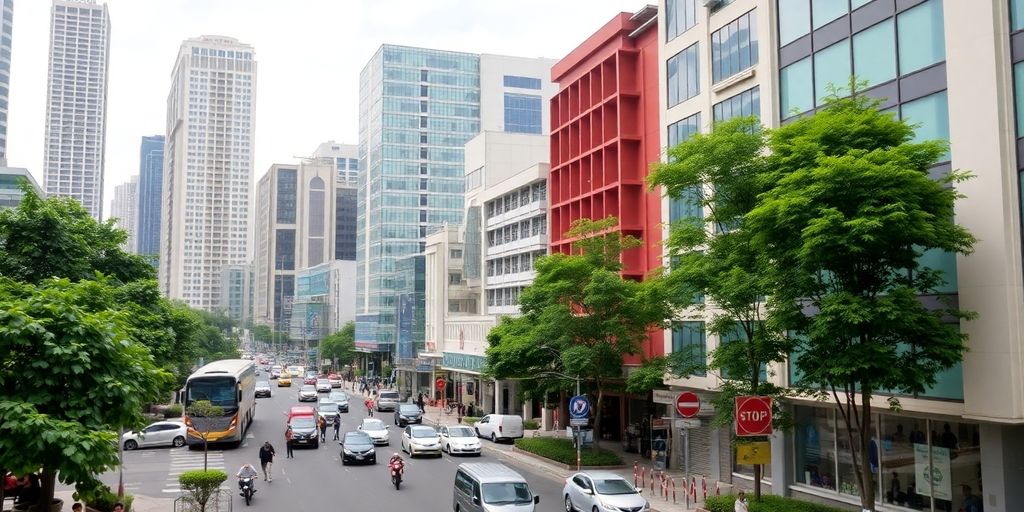
Right, so the office rental scene in Ho Chi Minh City is always changing. You've got new buildings popping up all the time, especially skyscrapers. These new places are bringing a lot more space into the market. This increase in supply can affect rental prices and the types of deals you can get.
- More flexible lease terms are becoming common.
- There's a growing demand for green, sustainable office spaces.
- Technology is playing a bigger role, with smart office features being a big draw.
It's worth keeping an eye on which districts are becoming popular. Some areas might be seeing more development than others, which can impact your commute and the overall vibe of your office location.
Key Factors Influencing Prices
Loads of things affect how much you'll pay for office spaces. Location is a big one – being in the city centre will cost you more. The grade of the building (A, B, or C) also matters, with Grade A offices being the most expensive because they have the best facilities. The size of the space, the length of the lease, and even the current economic climate all play a part.
| Factor | Impact on Price | Example |
|---|---|---|
| Location | High | District 1 vs. a more suburban district |
| Building Grade | High | Grade A vs. Grade C |
| Size | Variable | Larger spaces might have better rates |
| Lease Length | Variable | Longer leases can sometimes mean discounts |
Types Of Office Spaces Available
You've got a few choices when it comes to office spaces. Traditional offices are your standard, long-term leases. Then there are serviced offices, which come furnished and with services like reception and IT support included. Co-working spaces are another option, offering shared workspaces and facilities. Finally, there are virtual offices, which give you a business address and some services without a physical office space. People looking to rent office spaces often prefer longer-term leases to minimise costs associated with office design.
- Traditional Offices: Long-term leases, more control over design.
- Serviced Offices: Furnished, with included services, higher cost.
- Co-working Spaces: Shared workspace, flexible terms, good for networking.
Evaluating Your Office Space Needs
Determining The Size Of Your Office
Okay, so you're thinking about renting an office. First things first, how much space do you actually need? Don't just guess! Think about your current team size, but also factor in future growth. Are you planning on hiring more people in the next year or two? If so, you'll want to make sure you have enough room to accommodate them. It's better to overestimate slightly than to be cramped from day one. Also, consider the type of work your team does. Do they need individual desks, or do they work better in a more collaborative, open-plan environment? All of this will influence the square footage you require. Remember, office market stability is key for long-term planning.
Identifying Essential Amenities
What can your team not live without? Is it super-fast internet? A decent coffee machine? A breakout area for informal meetings? Make a list of all the things that are absolutely essential for your team to be productive and happy. Then, make another list of things that would be nice to have, but aren't deal-breakers. This will help you narrow down your search and avoid wasting time looking at spaces that don't meet your basic requirements. Here's a quick checklist to get you started:
- High-speed internet access
- Reliable air conditioning
- Adequate lighting
- Meeting rooms with presentation equipment
- Kitchen or kitchenette facilities
Don't forget about accessibility! Is the building easily accessible by public transport? Is there parking available for employees who drive? These are important considerations that can impact your team's commute and overall satisfaction.
Choosing The Right Location
Location, location, location! It's not just about finding a trendy neighbourhood. Think about your clients and employees. Is it easy for them to get to your office? Is it close to public transport links? Are there restaurants and shops nearby? A good location can make a big difference to your business. Consider the proximity to key business partners or suppliers. Also, think about the image you want to project. A swanky office in District 1 might impress clients, but it will also come with a higher price tag. Weigh up the pros and cons of different locations before making a decision. You might even want to consider short-term rentals to test out a location before committing to a longer lease.
Navigating The Rental Process
Finding Reliable Real Estate Agents
Finding a good real estate agent can make or break your office hunt. It's like having a local guide who knows all the hidden gems and potential pitfalls. Look for agents who specialise in commercial properties; they'll have a better understanding of the market and the specific needs of businesses.
- Ask for recommendations from other business owners.
- Check online reviews and testimonials.
- Meet with a few agents before making a decision.
Understanding Lease Agreements
Lease agreements can be daunting, full of legal jargon that seems designed to confuse. Don't just skim through it! Take your time to read every clause carefully. Pay close attention to the terms regarding rent increases, maintenance responsibilities, and termination clauses. It might be worth getting a lawyer to look over the agreement to make sure you're not signing up for something you'll regret later. Understanding local rental laws is also important.
Negotiating Rental Terms
Negotiation is a key part of the rental process. Don't be afraid to haggle over the rental price, especially if you've done your research and know the average office rentals quickly! in the area. You can also negotiate other terms, such as the length of the lease, the deposit amount, or even who is responsible for certain repairs. Remember, everything is negotiable, so don't settle for the first offer you get.
It's important to remember that negotiation is a two-way street. Be prepared to compromise on some points in order to get what you really want. A good relationship with your landlord can be beneficial in the long run.
Exploring Flexible Office Options
Short-Term Rentals For Startups
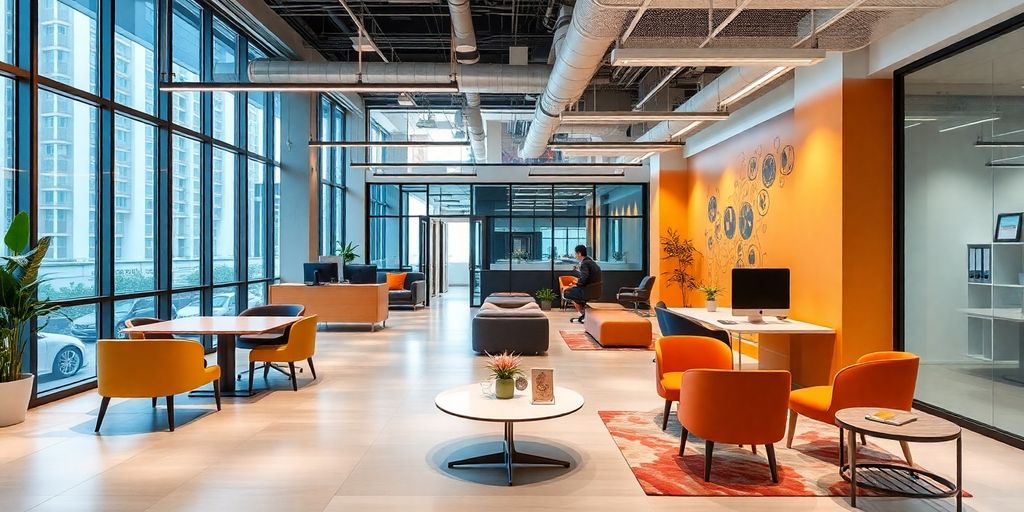
For startups in Ho Chi Minh City, short-term office rentals can be a real lifesaver. Instead of getting stuck in a long lease, you can find something that fits your current team size and budget. This is especially useful when you're not sure how quickly your business will grow. These rentals often come furnished and with utilities included, so you can focus on building your company. It's worth checking out different options to see what works best for your needs. You might find a great deal that helps you save money in the early stages. Flexible leases are a great way to manage costs.
Co-Working Spaces And Their Benefits
Co-working spaces have become super popular, and for good reason. They offer a mix of private offices and shared areas, which can be great for networking. You'll find yourself surrounded by other entrepreneurs and freelancers, which can lead to new ideas and collaborations. Plus, most co-working spaces handle things like internet, cleaning, and maintenance, so you don't have to worry about those details. It's a good way to get a professional office environment without the big upfront costs. Consider coworking space if you want to be in a vibrant community.
Here are some benefits of co-working spaces:
- Networking opportunities
- Cost-effective solutions
- Flexible lease terms
- Professional environment
Day Office Rentals For Temporary Needs
Sometimes you just need an office for a day or two. Maybe you're visiting Ho Chi Minh City for a business trip, or you need a place to meet clients. Day office rentals are perfect for these situations. You can rent a fully equipped office for a short period, without any long-term commitment. This can be much cheaper than booking a hotel room for meetings. Plus, you get a professional setting that can impress your clients. It's a practical solution for temporary office needs.
Day office rentals are a great way to get a professional space without the commitment of a long-term lease. They offer flexibility and convenience, making them ideal for short-term projects or meetings. This can be a cost-effective solution for businesses that don't need a full-time office but still want a professional environment.
Budgeting For Office Rental Costs
Average Rental Prices In Ho Chi Minh City
Okay, so you're thinking about setting up shop in Ho Chi Minh City? One of the first things you'll need to get your head around is the cost of renting an office. Prices can vary quite a bit depending on where you're looking and the kind of office you want. For example, office rental rates in District 1, the city's central business hub, are naturally higher than in more outlying districts. You might be looking at anything from $30 to over $50 per square metre per month for Grade A or A+ offices. Grade B offices will be cheaper.
Here's a rough guide:
- District 1 (Grade A/A+): $40 - $68+/sqm/month
- District 3 (Grade B): $25 - $40/sqm/month
- Binh Thanh District (Grade B/C): $18 - $35/sqm/month
These are just averages, of course. The actual price will depend on the specific building, the floor, the views, and a whole bunch of other factors. It's worth doing your homework and getting a few quotes before you make any decisions.
Additional Costs To Consider
Don't just focus on the monthly rent. There are other costs that can quickly add up. You'll need to factor these into your budget too. Here's a quick rundown:
- Service charges: These cover things like building maintenance, security, and cleaning. They can be a significant chunk of your monthly expenses.
- Utilities: Electricity, water, and internet. These will vary depending on your usage, but it's worth getting an estimate.
- Fit-out costs: If the office isn't ready to move into, you'll need to budget for things like flooring, painting, and installing partitions. This can be a big expense, especially if you're planning a major renovation.
- Furniture and equipment: Desks, chairs, computers, printers – it all adds up. You might be able to save money by buying used furniture, but make sure it's still in good condition.
- Security deposit: Landlords will usually ask for a security deposit, which is typically equivalent to one to three months' rent. You'll get this back when you move out, provided you haven't damaged the property.
It's easy to overlook some of these extra costs when you're initially planning your budget. Make sure you do your research and get a clear idea of all the expenses involved before you sign a lease. Otherwise, you could end up with some nasty surprises down the line.
Tips For Cost-Effective Rentals
Okay, so renting an office in Ho Chi Minh City can be expensive, but there are ways to keep costs down. Here are a few tips:
- Consider a smaller office: Do you really need all that space? If you're a small team, you might be able to get away with a smaller office, which will save you money on rent and utilities.
- Look at different districts: District 1 is the most prestigious, but it's also the most expensive. Consider looking at other districts, like District 3 or Binh Thanh, where rents are lower. You might be surprised at what you can find.
- Negotiate the rent: Don't be afraid to negotiate with the landlord. They might be willing to lower the rent, especially if you're signing a long-term lease. It's always worth a try.
- Consider a co-working space: If you don't need a dedicated office, a co-working space can be a great option. You'll get access to a desk, internet, and other amenities, without having to pay for a whole office. Plus, it's a great way to network with other entrepreneurs.
- Think about lease terms: Often, those looking to rent office spaces prefer longer-term leases to minimise costs associated with office design. So, if you are sure about your business, consider a longer lease.
Ultimately, finding the right office at the right price is all about doing your research and being prepared to negotiate. Good luck!
Legal Considerations When Renting
Understanding Local Rental Laws
Okay, so you've found a potential office space. Great! But before you sign anything, you need to get your head around the local rental laws. It's not the most exciting part, but it's super important. Vietnamese law protects both landlords and tenants, but it's crucial to know your rights and responsibilities. These laws cover things like lease terms, rent increases, and what happens if either party breaks the agreement. Ignorance isn't bliss here; it could cost you a lot of money and stress down the line.
Required Documentation For Leasing
Paperwork. Everyone's favourite! When you're setting up an office in Vietnam, there's a fair bit of it involved in leasing. Make sure you have all your ducks in a row. Typically, you'll need:
- Your business registration certificate (proof that your company is legit).
- Identification documents (for you or whoever is signing on behalf of the company).
- A detailed lease agreement (more on that later).
- Potentially, some proof of financial stability (the landlord wants to know you can pay the rent!).
Don't be afraid to ask for clarification on any documents you don't understand. It's better to ask now than to regret it later.
Dispute Resolution Processes
Hopefully, everything will go smoothly, but what if it doesn't? What if there's a disagreement with the landlord about repairs, rent, or something else? Knowing how disputes are usually resolved in Vietnam is key. Often, the first step is negotiation – try to talk it out and reach a compromise. If that doesn't work, you might need to consider mediation or even legal action. The lease agreement should outline the process for resolving disputes, so read it carefully. It's also a good idea to have a lawyer who understands Vietnamese rental law on your side, just in case.
It's always a good idea to get legal advice before signing any lease agreement. A lawyer can review the document, explain your rights and obligations, and help you avoid potential problems in the future. This is especially important if you're not familiar with Vietnamese law or if the lease agreement is complex.
Making The Most Of Your Office Space
Designing An Efficient Workspace
Okay, so you've got the keys to your new office in Ho Chi Minh City. Now what? Don't just throw some desks in there and call it a day. Think about how people actually work. An efficient workspace is key to productivity. Consider an open-plan layout to encourage collaboration, but also provide quiet zones for focused work. Think about the flow of traffic – you don't want people bumping into each other all the time. Ergonomics are important too; invest in good chairs and adjustable desks to keep your team comfortable and healthy. Natural light is a big plus, so try to maximise it where possible.
Incorporating Technology In Your Office
Technology is your friend. Make sure you have a solid internet connection – this is non-negotiable. Invest in good quality video conferencing equipment for those all-important meetings. Think about implementing a smart office system to control lighting, temperature, and security. This can save you money on energy bills and make the office more comfortable for everyone. Also, don't forget about data security. Make sure you have a robust firewall and that all your employees are trained on how to protect sensitive information.
Creating A Productive Environment
Creating a productive environment is more than just about desks and computers. It's about fostering a positive and supportive culture. Encourage teamwork and collaboration, but also respect individual needs. Provide opportunities for breaks and relaxation. A well-stocked kitchen with coffee and snacks can go a long way. Consider adding some plants to improve air quality and create a more welcoming atmosphere. And don't forget about the importance of recognition and appreciation. Celebrate successes and acknowledge hard work to keep your team motivated.
A productive office space is one where employees feel comfortable, supported, and inspired to do their best work. It's a place where they can collaborate effectively, focus when they need to, and feel valued as individuals.
Here's a quick checklist to get you started:
- Ergonomic furniture
- Reliable internet
- Comfortable temperature
- Plenty of natural light
- Designated break areas
Wrapping Up Your Office Search
So, there you have it. Renting an office in Ho Chi Minh City doesn’t have to be a headache. With a bit of research and some clear ideas about what you need, you can find a space that fits your business perfectly. Remember to consider your budget, the location, and the type of office that suits your team best. Whether you’re after a trendy coworking space or a more traditional office, there’s plenty of options out there. Don’t hesitate to reach out for help if you need it—there are experts ready to assist you. Happy office hunting!
Frequently Asked Questions
What is the average cost of renting an office in Ho Chi Minh City?
In Ho Chi Minh City, office rental prices can range from about 1,950,000 VND to 10,690,000 VND per person each month. Prices can vary based on the size of the office and its location.
Can I rent an office for just one day?
Yes, you can rent an office for a day in Ho Chi Minh City. There are flexible options available for short-term rentals.
What types of office spaces are available for rent?
You can find different types of office spaces in Ho Chi Minh City, including private offices, co-working spaces, and meeting rooms.
Is there a minimum time I need to rent an office for?
No, there is no minimum rental period. You can rent an office for as little as a few weeks.
Do I need to book my office space ahead of time?
While it is possible to book on short notice, it is usually better to reserve your office space in advance to ensure availability.
What are serviced offices and how do they work?
Serviced offices are fully equipped workspaces that come with furniture and amenities. They offer flexible rental terms, allowing you to use the space for as long or as short as you need.
Filed under
The Moveandstay editorial team writes about serviced living, workspaces, and city guides across Asia-Pacific.