
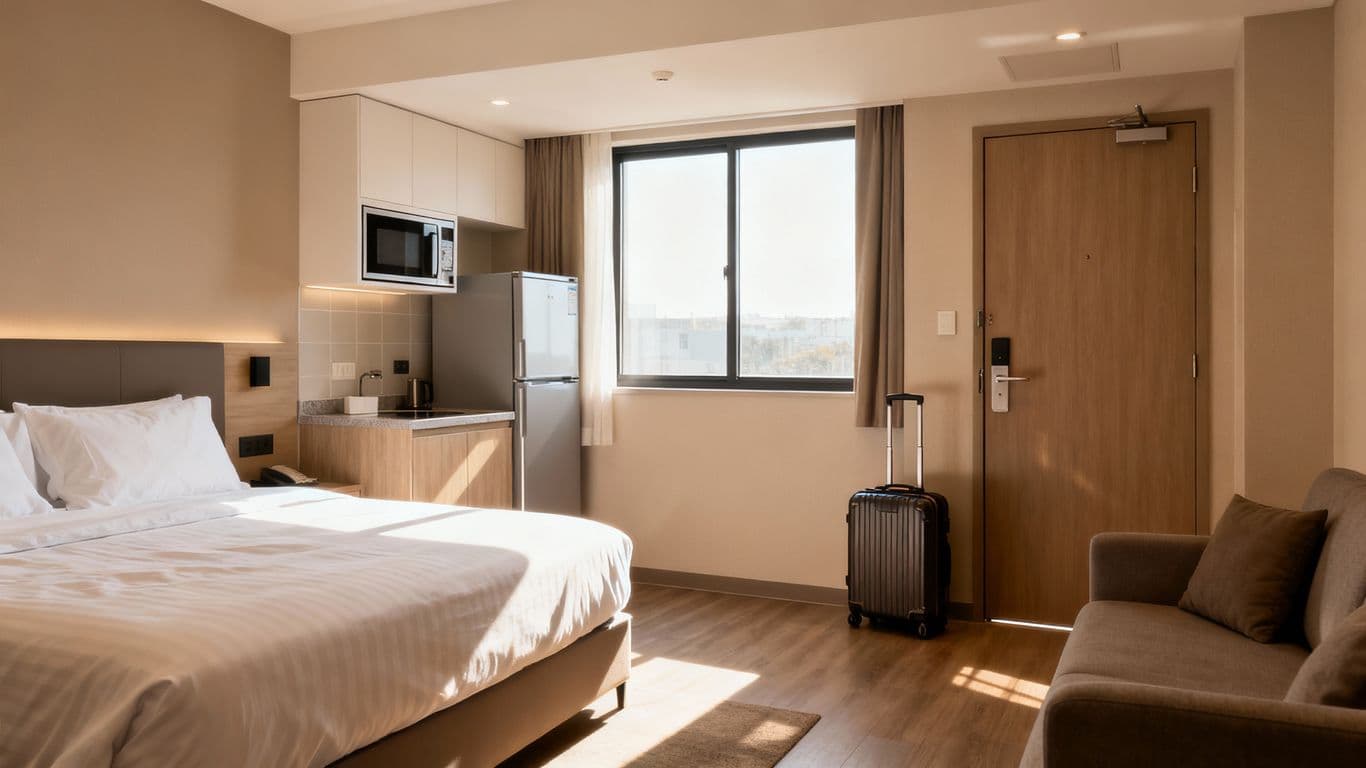
Trying to rent a place in Seoul can feel like you’re running a marathon with your shoelaces tied together. The deposit system is wild—sometimes you need to put down enough money to buy a car, and the paperwork is endless. Especially for foreigners, it’s a maze of rules, bank accounts, and contracts that seem designed to trip you up at every turn. But there’s a way around all this: serviced apartments in Seoul. These places cut through the hassle, letting you move in without draining your savings or jumping through hoops. Let’s look at how they work and why they might just save your sanity.
Key Takeaways
- Serviced apartments in Seoul let you skip massive deposits and complicated paperwork.
- Traditional rentals usually require a big upfront payment, a local bank account, and sometimes a Korean guarantor.
- Serviced apartments offer flexible leases, so you don’t have to commit for years.
- All-in-one pricing means no surprise fees or hidden costs each month.
- They’re move-in ready and perfect for expats, business travelers, or anyone who wants a simple start in Seoul.
Navigating Korea's Steep Rental Deposit Landscape
Renting a place in South Korea can feel like stepping into a whole different world, especially when it comes to the money you need upfront. It's not like just paying a month's rent and a small security deposit back home. Here, the system is built around large sums of cash, which can be a real hurdle.
Understanding the Jeonse Deposit System
The most talked-about system is called 'Jeonse'. With Jeonse, you pay a massive deposit, often between 50% and 90% of the property's value, and then you don't pay monthly rent. The landlord uses this big deposit to make money, usually through investments or interest. At the end of your lease, typically two years, you get the entire deposit back, assuming no major damage. It sounds simple, but finding the cash for this huge deposit is the main challenge for most people. It's a system that really favors those with significant savings or access to large loans.
The Challenges of Wolse and Ban-Jeonse
If Jeonse isn't an option, there's 'Wolse'. This is more like what many people are used to: a smaller deposit combined with monthly rent payments. While more accessible than Jeonse, the deposits can still be substantial, and the monthly rent adds up. Then there's 'Ban-Jeonse', which is a mix of both – a smaller Jeonse-style deposit along with monthly rent. It's a compromise, but it still means dealing with both a large upfront sum and ongoing payments. For many, especially younger people or those new to the country, these options can still feel financially restrictive.
Why Traditional Deposits Exclude Foreigners
These deposit requirements, particularly Jeonse, often create a barrier for foreigners. The sheer amount of money needed can be difficult to gather, especially when you're just arriving in the country. Beyond the money, the whole rental process can be complicated. You often need specific documents, a Korean bank account, and sometimes even a local guarantor. This administrative side, combined with the high deposit amounts, makes finding a place tough. It's not uncommon for damage cases related to long-term private rental housing to surface, adding another layer of concern for renters.
Here's a rough idea of what monthly rents (Wolse) might look like in major cities, just to give you a sense of the costs involved:
| City | Studio Apartment | 1-Bedroom Apartment |
|---|---|---|
| Seoul | ~730,000 ₩ | ~1,200,000 ₩ |
| Busan | ~350,000 ₩ | ~800,000 ₩ |
| Daegu | ~300,000 ₩ | ~700,000 ₩ |
The Korean rental market is known for its unique deposit structures, which can be quite different from what people expect internationally. Understanding these systems, like Jeonse and Wolse, is the first step in figuring out your housing options.
The Administrative Hurdles for Renters in South Korea
Renting a place in South Korea can feel like you're trying to solve a puzzle without the box lid. It's not just about finding a place you like; there's a whole stack of paperwork and procedures that can trip you up, especially if you're new to the country. Most standard rental agreements require a pretty extensive list of documents.
Required Documentation for Renting
Landlords and agencies often ask for a mix of personal and financial proof. You'll usually need:
- Passport and Visa: Your identification is key, and your visa status shows how long you're allowed to stay.
- Proof of Income: This could be a letter from your employer or recent pay stubs. They want to see you can actually afford the rent.
- Korean Bank Account: Having a local account is often a must for rent payments.
- Alien Registration Card (ARC): If you're staying long-term, this is your official ID.
Navigating Korean Bank Account Requirements
Opening a bank account in Korea can be a hurdle in itself. You'll need specific documents, and sometimes the process takes longer than you'd expect. Once you have an account, paying rent is usually done via bank transfer. International transfers can be tricky and expensive, with poor exchange rates eating into your money. Services that offer better rates and lower fees are often a lifesaver here.
The Role of Local Guarantors
This is a big one. Many landlords, especially for more traditional rentals, want a local guarantor. This person essentially promises to cover the rent if you can't. For foreigners, finding someone willing and able to do this can be incredibly difficult. It often means relying on friends, colleagues, or sometimes specialized services, which can come with their own costs and complexities. It’s a system that really favors those with established local connections.
The whole process feels designed to filter people. It's not just about having the money; it's about knowing the system and having the right connections. For someone just arriving, it can be pretty overwhelming and frankly, a bit isolating.
Why Serviced Apartments in Seoul Offer a Welcome Alternative
Flexible Lease Terms in Serviced Apartments
Finding a place to live in Seoul can feel like a marathon, especially with the traditional rental market's hefty deposit requirements and often rigid contract lengths. Serviced apartments, however, offer a breath of fresh air. They're designed with flexibility in mind, making them a great fit for people who aren't sure how long they'll be staying or who need to move around for work. You won't get locked into a year-long commitment if you're only planning to be in town for a few months. This adaptability is a huge plus for business travelers, short-term project workers, or anyone just testing the waters in a new city.
All-Inclusive Pricing and Predictable Costs
One of the biggest headaches with traditional rentals in Korea is figuring out all the extra costs beyond the rent itself. You've got utilities, internet, sometimes even management fees, and of course, that massive deposit. Serviced apartments simplify this whole process. The price you see usually includes pretty much everything. Think of it like a hotel, but with more living space and for a longer stay. This means your monthly budget stays more stable, without those surprise bills popping up.
Here’s a general idea of what’s typically covered:
- Utilities (electricity, water, gas)
- High-speed internet and Wi-Fi
- Regular cleaning services
- Furnishings and basic kitchenware
This all-in-one approach takes a lot of the guesswork out of budgeting for your accommodation.
Avoiding Hidden Fees and Unnecessary Deposits
Traditional Korean rentals can sometimes feel like a minefield of hidden costs and confusing deposit structures. The infamous 'jeonse' deposit, while offering rent-free living, requires a huge upfront sum that's simply out of reach for many. Even with 'wolse' (monthly rent), there can be other fees and a significant security deposit. Serviced apartments cut through this complexity. They typically require a much smaller, refundable security deposit, if any at all, and the rental agreement is straightforward. You're paying for a fully managed living space, and the pricing reflects that, without the need for the large, often inaccessible, upfront capital demanded by the conventional market.
Serviced Apartments: A Solution for Short-Term Stays
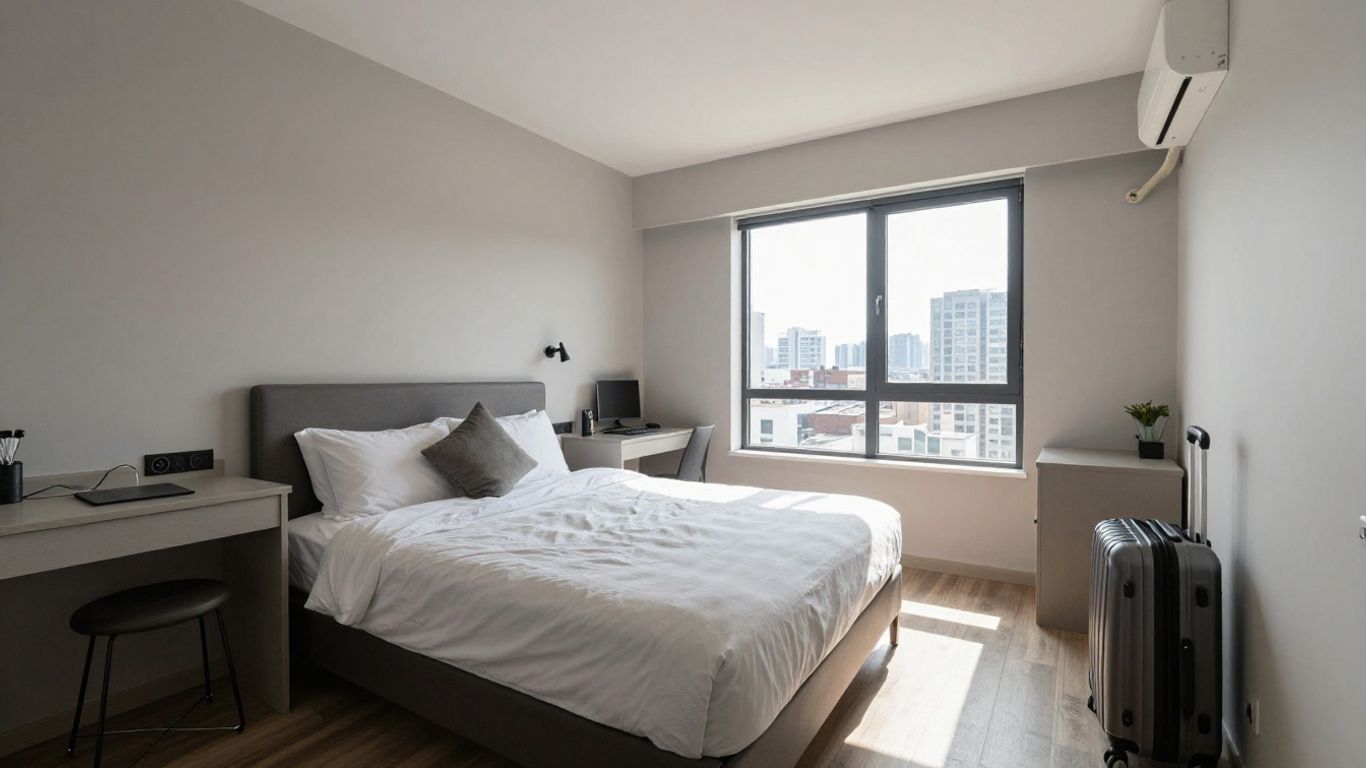
So, you're in Korea for a bit, maybe for work, maybe just exploring, and the whole rental deposit situation sounds like a headache you'd rather avoid. That's where serviced apartments really shine. They're basically designed for people who aren't looking to settle down for years but need a comfortable place to stay for a few weeks or months. Think of them as a hotel room that feels more like a home, without all the complicated paperwork and massive upfront cash.
Ideal for Business Travelers and Expats
If you're on a business trip or relocating for a job, the last thing you want is to get bogged down in the complexities of the Korean rental market. Serviced apartments cut through all that. You don't need a local guarantor or a long credit history in Korea. The process is usually much simpler, making it easier to get settled quickly. This is especially true for those on shorter assignments or who are still figuring out their long-term plans. Many companies even arrange these for their employees, recognizing the convenience. For expats, it offers a familiar setup while you get acquainted with the local culture and housing options. You can find places like Hyundai Residence in Seoul that cater specifically to this need.
Furnished and Equipped Living Spaces
Forget about buying furniture or setting up utilities. Serviced apartments come fully furnished and equipped. You walk in, and everything you need is already there – from the bed and sofa to the kitchen appliances and even basic cookware. It makes moving in incredibly easy.
Here’s a quick look at what you can typically expect:
- Kitchenette/Full Kitchen: Usually equipped with a fridge, microwave, stove, and utensils.
- Living Area: Often includes a sofa, coffee table, and a TV.
- Bedroom: Comes with a bed, linens, and storage space.
- Bathroom: Fully functional with towels and toiletries provided.
- Internet & Utilities: Typically included in the price, so no separate setup needed.
Avoiding Hidden Fees and Unnecessary Deposits
One of the biggest draws of serviced apartments is the transparency. You generally pay a single fee that covers your rent, utilities, internet, and sometimes even cleaning services. This means no surprise bills showing up at your door. Unlike traditional rentals where you might face hefty, refundable deposits (like the jeonse) or non-refundable fees, serviced apartments usually require a much smaller, often refundable, security deposit, if any at all. This predictability makes budgeting much easier, especially for short-term stays where the traditional deposit system just doesn't make sense.
The administrative hurdles and large upfront payments associated with traditional Korean rentals can be a significant barrier for those staying for shorter periods. Serviced apartments offer a practical and cost-effective alternative by simplifying the move-in process and providing clear, all-inclusive pricing.
This approach removes a lot of the stress and financial burden that comes with trying to rent a place in Korea the conventional way, especially if you're not planning on staying for years.
Comparing Serviced Apartments to Traditional Rentals
Deposit Differences: Serviced Apartments vs. Jeonse
When you look at renting in Korea, the deposit is usually the big hurdle. With the traditional jeonse system, you're talking about a massive upfront payment, sometimes enough to buy a small house. This huge sum is basically an interest-free loan to the landlord, and you get it all back when you move out. It sounds good in theory, but it locks up a ton of cash. Then there's wolse, which is more like what most people are used to – a smaller deposit and monthly rent. But even with wolse, the deposit can still be a few months' rent, and you don't get that back.
Serviced apartments, on the other hand, usually work differently. They often require a much smaller security deposit, sometimes just a fraction of what you'd need for a traditional place, or in some cases, no deposit at all. This makes them way more accessible, especially if you're just starting out or don't have a huge amount of savings ready to go.
Contractual Flexibility: A Key Advantage
Traditional rental contracts in Korea can be pretty rigid. You're often looking at leases of a year or more, and breaking them early can come with hefty penalties. This isn't ideal if you're not sure how long you'll be staying or if your job situation might change.
Serviced apartments really shine here. They're built for flexibility. You can often rent them on a monthly basis, or for a few months at a time. This is a huge plus for business travelers, project workers, or anyone who needs a place to stay for an indefinite period. It means you're not locked into a long-term commitment you might regret later.
Services Included: Beyond Basic Accommodation
Think about what you get with a regular rental. Usually, it's just the space itself. You're responsible for setting up utilities, buying furniture, and handling all the maintenance.
Serviced apartments are different. They come fully furnished and equipped. You'll find everything from beds and sofas to kitchenware and appliances already there. Plus, many include services like regular cleaning, Wi-Fi, and sometimes even gym access or concierge services. It's more like a hotel experience, but with the comfort and space of an apartment. This all-in-one package means fewer things to worry about and a much easier transition when you move in.
The biggest difference boils down to convenience and upfront costs. Traditional rentals demand a large deposit and a long-term commitment, while serviced apartments offer a flexible, all-inclusive solution that bypasses many of the financial and administrative headaches common in the Korean market. This makes them a practical choice for those who value ease and adaptability.
Here's a quick look at how they stack up:
| Feature | Traditional Rental (Jeonse/Wolse) | Serviced Apartment |
|---|---|---|
| Upfront Deposit | Very High (Jeonse) / Moderate (Wolse) | Low to None |
| Lease Term | Typically 1-2 years | Flexible (Monthly/Short-term) |
| Furnishings | Usually Unfurnished | Fully Furnished |
| Included Services | None (Utilities separate) | Cleaning, Wi-Fi, Utilities often included |
| Move-in Hassle | High (Setup, furniture) | Low (Ready to live) |
Finding Your Ideal Serviced Apartment in Seoul
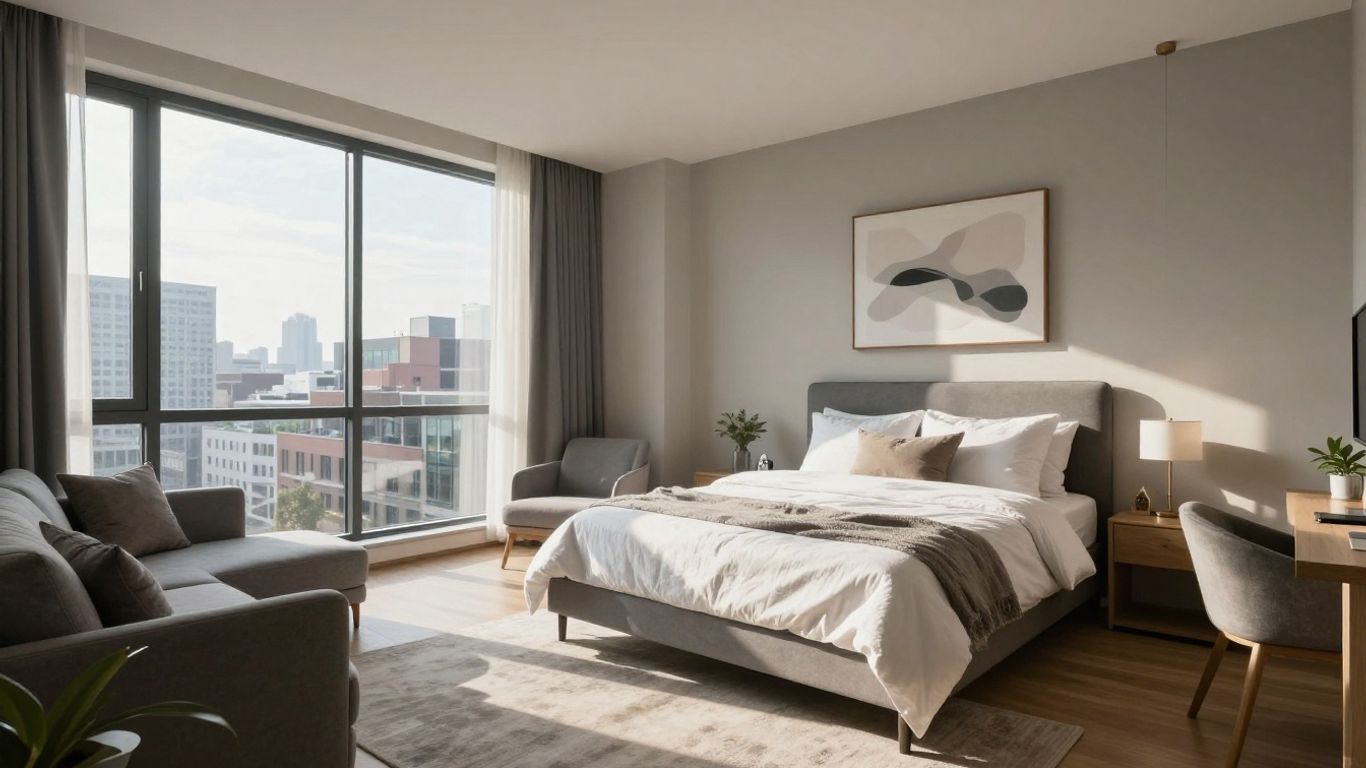
So, you've decided a serviced apartment is the way to go in Seoul, which is a smart move, honestly. But where do you even start looking? It’s not like you can just wander around and knock on doors. The key is knowing where to point your browser and who to ask.
Online Platforms for Serviced Apartments
Your first stop should probably be the internet. There are a bunch of websites out there that list serviced apartments specifically. Think of them as the Zillow or Realtor.com for this particular type of housing. You can usually filter by location, price, and how long you plan to stay. Some sites even have reviews from past guests, which can be super helpful. It’s a good way to get a feel for what’s available without leaving your current couch. You can discover and reserve excellent deals on serviced apartments in Seoul, South Korea right here.
Working with Specialized Agencies
While online platforms are great, sometimes you need a human touch. There are agencies that focus solely on serviced apartments. They often have a wider selection than what you see online and can offer personalized advice. They understand the ins and outs of the market and can help you avoid any potential pitfalls. It might cost a small fee, but it can save you a lot of hassle, especially if you're new to the city. They can also help with the paperwork, which, let's be honest, can be a bit of a maze in Korea.
Key Considerations for Choosing a Location
When you're picking a serviced apartment, location is everything, right? Think about what you'll be doing in Seoul. If you're here for business, you'll want to be close to your office or major business districts. If you're more interested in exploring the city, being near public transport links is a big plus. Consider the neighborhood too – do you want something lively with lots of restaurants and shops, or something quieter?
Here are a few things to keep in mind:
- Commute: How long will it take to get to work or other places you frequent?
- Amenities: Are there grocery stores, gyms, or parks nearby?
- Neighborhood Vibe: Does the area feel safe and suit your lifestyle?
- Transport Links: How close are subway stations and bus stops?
Remember, the goal is to find a place that makes your stay in Seoul as comfortable and stress-free as possible. A serviced apartment is meant to simplify things, so take your time and choose wisely.
Finding Your Place in Korea: Beyond the Deposit Hurdle
So, getting a place to live in South Korea can feel like a real challenge, right? It's not just about having the cash; it's about understanding a system that often feels built for locals. The big deposits, the paperwork, the language barrier – it all adds up. But as we've seen, there are ways around some of these hurdles. Serviced apartments, for instance, offer a different path, sidestepping some of the traditional deposit traps. While the housing market here is complex and deeply tied to social norms, exploring these alternatives can make finding a home a bit more manageable. It’s about being informed and knowing what options are out there to make your move smoother.
Frequently Asked Questions
What is the 'deposit trap' in Korea?
In Korea, renting often requires a huge upfront deposit, sometimes as much as 90% of the home's value. This is called 'Jeonse'. It's a 'trap' because it's hard for many people, especially foreigners, to come up with such a large amount of money just to rent a place. You don't pay monthly rent with Jeonse, but getting that big deposit back can be tricky.
Why are traditional Korean rentals difficult for foreigners?
It's tough because you usually need lots of documents like a passport, visa, Korean bank account, and sometimes even a local person to vouch for you (a guarantor). Contracts are often only in Korean, and landlords might not trust people who aren't familiar with the system. It's like trying to join a club where you don't know the secret handshake.
How do serviced apartments avoid these deposit issues?
Serviced apartments usually ask for a much smaller deposit, or sometimes none at all. Instead of a massive upfront payment, you pay a predictable monthly fee that often includes utilities and services. This makes it easier to move in without needing a huge amount of cash saved up.
Are serviced apartments good for short stays?
Yes, absolutely! They are perfect if you're coming to Korea for a business trip, a short work assignment, or just exploring for a few months. You get a fully furnished place that's ready to live in, so you don't have to worry about buying furniture or setting up utilities.
What's the difference between a serviced apartment and a regular rental deposit?
With regular Korean rentals, you might face the huge 'Jeonse' deposit or a smaller 'Wolse' deposit plus monthly rent. Serviced apartments typically have a much smaller, more manageable deposit and often include services like cleaning and Wi-Fi in the monthly price, making costs clearer.
How can I find a serviced apartment in Seoul?
You can look on websites that specialize in serviced apartments, or work with real estate agencies that focus on helping expats. It's also smart to think about where you want to be located – close to work, public transport, or popular areas – before you start searching.
Filed under
The Moveandstay editorial team writes about serviced living, workspaces, and city guides across Asia-Pacific.