

Remote work has really shaken up how we think about where we live and work. Suddenly, being tied to a specific city for a job isn't the only option. This shift has changed things for big cities, small towns, and even how we look at housing itself. Let's explore how this whole remote work thing has reshaped the housing market, looking at everything from downtown buildings to life in the countryside.
Key Takeaways
- Remote work has led to cities trying new ways to make downtown areas livable, like turning old offices into apartments, though the overall housing crisis in major cities persists.
- The drop in demand for office space is hurting commercial real estate and local businesses in city centers, while job markets are changing, sometimes leading to more local hiring.
- Alternative housing like coliving spaces offers a cheaper, more flexible option for remote workers compared to traditional housing, often bundling costs and providing community.
- Rural areas are seeing more people move in due to remote work, which boosts local economies and encourages better infrastructure like internet access.
- Reliable internet and strong digital tools are the backbone of remote work, making accessibility a key factor for both urban and rural development.
The Shifting Landscape of Urban Living
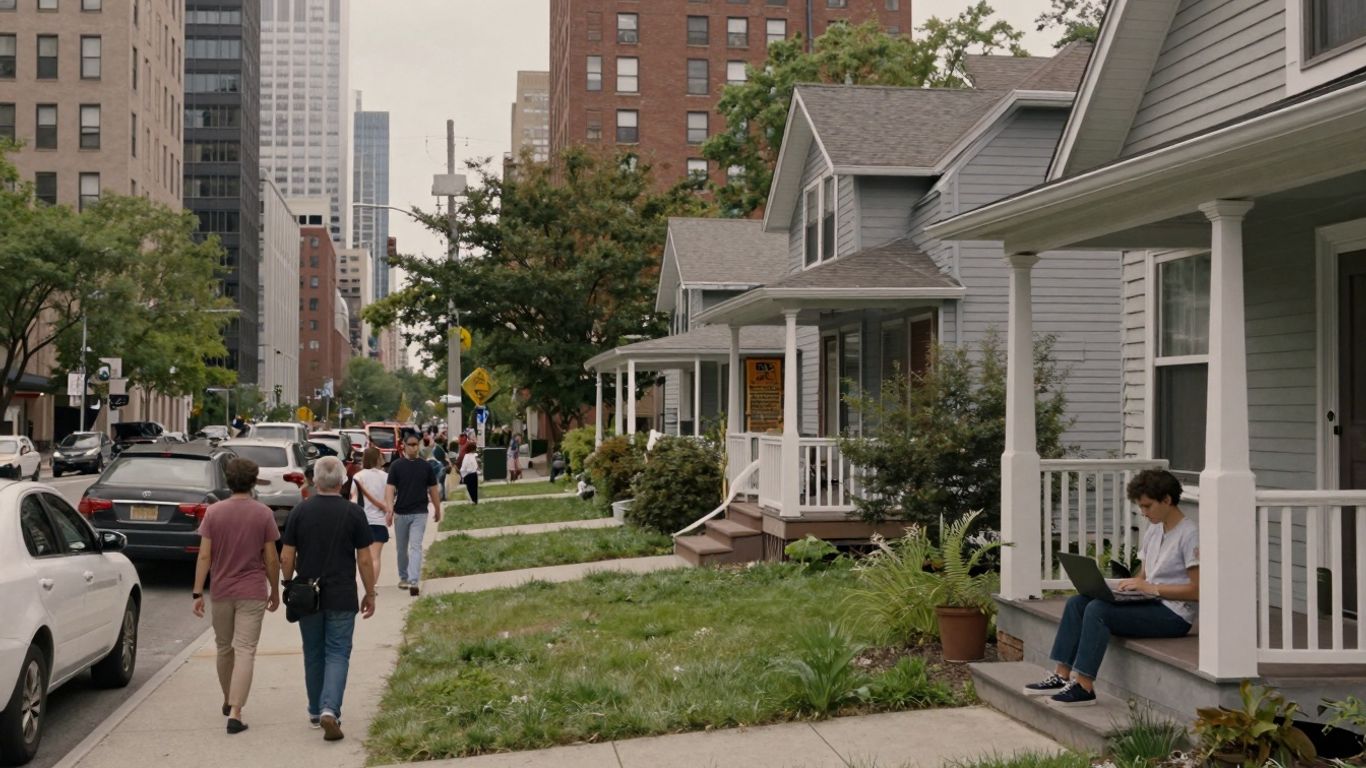
So, the whole remote work thing really shook things up, didn't it? Suddenly, being glued to a downtown office wasn't the main event anymore. This has totally changed how we think about where we want to live, and honestly, it's made city life a bit less of a must-have for a lot of people.
Downtown Revitalization Efforts
Cities have been trying for ages to make downtowns more than just a place to work. They've been pushing to turn empty office buildings into apartments, and some places are actually seeing success with this. It's like they're trying to bring life back to these areas after 5 PM. Think Philadelphia or San Diego; they've had plans in place for years and are finally seeing more people move into the city center.
The Persistent Housing Crisis
Even with people moving around, the big housing problem isn't going away. Rents dipped a little when the pandemic first hit, but we've got a serious shortage of homes across the country, and really, in a lot of places worldwide. It seems like we're just not building enough houses to keep up with everyone who wants one. A lot of this comes down to local rules about building, not just money problems.
Remote Work's Limited Impact on Major City Affordability
While some folks have packed up and moved from big, pricey cities to smaller towns, it hasn't really changed the affordability game for major cities in a huge way. Take Washington, D.C., for example. They've built a ton of new housing in the last five years, but guess what? More people still want to live there than there are homes available. It's a puzzle, for sure. The demand for housing in major urban centers remains surprisingly strong, even with more people working remotely.
Here's a quick look at how things have shifted:
- Suburban Appeal: More space and a quieter vibe are drawing people out of the city hustle.
- City Centers: While not as critical for daily commutes, downtowns are still attractive for their amenities and culture.
- Affordability Gap: The national housing shortage means prices are still high, even in places where remote work might suggest otherwise.
The idea that remote work would suddenly make big cities cheap again just hasn't panned out. We're still dealing with a fundamental lack of housing supply that keeps prices high, no matter where you work from.
It's interesting to see how these trends play out, especially when you look at how different cities are trying to adapt. You can read more about the 2025 real estate market urban vs suburban comparison to get a better feel for it all.
Economic Repercussions in Urban Centers
So, remote work has really shaken things up for cities, especially downtown areas. It's not just about people working from home; it's about what happens when fewer people are showing up to the office every day.
Declining Commercial Real Estate Demand
This is a big one. With so many people working remotely, companies don't need as much office space. We're seeing office buildings sitting empty, and that's a problem. Property values in major cities have taken a hit, sometimes by a lot. Think about places like New York or San Francisco – office vacancies are way up, and that means less tax money coming into the city. It's a tough spot for places that rely on those taxes to keep things running.
- Office vacancies are at record highs in many cities.
- Property values for commercial buildings have dropped significantly.
- Older buildings are becoming less desirable, sometimes called "functionally obsolete."
It's interesting to see a "flight to quality" though. Companies that are looking for space often want the newest, greenest buildings. This leaves the older ones in an even tougher situation, making them prime candidates for a change of use.
The ripple effect of empty offices goes beyond just the real estate market. It impacts the whole ecosystem of businesses that depend on office workers being around.
Impact on Local Businesses and Services
When fewer people are in the office, the local coffee shops, lunch spots, and dry cleaners feel it. These businesses often depend on the daily foot traffic from office workers. If those workers are gone, so are their customers. This can lead to closures and a general slowdown in the local economy. It's a chain reaction that affects a lot of small businesses that are the backbone of a city's neighborhood feel.
Evolving Job Markets and Nearshoring Trends
Remote work has also changed where people choose to work and live. Some people are moving away from expensive big cities to smaller towns or even rural areas. This can mean that job markets in those smaller places get a boost, while larger cities might see a slowdown. Companies are also rethinking where they locate their operations. Some are looking at "nearshoring," which means moving jobs closer to home, often to smaller cities or regions that offer a better balance of cost and talent. This shift means cities can't just rely on the old ways of attracting businesses; they need to adapt and find new ways to be competitive in this changing landscape.
The Rise of Alternative Housing Solutions
So, the whole remote work thing has really shaken up how we think about where we live. It’s not just about finding a place with decent internet anymore; people are looking for living situations that actually fit this new way of working and living. Traditional apartments and houses still have their place, of course, but we're seeing a big jump in people checking out other options. These alternatives often blend living and working spaces in ways that just make sense for today's world.
Coliving Spaces: A Cost-Effective Alternative
Coliving is popping up everywhere, and for good reason. Think of it as shared living, but with a modern twist. You get your own private room, but you share common areas like kitchens, lounges, and sometimes even workspaces. It’s a pretty sweet deal for remote workers because it cuts down on a lot of the usual headaches. You often get utilities, internet, and even cleaning included in one monthly payment. This makes budgeting way simpler, which is a big plus when you’re trying to manage your finances with a flexible income. Plus, you’re not stuck with a year-long lease if your job situation changes.
Here’s a quick look at what you might find:
- Included Amenities: High-speed internet, furnished rooms, shared workspaces, and sometimes even gym access.
- Flexible Leases: Month-to-month or shorter-term options are common.
- Community Focus: Built-in social opportunities with housemates.
It’s a smart way to live if you’re new to a city or just want to keep your expenses low while working from home. You can find these spaces in over 350 cities now, offering a real value compared to renting a whole place on your own.
Comparing Coliving with Traditional Housing
When you stack coliving up against traditional housing, the differences become pretty clear. Traditional housing gives you total privacy and control, which is great if you like doing things your way and have the budget for it. You pick out all your furniture, decorate how you want, and have your own space entirely. But, it usually means a bigger upfront cost with security deposits, furniture, and setting up utilities. Coliving, on the other hand, is all about convenience and shared costs. It’s less about owning your space and more about having a functional, affordable place to live and work.
| Expense Category | Traditional Housing (Typical) | Coliving Space (Typical) |
|---|---|---|
| Security Deposit | 1-2 months' rent | Minimal or none |
| Furniture | Full cost to buyer | Included |
| Utilities & Internet | Separate bills | Often bundled |
| Upfront Costs | High | Low |
| Privacy | High | Moderate |
| Community | Self-created | Built-in |
Flexibility and Community in Remote Work Housing
For folks working remotely, the ability to adapt is key. Coliving spaces really shine here. They offer a level of flexibility that traditional rentals often can't match. Need to move for a new opportunity or just want a change of scenery? Shorter leases make it much easier. Beyond just the practical side, there's the community aspect. Living with other people, especially those also working remotely, can combat the isolation that sometimes comes with working from home. You get built-in social connections and a support network right outside your door. It’s a different vibe than living alone in a traditional apartment, and for many, it’s exactly what they’re looking for. Homes equipped for remote work are also becoming more popular, with features like dedicated office spaces and good internet connections being a big draw for people looking for flexible work arrangements.
The shift towards remote work has opened the door for housing models that prioritize shared resources and flexible living arrangements. These alternatives are not just about saving money; they're about creating environments that support a new way of life, blending work, social interaction, and personal space in a more integrated fashion.
Rural Areas: A New Frontier for Housing
Remember when everyone thought rural living was just for retirees or folks who really loved farming? Well, that picture has changed big time, thanks to remote work. Suddenly, places that used to be quiet backwaters are seeing a whole new kind of buzz. People who can work from anywhere are looking beyond the crowded, expensive cities and finding a new home in the countryside.
Increased Housing Demand in Rural Regions
It's pretty simple, really. If you don't have to commute to an office every day, why pay a fortune to live in a tiny apartment in a city center? Lots of people are realizing they can get way more house, more land, and a lot more peace and quiet for their money if they move out of the metro areas. This has sent housing prices climbing in many rural towns that weren't used to that kind of attention. Builders are starting to notice too, and new developments are popping up where there used to be just fields.
- More space for less money is the big draw.
- People are looking for a quieter lifestyle away from city noise.
- The ability to have a dedicated home office is a major plus.
Stimulating Local Economies Through Migration
When a bunch of new people move into a small town, they don't just fill up houses. They also start spending money. They need groceries, they want to eat out, they might need new services. This influx of residents can really give a local economy a shot in the arm. Small businesses that might have been struggling can suddenly find themselves with more customers. It's not just about buying houses; it's about breathing new life into communities that might have been shrinking for years.
The shift of remote workers to rural areas isn't just changing where people live; it's actively reshaping the economic landscape of these communities, bringing new customers and potential for growth.
Infrastructure Development for Remote Workers
Of course, moving to a rural area isn't always easy. One of the biggest hurdles has always been internet access. You can't really work remotely if your internet is slower than a dial-up modem from the 90s. But with more people moving in, there's a bigger push to get better internet infrastructure in place. We're seeing more investment in broadband, and sometimes even new co-working spaces are being set up. It's a bit of a catch-22: people move there because they can work remotely, and their presence then helps push for the infrastructure that makes remote work even better.
| Improvement Area |
|---|
| High-speed Internet |
| Better Cell Service |
| Road Maintenance |
| Local Business Support |
| Community Amenities |
Technological Foundations of Remote Work
The Crucial Role of Internet Accessibility
Let's be real, none of this remote work stuff would even be possible without decent internet. It's the backbone, the absolute must-have. For folks working from home, a reliable, fast connection isn't just a convenience; it's their office. We've seen a big push to get better internet out to more places, but there are still gaps, especially in rural spots. It's a work in progress, but getting everyone connected is key to making sure remote work opportunities are fair for everyone, no matter where they live. This is a big deal for urban and rural areas.
Building Robust Digital Infrastructure
Beyond just having internet, we need the whole digital setup to be solid. Think about all the data centers, the cloud services that keep our files safe and accessible, and the security measures that protect everything. Companies have had to invest a lot in this infrastructure to make sure their remote teams can actually get their jobs done without a hitch. It's not just about having the tools; it's about having the reliable systems behind them.
Enabling Seamless Remote Collaboration Tools
Remember those clunky conference calls from years ago? Yeah, we've come a long way. Now we've got video conferencing that actually works, project management apps that keep everyone on the same page, and instant messaging for quick questions. These tools are what make working together from different locations feel almost like being in the same room. They help teams stay productive and connected, which is pretty important when you're not bumping into each other at the coffee machine.
The shift to remote work has really highlighted how much we rely on technology. It's not just about having a laptop; it's about the entire digital ecosystem that supports working from anywhere. This includes everything from the physical cables and servers to the software that lets us communicate and share ideas.
Here's a quick look at what makes remote work tick:
- Internet Connectivity: Fast and stable connections are non-negotiable.
- Cloud Computing: Access to files and applications from anywhere.
- Communication Platforms: Tools for video calls, chat, and project updates.
- Cybersecurity: Protecting data and systems when working remotely.
Cities Adapting to the Remote Work Era
So, cities are having to figure out what to do now that a lot of people aren't showing up at the office every day. It's a big change, and not all places are handling it the same way. Some cities are really leaning into the idea of being a destination, not just a place to work. Think about places like Nashville, which has really pushed its cultural scene and entertainment to draw people in. They're not just relying on office workers anymore; they're creating experiences that make people want to visit and spend time there. Then you have cities like Boise, which have tried to become tech hubs, attracting people who might have otherwise gone to bigger, more expensive cities on the West Coast. It's all about finding a new identity when the old one, based on a 9-to-5 office crowd, isn't as strong.
Cities Embracing Transit-Dependent Models
Some urban areas are doubling down on their public transportation systems. The idea here is that if people are going to live in the city but not necessarily drive everywhere, good transit becomes super important. They're looking at how to make it easier and more appealing to get around without a car, connecting residential areas with remaining business districts and entertainment zones. It's a bit of a throwback to how cities used to be, before everyone needed their own car to get anywhere.
Car-Centric Cities and Stable Markets
On the flip side, cities that were already built around cars and have more spread-out housing might not see as much disruption. If your city's layout already assumes people will drive, and if housing costs weren't sky-high to begin with, the shift to remote work might not shake things up quite as much. These places might just continue on a similar path, with less pressure to completely reinvent themselves. It's a different kind of challenge, more about maintaining what they have than a radical overhaul.
Economic Pivots: Destination and Tech Hubs
This is where things get really interesting. Cities are actively trying to change their economic focus. Instead of just being a place where people work in offices, they're trying to become places people want to be. This means investing in things like arts, culture, food scenes, and outdoor recreation. For tech hubs, it's about creating an environment that attracts tech companies and the talent they need, often by offering a better quality of life or lower costs than the established giants. It's a strategic move to stay relevant and vibrant in this new era.
The number of people working remotely, even if it's just a portion of the workforce, has a ripple effect. It changes where people spend their money, what businesses can survive, and what kind of amenities a city needs to offer to keep residents happy and attract new ones. It's a complex puzzle that city planners and leaders are still trying to solve.
Here's a look at how some cities are trying to adapt:
- Developing Experience Economies: Cities are focusing on tourism, entertainment, and cultural events to draw visitors and residents alike.
- Becoming Tech Centers: Attracting tech companies and startups by offering incentives and a supportive ecosystem.
- Improving Public Spaces: Enhancing parks, waterfronts, and pedestrian areas to make the city more livable and attractive.
- Repurposing Office Buildings: Exploring options like converting empty office spaces into housing or mixed-use developments.
The Future of Work and Housing
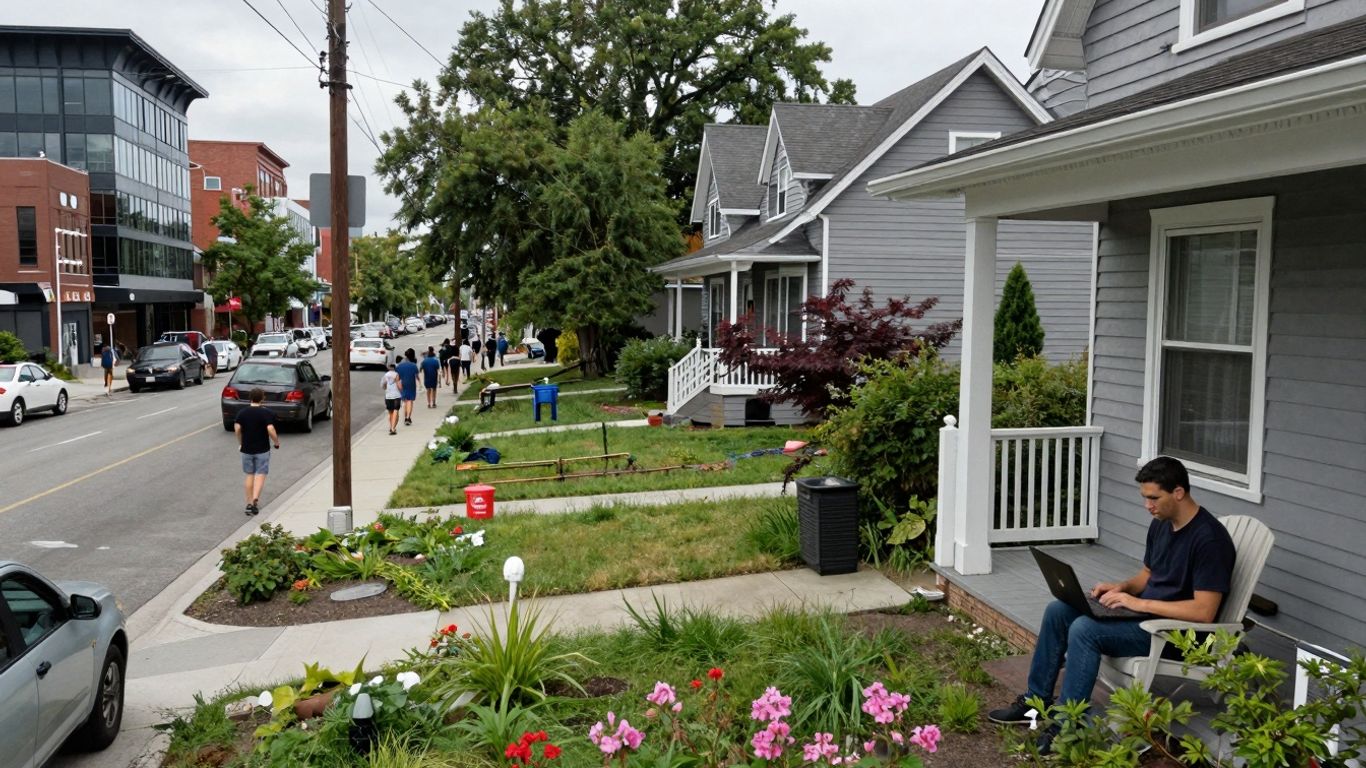
So, what's next for how and where we live now that working from home is a pretty big deal? It's not just about ditching the commute anymore. People are really rethinking what they want from a home, and that's changing the whole housing game. We're seeing a big push for places that offer more space, a bit of quiet, and maybe even a connection to nature, all while keeping an eye on the wallet.
Remote Work Housing Asia: Emerging Trends
Across Asia, the remote work wave is also making waves in housing. While some regions are seeing a dip in demand for city center apartments, others are experiencing a boom in suburban and even rural areas. Think smaller, more efficient living spaces designed for comfort and connectivity. It's a mixed bag, but the common thread is a desire for flexibility and a better work-life balance, even if that balance looks different from country to country.
The Enduring Appeal of Urban Centers
Even with all this talk of moving out, cities aren't going anywhere. They still offer a lot – jobs, culture, and that certain buzz. But the type of housing people want in cities is changing. We're seeing more interest in apartments that are well-connected by public transport and offer amenities that make city living easier, even if you're not heading into an office every day. Some cities are even trying to turn old office buildings into places people can actually live, which is a pretty wild idea.
Rethinking Central Business Districts
Central business districts, or CBDs, are definitely feeling the shift. With fewer people commuting daily, those massive office buildings are looking a bit empty. This is forcing a rethink. Cities are looking at how to bring more life back into these areas, not just with offices, but with housing, entertainment, and green spaces. It's about making downtowns places people want to be, not just places they have to go for work.
Here's a quick look at what might be happening:
- Office to Residential Conversions: Cities are making it easier to turn empty office spaces into apartments.
- Mixed-Use Developments: Expect more areas that blend living, working, and playing.
- Focus on Walkability and Transit: Making it easy to get around without a car is becoming a bigger deal.
The housing market is in a weird spot. On one hand, more people want homes, driving prices up. On the other, the cost of building is high, and there just aren't enough houses being built to keep up. This mismatch is a big reason why finding an affordable place is so tough, even with remote work giving some people more options.
The future likely holds a mix of solutions, with more people seeking affordable, flexible living arrangements that suit their remote work lifestyles. It's going to be interesting to see how cities and developers adapt to these new demands. We're already seeing a rise in demand for:
- Tiny Homes: Around a 25% expected increase in demand.
- Affordable Apartments: A projected 35% jump in demand.
- Co-housing Communities: Seeing about a 30% increase in interest.
So, What's Next for Housing?
Look, remote work really shook things up, didn't it? It's not just about people working from their couch anymore. We've seen cities scrambling to figure out what to do with all those empty office buildings, with some trying to turn them into apartments. Meanwhile, folks are moving to smaller towns, which is changing those places too, sometimes for the better with new businesses and better internet, but also pushing up housing costs there. It’s clear that the old ways of thinking about where and how we live just don't quite fit anymore. The dust is still settling, and figuring out the right balance between flexibility, affordability, and community is going to be a work in progress for a long time.
Frequently Asked Questions
Did remote work make housing cheaper or more expensive?
Remote work has actually made housing more expensive in some smaller towns where people moved to find cheaper places to live. However, in big cities, housing is still very expensive because there just aren't enough homes being built for everyone who wants to live there. It's a problem of not having enough supply to meet the demand.
Why are cities trying to turn old office buildings into apartments?
Many office buildings have become empty because fewer people are going to work in them due to remote work. Cities are trying to help by offering money and support to turn these empty buildings into places where people can live. This helps bring people back downtown and makes use of the empty spaces.
How does working from home save people money?
When you work from home, you save money on things like gas for your car, public transportation tickets, lunches out, and work clothes. Some studies show people can save over $5,000 a year just by not having to commute and buy these daily items.
What are coliving spaces and how are they different from regular apartments?
Coliving spaces are like shared living arrangements where you get your own private bedroom but share common areas like the kitchen and living room. They often include all your bills (like electricity and internet) and sometimes even cleaning and community events in one monthly price. This can be cheaper and easier than renting a regular apartment, which usually requires you to set up and pay for everything separately.
Are cities that depend on cars doing better with remote work than cities that rely on public transport?
Cities that were built around cars and didn't focus much on public transportation seem to have more stable housing markets right now. This is because cars made it easier for people to stay separate during the pandemic. Cities that have always relied heavily on public transport have seen fewer people wanting to commute long distances on buses or trains every day.
Will cities ever go back to how they were before remote work?
It's unlikely that cities will completely go back to the way things were. While some people might return to offices, remote work has changed how many people want to live and work. Cities are now trying to become more attractive by offering unique experiences and becoming hubs for technology and culture, rather than just places for people to work in offices.
The Moveandstay editorial team writes about serviced living, workspaces, and city guides across Asia-Pacific.
Read next
Serviced Offices Surge in Popularity as Businesses Embrace Flexible Leasing
May 3, 2026
Hong Kong Serviced Apartment Market Buzzes with Sales and Investment Activity Amidst Shifting Valuations
May 3, 2026

ONYX Hospitality Group Elevates Shama Serviced Apartments with New Lifestyle Concept and Ambitious Expansion
Apr 26, 2026