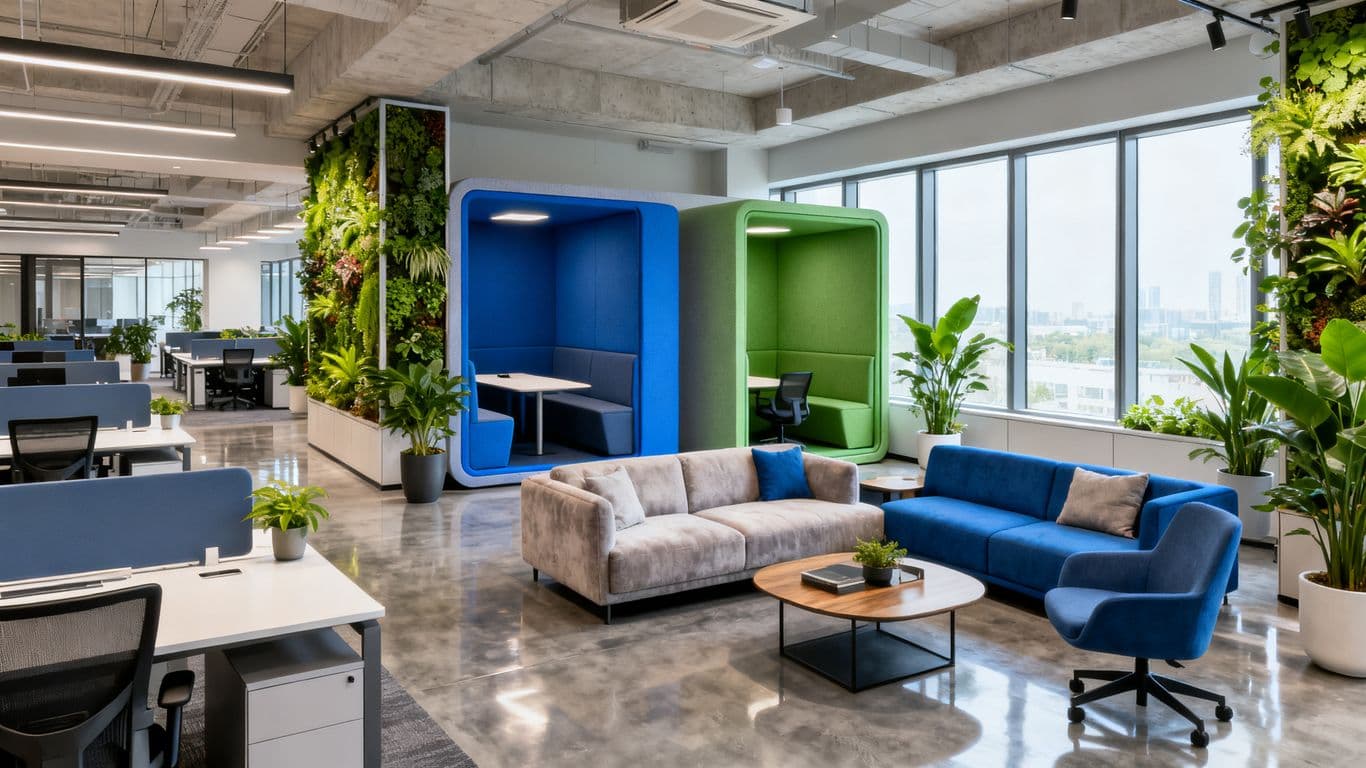
How do coworking spaces in serviced offices in Hong Kong compare with those in Singapore?
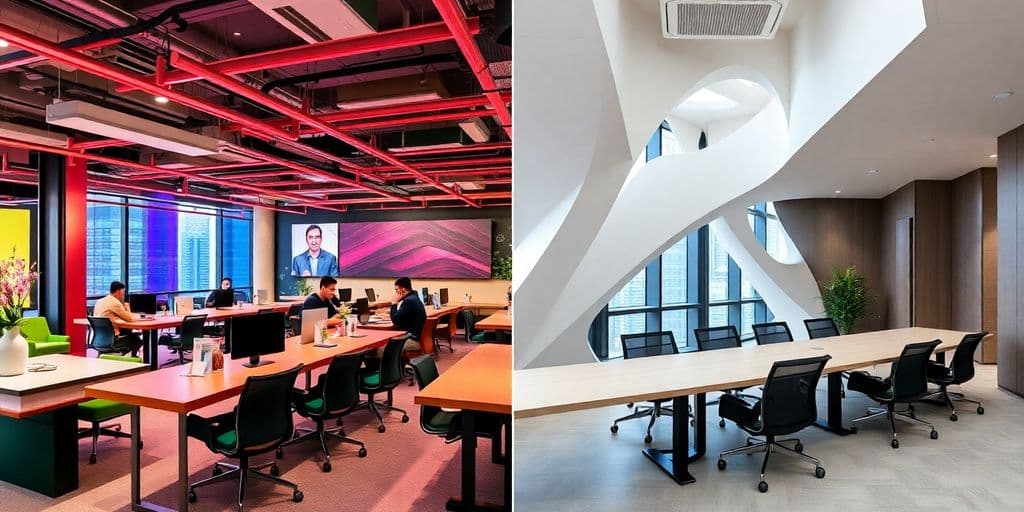
Coworking spaces have been popping up all over Asia, but two places where they're really making waves are Hong Kong and Singapore. Both cities are known for their sky-high office rents, so it's no surprise that businesses are turning to more flexible options. But how do these coworking spaces stack up against each other? Let's take a closer look at what makes each city's coworking scene unique.
Key Takeaways
- Coworking spaces in Hong Kong offer a diverse range of membership options, catering to different business needs and budgets.
- Singapore's coworking landscape is rapidly growing, with a strong focus on technology and innovation.
- Cost differences between coworking spaces in Hong Kong and Singapore are influenced by local economic factors.
- Both cities see coworking spaces as a strategic advantage for businesses, providing flexibility and scalability.
- Future trends in coworking include niche markets, tech advancements, and eco-friendly practises.
The Evolution of Coworking Spaces in Asia
Historical Development in Hong Kong
Coworking spaces in Hong Kong have been around since the late 2000s. They started as a solution for freelancers and startups needing flexible work environments. Over time, these spaces have evolved, offering more than just a desk and a chair. They've become vibrant hubs where professionals from diverse industries come together. In a city like Hong Kong, where real estate is expensive, coworking spaces offer a cost-effective alternative to traditional offices. They help businesses avoid long-term leases and hefty deposits, making them especially attractive for startups and SMEs.
Growth Trends in Singapore
Singapore's coworking scene has exploded in the last few years. It's become a go-to location for legal, finance, and tech firms. The city's strategic location in Asia makes it a prime spot for businesses looking to expand in the region. Coworking spaces here focus on creating a supportive community, providing multifunctional spaces, and fostering a sense of belonging among members. The demand for coworking in Singapore is driven by its central location and the increasing need for flexible work environments.
Impact on Traditional Office Markets
The rise of coworking spaces has significantly impacted traditional office markets in Asia. Companies are rethinking their office space strategies, often opting for more flexible solutions. This shift is not just about cost savings; it's also about adapting to changing work patterns. Coworking spaces offer a dynamic environment that can boost employee morale and productivity. As businesses continue to evolve, coworking spaces are likely to play a bigger role in their strategies, providing both flexibility and scalability.
Key Features of Coworking Spaces in Hong Kong
Flexible Membership Options
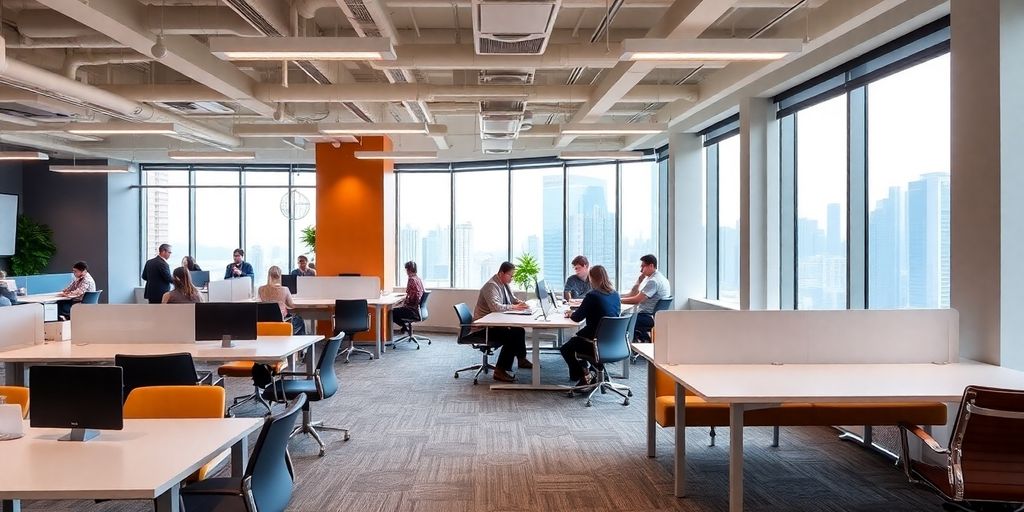
In the bustling city of Hong Kong, coworking spaces offer a variety of membership options to cater to diverse needs and budgets. Hot desking is perfect for freelancers or those who need a workspace occasionally. You can grab any available desk and soak in the coworking vibe without a long-term commitment. Then there's the dedicated desk option for those who crave consistency—a spot you can call your own every day. And if privacy is your thing, private offices provide a quiet, enclosed space for focused work. For businesses that don't need a physical space but want a prestigious address, virtual offices are a smart choice, offering mail-handling services without the need for an actual desk.
Community and Networking Opportunities
Coworking spaces in Hong Kong aren't just about the physical space; they’re vibrant hubs of activity. They host networking events, workshops, and social gatherings to bring people together. Here, you’ll find freelancers, startups, and established companies rubbing shoulders, sharing ideas, and forming connections. This melting pot of talent and ideas is what makes coworking spaces so appealing, especially in a city as dynamic as Hong Kong.
Integration with Commercial Real Estate
Coworking spaces have carved out a significant niche in Hong Kong's commercial real estate market. They're filling a gap, providing flexible workspaces that traditional offices can't always offer. With real estate prices sky-high, these spaces are a cost-effective alternative, eliminating the need for long-term leases and hefty deposits. They’re not just a trend; they’re reshaping how businesses operate in a city where space is a premium. Property owners are also catching on, transforming unused spaces into thriving coworking environments, thus increasing their property's value and appeal.
Singapore's Coworking Landscape: A Hub for Innovation
Sector Growth and Market Dynamics
Singapore's coworking scene is buzzing with energy, driven by its strategic location and robust economy. The market, valued at USD 88.2 million in 2023, is expected to skyrocket to USD 407.8 million by 2030. This growth is fuelled by the increasing demand from startups, SMEs, and even large corporations seeking flexible workspace solutions. The rise in coworking spaces is not just about the numbers; it's about creating vibrant communities where businesses can thrive. Singapore's reputation as a financial and tech hub has attracted a diverse range of industries, further boosting the coworking sector.
Role of Technology in Coworking Spaces
In Singapore, technology isn't just an add-on; it's at the core of coworking spaces. From high-speed internet to AI-driven amenities, tech is reshaping how these spaces operate. Virtual reality collaboration tools are becoming common, allowing teams to work together seamlessly, no matter where they are. These tech advancements are not only enhancing productivity but also setting Singapore's coworking spaces apart from the rest.
Community Building and Support Systems
Community is the heart of coworking spaces in Singapore. These spaces are designed to foster connections among members, offering networking events, workshops, and mentorship programmes. It's more than just a place to work; it's a place to grow. The support systems in place help startups and small businesses navigate challenges and seize opportunities. Whether you're a freelancer or a corporate team, Singapore's coworking spaces provide a nurturing environment where innovation and collaboration flourish.
Cost Comparison: Hong Kong vs Singapore
Price Differences in Coworking Spaces
When comparing coworking spaces between Hong Kong and Singapore, the price differences are quite noticeable. Hong Kong tends to offer more affordable coworking solutions compared to Singapore. For instance, renting a coworking space in Hong Kong can be up to 60% cheaper than traditional office spaces, whereas in Singapore, the cost is only about 19% less than traditional offices. This makes Hong Kong an attractive option for businesses looking to cut down on office expenses.
Value Proposition for Businesses
Coworking spaces present a unique value proposition for businesses in both cities. In Hong Kong, the lower costs allow startups and small businesses to allocate resources more effectively, focusing on growth rather than overheads. Meanwhile, in Singapore, the slightly higher costs are offset by the high-quality infrastructure and a thriving business ecosystem, which can be particularly beneficial for tech companies and startups aiming for innovation.
Economic Factors Influencing Costs
Several economic factors play a role in the cost of coworking spaces in these cities. In Hong Kong, the high demand for real estate and limited space drive up traditional office costs, making coworking spaces a more economical choice. On the other hand, Singapore's stable economy and strategic location as a business hub contribute to its higher coworking prices. Additionally, Singapore's emphasis on technology and innovation adds value that justifies the cost for many businesses.
Choosing between coworking spaces in Hong Kong and Singapore depends largely on your business needs and budget. While Hong Kong offers cost-effective options, Singapore provides a robust environment for growth and innovation.
The Role of Coworking Spaces in Business Strategy
Startups often face uncertain growth trajectories, making it tough to predict future office needs. Coworking spaces offer the perfect solution by providing flexible workspaces that can expand or contract as needed. This means startups can test new markets without the burden of long-term leases.
- Adaptable Spaces: Easily scale up or down based on team size.
- Cost-Effective: Avoid hefty deposits and furnishing costs.
- Variety of Options: Choose from hot desking, dedicated desks, or private offices.
Even big companies sometimes need temporary office solutions. Whether it's a project-based team or a temporary relocation, coworking spaces offer a quick fix.
- Immediate Availability: Get a workspace without the usual setup time.
- All-Inclusive Packages: Enjoy amenities like internet, meeting rooms, and coffee.
- Flexible Terms: Rent by the day, month, or longer as needed.
In bustling cities like Hong Kong, where office space is at a premium, coworking spaces provide a breath of fresh air for businesses seeking cost-effective alternatives to traditional leases.
A change of scenery can do wonders for employee morale and productivity. Coworking spaces often come with thoughtfully designed areas that inspire creativity and collaboration.
- Dynamic Environments: Break away from the monotony of traditional office setups.
- Community Events: Engage in networking and social activities.
- Wellness Features: Some spaces offer fitness facilities and relaxation zones.
Future Trends in Coworking Spaces Across Asia
Niche Markets and Specialised Spaces
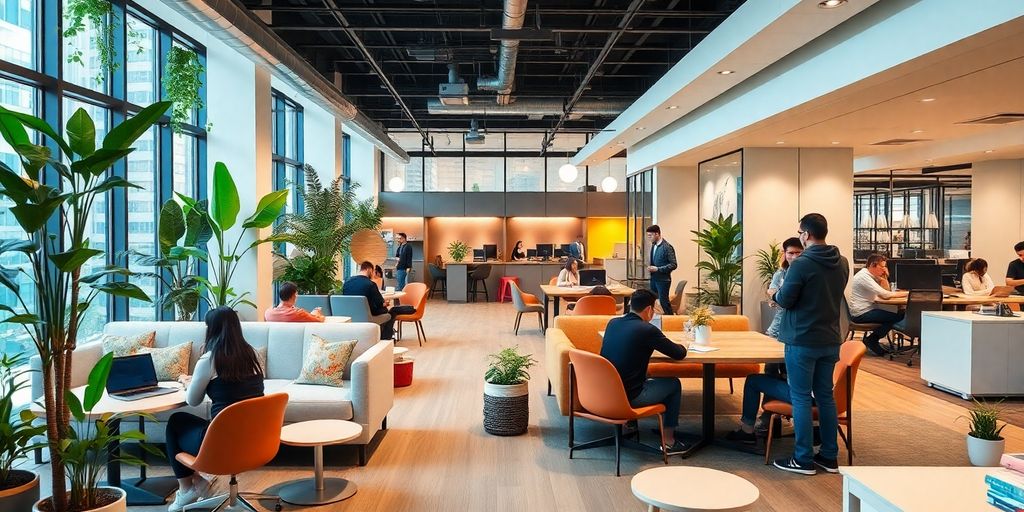
Coworking spaces are not just about shared desks anymore. They're evolving to cater to specific industries or interests. Imagine spaces dedicated to tech startups, creative professionals, or even wellness enthusiasts. These niche coworking environments offer tailored resources and networks that align perfectly with their members' needs. This shift towards specialised spaces is reshaping the coworking landscape, making it more diverse and inclusive.
- Spaces for tech and innovation
- Creative hubs for artists and designers
- Wellness-focused environments
Technological Advancements and Innovations
Technology is the backbone of modern coworking spaces. From high-speed internet to AI-powered amenities, the integration of tech is crucial. In cities like Hong Kong and Singapore, serviced offices are already adopting virtual reality collaboration tools and smart office solutions. As we move forward, expect even more cutting-edge tech to enhance the coworking experience.
- AI-driven workspace management
- Virtual reality for remote collaboration
- IoT devices for smart office environments
Sustainability and Eco-friendly Practises
Sustainability is not just a trend; it's a necessity. Coworking spaces are increasingly adopting eco-friendly practises to reduce their carbon footprint. Whether it's through energy-efficient lighting, recycling programmes, or green building certifications, these spaces are setting a standard for sustainability in the business world.
- Use of sustainable materials
- Energy-efficient design and operations
- Promotion of green commuting options
As coworking spaces continue to evolve, they are not just places to work but environments that inspire innovation and community. This evolution is particularly evident in Singapore's coworking space market, which is projected to grow significantly, reflecting the broader trends across Asia. The future of coworking is bright, with endless possibilities for innovation and growth.
Challenges and Opportunities in the Coworking Sector
Overcoming Market Saturation
Coworking spaces have popped up everywhere, especially in bustling cities like Hong Kong and Singapore. But with so many options, the market is getting crowded. This saturation means operators need to stand out to attract members. How? By offering unique services or environments that cater to specific needs. Think niche spaces for techies or artists. But there's a risk here: too much sameness can lead to a race to the bottom in pricing.
Adapting to Changing Work Patterns
The way we work is shifting—remote and hybrid models are becoming the norm. This change means coworking spaces need to be flexible, not just in terms of physical space, but also in how they offer their services. Maybe it's about having more short-term contracts or offering virtual memberships. The key is staying ahead of these trends to keep the doors open.
Leveraging Partnerships with Property Owners
Building strong relationships with property owners is crucial. Coworking spaces can benefit from better lease agreements or even revenue-sharing models. These partnerships can also lead to innovative space designs that attract more members. It's all about collaboration—working together to create spaces that people actually want to use.
Coworking spaces aren't just about desks and Wi-Fi anymore. They're about creating environments where people want to be, and that means constantly evolving and adapting to what people need and want from their workspaces.
Here's a quick look at the growth projections for Singapore's coworking market:
| Year | Market Value (USD Million) |
|---|---|
| 2023 | 88.2 |
| 2030 | 407.8 |
These numbers show there's room for growth, but only for those who can navigate the challenges and seize the opportunities.
Conclusion
In wrapping up, it's clear that coworking spaces in serviced offices in Hong Kong and Singapore each have their unique flavours. Hong Kong's bustling environment offers a vibrant and cost-effective solution for businesses looking to escape the high costs of traditional office spaces. The flexibility and community vibe are big draws, especially for startups and freelancers. Singapore, on the other hand, with its strategic location and booming serviced office market, provides a more structured and professional setting. It's a hub for industries like finance and IT, making it a magnet for large corporates. Both cities, though different in their offerings, show how coworking spaces are reshaping the way we think about workspaces. Whether you're after the dynamic energy of Hong Kong or the polished professionalism of Singapore, there's a coworking space that fits the bill.
Frequently Asked Questions
What is a coworking space?
A coworking space is a shared work environment where people from different companies or backgrounds work together. It offers facilities like desks, meeting rooms, and internet access, and promotes networking and collaboration.
How do coworking spaces in Hong Kong differ from those in Singapore?
Coworking spaces in Hong Kong and Singapore both offer flexible work environments, but they differ in cost, design, and focus. Hong Kong spaces often emphasise cost-effectiveness, while Singapore spaces focus on technology and innovation.
Why are coworking spaces popular?
Coworking spaces are popular because they provide flexible, cost-effective, and collaborative work environments. They are ideal for freelancers, startups, and even established companies looking for short-term office solutions.
What are the benefits of using a coworking space?
Benefits include flexibility, networking opportunities, cost savings, and access to various amenities like high-speed internet, meeting rooms, and event spaces.
How do coworking spaces support business growth?
Coworking spaces support business growth by offering scalable solutions, allowing businesses to expand or downsize as needed. They also foster innovation through collaboration and networking.
Are coworking spaces suitable for large companies?
Yes, coworking spaces can be suitable for large companies seeking flexible and short-term office solutions. They allow teams to work in a vibrant environment without the commitment of long-term leases.
Filed under
The Moveandstay editorial team writes about serviced living, workspaces, and city guides across Asia-Pacific.