
Hong Kong rents collapsed — so why are expats still struggling?
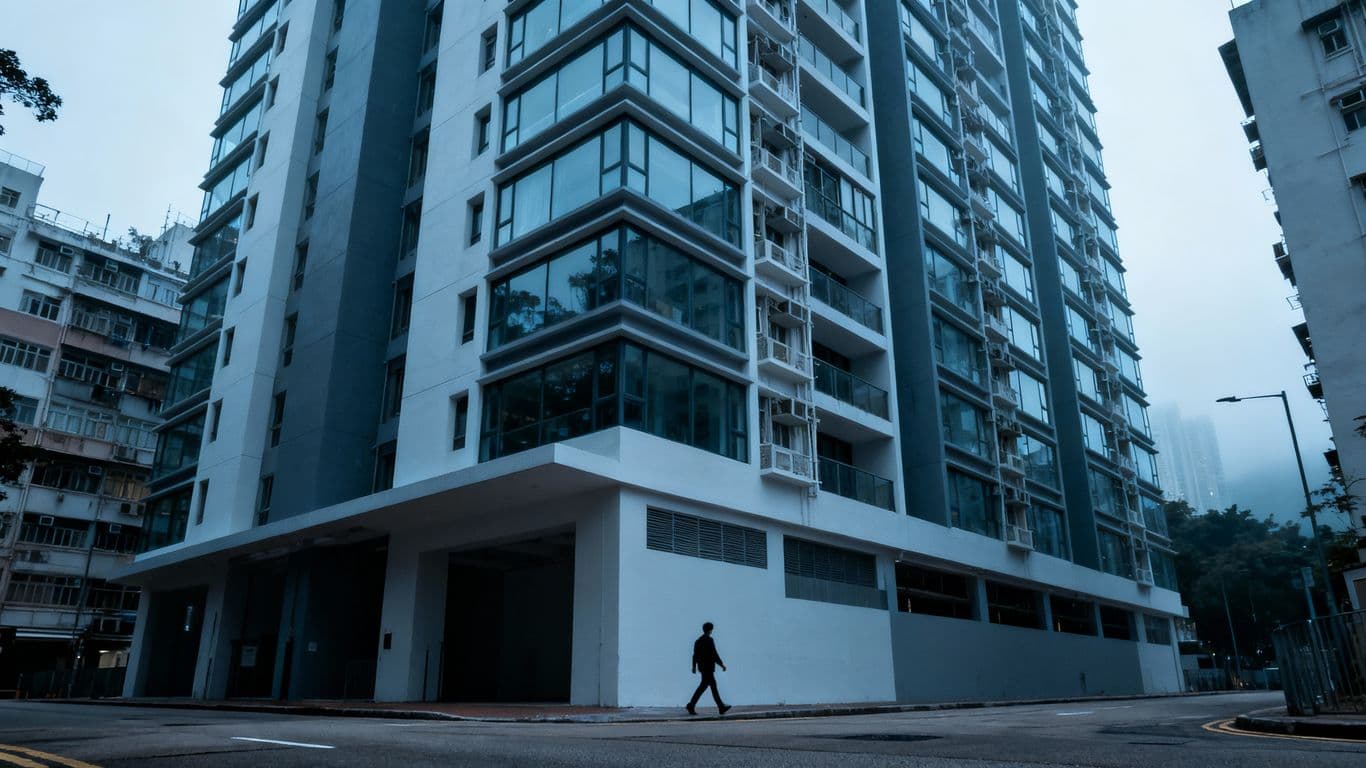
Hong Kong's rental market has seen some big drops lately, which you'd think would make things easier for people moving here for work. But a lot of expats are still finding it tough to find a place without breaking the bank. It's a confusing situation, with rents going down but the struggle to find affordable housing sticking around. Let's look at why this is happening and what options are out there, including serviced apartments Hong Kong.
Key Takeaways
- Hong Kong's property market has gone through major ups and downs, with rents following suit, but current drops aren't immediately translating to easier living for everyone.
- Even with falling rents, the overall cost of living and securing housing in Hong Kong remains high compared to many global cities, impacting expat budgets.
- Finding suitable and affordable housing can still be a challenge, often involving trade-offs between location, size, and price, with agents playing a significant role.
- Despite market shifts, expats face persistent rental hurdles due to a disconnect between headline rent figures and the reality of housing costs and availability.
- While government policies aim to stabilize the market, factors like mainland immigration continue to influence demand, and serviced apartments Hong Kong offer a flexible option for some.
The Shifting Sands Of Hong Kong Rental Market
Historical Rental Peaks And Valleys
Hong Kong's rental market has always been a bit of a rollercoaster, hasn't it? Back in the day, say around 15 years ago, you'd see headlines talking about a 'race to rent' as buyers held back. People were complaining that good flats were snapped up almost instantly, sometimes within a single day. Buyers who were hesitant to purchase were instead looking to rent, pushing prices up. We saw rents in places like Yuen Long jump significantly, from around HK$8,500-9,000 to HK$10,000-12,000. The overall rental index was even getting close to its all-time high from September 1997. Summer was always the busy season, likely because families were moving when school was out, and expats would arrive in larger numbers in August and September.
Impact Of Economic Cycles On Rent
Economic ups and downs really shake things up here. When the market felt uncertain, like during the 2008 crisis, you saw a big drop in people wanting to rent because expats were leaving. But then, as leases signed during those quieter times started coming up for renewal, rents could shoot up. We're talking about potential increases of 25% or more, which then has a ripple effect on inflation across the city. It’s a cycle where periods of lower demand can lead to a rebound when conditions change.
Understanding Current Rental Dynamics
Right now, things are a bit confusing. While official reports might say rents have fallen, many expats still feel the pinch. It's like the overall numbers don't quite match the reality on the ground for individuals trying to find a place. Some areas might see prices drop, but others, especially those popular with professionals, can remain stubbornly high. The market is influenced by so many things – global economic trends, local policies, and even how many people are moving into the city. It's not as simple as just looking at one big number.
The Hong Kong rental market has a history of sharp swings, influenced by economic conditions, buyer sentiment, and seasonal demand. What looks like a general trend on paper can feel very different when you're actually trying to sign a lease.
Navigating The High Cost Of Living For Expats
Even with rents supposedly falling, many expats find themselves in a tough spot when it comes to housing costs in Hong Kong. It's not just about the sticker price of a flat; there are a bunch of other things that add up, making it a real challenge to get settled.
Comparing Hong Kong Rents To Global Cities
When you look at Hong Kong, it often pops up on lists of the most expensive cities worldwide for rent. While some places might have similar price tags, the actual living situation you get for your money here can feel quite different. You might be paying a lot, but the space you get is often much smaller than what you'd find elsewhere for the same cost. It's a bit of a shock, especially if you're coming from a place where your housing budget stretches further.
- High Rent, Small Space: Expect to pay a premium for even modest-sized apartments, particularly in popular expat areas.
- Agent Fees: Don't forget that agents typically charge about half a month's rent as a commission, adding to your upfront costs.
- Deposit and Advance Rent: Landlords usually require the first and last month's rent, plus a security deposit, meaning you need a significant sum ready before you even move in.
The True Cost Of Securing Accommodation
Getting a place to live here involves more than just the monthly rent. There are upfront costs that can really hit your wallet. Think about the deposit, which is usually a couple of months' rent, plus the first month's rent paid in advance. Then there's the agent's fee, often half a month's rent. So, before you even get the keys, you could be looking at paying out the equivalent of three to four months' rent all at once. It's a big chunk of change.
The initial outlay for securing a rental property can be substantial, often requiring funds equivalent to several months' rent before occupancy. This financial hurdle is a significant factor for many individuals relocating to the city.
Understanding Expat Income And Housing Budgets
Many expats come to Hong Kong with the expectation that their salaries will comfortably cover living expenses, including rent. However, the reality can be quite different. While some high-earning sectors might offer salaries that make housing more manageable, many expats in other fields find their income stretched thin. The average expat salary might seem high, but when you factor in the cost of housing, it doesn't always leave much room for other expenses. It's important to research and set a realistic housing budget based on your specific income and the actual costs of apartments in Hong Kong.
Here's a rough idea of what you might face:
| Item | Estimated Cost (HKD) | Notes |
|---|---|---|
| One-bedroom Apt (Central) | 18,000 - 25,000 | Varies greatly by building and amenities |
| Agent Fee | ~Half month's rent | Standard practice |
| Security Deposit | 2 months' rent | Paid upfront |
| First Month's Rent | 1 month's rent | Paid upfront |
| Total Upfront | ~3.5 months' rent | Excluding utilities and other costs |
This doesn't even include the cost of utilities, internet, or other daily living expenses, which can also add up.
The Search For Affordable Serviced Apartments Hong Kong
Finding a place to live in Hong Kong can feel like a real puzzle, especially when you're looking for something that doesn't eat up your entire paycheck. While the idea of a serviced apartment might sound fancy, it's often a practical choice for expats, offering a middle ground between a hotel and a long-term rental. These places can be a lifesaver when you first arrive or if you're not sure how long you'll be staying.
Challenges In Finding Suitable Housing
It's not always easy to find a serviced apartment that ticks all the boxes. You might find a place that's in a great spot, but the rent is just too high. Or maybe the price is right, but the size is more like a walk-in closet than a home. Many expats find themselves looking at places that are smaller than they're used to, and sometimes, the amenities aren't quite what you'd expect for the price. It's a constant balancing act.
The Trade-Offs Between Location And Price
This is where the real tough decisions come in. Do you want to be right in the middle of the action, with easy access to work and entertainment? That usually means paying a premium. Or are you willing to move a bit further out, maybe to areas like North Point, to get more space for your money? For example, serviced apartments in North Point can range from HKD $20,900 to $73,000, depending on the size, which can be quite a difference. You have to figure out what's most important for your daily life.
The Role Of Agents In The Rental Process
Real estate agents can be a big help, but they also come with their own set of considerations. Some agents might not even bother showing you places if your budget is below a certain amount, which can be frustrating. Their fees, often around half a month's rent, are just another cost to factor in, on top of the security deposit and the first month's rent. It's worth talking to a few different agents to find one who understands what you're looking for and is willing to work within your budget. You can find listings and connect with services through sites like AsiaXpat classifieds.
The reality is that even with falling rents in some parts of the market, the overall cost of securing suitable accommodation in Hong Kong remains a significant hurdle for many expats. It's not just about the monthly rent; it's the upfront costs, the size of the space, and the location that all play a part in the final decision.
Why Expats Still Face Rental Hurdles
Even with reports of Hong Kong rents dropping, many expats find themselves in a tough spot. It's not just about the headline numbers; there are deeper issues at play that make finding a decent, affordable place to live a real challenge.
The Disconnect Between Falling Rents and Tenant Struggles
So, the rental index might be down, but that doesn't always translate to easier living for everyone. Sometimes, the available stock doesn't match what people actually need or can afford. Think about it: a 10% drop in rent sounds great, but if the only apartments left are tiny studios when you need space for a family, or if they're in inconvenient locations, that drop doesn't help much.
- Limited Choice: The cheaper units might get snapped up fast, leaving fewer options for those still searching.
- Quality vs. Price: Sometimes, the lower rents come with compromises on building quality, amenities, or even the general upkeep of the property.
- Lease Renewals: If your lease is up for renewal, your landlord might not pass on the full market drop, especially if they know you're settled and need to stay.
Factors Contributing to Persistent Affordability Issues
Several things keep rents feeling high for expats, even when the market seems to be cooling.
- Landlord Expectations: Some landlords, especially those with low mortgage costs, might hold out for higher rents, banking on tenants needing to renew.
- Deposit Requirements: High upfront deposits can be a major barrier, making it hard to secure a place even if the monthly rent seems manageable.
- Commute Trade-offs: Moving further out to find cheaper rent often means a much longer, more expensive commute, eating into any savings.
The Dream of Homeownership Versus Rental Reality
For many expats, Hong Kong is more than just a temporary posting; it's a place they want to put down roots. But the path to homeownership can be incredibly frustrating.
The goal of owning a home can feel like a carrot dangled just out of reach. You save diligently, plan your finances, and just when you think you're ready to buy, prices jump, or deposit requirements become steeper. This leaves many feeling like perpetual renters, even after years of hard work and saving.
This constant push and pull between wanting to own and being stuck renting can be a significant source of stress, adding another layer to the rental challenges expats face. It's a cycle that's hard to break out of, no matter how the rental market statistics look on paper.
Government Interventions And Market Realities
It's a tricky situation when you look at what the government is trying to do versus what's actually happening on the ground with rents. They've put some policies in place, aiming to cool down the property market, which sounds good on paper, right? Things like adjusting mortgage rules or maybe tweaking stamp duties. The idea is to make it less of a frenzy, to stop prices from going completely off the charts.
Policies Aimed At Cooling The Property Market
These measures are usually designed to curb speculation and make buying a bit harder for investors. Think about it: if it's more expensive or difficult to buy, maybe more people will rent, which should theoretically ease rental demand. But sometimes, these policies don't quite hit the mark, or the market finds ways around them. It's like playing whack-a-mole; you fix one thing, and another pops up.
The Influence Of Mainland Immigration On Demand
Then there's the whole aspect of people moving to Hong Kong, especially from mainland China. This adds another layer to the rental demand. More people looking for places to live, naturally, puts pressure on the market. Even if rents are technically falling from their absolute peak, a steady stream of new residents can keep demand higher than you might expect, especially in certain areas or for specific types of housing. It’s a constant push and pull.
The Long-Term Outlook For Hong Kong Rents
Looking ahead, it's hard to say exactly where rents will land. There are so many factors at play. The government's policies will continue to evolve, and the economic climate can shift pretty quickly. Plus, the flow of people into the city isn't something that's easy to predict. For expats, this means the rental landscape can feel a bit unpredictable. While some reports suggest residential property prices are stabilizing due to increased demand and construction [4adb], the rental market's path remains less clear.
Here's a look at some factors influencing the market:
- Government Policies: Measures aimed at controlling property prices and speculation.
- Economic Conditions: Overall economic health and job market trends.
- Population Movement: Influx of new residents and their housing needs.
- Global Events: International economic shifts can impact Hong Kong's market.
The interplay between government efforts to manage the market and the organic forces of supply, demand, and population shifts creates a complex environment for renters. What seems like a simple market correction can be influenced by much larger, systemic factors.
It's a bit of a balancing act, and for expats trying to find a place, it means staying informed and being adaptable. What works today might not work next month.
Alternative Housing Solutions And Future Prospects
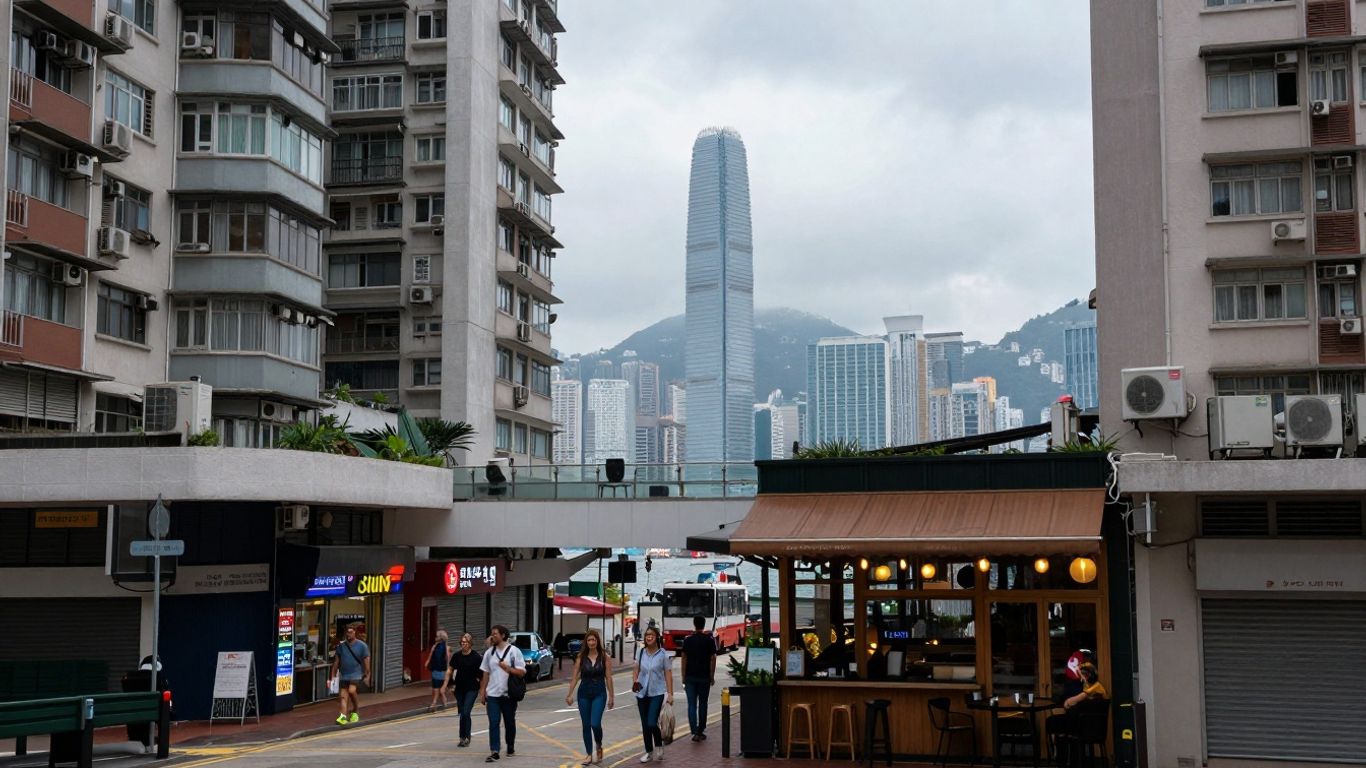
So, rents might be dropping, but that doesn't mean finding a place to live in Hong Kong is suddenly a walk in the park. For expats, especially those new to the city or on a tighter budget, the search can still feel like a real uphill battle. But hey, it's not all doom and gloom. There are definitely ways to get creative and find a spot that works without breaking the bank.
Exploring Different Neighborhoods For Value
Look, everyone wants to live in the trendy spots, right? But those areas? They come with a price tag. If you're willing to venture a bit further out, you might find some real gems. Think about areas like Tsuen Wan or even parts of the New Territories. Sure, the commute might be a little longer, but the savings on rent can be pretty significant. Plus, you get to see a different side of Hong Kong, away from the usual expat hubs. It's about finding that sweet spot between convenience and cost.
Here are a few things to consider when looking at less central areas:
- Transportation links: Make sure there are good MTR or bus routes connecting you to where you need to go for work or leisure.
- Local amenities: Check out what's already there – supermarkets, restaurants, parks. You don't want to feel completely cut off.
- Community feel: Some of these areas have a more local vibe, which can be a nice change of pace.
The Appeal Of Serviced Apartments Hong Kong For Short-Term Stays
Serviced apartments can be a lifesaver, especially when you're just arriving or if you're not sure how long you'll be staying. They often come furnished, include utilities, and sometimes even offer cleaning services. It takes a lot of the hassle out of moving. While they might seem pricier per square foot than a regular apartment, when you factor in all the extras and the flexibility, they can actually be a pretty good deal for shorter stints. It's like a hotel but with more space and a kitchen, which is always a win.
The convenience of serviced apartments often outweighs the slightly higher per-night cost for temporary stays.
Strategies For Expats To Manage Housing Costs
Beyond just picking a different neighborhood or considering serviced apartments, there are other smart moves expats can make. Room-sharing, for instance, is becoming more common, especially among younger professionals. It drastically cuts down on individual rent. Another tactic is to be really savvy about your lease. Negotiating terms, understanding the market, and knowing when to sign can make a difference. And honestly, sometimes it's about adjusting expectations. Hong Kong is a fantastic city, but it demands a certain financial commitment.
The dream of owning a home here is a tough one for many expats, especially with the high deposit requirements. For now, focusing on smart rental strategies and exploring all housing options is the most practical approach for many. It's about finding a comfortable base while you figure out the long game in this dynamic city.
So, What's the Takeaway?
It's a bit of a head-scratcher, isn't it? Rents in Hong Kong have taken a tumble, which you'd think would make life easier for everyone, especially expats. But the stories we've heard show it's not that simple. Even with lower rents, the cost of living, the small living spaces, and the general expense of being in such a major city still add up. Plus, the market itself is always shifting, with prices going up and down over the years. It seems like even when one big cost goes down, others pop up, or the overall situation just doesn't quite match the headlines. For expats, finding affordable and decent housing is still a real challenge, no matter what the rental index says.
Frequently Asked Questions
Are Hong Kong rents really falling?
Yes, in general, the prices for renting places in Hong Kong have gone down over the past few years. This is a big change from the past when rents were very high. However, even with lower prices, many expats still find it hard to afford a place.
Why is it still hard for expats to find affordable housing?
Even though rents have dropped, the cost of living in Hong Kong remains high. Also, the types of apartments available might not fit what expats are looking for, or they might be in areas that are not ideal. Sometimes, the actual price you end up paying, including fees, is still a lot.
What are serviced apartments, and are they a good option?
Serviced apartments are like furnished apartments that you can rent for shorter periods, often with hotel-like services. They can be a good choice for expats who are new to the city or only staying for a short time. They offer convenience but can be more expensive than regular rentals.
How do Hong Kong rents compare to other big cities?
Hong Kong has historically been one of the most expensive cities in the world for rent, even compared to places like New York or London. While prices have fallen, it's still a costly city to rent in, and the amount of space you get for your money is often much less.
Are there government programs to help with housing costs?
The government has tried different things to make housing more affordable, like taxes on empty homes or foreign buyers. However, these policies haven't always solved the problem for everyone, especially with factors like people moving from mainland China affecting demand.
What can expats do to manage housing costs in Hong Kong?
Expats can look for housing in different neighborhoods that might offer better value. They might also consider serviced apartments for shorter stays or work with real estate agents who understand their budget. Being flexible about location and apartment size can also help.
The Moveandstay editorial team writes about serviced living, workspaces, and city guides across Asia-Pacific.
Read next

Serviced Offices Surge in Popularity as Businesses Embrace Flexible Leasing
May 3, 2026

Hong Kong Serviced Apartment Market Buzzes with Sales and Investment Activity Amidst Shifting Valuations
May 3, 2026

ONYX Hospitality Group Elevates Shama Serviced Apartments with New Lifestyle Concept and Ambitious Expansion
Apr 26, 2026