
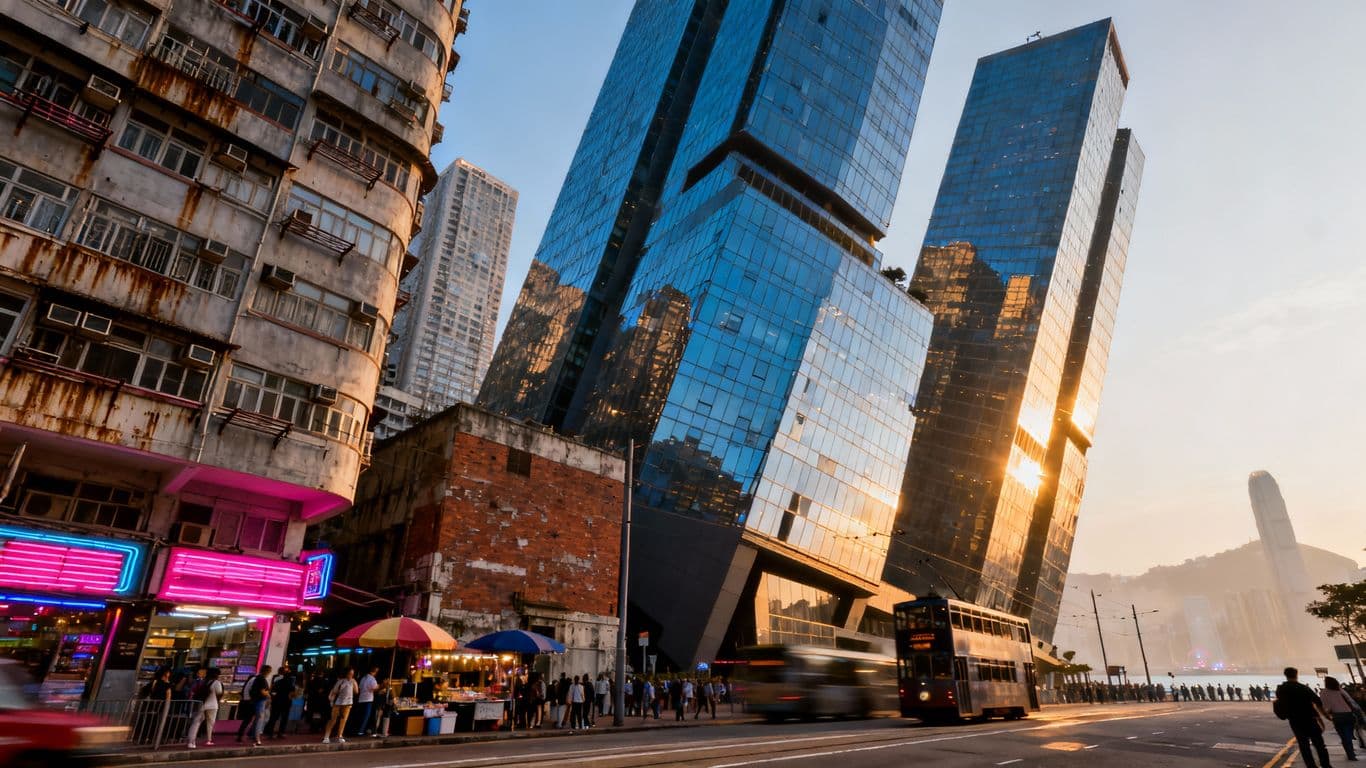
Hong Kong's housing market is changing. People are looking for more adaptable living situations, and new ways of living are popping up. This shift towards flexible living hong kong comes with its own set of challenges, though. While it offers new options, it also brings a good dose of uncertainty. Let's take a look at what's happening and what it means for the future.
Key Takeaways
- New housing models are appearing in Hong Kong to meet changing demands, offering more adaptable spaces for residents.
- Investors are treating properties like quick investments, which can lead to big swings in the housing market.
- The way homes are financed might become riskier, resembling Ponzi schemes if rental income doesn't cover loan interest.
- Owners might hold onto properties, making the market less stable and potentially leading to larger price drops later.
- Finding a balance between flexible living and a stable housing market is the next big challenge for Hong Kong.
The Rise Of Flexible Living Hong Kong
Hong Kong's housing market has seen some big shifts lately. It feels like things are changing, and not just in the usual ways. People are looking for different kinds of living spaces, and developers are trying to keep up. It’s like the whole idea of what a home should be is getting a makeover.
Adapting To Shifting Market Demands
The way people want to live isn't static anymore. Life throws curveballs, and housing needs to bend a little. Think about it: maybe you need a home office now, or perhaps your family size has changed. The old, rigid apartment layouts just don't cut it for everyone. This push for adaptability means we're seeing more creative uses of space, even in smaller units. It's about making a place work for you, not the other way around.
New Housing Models Emerge
Because of these changing needs, new ways of building and selling homes are popping up. We're not just talking about tiny apartments, though there are plenty of those. It's more about how spaces can be used. Some places are designed so you can easily change a room from a bedroom to a living area, or even a workspace. It’s a smart way to get more out of less square footage, which is pretty important in a city like Hong Kong.
The Appeal Of Adaptable Spaces
So, why are people drawn to these flexible options? Well, for starters, they can be more affordable. When you can reconfigure your space, you might not need to move as often. It means your home can grow with you. Plus, there's a certain appeal to having a place that feels modern and efficient. It’s about living smarter, not just bigger.
The market is responding to a real need for homes that can change as people's lives do. This isn't just a trend; it's a response to how we actually live today.
Investor Influence On Housing Dynamics
Properties Treated As Liquid Investments
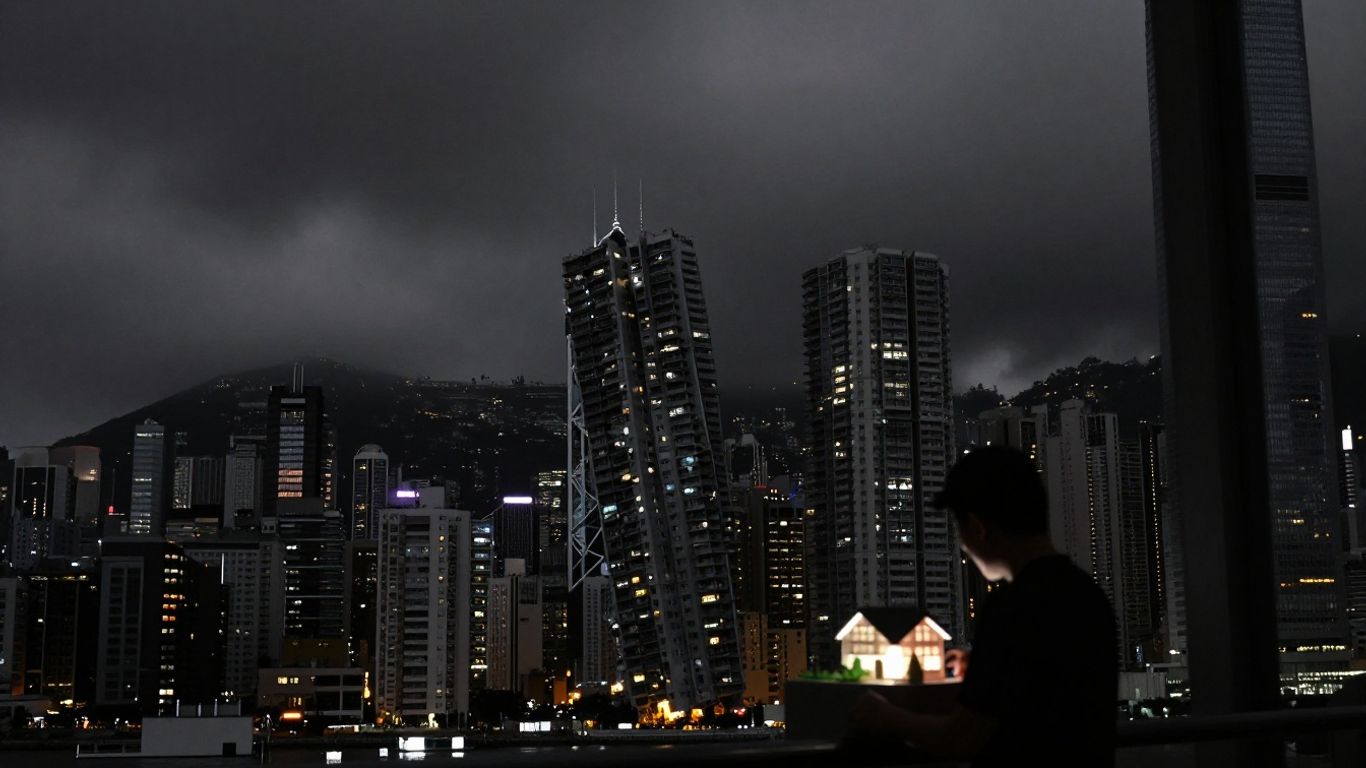
It's no secret that Hong Kong's property market has long attracted significant investor interest. This isn't just about people buying a place to live; it's also about treating real estate as a quick-turnaround asset, almost like stocks. When properties are viewed as liquid investments, it means owners are more likely to buy and sell rapidly based on market shifts, rather than long-term needs. This can really shake things up.
This constant buying and selling can lead to some pretty wild price swings.
The Specter Of Ponzi Financing
When investors start dominating the market, the way people finance their properties can change. Instead of mortgages where rent covers the loan payments, we might see a shift towards what's called Ponzi financing. In this scenario, the rental income doesn't even cover the interest on the loan, let alone the principal. It's a risky game that relies on property values continuing to climb indefinitely to pay off earlier investors. This is a big red flag for market stability.
Potential For Extreme Market Cycles
When interest rates eventually go up, those relying on this kind of financing get into trouble. They'll be forced to sell, often at a loss, to cover their rising costs. This can cause property values to drop sharply. What was a seller's market, fueled by low interest rates, can quickly turn into a buyer's market, but only for those with solid finances. It's a cycle that can become more extreme the longer it goes on. The Hong Kong Monetary Authority's actions, while aimed at reducing risk in the banking system, might unintentionally create these more extreme cycles dominated by property investors who see their holdings as easily tradable assets. This can lead to increased instability in house prices, making it harder for regular buyers to get a foot in the door. For those looking at investing in Hong Kong real estate, understanding these dynamics is key.
The longer the market cycle continues without a major correction, the more severe the eventual price drop is likely to be. Owners tend to hold onto properties when demand is weak, and quickly pull them from the market if sentiment turns negative, further complicating price discovery.
Navigating The Instability Of Flexible Living
The Risk Of Unintended Policy Consequences
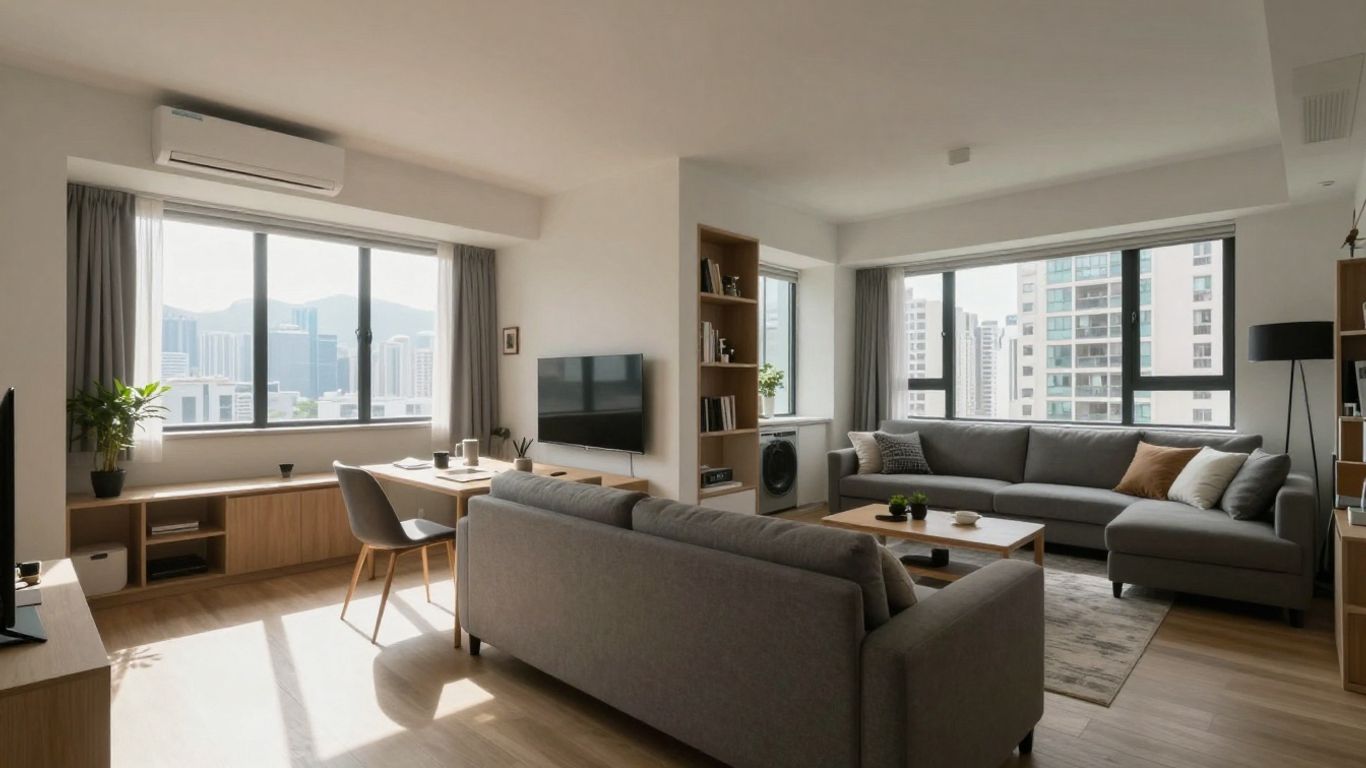
Sometimes, rules put in place to keep things safe can have surprising side effects. In Hong Kong's housing market, measures meant to reduce risk in the banking system might actually be making house prices more unpredictable. It's like trying to fix a leaky faucet and accidentally flooding the bathroom. The idea is that by making banks more secure, the overall market should be steadier. But what seems to be happening is that property investors, who often treat their homes like quick cash assets, are causing bigger swings in prices. This can lead to a market that feels more like a rollercoaster than a stable investment.
Vulnerability To Rising Interest Rates
When interest rates start to climb, it puts a lot of pressure on people who borrowed money to buy property. Investors who were counting on low rates to make their payments manageable suddenly find themselves in a tough spot. Their rental income might not even cover the interest on their loans anymore, let alone pay down the principal. This forces them to sell, often at a loss, just to meet their financial obligations. It's a domino effect that can quickly turn a seller's market, where prices are high, into a buyer's market, where sellers are desperate.
The Long-Term Outlook For Price Corrections
Right now, it doesn't look like a big price drop is imminent. Homeowners aren't rushing to sell, and if they see even a hint of negative sentiment, they tend to pull their properties off the market. It’s like they’re holding out for a better deal or waiting for the storm to pass. But here's the thing: the longer this situation goes on, the more dramatic the eventual price correction could be. Think of it like stretching a rubber band – the further you stretch it, the harder it snaps back. This prolonged period of holding steady might just be building up pressure for a bigger fall down the road.
Here's a look at how this plays out:
- Investor Behavior: Properties are increasingly seen as quick investments rather than long-term homes.
- Financing Shifts: Loans may move towards 'Ponzi financing,' where rental income barely covers interest payments.
- Market Volatility: Increased reliance on investor sentiment can lead to sharper price swings.
- Correction Potential: A prolonged period of market stability could precede a more significant price adjustment.
The current market dynamics, while appearing stable on the surface, carry inherent risks. The reliance on investor sentiment and the potential for rapid shifts in financing conditions mean that the housing market could be more susceptible to sudden downturns than previously thought. This creates an environment where flexibility comes at the cost of predictability.
Market Sentiment And Owner Behavior
Owners Withholding Properties
Right now, a lot of homeowners in Hong Kong are playing a waiting game. They're not exactly rushing to put their properties on the market. It's like they're holding out for a better deal, or maybe they're just a bit nervous about what's happening with prices. This reluctance to sell can really mess with the market, making it seem like there's less available than there actually is. It's a bit of a standoff, really.
The Impact Of Negative Sentiment
When people start feeling down about the housing market, it has a ripple effect. If the news is all about potential price drops or economic worries, owners get spooked. They might pull their listings or decide to hold off on selling altogether. This kind of negative buzz can make buyers even more hesitant, leading to fewer transactions and a general slowdown. It's a cycle where fear feeds on itself, making everyone more cautious.
The Prolonged Cycle's Effect
We've been seeing this kind of market behavior for a while now. When a cycle of uncertainty drags on, it can have some pretty interesting effects. Owners who have been holding onto their properties might start to feel the pressure, especially if interest rates tick up or their own financial situations change. The longer this goes on, the bigger the potential price correction could be when things finally do shift. It's like stretching a rubber band – the longer you stretch it, the more forceful the snap back.
The current situation means that while the banking system might be protected from some risks, the overall housing market could become more unpredictable. Investors, treating properties like quick assets, might amplify price swings. This could lead to a market that's either booming or crashing much more dramatically than before.
The Future Of Flexible Living Hong Kong
Balancing Flexibility With Stability
So, where does all this leave Hong Kong's housing market? We've seen a big shift towards flexible living, which is great for adapting to what people need right now. But, as we've talked about, it also brings a good dose of uncertainty. The challenge ahead is figuring out how to keep that adaptability without letting the market swing wildly. It's like trying to balance on a tightrope – you want to be able to move, but you can't afford to fall off. Finding that sweet spot between offering adaptable spaces and maintaining a steady market is the big puzzle.
Strategies For Sustainable Housing
What can be done to make things more stable? For starters, we need to think about policies that don't accidentally make things worse. Sometimes, trying to fix one problem can create another, and we've seen how investor behavior can really shake things up. It might be worth looking at ways to encourage longer-term ownership rather than just treating properties like quick flips. Maybe some incentives for people who plan to stay put for a while? It's a complex issue, and there's no single easy answer.
Here are a few ideas that might help:
- Reviewing mortgage rules to discourage excessive speculation.
- Exploring ways to increase the supply of genuinely affordable housing.
- Encouraging community-led housing initiatives.
- Considering the impact of interest rate changes on homeowners.
The Evolving Definition Of Home
Ultimately, what we consider 'home' is changing. Flexible living isn't just about tiny apartments or co-living spaces; it's about how we want to live our lives. People are looking for places that fit their changing needs, whether that's starting a family, working from home, or needing space for hobbies. The market needs to catch up with this evolving idea of what a home should be. It's not just about square footage anymore; it's about functionality and how a space supports our lives. As Hong Kong's housing market continues to adjust after a long correction, this shift in perspective will be key to building a more resilient future.
The push for flexibility in housing is a response to modern life's demands, but it needs careful management to avoid creating a market that's too volatile for everyday people.
So, What's the Takeaway?
Look, Hong Kong's housing market has definitely gotten more adaptable lately. People are finding ways to make it work, whether that's through different loan types or just being more creative with their living situations. But let's be real, this flexibility comes with a big dose of uncertainty. It feels a bit like walking a tightrope – things might be okay for now, but there's always that worry about what happens if the market shifts suddenly. It’s a trade-off, for sure. We’ve seen how quickly things can change, and while it’s good that people can adjust, nobody really wants to live with that constant background hum of instability. It makes you wonder how long this balancing act can really last.
Frequently Asked Questions
What does 'flexible living' mean in Hong Kong housing?
Flexible living means homes can be easily changed or used in different ways. Think of spaces that can be a bedroom one day and an office the next. It's about making homes work better for people's changing needs, like when families grow or people start working from home.
Why is Hong Kong housing considered unstable?
Hong Kong's housing market can be a bit like a rollercoaster. Prices can go up and down a lot. This happens because many people buy homes not just to live in, but to make money quickly, like trading stocks. This makes the market jumpy and unpredictable.
What is 'Ponzi financing' in housing?
Ponzi financing is a risky way to pay for a property. It's when the money you make from renting out the place doesn't even cover the interest on your loan. It relies on always finding new buyers or renters at higher prices to pay off the old debts, which isn't sustainable.
Why do owners sometimes hold back properties?
Sometimes, homeowners might decide not to sell their properties, even if there are buyers. They might be waiting for prices to go even higher, or they might be worried about the market. This can make it harder for people to buy homes and affects the overall market.
What are the risks of flexible housing?
While flexible living sounds great, it can have downsides. If rules change suddenly, it might cause problems. Also, if interest rates go up, people with big loans might struggle to pay, leading to more instability. The market could see big price drops in the future.
How can Hong Kong make housing more stable?
To make housing more stable, Hong Kong needs to find a balance. This means allowing homes to be adaptable but also making sure the market doesn't become too wild. Finding ways for people to afford homes long-term and creating steady building plans are important steps.
Filed under
The Moveandstay editorial team writes about serviced living, workspaces, and city guides across Asia-Pacific.
Read next

Serviced Offices Surge in Popularity as Businesses Embrace Flexible Leasing
May 3, 2026
Hong Kong Serviced Apartment Market Buzzes with Sales and Investment Activity Amidst Shifting Valuations
May 3, 2026

ONYX Hospitality Group Elevates Shama Serviced Apartments with New Lifestyle Concept and Ambitious Expansion
Apr 26, 2026