
Grocery Shopping in Hong Kong: Tips for Finding Familiar Foods

Grocery shopping in Hong Kong can be a unique experience, especially if you're on the hunt for familiar foods. The bustling markets and supermarkets offer a mix of local flavours and international products, making it easier for expats and visitors to find what they need. Whether you're exploring vibrant wet markets or navigating the aisles of a supermarket, there are plenty of tips to help you make the most of your shopping trips.
Key Takeaways
- Visit wet markets for fresh, seasonal produce and seafood.
- Supermarkets often have international aisles for familiar brands.
- Engage with local vendors for cooking tips and recommendations.
- Shop in the mornings for the best selection and in the evenings for discounts.
- Be polite and understand local customs when bargaining.
Exploring Local Wet Markets
Understanding the Layout of Wet Markets
Right, so you're thinking of hitting up a wet market? Good on you! They're a proper experience. First thing's first: don't expect a tidy supermarket layout. Wet markets are usually a maze of stalls, each crammed with different stuff. You'll typically find sections dedicated to fresh produce, seafood (still swimming sometimes!), meat, and then maybe some dried goods and tofu. It can be a bit overwhelming at first, but that's part of the charm. Just wander around, take it all in, and don't be afraid to get a bit lost. You'll soon get the hang of where everything is.
Finding Fresh Produce and Seafood
Okay, so how do you actually find the good stuff? For produce, look for vibrant colours and avoid anything that looks wilted or bruised. Don't be shy about asking where things are from – local is usually best. With seafood, it's all about the eyes. They should be clear and bright, not cloudy. And give it a sniff – it should smell of the sea, not overly fishy. If you're unsure, ask the vendor; they usually know their stuff.
- Check for vibrant colours in produce.
- Ensure seafood eyes are clear and bright.
- Don't hesitate to ask vendors for advice.
The Importance of Seasonal Ingredients
Shopping seasonally is key in Hong Kong wet markets. Not only will you get the best flavour, but you'll also save a few quid. Prices fluctuate depending on what's in season, so keep an eye out for what's plentiful. Plus, eating seasonally supports local farmers and reduces your carbon footprint – win-win!
It's worth remembering that wet markets are more than just places to buy food; they're social hubs. Take your time, chat with the vendors, and soak up the atmosphere. You might even pick up a few cooking tips along the way.
Navigating Supermarkets in Hong Kong

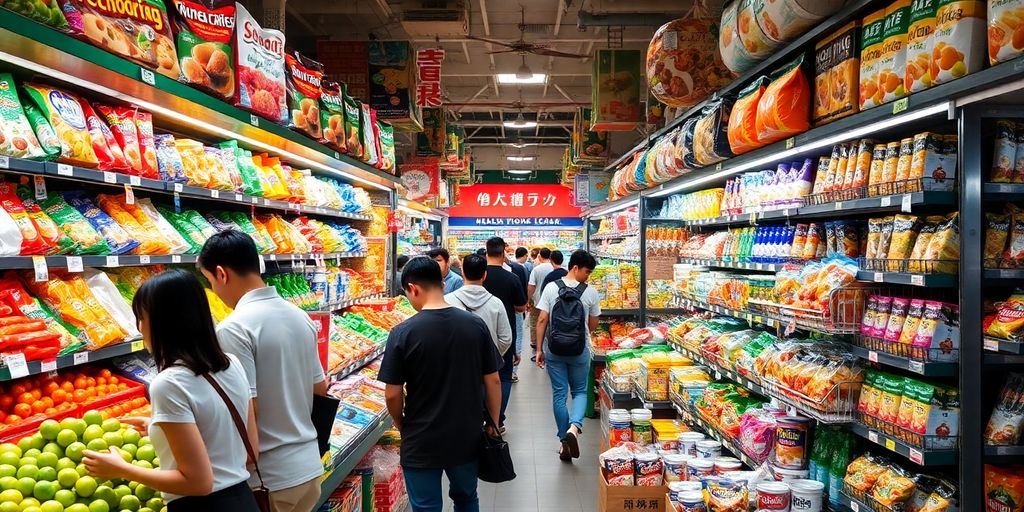
Supermarkets are a staple for many in Hong Kong, offering a convenient alternative to wet markets. While they might not have the same bustling atmosphere, they provide a wide range of products, including international brands and pre-packaged goods. It's worth exploring what they have to offer, especially if you're looking for something specific.
Identifying International Brands
One of the biggest draws of Hong Kong supermarkets is the availability of international brands. You'll find familiar names from the UK, US, Japan, and Korea, making it easier to find those comfort foods or specific ingredients you're used to. Keep an eye out for dedicated sections or aisles labelled "International" or "Imported" to quickly locate these products.
Comparing Prices and Quality
Supermarket prices can vary quite a bit, so it's worth doing a little comparison shopping. Different chains might have different promotions or offer better deals on certain items. Quality can also differ, especially when it comes to fresh produce. Here's a quick guide:
- Check the "sell-by" dates: Make sure the products are fresh.
- Compare unit prices: Look at the price per kg or per item to get a true comparison.
- Read online reviews: See what other shoppers say about the quality of certain brands or products.
Understanding Local Products
While international brands are readily available, don't overlook the local products. Supermarkets also stock a wide array of locally sourced goods, from vegetables and fruits to sauces and snacks. Trying these can give you a taste of Hong Kong and often comes at a lower price point. Consider these points:
- Look for labels in both English and Chinese.
- Don't be afraid to try new things – you might discover a new favourite!
- Check the origin of the product to ensure it's locally sourced.
Supermarkets in Hong Kong offer a blend of convenience and variety. They are a great place to find familiar items and explore local products. Take your time to compare prices and quality, and don't hesitate to try something new. You might be surprised at what you discover.
If you're looking for something truly unique, consider visiting some of the best local shops for vintage home decor and locally produced items.
Engaging with Local Vendors
Building Relationships with Stall Owners
Getting to know the people behind the stalls can really change your shopping experience. It's not just about buying food; it's about becoming part of the community. Regulars often get the best deals and the freshest picks. A simple "hello" and a smile can go a long way. Remember their names, and they'll remember yours. It's a win-win.
- Be a regular: Visit the same stalls consistently.
- Learn their names: A little effort shows you care.
- Chat about the weather: Small talk can build rapport.
Building a relationship with your local vendor can be incredibly rewarding. They often have insider knowledge about the best produce and are willing to share tips and tricks if you're friendly.
Asking for Cooking Tips
Don't be shy about asking for advice! These vendors are experts in their products. Wondering how to cook that unfamiliar vegetable? Just ask! They've probably got a family recipe or two they're willing to share. It's like getting a free cooking lesson with your groceries. Plus, it shows you value their expertise. You might discover your new favourite dish!
- Ask about preparation methods.
- Inquire about complementary ingredients.
- Share your own cooking experiences.
Learning About Local Specialties
Wet markets are treasure troves of local delicacies. Vendors are usually proud to share information about unique items. They can tell you where it comes from, how it's traditionally prepared, and what makes it special. It's a great way to expand your culinary horizons and discover hidden gems. Plus, you're supporting local producers and preserving cultural traditions. It's more than just shopping; it's an education.
| Specialty | Description | Vendor Tip |
|---|---|---|
| Dried Seafood | Various dried fish, scallops, and shrimp | Soak in water before cooking to soften. |
| Chinese Sausage | Sweet and savoury cured pork sausage | Steam before slicing and adding to rice. |
| Tofu Pudding | Soft, silky tofu dessert | Serve with ginger syrup for a traditional treat. |
Timing Your Grocery Shopping
Best Times to Visit Wet Markets
So, you're thinking of hitting up a wet market? Smart move! But timing is everything. The sweet spot is usually between 8 am and 11 am. This is when the deliveries have been made, and you'll find the freshest produce and the widest selection. Think of it as the market's golden hour. You'll get first dibs on the best stuff before other shoppers swoop in. Plus, the atmosphere is buzzing, and you can really soak in the local culture.
Avoiding Crowds and Long Queues
Okay, so you're not a morning person? I get it. But be warned, the later you go, the more crowded it gets. Lunchtime can be a nightmare, with everyone trying to grab a quick bite and do their shopping. Weekends are also peak times, so brace yourself for some serious elbow-to-elbow action. If you really want to avoid the crowds, consider going on a weekday afternoon, but keep in mind that the selection might be a bit limited by then. Navigating Hong Kong's vibrant markets can be tricky during peak hours.
Scoring Deals in the Evening
Fancy a bargain? Then head to the wet market after 6 pm. As the vendors start packing up for the day, they're often willing to slash prices to get rid of any remaining stock. You might not find the absolute freshest produce, but you can definitely snag some great deals. It's a bit like the market's version of a closing-down sale. Just be prepared to rummage through what's left and maybe haggle a little. It's all part of the fun!
A word of caution: While evening shopping can save you some pennies, always check the quality of the produce carefully. Make sure it's still good to eat and hasn't been sitting out for too long. A quick sniff and a good look can save you from a nasty surprise later on.
Here's a quick guide:
- Morning (8 am - 11 am): Best for freshness and variety.
- Lunchtime (12 pm - 2 pm): Expect crowds and queues.
- Afternoon (2 pm - 5 pm): Quieter, but limited selection.
- Evening (6 pm onwards): Bargain hunting time, but quality may vary.
Tasting Before You Buy
Sampling Fresh Fruits and Vegetables
One of the great things about shopping at Hong Kong's wet markets is the opportunity to sample before you commit. This is especially true for fruit. Vendors often encourage you to try a piece of fruit, like a grape or a slice of melon, to ensure you're happy with the quality. Don't be shy – a quick taste can save you from buying something that isn't quite ripe or up to your standards. It's less common with vegetables, but if you're unsure about something, it never hurts to ask if a small sample is possible. If you are looking for fresh produce, consider visiting Wellcome Shop for a variety of fruits.
Understanding Quality Through Taste
Tasting isn't just about avoiding bad produce; it's also about learning to recognise quality. Over time, you'll develop a better understanding of what a perfectly ripe mango or a crisp, fresh cucumber should taste like. This knowledge will become invaluable as you navigate the markets and supermarkets. Pay attention to the texture, sweetness, and overall flavour profile. This will help you make informed decisions and choose the best ingredients for your meals.
Building Trust with Vendors
Offering a sample is a sign of confidence from the vendor. It shows they believe in the quality of their goods and are willing to stand behind them. By accepting and appreciating these samples, you're not just getting a free taste; you're also building a relationship with the vendor. This can lead to better deals, insider tips on the best produce, and a more enjoyable shopping experience overall. Remember, a little bit of friendliness can go a long way in Hong Kong's markets.
Building a rapport with vendors can transform your grocery shopping from a chore into a social experience. Regulars often get the first pick of the freshest items and may even receive special discounts or extra portions. It's all about creating a friendly connection and showing your appreciation for their hard work.
Finding Familiar Ingredients
It's a common worry for expats: will I be able to find the foods I'm used to? Luckily, Hong Kong offers a surprising range of options for sourcing familiar ingredients, though it might take a bit of exploring.
Locating International Aisles
Most larger supermarkets, especially those in areas with a high expat population, will have dedicated international aisles. These are your first stop for things like British biscuits, Italian pasta sauces, or American breakfast cereals. Don't expect everything to be exactly the same as back home – brands might differ, and prices can be higher due to import costs. Supermarkets such as City'super are good places to start.
Identifying Local Substitutes
Sometimes, the exact ingredient you need just isn't available. That's when it's time to get creative with local substitutes. For example, if you can't find crème fraîche, you might be able to use a combination of sour cream and plain yoghurt. Asking vendors for advice is always a good idea; they often have great suggestions for alternatives.
Exploring Specialty Stores
For more niche ingredients, specialty stores are your best bet. These might include organic food shops, health food stores, or shops specialising in specific cuisines (like Korean or Indian). These places often stock items you won't find in mainstream supermarkets, but be prepared to pay a premium. They are great for organic grains and other healthy options.
It's worth keeping a small notebook (or using your phone) to jot down the names of local substitutes or alternative brands that you find. This will save you time on future shopping trips and help you build up your culinary knowledge of Hong Kong.
Cultural Etiquette While Shopping
Understanding Local Customs
When you're out doing your grocery shopping in Hong Kong, it's good to remember that a bit of local knowledge goes a long way. It's not just about finding the best deals; it's also about showing respect for the local culture. For example, avoid touching produce excessively. It's seen as a bit unhygienic. Instead, ask the vendor for assistance. Also, be mindful of queues and personal space, especially in crowded markets. Patience is definitely a virtue!
Practising Politeness with Vendors
A smile and a polite greeting can make a world of difference. It's always nice to start with a simple "Nǐ hǎo" (hello) or "Mm goy" (thank you) – even if your Cantonese isn't perfect, the effort is appreciated. When asking questions, be patient and respectful, and avoid being overly demanding. Remember, these vendors are experts in their products, so treat them as such. Building a friendly rapport can lead to better service and maybe even a few extra tips on what's fresh and in season. If you consistently go to your neighbourhood wet market and buy from a stall that you have visited several times before, make sure to let them know! Reminding the vendors that you have bought from them before leaves a better impression on them, which can lead to exclusive offers of the best products and deals. An easy way to namedrop yourself is to casually mention, “Hey, it’s me again!” and that you’ve bought so-and-so product from them before and it tasted great in a so-and-so dish. Make them feel proud and valued and you’ve got yourself a friend in the market auntie or uncle.
Navigating Bargaining Practises
Bargaining is common in wet markets, but it's not always appropriate in supermarkets or established shops. When bargaining, do it with a smile and a sense of humour. Start with a reasonable offer, and be prepared to meet somewhere in the middle. Don't try to drive the price down too low, as this can be seen as disrespectful. Remember, these vendors are trying to make a living. If you're not comfortable bargaining, that's perfectly fine too. Just accept the price as it is. You can explore Hong Kong's vibrant markets to discover unique local products.
It's worth noting that bargaining isn't always about getting the lowest price. It's often about building a connection with the vendor and engaging in a bit of friendly banter. Think of it as a social interaction as much as a financial transaction.
Here's a quick guide:
- Observe: Watch how locals interact and bargain.
- Be reasonable: Don't offer ridiculously low prices.
- Be polite: A smile goes a long way.
- Know when to stop: If the vendor is firm, accept it gracefully.
Final Thoughts on Grocery Shopping in Hong Kong
So there you have it! Grocery shopping in Hong Kong can be a bit of an adventure, but it’s definitely worth it. With a bit of patience and a willingness to explore, you can find all sorts of familiar foods and maybe even some new favourites. Don’t forget to chat with the vendors; they often have the best tips and tricks for cooking with the ingredients you buy. And remember, whether you’re hitting up a wet market or a supermarket, take your time and enjoy the experience. Happy shopping!
Frequently Asked Questions
What are wet markets in Hong Kong?
Wet markets are local markets where you can buy fresh food like fruits, vegetables, meat, and seafood. They are very popular among locals.
When is the best time to visit a wet market?
The best time to visit is in the morning from 8 am to 11 am when the freshest produce is available.
Can I ask vendors for cooking advice?
Yes! Vendors are usually very friendly and happy to share tips on how to cook different ingredients.
What types of foods can I find in supermarkets?
Supermarkets in Hong Kong offer a mix of local and international foods, including familiar brands from around the world.
Are there any special rules to follow while shopping?
Yes, it’s important to be polite, greet the vendors, and understand that bargaining is common in wet markets.
How can I find international ingredients?
Look for international aisles in supermarkets or visit specialty stores that focus on foreign foods.
The Moveandstay editorial team writes about serviced living, workspaces, and city guides across Asia-Pacific.
Read next

Serviced Offices Surge in Popularity as Businesses Embrace Flexible Leasing
May 3, 2026

Hong Kong Serviced Apartment Market Buzzes with Sales and Investment Activity Amidst Shifting Valuations
May 3, 2026

ONYX Hospitality Group Elevates Shama Serviced Apartments with New Lifestyle Concept and Ambitious Expansion
Apr 26, 2026