
Getting a SIM Card in Beijing: Best Options for Digital Nomads
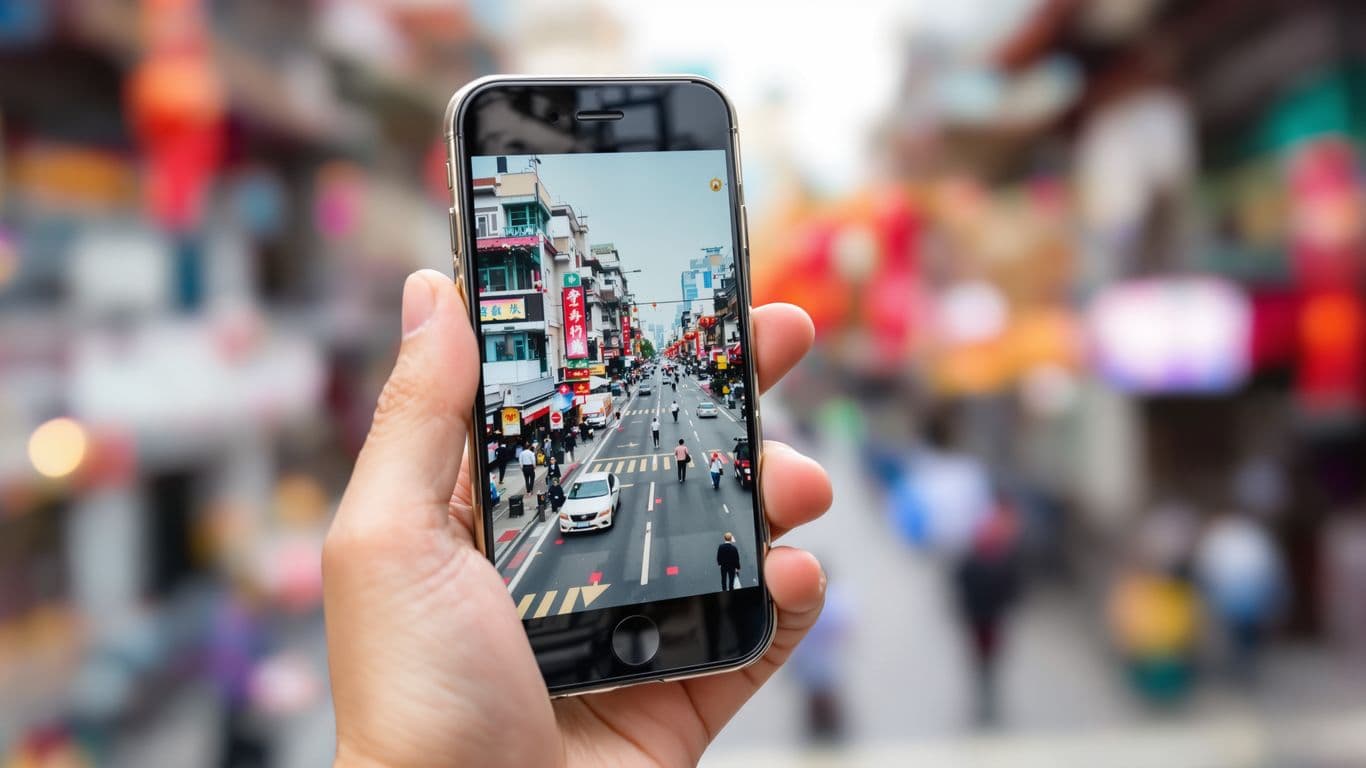
Planning a trip to Beijing and wondering about getting a SIM card? It’s a bit of a must-do these days, especially if you want to use maps, message friends, or even just order food online. Relying on your home network can get seriously expensive, and while physical SIMs are still an option, there’s a much easier way. This guide is all about making sure you stay connected without any fuss when you're getting a SIM card in Beijing.
Key Takeaways
eSIMs offer a convenient, digital way to get connected without needing a physical SIM card.
Providers like Airalo, MobiMatter, and Jetpac are popular choices for eSIMs in China.
Physical SIM cards from China Unicom and China Mobile are also available, but often require more effort.
Consider your data needs and trip duration when choosing between eSIMs and physical SIMs.
Always check your phone's compatibility with eSIM technology before purchasing.
1. Airalo eSIM
Right then, let's talk about Airalo. If you're new to the whole eSIM thing and just want something straightforward, Airalo is a pretty decent place to start. They're one of the bigger names out there for digital nomads and travellers, and for good reason. They offer a bunch of different data plans for China, so you can pick one that seems about right for how much internet you think you'll need.
Getting it set up is usually done through their app, which is handy. You download the app, buy your plan, and then follow the instructions to install the eSIM onto your phone. It's generally a pretty simple process, even if you've never done it before. Airalo's plans are often quite affordable too, which is always a bonus when you're on the road.
Here’s a rough idea of what you might find:
1GB for 7 days: Good for light use, like checking emails and maps.
3GB for 15 days: Better if you plan on doing a bit more browsing or occasional social media.
5GB for 30 days: For heavier users who might stream a bit or make video calls.
It's worth noting that most eSIMs, including Airalo's, are data-only. So, if you need to make actual phone calls or send texts the old-fashioned way, you'll probably need to use apps like WhatsApp or Skype over the internet connection.
While Airalo is a solid choice for many, remember to check your phone's compatibility with eSIMs before you buy. Most newer smartphones support them, but it's always best to double-check your device settings or look up its specifications online just to be sure.
2. MobiMatter eSIM
MobiMatter is a really strong contender if you're looking for an eSIM for China, especially if you're trying to keep costs down. They often have plans that are significantly cheaper than some of the other big names out there. For instance, you can get 10GB of data for 30 days for around $7.99, which is a pretty sweet deal when you compare it to what others charge for similar amounts of data.
They use the networks of China Unicom and China Mobile, so you're generally going to get decent coverage, particularly in the cities. While they don't offer voice or text directly, that's not really a big deal these days, is it? Everyone just uses WeChat or WhatsApp anyway, and those work fine over data.
Here's a quick look at what they offer:
10GB for 30 days: Around $7.99
20GB for 30 days: Around $13.99
50GB for 30 days: Around $29.99
It's worth noting that these prices can fluctuate a bit, but they generally stay very competitive. They also have longer-term plans if you're staying for a while, like 15GB for 180 days for about $14.99, which works out to be less than a dollar per gigabyte. That's hard to beat.
Activating is pretty straightforward. You buy a plan on their website or app, get a QR code, and then scan that in your phone's settings. Just make sure you enable data roaming for the eSIM when you get to China.
One of the best things about MobiMatter is how budget-friendly it is. You're often paying about a third of what you might pay with other providers for the same amount of data. Plus, their app has a handy data tracker so you can keep an eye on how much you're using. They also say you can use it as a hotspot, which is a bonus if you need to share your connection.
3. Jetpac eSIM
Jetpac is another solid choice for digital nomads looking for an eSIM. They focus on travellers and offer plans that work in multiple countries, which is handy if you're hopping around Asia.
What's good about Jetpac?
Budget-friendly: They often have competitive pricing, making it a cost-effective option. For instance, you might find a plan with a decent amount of data for a week at a price that won't break the bank.
Ease of setup: Getting it onto your phone is usually pretty straightforward. You sign up, pick a plan, and then scan a QR code to get it installed.
Decent data: They offer various data packages, so you can choose how much you think you'll need for your stay.
Jetpac's plans typically last for 30 days, which is quite convenient. It means you don't have to worry about topping up constantly, and you can just focus on using your data.
While they don't usually provide a local phone number, which might be a drawback for some, their focus on data and ease of use makes them a good contender, especially if you're on a tighter budget. It's worth checking their website for the latest deals and plan specifics before you travel.
4. Holafly eSIM
Holafly has really made a name for itself when it comes to travel eSIMs, and it’s easy to see why. They focus on making things simple, and their unlimited data plans are a big draw for many travellers. This means you don’t have to constantly check how much data you’ve got left, which is a real relief when you’re trying to find your way around or just want to stream something without worrying about hitting a limit.
They do offer regional and even global plans if you’re hopping between countries, which can be super handy. Now, Holafly isn't always the cheapest option out there, but honestly, you do get what you pay for. It’s more about the peace of mind that comes with a reliable connection that just works from the moment you land. Plus, they have customer support available 24/7, which is always a bonus when you’re in a foreign country.
Unlimited Data: No more data anxiety mid-trip.
Easy Activation: Simple setup process.
24/7 Support: Help is available whenever you need it.
Global & Regional Plans: Good for multi-country trips.
While Holafly might cost a bit more upfront, the freedom from worrying about data limits and the readily available support can make it a worthwhile investment for a stress-free trip to China.
5. Yoho Mobile eSIM
Yoho Mobile is a really flexible option if you're heading to China and need an eSIM. They let you sort of build your own plan, which is pretty handy. Whether you're just popping over for a few days and only need a bit of data for maps, or you're staying longer and plan on doing lots of video calls, they seem to have something that fits.
What's good about Yoho is that you can get really small data packs, starting from just 100MB for a day, which is super cheap if you're a light user. For longer trips, they have bigger packages, and if you're a heavy user or need to connect other devices, they even offer unlimited data plans. They also mention 4G and 5G speeds, which is always a plus.
Getting set up is pretty standard for an eSIM. You pick your plan on their website or app, pay up – they take various payment methods, which is convenient – and then you get an email with a QR code. You just scan that in your phone's settings, and you're good to go. They also have a discount code, YOHO12, for 12% off, which is worth remembering.
They offer 24/7 customer support too, which can be a lifesaver if you run into any issues while you're trying to get connected.
One of the standout features is that they support hotspot sharing, so if you've got a laptop or a friend who needs to hop on your data, you can usually do that. It’s a solid choice if you want to avoid the hassle of finding a physical SIM card and want control over your data usage and cost.
6. SimOptions eSIM Marketplace
Think of SimOptions as a comparison site, but specifically for travel eSIMs. It’s a handy place to check out different options from various providers all in one spot. They’ve been around since 2018, aiming to give travellers good eSIMs and SIM cards at decent prices. They seem to do a bit of vetting, so you’re hopefully getting something that works well.
Basically, you tell them where you’re going – in this case, China – and they’ll show you what eSIM plans are available from different companies. It saves you from having to visit each provider’s website individually. They even offer their own eSIM products on top of acting as a sort of middleman for others.
It’s a good way to get a feel for the market and see what data allowances and durations are on offer before you commit. You can usually find plans that suit short trips or longer stays, depending on what you need.
SimOptions acts like a central hub, letting you compare different eSIM deals for China without having to hunt around yourself. It simplifies the process of finding a suitable plan.
7. Sim Local eSIM
Sim Local is another company that offers eSIM services, and they're particularly geared towards travellers who want to avoid those hefty roaming charges. They're based in Dublin and London, and you can get their SIMs and eSIMs from their own shops, vending machines, or online.
They have a range of eSIM plans that you can activate pretty much straight away. It’s a handy way to stay connected when you’re hopping between countries, as you can switch between different eSIM profiles on your phone depending on where you are and what you need. They also seem to have decent customer support and accept all the usual payment methods like Visa, Mastercard, and even Apple Pay and Google Pay, processed through Stripe.
While Sim Local offers a good range of options, it's always worth comparing their plans with other providers to make sure you're getting the best deal for your specific needs in China.
Sim Local provides a straightforward way to get connected without the hassle of physical SIM cards. They aim to make it easy for global travellers to stay in touch, which is definitely a plus when you're in a new country like China.
8. China Unicom SIM Card
While eSIMs are gaining popularity, traditional physical SIM cards from local providers are still a viable option for staying connected in China. China Unicom is one of the main state-owned telecommunications operators, alongside China Mobile. They offer decent coverage, especially in urban areas, and can be a more budget-friendly choice compared to some international eSIM providers if you plan your purchase carefully.
Getting a China Unicom SIM card upon arrival can be convenient, but it often involves more steps than activating an eSIM. You'll need to find an official store or a reputable vendor, present your passport for registration, and then choose a data plan. This process can sometimes be a bit of a language hurdle, and the plans offered at airports are typically more expensive due to their prime location.
Here’s a general idea of what to expect:
Availability: You can purchase China Unicom SIM cards at major airports, train stations, and official China Unicom stores in cities across China.
Requirements: A valid passport is mandatory for registration. You'll likely need to fill out a form and have your details verified.
Plans: Data plans vary in size and duration. For example, you might find options like 10GB for 30 days or unlimited data for a shorter period. Prices can fluctuate, but expect to pay anywhere from $15 to $30 or more for a decent data package.
Activation: Once purchased and registered, the SIM card is usually activated on the spot or within a few hours.
While buying a physical SIM card directly from a provider like China Unicom might seem straightforward, the need for in-person registration and potential language barriers can add complexity. It's worth comparing the total cost and time investment against the ease of using an eSIM before you travel.
For those who prefer a physical SIM, researching the latest plans and pricing directly from China Unicom or checking with your accommodation for recommendations on local vendors is a good idea. You might find that some smaller shops offer Unicom SIMs, but always ensure they are official resellers to avoid issues. If you're looking for a more streamlined experience, consider providers like MobiMatter which offer eSIM solutions.
9. China Mobile SIM Card
While eSIMs are becoming super popular, you can still get a physical SIM card for China Mobile if that's your preference. China Mobile is one of the biggest mobile carriers in the country, so you'll generally find decent coverage, especially in cities like Beijing. It's a solid, reliable option if your phone doesn't support eSIMs or if you just prefer the old-school way of doing things.
Getting a physical SIM card usually means a bit more legwork. You can pick one up at the airport when you land, but be warned, these tend to be more expensive because of the convenience. You'll likely pay a premium for a data package. For better prices, you'll want to head to an official China Mobile store in the city. You'll need your passport to register the SIM, which is standard practice in China. The staff might not always speak fluent English, so having a translation app handy could be useful.
Here’s a rough idea of what you might expect:
Coverage: Generally very good across major cities and transport routes.
Data Packages: Vary depending on duration and data allowance. Expect options from a few gigabytes for a week to larger amounts for longer stays.
Activation: Requires passport registration at the point of sale.
Cost: Can range from ¥100-¥300 (approx. £11-£33) for a basic package with data, depending on the plan and where you buy it.
Be aware that some older phones, particularly those bought in North America, might have issues with certain Chinese carrier bands. It's always a good idea to check your phone's compatibility before you travel if you're planning on using a physical SIM card.
10. eSIM vs. Prepaid SIM Cards
So, you're trying to figure out the best way to stay connected while you're in Beijing. It usually comes down to two main options: getting an eSIM or a traditional prepaid SIM card. Both have their upsides, but they're quite different.
eSIMs are generally the more convenient and modern choice for most travellers. They're digital, meaning you don't have to faff about with tiny physical cards or hunt down a shop when you land. You can usually sort it all out online before you even leave home, often just by scanning a QR code. This means you can be online the moment your plane touches down, which is pretty handy for booking a taxi or letting people know you've arrived safely. Plus, you don't have to worry about losing a tiny piece of plastic.
Prepaid SIM cards, on the other hand, are the old-school way. You'll need to find a vendor, potentially queue up, and go through a registration process. While they work on pretty much any phone, the whole experience can be a bit of a hassle. You also have to physically swap out your home SIM, which means you might lose access to your usual number unless your phone can handle dual SIMs.
Here’s a quick rundown:
Activation: eSIMs are usually instant via a QR code. Physical SIMs require a trip to a store.
Flexibility: You can switch eSIM plans easily online. With a physical SIM, you'd need to buy a new one to change plans.
Convenience: eSIMs can be set up before you travel. Physical SIMs often mean waiting until you arrive.
Device Compatibility: eSIMs only work on newer, compatible phones. Physical SIMs work on almost all unlocked phones.
While a physical SIM card might seem straightforward, the process of obtaining one in a foreign country can be time-consuming and sometimes involves language barriers. eSIMs bypass these issues entirely, offering a smoother start to your trip.
Cost-wise, eSIMs can often be more budget-friendly, especially for shorter trips or when you need specific data amounts. For instance, you can find plans starting at very low prices, which is a big plus compared to the potential costs of roaming with your home provider. You can get a data plan for China starting from around $1.84 USD with an eSIM, whereas a physical SIM might set you back closer to $21 USD [a603]. It really depends on how much data you think you'll need and for how long you'll be in Beijing.
Wrapping Up Your Connectivity Quest in Beijing
So, there you have it. Getting connected in Beijing doesn't have to be a headache. While grabbing a physical SIM at the airport or a local shop is an option, it often means more hassle and potentially higher costs. For most digital nomads, an eSIM really is the way to go. It’s quick, easy, and you can sort it all out before you even leave home. Just double-check your phone is compatible and unlocked, pick a provider that suits your data needs and budget, and you'll be online the moment you land, ready to explore everything China has to offer. Happy travels and stay connected!
Frequently Asked Questions
What is an eSIM and how is it different from a normal SIM card?
An eSIM is like a digital SIM card that's already built into your phone. Instead of swapping out a tiny plastic card, you just download a plan onto your phone. It’s much easier because you don't have to find a shop or fiddle with small cards.
Can I get an eSIM for China before I travel?
Yes, absolutely! Many companies let you buy and set up an eSIM online before you even leave your home country. This means you can be online as soon as you land in China, without any fuss.
Which is better, an eSIM or a physical SIM card for China?
For most travellers, an eSIM is usually the better choice. It's quicker to set up, you can do it from home, and you don't risk losing a physical card. Physical SIMs are still an option, but they can be a bit more hassle to get when you arrive.
How much mobile data will I likely need in China?
It really depends on how you use your phone. If you just use maps and messaging apps like WeChat, maybe 3GB for a week is enough. But if you're on social media a lot or making video calls, you'll want more, perhaps 10GB or even 30GB for longer trips.
Do I need a special type of phone to use an eSIM?
Yes, your phone needs to be compatible with eSIM technology. Most newer smartphones from brands like Apple, Samsung, and Google support eSIMs, but it's always best to check your phone's settings or the manufacturer's website to be sure.
Can I make phone calls and send texts with a China eSIM?
Most eSIM plans are just for data, meaning you use apps like WeChat or WhatsApp for calls and messages. Some providers might offer plans that include a local Chinese phone number if you need to make traditional calls, but you'll need to check that when you buy your plan.
Filed under
The Moveandstay editorial team writes about serviced living, workspaces, and city guides across Asia-Pacific.
Read next

Serviced Offices Surge in Popularity as Businesses Embrace Flexible Leasing
May 3, 2026

Hong Kong Serviced Apartment Market Buzzes with Sales and Investment Activity Amidst Shifting Valuations
May 3, 2026

ONYX Hospitality Group Elevates Shama Serviced Apartments with New Lifestyle Concept and Ambitious Expansion
Apr 26, 2026