
Exploring the Role of the Central Centre in Community Health and Education
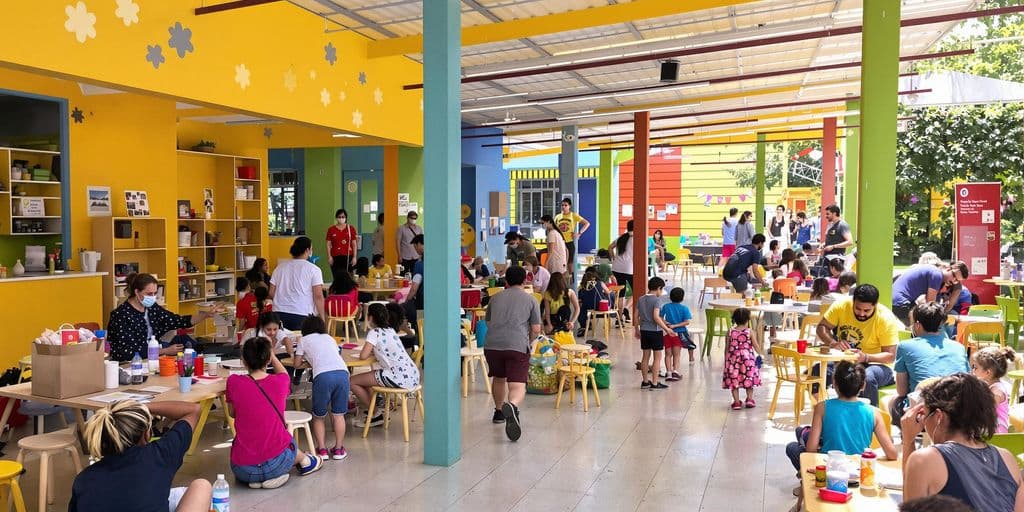
The Central Centre is more than just a place; it's a heartbeat for many communities, blending health and education in ways that truly matter. By connecting people, ideas, and resources, it tackles some of the toughest challenges facing both fields. This article explores how the Central Centre impacts health, education, and community growth, and why its approach is worth paying attention to.
Key Takeaways
- The Central Centre bridges gaps in healthcare by focusing on local needs and empowering community health workers.
- Education at the Central Centre ties real-world experiences directly into learning, making it practical and meaningful.
- Collaborative partnerships at the Central Centre bring together diverse groups to create long-lasting health solutions.
- Challenges like language barriers and rural dynamics push the Central Centre to adapt and innovate constantly.
- By focusing on holistic care, the Central Centre emphasizes the importance of addressing social and personal well-being.
The Central Centre as a Hub for Community Health
Promoting Grassroots Healthcare Initiatives
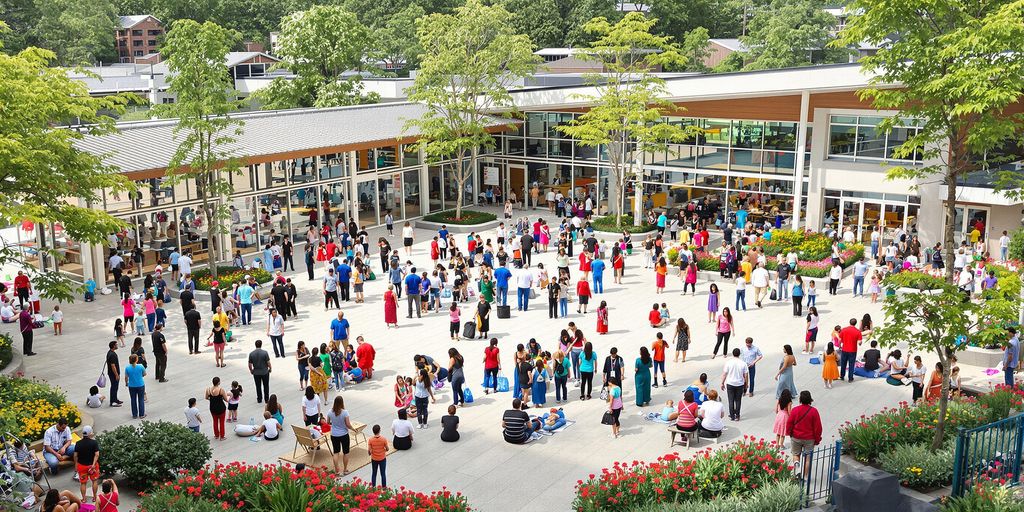
The Central Centre plays a pivotal role in fostering healthcare initiatives that originate from within the community. By supporting programs that focus on preventive care, it ensures that individuals are equipped with the knowledge to manage their health proactively. For example:
- Organizing workshops on managing chronic diseases like diabetes.
- Hosting health fairs to provide free screenings and consultations.
- Encouraging lifestyle modifications through community-driven campaigns.
These initiatives not only address immediate health concerns but also build a foundation for long-term well-being.
Empowering Community Health Workers
Community Health Workers (CHWs) are the backbone of healthcare in underserved areas. The Central Centre provides them with essential training and resources, enabling them to:
- Deliver basic medical care and first aid.
- Educate residents about preventive health measures.
- Act as a bridge between the community and healthcare facilities.
CHWs don’t just treat illnesses; they build trust and empower people to take charge of their health. This approach ensures that healthcare reaches even the most remote corners of the community.
Addressing Health Disparities Through Local Engagement
Health disparities often stem from systemic inequities, but the Central Centre tackles these challenges head-on. By engaging directly with local residents, the Center:
- Identifies specific health needs unique to the community.
- Collaborates with local organizations to provide targeted solutions.
- Promotes inclusivity by addressing barriers like language and cultural differences.
When communities are actively involved in shaping their healthcare solutions, the outcomes are more sustainable and impactful.
The Central Centre’s efforts highlight the importance of community-driven approaches in achieving equitable healthcare for all.
Educational Impact of the Central Centre
Integrating Real-World Experiences in Curricula
The Central Centre has become a unique platform where education meets practicality. By embedding real-life scenarios into academic programs, students gain firsthand exposure to the challenges and intricacies of healthcare. This approach bridges the gap between theoretical learning and practical application.
- Students often work alongside professionals in community settings, observing and participating in healthcare delivery.
- They engage in case studies based on actual community health issues, fostering a deeper understanding of their field.
- These experiences not only enhance knowledge but also build confidence in handling real-world situations.
Fostering Critical Thinking and Cultural Sensitivity
Education at the Central Centre goes beyond textbooks. It emphasizes the importance of critical thinking and understanding diverse cultural contexts. Students are encouraged to question, analyze, and adapt their approaches to suit the needs of varied populations.
- Workshops and discussions on cultural practices help students appreciate different perspectives.
- Role-playing exercises simulate real-life scenarios, challenging students to make informed decisions.
- Collaborative projects with local communities provide insight into cultural dynamics and their impact on healthcare.
"Learning here isn’t just about facts; it’s about understanding people, their stories, and their needs."
Preparing Students for Global Health Challenges
The Central Centre prepares students to tackle global health issues with confidence and competence. They are trained to think on a broader scale, considering the interconnectedness of health systems worldwide.
| Skill Developed | Application in Global Health |
|---|---|
| Problem-solving | Addressing resource constraints in diverse settings |
| Communication | Collaborating with international teams |
| Adaptability | Working in varied and unpredictable environments |
By combining local engagement with a global outlook, the Central Centre equips students with the tools they need to make a meaningful impact in the world of healthcare.
Collaborative Partnerships at the Central Centre
Building Sustainable Health Solutions
Collaborations at the Central Centre aren't just about working together—they're about creating real, lasting change. By combining resources and expertise, the Center ensures that health initiatives are practical and impactful. For example, joint efforts with local clinics have resulted in improved access to vaccines and essential medicines in underserved areas. These partnerships focus on:
- Sharing medical knowledge and tools.
- Training local healthcare providers.
- Developing long-term strategies for disease prevention.
Engaging Local Stakeholders Effectively
To make sure programs work in the real world, the Central Centre actively involves local leaders, community members, and health workers. Their input shapes projects so they actually meet the needs of the people they serve. Here’s how it’s done:
- Holding regular community meetings to gather feedback.
- Encouraging local leadership in health initiatives.
- Building trust through transparent communication.
Leveraging Interdisciplinary Collaboration
When people from different fields come together, amazing things can happen. The Central Centre brings doctors, educators, social workers, and even engineers to the same table. This approach helps tackle issues from every angle. A recent project involved:
- Doctors identifying health problems.
- Engineers designing water filtration systems to reduce illness.
- Educators teaching communities about hygiene practices.
"When everyone contributes their piece, the puzzle of community health begins to make sense."
Challenges and Adaptations in the Central Centre's Approach
Overcoming Linguistic and Cultural Barriers
Language differences often create hurdles in effective communication between students, community health workers, and local residents. Many students rely on translators, which can limit direct interaction and slow down relationship-building. However, these challenges are invaluable for students, teaching them adaptability and cultural awareness. Students often develop creative strategies to bridge these gaps, such as learning basic phrases or using visual aids to communicate effectively.
Adapting to Rural Healthcare Dynamics
Providing healthcare in rural areas comes with unique challenges. Limited infrastructure, fewer resources, and geographical isolation make it difficult to implement urban-focused strategies. The Central Centre has had to innovate by:
- Collaborating with local organizations to pool resources.
- Training community members to take on healthcare roles.
- Adjusting healthcare delivery methods to suit rural settings, like mobile clinics.
These adaptations ensure that healthcare reaches even the most remote areas, though scalability remains a concern.
Addressing Limitations in Program Scalability
While the Central Centre’s initiatives are impactful on a local level, scaling them to other regions or larger populations is a complex task. Factors like funding, workforce availability, and differing community needs must be considered. A small-scale success doesn’t always translate to larger contexts. To tackle this, the Centre focuses on:
- Building strong partnerships with government and non-governmental organizations.
- Conducting pilot programs to test scalability.
- Documenting best practices to share with other communities.
The Central Centre’s ability to adapt to these challenges highlights its commitment to improving community health, even in the face of significant obstacles.
The Role of the Central Centre in Holistic Healthcare
Focusing on Patient-Centered Care
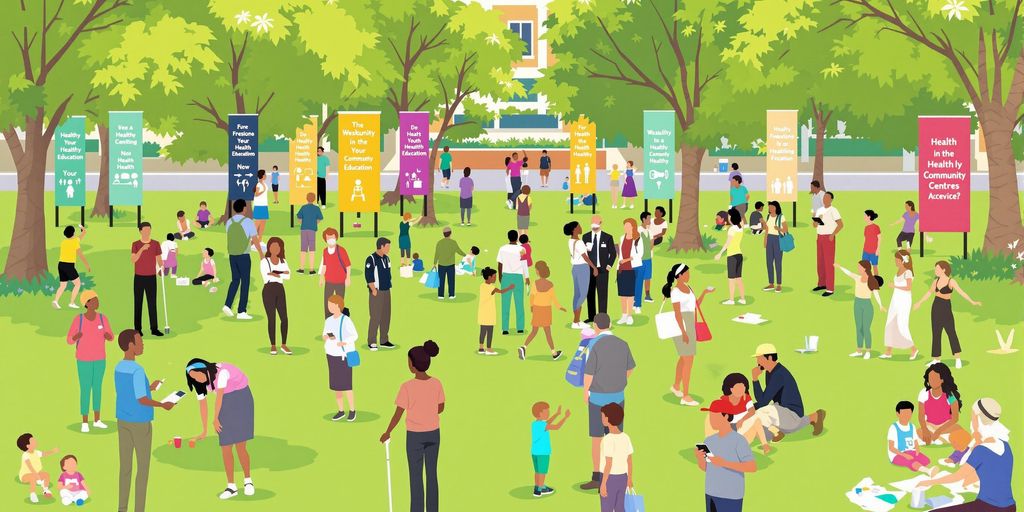
At the heart of holistic healthcare lies the concept of patient-centered care. It's not just about diagnosing and treating illnesses—it's about understanding the patient as a whole person. The Central Centre prioritizes this approach by:
- Encouraging open communication between patients and healthcare providers.
- Integrating emotional and mental well-being into treatment plans.
- Offering flexible care options tailored to individual lifestyles and needs.
This focus ensures that patients feel heard, valued, and empowered in their healthcare journey.
Integrating Social Determinants of Health
Healthcare doesn't exist in a vacuum. The Central Centre recognizes that factors like housing, education, income, and environment play a huge role in health outcomes. By addressing these social determinants, the Centre aims to create a more equitable healthcare system. Key initiatives include:
- Partnering with local organizations to provide housing support and job training.
- Hosting workshops on nutrition and financial literacy.
- Advocating for policies that reduce health disparities in underserved communities.
A holistic approach acknowledges that improving health often starts outside the clinic walls.
Promoting a Balanced Perspective on Well-Being
Health is more than physical fitness; it's a balance of physical, mental, and social well-being. The Central Centre promotes this balanced perspective by:
- Offering community yoga and mindfulness sessions.
- Encouraging group activities that build social connections.
- Providing resources for stress management and emotional health.
This comprehensive view of health helps individuals and communities thrive, not just survive.
Field-Based Learning at the Central Centre
Enhancing Understanding of Healthcare Systems
Field-based learning at the Central Centre offers students an immersive way to understand how healthcare systems operate, especially in underserved areas. They get to see firsthand how policies are implemented and the daily challenges faced by healthcare providers. This hands-on exposure bridges the gap between classroom theory and real-world practice. By observing and participating in these systems, students gain a deeper appreciation for the social and economic factors that shape healthcare delivery.
Experiencing the Role of Community Health Workers
Community Health Workers (CHWs) are the backbone of many rural healthcare systems, and students get the chance to work alongside them. This experience often changes their perspectives, as they see how CHWs manage patient care, coordinate resources, and build trust within the community. Students also learn about the cultural and logistical hurdles CHWs face, which adds a layer of empathy and understanding to their education.
Broadening Perspectives Through Rural Placements
Rural placements are a cornerstone of the Central Centre's approach to field-based learning. These placements take students out of their comfort zones and into communities where healthcare resources are limited. They learn to adapt to resource constraints, communicate effectively across cultural barriers, and develop innovative solutions to local problems. Such experiences prepare them not just for careers in healthcare but for a lifetime of socially responsible practice.
"Field-based learning doesn’t just teach you about healthcare—it teaches you about humanity. It’s an eye-opener, showing how interconnected health, culture, and community truly are."
Community Empowerment Through the Central Centre
Encouraging Grassroots Leadership
When communities lead, they thrive. The Central Centre works to bring leadership opportunities directly to the people it serves, encouraging them to step up and take charge of health initiatives. This isn’t about outsiders dictating solutions—it’s about locals identifying and solving their own challenges. Community health workers (CHWs), for example, are often selected from within the community itself, creating a sense of trust and accountability. These leaders not only provide care but also educate others on preventive measures, like managing diabetes or promoting maternal health. This grassroots approach ensures that solutions stick because they’re born from the community’s own needs and values.
Fostering Trust and Public Education
Trust is the glue that holds any health initiative together, and the Central Centre knows this well. By organizing workshops, health fairs, and open forums, they create spaces for honest conversations about health. These events aren’t just about sharing facts—they’re about listening to concerns and addressing fears. For instance, public education campaigns might focus on demystifying vaccines or explaining the benefits of community-based health insurance. The more people understand, the more they feel empowered to make informed decisions about their health and the health of their families.
Empowering Communities to Take Charge of Health
Empowerment goes beyond education—it’s about giving people the tools and confidence to act. The Central Centre helps communities set up local health committees, where residents can discuss issues like clean water access or the need for a new clinic. These committees often collaborate with local governments or NGOs to turn ideas into action. Alongside this, the Centre encourages self-sufficiency by training individuals in basic healthcare skills, such as wound care or recognizing early signs of illness. This way, communities aren’t just participants in their healthcare—they’re the drivers of it.
"When people feel they have control over their health, something shifts. They stop seeing healthcare as something done to them and start seeing it as something they shape."
Conclusion
Wrapping it all up, the role of central hubs in community health and education is pretty clear—they’re the glue that holds everything together. These centers don’t just provide services; they create a space where people can connect, learn, and grow. Whether it’s offering healthcare in underserved areas or giving students hands-on learning opportunities, the impact is undeniable. Sure, there are challenges, like language barriers or adapting to local needs, but those hurdles often lead to even greater learning and understanding. At the end of the day, it’s about building relationships and finding practical solutions that work for everyone involved. And honestly, that’s what makes these efforts so meaningful.
Frequently Asked Questions
What is the Central Centre's role in community health?
The Central Centre acts as a hub for improving health by supporting local healthcare projects, training community health workers, and addressing health gaps through local involvement.
How does the Central Centre contribute to education?
It helps students connect classroom lessons with real-life experiences, encourages critical thinking, and prepares them to handle global health challenges.
What partnerships does the Central Centre build?
The Centre collaborates with local groups, healthcare providers, and experts from different fields to create lasting health solutions and engage communities effectively.
What challenges does the Central Centre face?
Some challenges include language and cultural differences, working in rural areas, and scaling up programs to reach more people.
How does the Central Centre promote holistic healthcare?
The Centre focuses on treating patients with care, understanding social factors that affect health, and encouraging a balanced approach to overall well-being.
What can students learn through field-based programs at the Central Centre?
Students gain hands-on experience in healthcare systems, see the role of community health workers, and broaden their perspectives by working in rural settings.
The Moveandstay editorial team writes about serviced living, workspaces, and city guides across Asia-Pacific.
Read next

Serviced Offices Surge in Popularity as Businesses Embrace Flexible Leasing
May 3, 2026

Hong Kong Serviced Apartment Market Buzzes with Sales and Investment Activity Amidst Shifting Valuations
May 3, 2026

ONYX Hospitality Group Elevates Shama Serviced Apartments with New Lifestyle Concept and Ambitious Expansion
Apr 26, 2026