
Exploring the Center: A Hub for Community and Connection in Today's Society
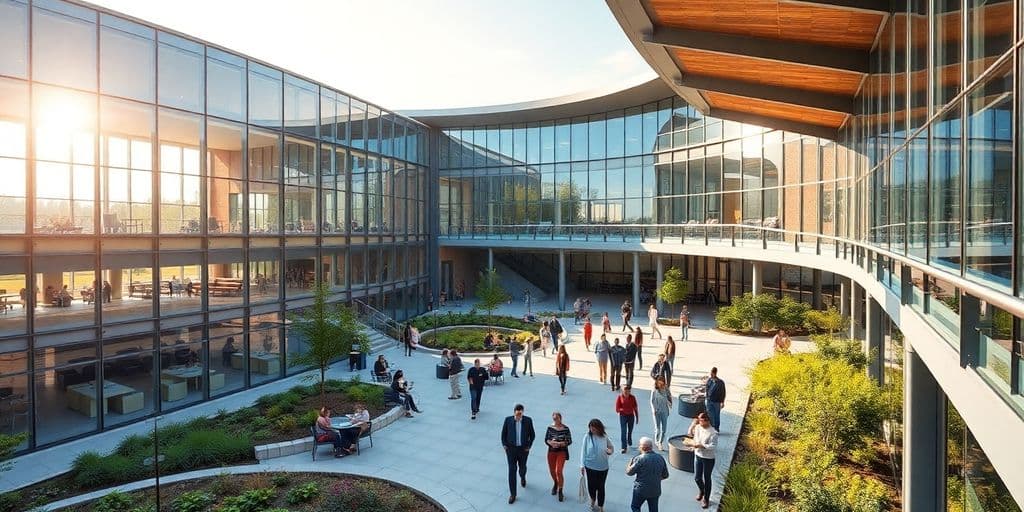
Ever wondered what makes a place feel like the heart of a community? That's where "the center" comes in. It's more than just a building or a spot on the map—it's a space where people connect, share, and grow together. In today's world, with so much happening online and offline, these hubs are more important than ever. Whether it's a local community center, a library, or even a virtual space, "the center" helps bring people together in ways that truly matter. Let's dive into what makes these places so special and how they’re shaping the way we connect.
Key Takeaways
- "The center" acts as a vital gathering spot for communities, fostering connections and shared experiences.
- Modern centers blend physical spaces with digital tools to reach a wider audience.
- Inclusivity and diversity are key elements in making these hubs welcoming for everyone.
- Measuring engagement and adapting strategies are crucial for keeping the center relevant.
- Community hubs can drive positive change by hosting events, sharing resources, and encouraging collaboration.
Understanding the Role of The Center in Modern Communities
What Defines a Community Hub?
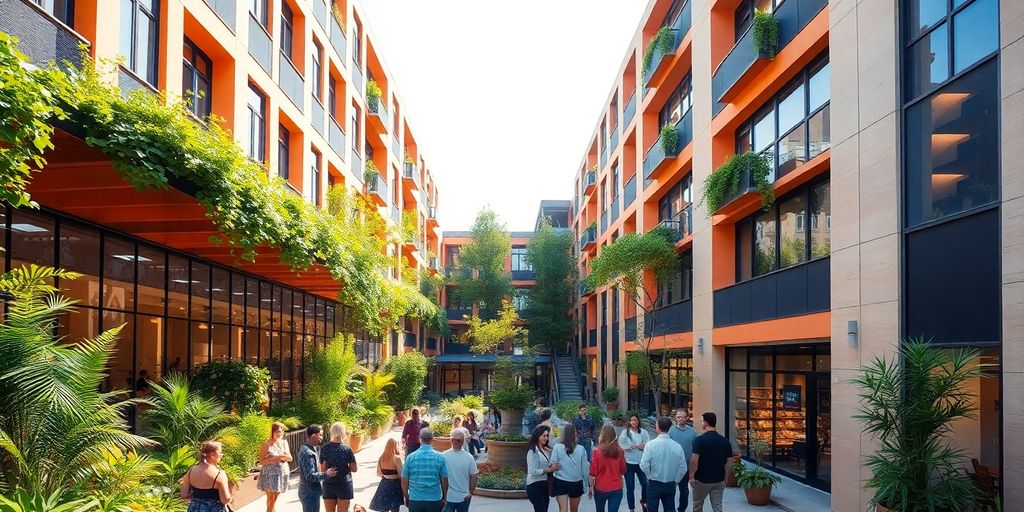
A community hub is more than just a physical location—it’s the heart of a neighborhood or group where people come together to connect, share, and grow. These spaces can be libraries, community centers, or even virtual platforms. The essence of a community hub lies in its ability to bring people together in meaningful ways. It’s where ideas are exchanged, relationships are built, and resources are accessed. Whether it’s a space for learning, socializing, or collaborating, a hub reflects the needs and values of its community.
The Evolution of Community Spaces
Community spaces have come a long way. In the past, they were often limited to town halls or churches. Today, they include coworking spaces, online forums, and multipurpose centers. This evolution shows how communities adapt to changing lifestyles and technologies. For example:
- Traditional spaces like libraries now offer digital resources and workshops.
- Online platforms allow global connections while maintaining local relevance.
- Multipurpose centers host everything from fitness classes to job fairs.
This shift highlights how flexible and inclusive community spaces have become, ensuring they stay relevant in modern society.
Why The Center Matters Today
In today’s fast-paced world, where digital interactions often replace face-to-face ones, community hubs are vital. They provide a space for genuine human connection, combating isolation and fostering a sense of belonging. More than that, they:
- Offer access to essential services like education and healthcare.
- Serve as platforms for cultural exchange and learning.
- Strengthen local networks, creating opportunities for collaboration.
Community is essential for individuals to enhance their identity, discover their purpose, and find motivation. Spaces like The Center ensure everyone has a place to feel valued and connected.
Building Connections at The Center
Fostering Inclusivity and Diversity
The Center thrives when it becomes a space where everyone feels welcome. Inclusivity starts by recognizing the unique stories and backgrounds of each person who walks through its doors. This means creating programs that cater to a wide range of interests, from cultural celebrations to workshops that highlight underrepresented voices.
To make inclusivity more tangible, consider:
- Hosting events that celebrate different cultures and traditions.
- Providing resources in multiple languages.
- Creating advisory boards representing diverse community groups.
The goal? To ensure no one feels like an outsider when they step into The Center.
Creating Shared Experiences
Shared experiences are the glue that binds communities together. Whether it’s a family movie night, a local art exhibit, or a weekend volunteer project, these moments help people connect beyond surface-level interactions.
Here’s an idea: Engage families in community service by organizing volunteer days where parents and kids can work side-by-side. Activities like planting a garden, assembling care packages, or painting a mural can build lasting memories while benefiting the community.
Strengthening Local Networks
A strong community network can be a lifeline in times of need and a source of pride every day. The Center plays a pivotal role in weaving these networks together by acting as a hub for collaboration. From local businesses to nonprofit organizations, partnerships formed at The Center can amplify impact.
- Host networking nights for small business owners.
- Offer meeting spaces to grassroots organizations.
- Create mentorship programs pairing experienced professionals with younger community members.
When The Center becomes a place where connections are made, ideas are shared, and support flows freely, it transforms into more than just a building—it becomes the heart of the community.
Leveraging Technology to Transform The Center
Digital Tools for Community Engagement
Technology has completely changed how communities connect. Tools like apps, online forums, and social media make it easier for people to stay in the loop about events, share ideas, and voice concerns. The Center can use these platforms to reach a wider audience and create a stronger sense of belonging. Imagine a mobile app that lists events, allows RSVPs, and even lets users suggest new activities—this is the kind of innovation people love.
Virtual Hubs and Their Impact
Some people can’t always visit in person, and that’s where virtual hubs shine. These are online spaces where members can join discussions, attend workshops, or even participate in live-streamed events. Virtual hubs make The Center accessible to everyone, no matter where they are. For example:
- Online classes for skill-building.
- Virtual meetups to discuss local issues.
- Webinars featuring guest speakers.
This digital approach keeps people connected, even when life gets busy.
Blending Physical and Digital Spaces
Why choose between physical and digital? Combining the two creates a seamless experience. For instance, a community event could have an in-person gathering while also being live-streamed for those at home. Here’s how this could work:
| Feature | Physical Space | Digital Space |
|---|---|---|
| Event Participation | In-person attendance | Live-streaming available |
| Resource Access | On-site kiosks | Downloadable materials |
| Feedback Collection | Suggestion box | Online surveys |
By blending both worlds, The Center becomes a place where everyone feels included and engaged.
With technology, The Center doesn’t just keep up with the times—it becomes a leader in community connection, bridging gaps and bringing people closer together.
Best Practices for Engaging Through The Center
Designing Inclusive Programs
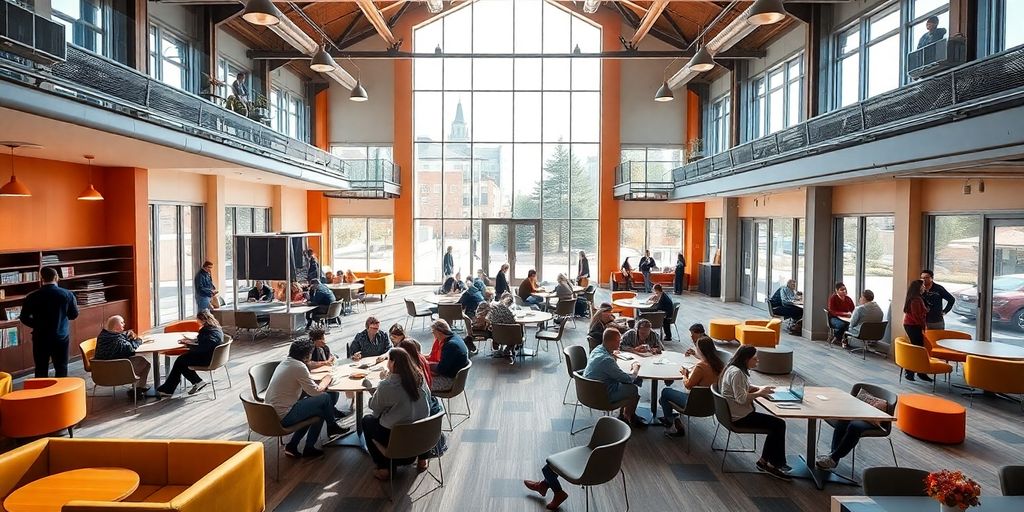
Creating programs that are welcoming to everyone is a cornerstone of a successful community hub. Inclusivity isn’t just a buzzword—it’s what makes people feel like they truly belong. To achieve this, consider the following steps:
- Offer a mix of activities that cater to different age groups, backgrounds, and interests. For example, host art classes for kids, fitness sessions for adults, and cultural exchange events for everyone.
- Ensure all facilities are accessible to individuals with disabilities. Think ramps, elevators, and clear signage.
- Regularly gather feedback from community members to understand what they want and need. Surveys, suggestion boxes, or casual conversations can work wonders.
When people see their ideas reflected in the programs, they’re more likely to participate and feel a sense of ownership.
Effective Communication Strategies
Getting the word out about what’s happening at The Center is just as important as planning the events themselves. Clear and consistent communication keeps the community engaged and informed. Here are some tips:
- Use multiple platforms to reach different demographics—social media, email newsletters, printed flyers, and even word-of-mouth.
- Create a monthly calendar of events and distribute it widely. Make sure it’s easy to read and visually appealing.
- Highlight success stories or testimonials from previous activities to build excitement and trust.
Collaborating with Local Stakeholders
Building partnerships with local businesses, organizations, and leaders can amplify the impact of The Center. Collaboration not only brings in additional resources but also fosters a sense of shared purpose. Here’s how to start:
- Identify key stakeholders who align with The Center’s mission. This could include schools, small businesses, or local government offices.
- Host joint events or initiatives that benefit both parties, like a community clean-up sponsored by a local store.
- Keep communication open and transparent to maintain strong, long-term relationships.
By following these practices, The Center can become a vibrant space where everyone feels connected and valued, ultimately strengthening the community as a whole.
Measuring the Success of The Center
Key Metrics for Community Impact
Tracking the impact of The Center starts with clear, measurable goals. Metrics allow you to see what’s working and what needs tweaking. Here are a few areas to focus on:
- Engagement Levels: Monitor participation in events and programs. Are people showing up? Look at attendance numbers, online interactions, and activity in forums or social media.
- Membership Growth: Keep an eye on how many new members are joining over time. A steady increase signals relevance and appeal.
- Retention Rates: It’s not just about attracting people; it’s about keeping them. High retention means you’re meeting community needs.
Tracking Engagement Levels
Engagement is about more than just numbers. It’s about how involved people feel. Use these tools:
- Surveys: Ask for feedback directly from attendees or members.
- Interaction Data: Count likes, shares, and comments if you have an online presence.
- Program Participation: Measure how many people attend workshops or events regularly.
Adapting Strategies for Growth
Growth doesn’t happen by accident. It’s about learning and adjusting:
- Analyze trends in your metrics monthly.
- Test new approaches, like different event types or communication styles.
- Focus on what’s working and cut what isn’t.
Regularly evaluating your performance ensures that The Center remains a thriving, impactful space for everyone involved.
Unlocking the Potential of The Center
Empowering Individuals Through Resources
Access to resources can be a game-changer for individuals. The Center serves as a bridge, connecting people with the tools they need to succeed. From career development programs to mental health support, the resources offered can help people overcome challenges and achieve their goals. Here are some examples of what The Center might provide:
- Job training workshops to improve employability.
- Counseling services for emotional and mental well-being.
- Access to technology, such as computers and internet, for those who lack it at home.
By making these resources available, The Center becomes a place where people feel supported and capable of taking the next step in their lives.
Encouraging Civic Participation
The Center can also spark an interest in civic engagement. Hosting events like town halls, voter registration drives, or community clean-ups can inspire people to take an active role in their neighborhoods. A few ways to encourage this include:
- Organizing workshops on understanding local government and policies.
- Creating forums where residents can discuss community issues.
- Partnering with local organizations to amplify efforts.
When people feel involved in shaping their community, they’re more likely to stay engaged and invested in its future.
Creating a Thriving Ecosystem
A thriving ecosystem doesn’t just happen; it’s built through collaboration and shared purpose. The Center can serve as a hub where relationships are formed, and ideas come to life. Here’s how it can help:
- Facilitate partnerships between local businesses and community groups.
- Offer spaces for entrepreneurs to network and brainstorm.
- Host cultural events that bring diverse groups together.
When a community thrives, it’s because its members feel connected, supported, and inspired.
By focusing on these areas, The Center can truly unlock its potential, becoming a cornerstone for growth and connection in the community.
The Center as a Catalyst for Positive Change
Promoting Social Initiatives
The Center can become a springboard for social projects that address real community needs. Whether it’s organizing food drives, advocating for local causes, or setting up mentorship programs, these spaces offer the perfect environment to bring people together for a shared purpose. By providing resources and support, The Center empowers individuals to take action and make tangible differences in their neighborhoods.
Here’s how The Center can support social initiatives:
- Provide a meeting space for planning and collaboration.
- Offer access to tools like computers, printers, and internet for organizing events.
- Connect volunteers with local organizations and resources.
Hosting Educational Workshops
Education doesn’t always have to happen in a classroom. The Center can serve as a hub for learning by hosting workshops on everything from financial literacy to creative arts. These sessions not only teach valuable skills but also bring people together to share knowledge and experiences.
Workshops might include:
- Resume writing and job interview skills.
- Cooking classes using local ingredients.
- Technology basics for seniors.
A single workshop can spark a chain of inspiration, encouraging attendees to pursue new goals or even teach others what they’ve learned.
Driving Cultural Exchange
Cultural diversity is a strength, and The Center can highlight this by celebrating the traditions, stories, and cuisines of its community. Events like multicultural fairs or storytelling nights create opportunities for people to connect across differences and learn from one another.
A possible schedule for a cultural exchange event could look like this:
| Time | Activity |
|---|---|
| 10:00 AM | Opening Ceremony |
| 11:00 AM | Traditional Dance Showcase |
| 12:30 PM | Global Cuisine Tasting |
| 2:00 PM | Storytelling Circle |
| 4:00 PM | Closing Remarks |
By promoting social, educational, and cultural opportunities, The Center becomes more than just a building—it transforms into a hub of positive change, inspiring individuals and strengthening the fabric of the community.
Conclusion
Community hubs are more than just spaces—they’re the glue that holds neighborhoods and groups together. Whether it’s a local center, a library, or even an online forum, these hubs give people a chance to connect, share, and grow. In a world that often feels disconnected, they remind us how important it is to have a place where everyone feels welcome. By investing time and effort into these spaces, we’re not just building stronger communities—we’re creating a sense of belonging that can make a real difference in people’s lives. So, whether you’re looking to meet new people, learn something new, or just feel part of something bigger, your local community hub is a great place to start.
Frequently Asked Questions
What is a community hub?
A community hub is a central place where people come together to connect, share resources, and participate in various activities. It can be a physical space like a library or a virtual platform like an online forum.
Why are community hubs important?
Community hubs help build strong connections among people, provide access to resources, and create a sense of belonging. They play a key role in strengthening communities and fostering collaboration.
How do community hubs promote inclusivity?
Community hubs welcome individuals from all backgrounds, creating a space where everyone feels valued and respected. They celebrate diversity and encourage people to share their unique perspectives.
Can technology enhance community hubs?
Yes, technology can expand the reach and impact of community hubs. Digital tools and virtual platforms allow for wider engagement, making it easier for people to connect and collaborate regardless of location.
What are some examples of activities at a community hub?
Activities at community hubs can include educational workshops, cultural events, social gatherings, and skill-building sessions. These events aim to bring people together and enrich their lives.
How can the success of a community hub be measured?
The success of a community hub can be tracked using metrics like participation rates, community feedback, and the number of events or programs held. Regular evaluation helps improve its effectiveness.
The Moveandstay editorial team writes about serviced living, workspaces, and city guides across Asia-Pacific.
Read next

Serviced Offices Surge in Popularity as Businesses Embrace Flexible Leasing
May 3, 2026

Hong Kong Serviced Apartment Market Buzzes with Sales and Investment Activity Amidst Shifting Valuations
May 3, 2026

ONYX Hospitality Group Elevates Shama Serviced Apartments with New Lifestyle Concept and Ambitious Expansion
Apr 26, 2026