Exploring the Benefits of Shared Space: A Guide to Modern Coworking Environments
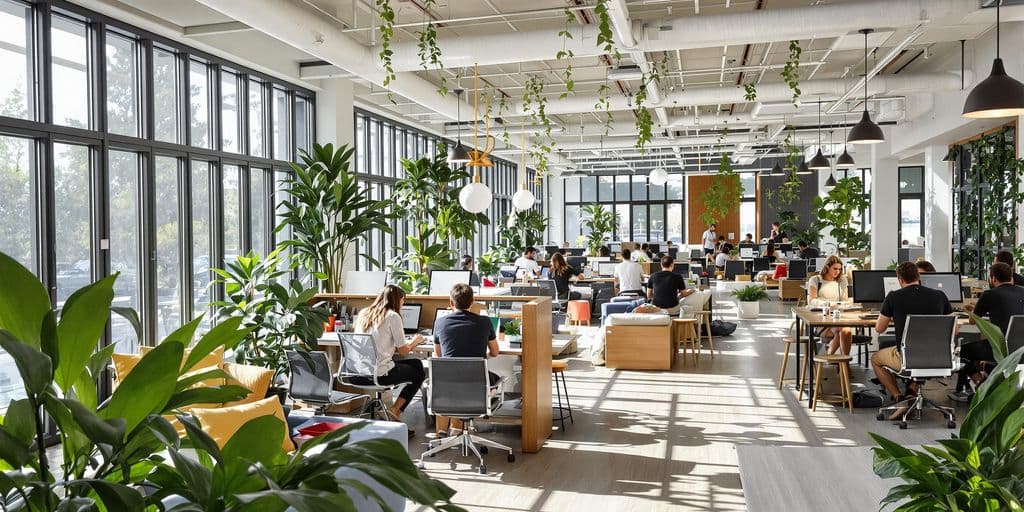
Shared spaces are changing the way we think about work. These modern environments are designed to bring people together, offering flexibility, collaboration, and a sense of community. Whether you're a freelancer, a startup, or part of a larger company, shared spaces provide a fresh take on productivity. In this guide, we’ll explore the ins and outs of coworking spaces and why they’ve become such a popular choice.
Key Takeaways
- Shared spaces are ideal for fostering connections and collaboration.
- They offer cost-effective solutions for businesses of all sizes.
- Flexibility in shared spaces supports better work-life balance.
- Smart design and technology enhance productivity in these environments.
- Community-focused events and shared goals boost innovation.
The Evolution of Shared Space in Modern Workplaces
From Freelancers to Corporations: A Growing Trend
Shared workspaces started out as simple solutions for freelancers who needed a desk and reliable Wi-Fi. Over time, these spaces have transformed into vibrant hubs that cater to everyone—from solo entrepreneurs to large corporations. What began as a niche offering has now become a cornerstone of modern work culture. Today, coworking spaces are no longer just about affordability; they’re about creating environments that inspire creativity and collaboration. Companies of all sizes are realizing the benefits of flexible office arrangements, which allow them to scale up or down without the long-term commitment of traditional leases.
How Shared Spaces Adapt to Diverse Needs
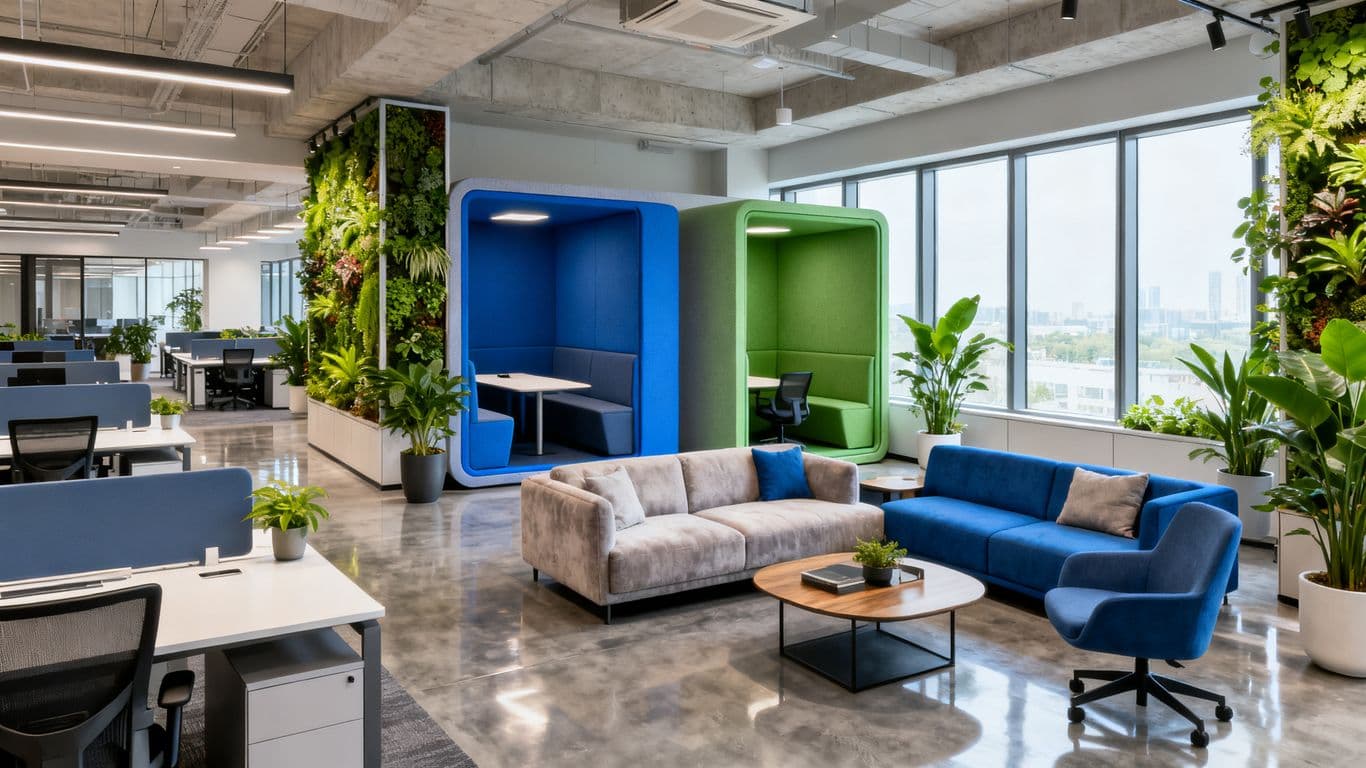
One of the coolest things about shared spaces is how they’ve evolved to meet different work styles. Whether you prefer an open-plan area buzzing with energy or a quiet corner for focused tasks, there’s something for everyone. Many coworking spaces now offer a mix of private offices, communal areas, and even specialized zones like podcast studios or wellness rooms. This adaptability makes them a perfect fit for startups, remote teams, and even well-established businesses looking for flexibility.
- Open areas for brainstorming and collaboration
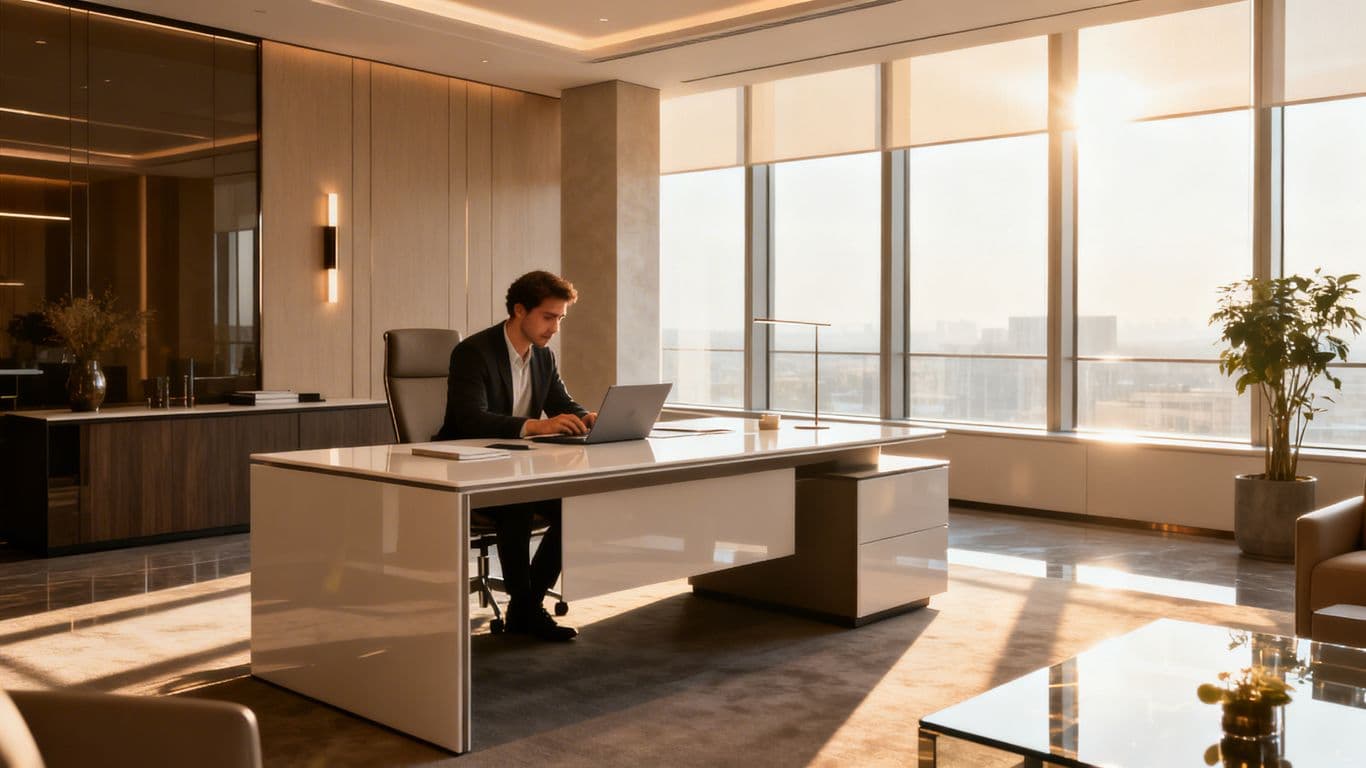
- Private rooms for meetings or deep work
- Amenities like gyms, cafes, and event spaces
The Role of Technology in Transforming Shared Workspaces
Technology has been a game-changer for coworking spaces. From smart booking systems to apps that let you adjust room settings with a tap, these innovations make shared spaces more convenient and efficient. High-speed internet, cloud-based tools, and seamless connectivity are now standard features. Some spaces even integrate IoT devices to optimize lighting, temperature, and energy use.
The blend of tech and community-focused design is what sets modern coworking spaces apart, making them more than just places to work—they’re ecosystems for growth.
For example, meeting spaces equipped with cutting-edge tools promote creativity and productivity, ensuring teams can collaborate effectively in real-time.
Key Benefits of Embracing Shared Space
Fostering Collaboration and Networking
Shared spaces are like melting pots for ideas. You’re surrounded by a mix of professionals from different industries, which means collaboration can happen naturally. Whether it’s chatting over coffee or working on a project together, these spaces make it easy to connect. You’re not just renting a desk; you’re stepping into a community.
- Casual meetups can spark new partnerships.
- Events and workshops offer opportunities to learn and connect.
- Working alongside diverse professionals broadens perspectives.
Cost-Effectiveness for Startups and Small Businesses
For startups and small teams, traditional office leases can be a huge financial drain. Shared spaces, on the other hand, let you pay only for what you use. Need more room during a busy season? No problem. Want to scale back? Easy. This flexibility is perfect for businesses that are still finding their footing.
| Feature | Traditional Office | Shared Space |
|---|---|---|
| Upfront Costs | High | Low |
| Long-term Commitment | Yes | No |
| Flexibility | Limited | High |
Enhancing Work-Life Balance Through Flexibility
Shared spaces aren’t just about work—they’re about creating balance. Many offer amenities like gyms, relaxation areas, and even wellness programs. These features let you recharge without leaving the building. Plus, the ability to choose when and where you work adds a layer of freedom that’s hard to beat.
Shared office spaces enhance work-life balance by creating dynamic and engaging environments. They promote collaboration and productivity, allowing employees to thrive in a community-focused setting.
Designing Shared Spaces for Productivity
Open Floor Plans vs. Private Offices
When it comes to layout, coworking spaces often strike a balance between open floor plans and private offices. Open layouts are great for fostering interaction and collaboration, but they can sometimes be noisy or distracting. On the other hand, private offices provide a quiet space for focused work but might limit spontaneous connections. The best coworking spaces offer a mix of both, allowing people to choose what works best for them on any given day.
Incorporating Wellness and Relaxation Areas
Adding wellness areas isn't just trendy; it's practical. Spaces like meditation rooms, nap pods, or even simple lounges can help workers recharge. For example, a coworking space might include a small garden area or yoga classes to help members unwind. These features aren't just "extras"—they can directly improve focus and reduce stress, making people more productive in the long run.
Leveraging Smart Technology for Efficiency
Tech plays a big role in modern workspaces. From booking meeting rooms with an app to using smart lighting that adjusts to natural light, technology makes shared spaces more functional. Some coworking spaces even offer advanced features like voice-activated assistants or automated coffee machines. These innovations save time and make the workday smoother. For more tips on maximizing productivity in coworking spaces, check out this blog.
Community Building in Shared Work Environments
Hosting Events to Encourage Interaction
Shared workspaces thrive on interaction. Regular events, like workshops, networking nights, or even casual coffee meetups, create opportunities for people to connect. These events aren’t just about exchanging business cards; they’re about forming genuine relationships. In these settings, collaboration often happens naturally. Someone you meet at a workshop might become your next business partner, or at the very least, someone to bounce ideas off of.
Creating a Sense of Belonging Among Members
Feeling like you belong is huge in coworking spaces. It’s not just about having a desk; it’s about being part of a community. Spaces that focus on inclusivity and shared goals make people feel welcome. This sense of belonging often leads to better morale and even productivity. Members often share successes, help each other through challenges, and celebrate milestones together. It’s a support system that goes beyond work.
The Impact of Shared Goals on Collaboration
When people in a shared space have overlapping goals, magic happens. Whether it’s a group of freelancers sharing tips or startups teaming up on projects, shared goals drive collaboration. It’s about finding common ground. For example, a tech startup might pair up with a marketing consultant from the same space to launch a new product. These partnerships don’t just benefit the individuals—they often uplift the entire community.
Shared Space as a Catalyst for Innovation
Cross-Industry Collaboration Opportunities
Shared workspaces bring together people from different industries, creating a unique environment where ideas can cross-pollinate. Imagine an architect brainstorming with a tech developer or a writer collaborating with a graphic designer. These unexpected partnerships often lead to fresh perspectives and groundbreaking solutions. This diversity of thought is what makes shared spaces so powerful for innovation.
Here’s how shared spaces encourage cross-industry collaboration:
- Hosting regular networking events that mix professionals from various sectors.
- Providing open areas where casual conversations can spark big ideas.
- Offering workshops that focus on multidisciplinary problem-solving.
Encouraging Creative Problem-Solving
When you’re surrounded by creative minds, it’s hard not to get inspired. Shared spaces often have an energy that pushes people to think outside the box. Whether it’s through brainstorming sessions, feedback from peers, or even just observing how others approach challenges, these environments are designed to fuel creativity.
- Flexible seating arrangements let teams move around and think differently.
- Access to shared tools and technology means fewer limitations on what you can create.
- The community vibe encourages open discussions, where no idea is too wild to explore.
In shared spaces, creativity isn’t just encouraged—it’s contagious. The mix of people, tools, and energy creates a vibe where innovation feels natural.
The Role of Diversity in Driving Innovation
Diversity isn’t just a buzzword; it’s a game-changer. In shared spaces, you’re not just working with people who think like you. You’re interacting with folks from different cultures, industries, and experiences. This melting pot of perspectives can lead to solutions that are more inclusive and effective.
A quick look at the benefits diversity brings to innovation:
| Benefit | How It Helps |
|---|---|
| Fresh Perspectives | New ways of thinking about problems. |
| Inclusive Solutions | Ideas that work for more people. |
| Enhanced Creativity | Combining different viewpoints. |
Shared spaces thrive on this diversity, making them a breeding ground for ideas that might never emerge in a more homogenous setting.
Corporate coworking spaces are an excellent example of how these environments enhance creativity and innovation, showing how collaboration across industries can lead to groundbreaking results.
Navigating Challenges in Shared Space Management
Ensuring Equal Access to Resources
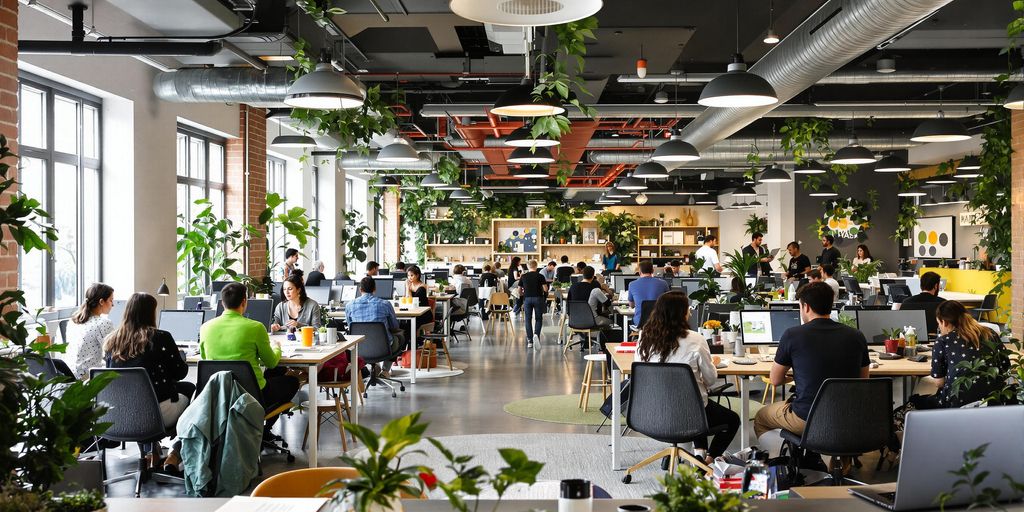
Shared spaces thrive on the idea of communal resources—desks, meeting rooms, and even coffee machines. But let’s be real, it’s not always smooth sailing. Making sure everyone gets fair access can feel like juggling knives. If one team hogs the best conference room for hours, it can frustrate others. To fix this, many coworking spaces rely on booking systems. These tools let members reserve resources ahead of time, ensuring no one gets left out. Another tip? Clear rules. When everyone knows the boundaries, things usually run smoother.
Balancing Privacy and Collaboration
Ah, the eternal struggle: how do you create a space where people can collaborate but still have a bit of privacy? Open layouts are great for teamwork, but they can also be noisy and distracting. On the flip side, too many private rooms can make the place feel like a maze. Some coworking spaces are getting creative with soundproof pods or movable walls. They’re trying to hit that sweet spot where you can brainstorm with your team one minute and focus solo the next.
Adapting to Remote and Hybrid Work Models
The rise of remote work has shaken things up, and coworking spaces are no exception. Hybrid work—where some people come in while others stay home—adds another layer of complexity. How do you make sure remote workers still feel connected? Some spaces are adding tech like video conferencing setups or virtual coworking memberships. Others are rethinking their layouts to include more flexible seating or hot desks. It’s all about rolling with the punches and staying flexible as work trends keep changing.
Shared spaces are evolving fast, and the ones that adapt to these challenges will stay ahead of the game.
The Future of Shared Space in a Changing Workforce
Trends Shaping the Next Generation of Workspaces
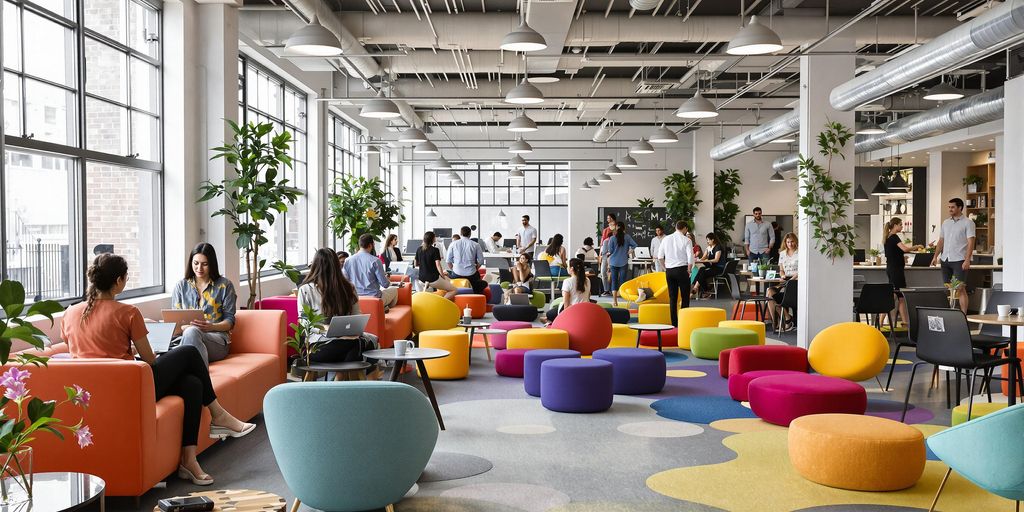
The future of shared spaces is all about flexibility and adaptability. With hybrid work models becoming the norm, people want workspaces that are as dynamic as their schedules. Gone are the days of rigid office setups; now, it's about spaces that can transform to meet the needs of individuals and teams alike. Expect to see more pay-as-you-go options and modular designs that allow for quick changes in layout.
Key trends include:
- Flexible membership plans catering to freelancers, startups, and corporations.
- Spaces designed for hybrid work, with seamless integration of on-site and remote collaboration tools.
- Niche coworking spaces tailored to specific industries, like tech, arts, or wellness.
Sustainability in Shared Space Design
Sustainability isn’t just a buzzword; it’s shaping how shared spaces are built and operated. From energy-efficient lighting to eco-friendly materials, these spaces are prioritizing the environment. Some are even incorporating features like green roofs and solar panels. This shift not only helps the planet but also attracts companies looking to align with green initiatives.
| Sustainability Features | Benefits |
|---|---|
| Solar panels | Reduces energy costs |
| Recycled building materials | Lowers environmental impact |
| Smart energy management | Optimizes electricity usage |
| Green walls and natural light | Boosts employee well-being |
The shared spaces of tomorrow aim to balance productivity with environmental responsibility, creating a win-win for workers and the planet.
The Integration of AI and Automation
Artificial intelligence and automation are taking shared spaces to the next level. Imagine walking into a workspace where your favorite desk is already reserved, the lighting adjusts to your preference, and your coffee order is ready—all thanks to AI. These innovations make workspaces more intuitive and user-friendly.
Some examples of AI-driven features include:
- Smart room booking systems.
- Personalized climate control based on user preferences.
- Advanced security systems with facial recognition.
Shared spaces are evolving fast, blending technology, sustainability, and flexibility to meet the demands of a changing workforce. It’s an exciting time for anyone looking to rethink how and where they work.
Wrapping It Up
Coworking spaces have truly changed the way we think about work. They’re not just about having a desk or a meeting room—they’re about community, flexibility, and finding a balance that works for you. Whether you’re a freelancer, a startup founder, or part of a larger team, these spaces offer something unique. They bring people together, spark ideas, and make work feel a little less like, well, work. So, if you’re looking for a place that’s more than just an office, coworking might just be the answer. Give it a shot—you might be surprised at how much it can change your workday.
Frequently Asked Questions
What exactly is a coworking space?
A coworking space is a shared office environment where individuals, freelancers, and businesses can work together. These spaces often include desks, meeting rooms, and other amenities, providing a flexible and collaborative atmosphere.
Who benefits the most from coworking spaces?
Coworking spaces are great for freelancers, remote workers, startups, and even larger companies looking for flexible work options. They offer opportunities for networking, collaboration, and cost savings.
How do coworking spaces encourage networking?
Coworking spaces host events, workshops, and social gatherings to bring people together. The open layout also makes it easier to meet and collaborate with professionals from various industries.
Are coworking spaces cost-effective?
Yes, coworking spaces are often more affordable than traditional office leases. They provide access to professional amenities and services without the high costs of setting up and maintaining a private office.
Can coworking spaces support remote and hybrid work models?
Absolutely! Many coworking spaces are designed to meet the needs of remote and hybrid workers. They offer flexible memberships, high-speed internet, and private areas for virtual meetings.
What amenities can I expect in a coworking space?
Coworking spaces typically offer high-speed internet, meeting rooms, communal areas, and sometimes even perks like gyms, cafes, and wellness programs. These amenities aim to create a productive and enjoyable work environment.
Filed under
The Moveandstay editorial team writes about serviced living, workspaces, and city guides across Asia-Pacific.