Expat Life in Hong Kong: The Good, Bad, and Surprising
For the full guide, see Moving to Hong Kong? Don’t Miss These 10 Essential Tips.
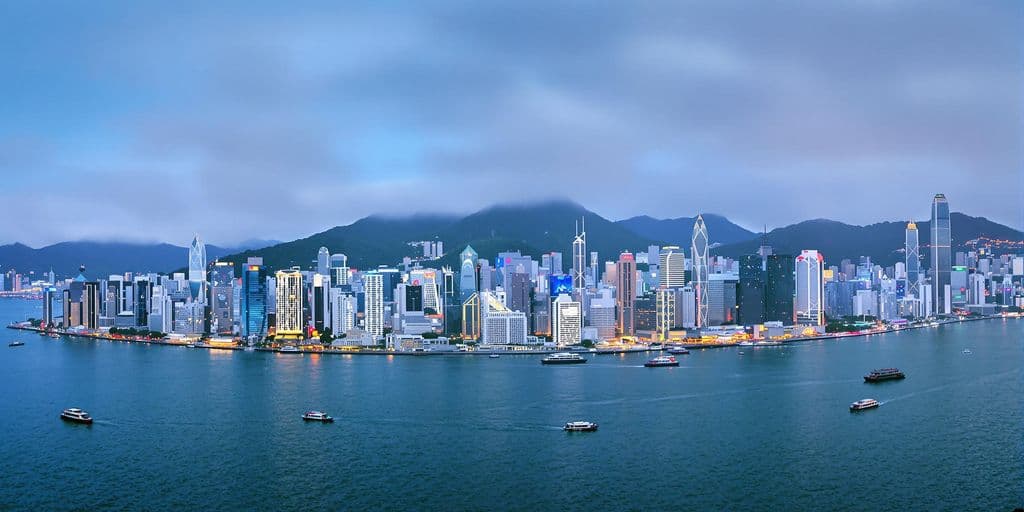
So, what's it really like living in Hong Kong as an expat? It's a question I get asked a lot, especially back home in the UK. Instead of just shrugging and saying 'It's alright, I guess,' I figured it's time to properly explain the whole experience. Hong Kong is a bit of a crazy, amazing place, a 'vertical jungle' as some call it, and life here is definitely a mix of good bits, tricky bits, and some truly surprising moments.
Key Takeaways
- Getting around Hong Kong is pretty easy because English is used everywhere for official stuff, like signs and announcements. This makes settling in a lot simpler, even if you don't speak Cantonese or Mandarin.
- Hong Kong might seem like just a city, but there's loads of countryside to explore if you go beyond the main urban areas. It's not all skyscrapers and bright lights.
- The cost of living in Hong Kong is surprisingly decent compared to other big global cities, which is a nice bonus for expats.
- Hong Kong has a really low crime rate, so you generally feel safe walking around, even at night. That's a big plus.
- The expat community here is quite close-knit, and you'll probably end up knowing lots of people through others. You might even bump into someone from your hometown, which is always a bit of a shock!
Navigating Life in Hong Kong
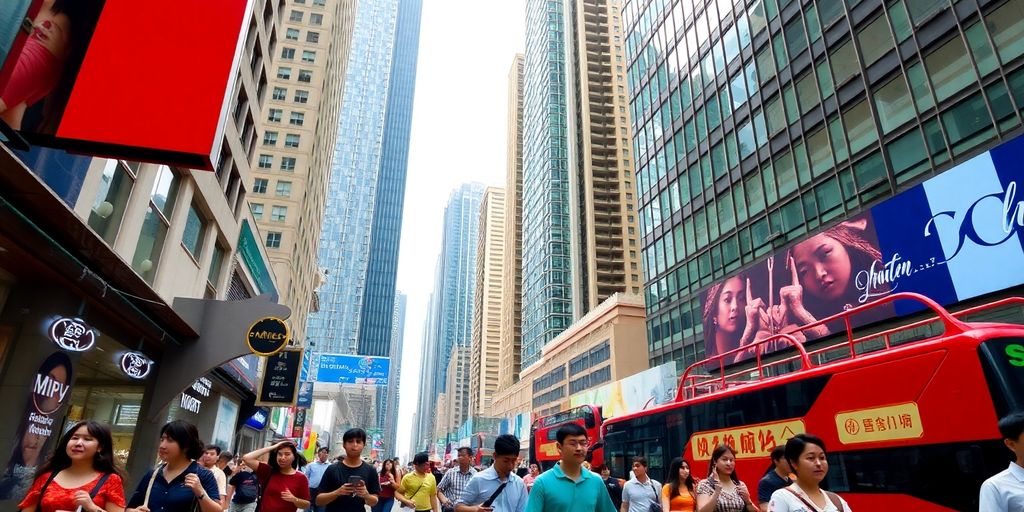
Hong Kong can feel like a whirlwind when you first arrive. It's a city that moves fast, and getting to grips with the basics is key to settling in. From understanding the language situation to figuring out the transport system, there's a lot to take in. But don't worry, it's all manageable, and before you know it, you'll be navigating the city like a pro.
Language and Communication
While Cantonese is the main language, English is widely spoken, especially in business and tourist areas. You'll find that most signs and public transport announcements are in both English and Chinese, which makes getting around much easier. However, learning a few basic Cantonese phrases can go a long way with locals and show that you're making an effort to integrate. It's also worth noting that Mandarin is becoming increasingly common, so knowing a bit of that could be useful too.
Public Transport Efficiency
Hong Kong's public transport system is one of the best in the world. It's efficient, reliable, and relatively affordable. The MTR (Mass Transit Railway) is the backbone of the system, connecting most parts of the city. Buses and trams are also readily available, and the iconic Star Ferry offers a scenic way to cross Victoria Harbour. Octopus cards are essential; they can be used on almost all forms of public transport and even in some shops. Here's a quick rundown:
- MTR: Fast and frequent.
- Buses: Extensive network, covering even remote areas.
- Trams: A charming way to see the city, mainly on Hong Kong Island.
- Ferries: Connect Hong Kong Island with Kowloon and the outlying islands.
Getting an Octopus card is a must. It simplifies paying for transport and small purchases, saving you time and hassle. Top it up regularly, and you're good to go.
The Job Market for Expats
Hong Kong's job market is competitive, but there are opportunities for expats, particularly in finance, technology, and education. Networking is key, so attend industry events and connect with people in your field. Make sure your CV is tailored to the Hong Kong market, highlighting your relevant skills and experience. Understanding the local business culture is also important; things move quickly, and building relationships is valued. Researching apartment rentals is also a good idea, as it can impact your job search.
Beyond the Urban Jungle
Discovering the Countryside
It's easy to think of Hong Kong as just a concrete jungle, all skyscrapers and crowded streets. But venture beyond the city limits, and you'll find a surprising amount of green space. The New Territories, in particular, are a haven for hikers and nature lovers.
- Explore the hiking trails in Sai Kung Country Park.
- Visit the Hong Kong Wetland Park to see local wildlife.
- Take a ferry to one of the outlying islands for a relaxing day trip.
Don't underestimate the power of a good hike to clear your head after a hectic week in the city. The contrast between the urban and rural landscapes is one of Hong Kong's most appealing features.
The Beauty of Hong Kong's Views
Hong Kong is blessed with some truly stunning views. Whether you're looking out over the harbour, across the mountains, or down on the city lights, there's always something to take your breath away. The Dragon's Back is a popular spot for a reason, offering incredible coastal scenery.
- Victoria Peak: The classic viewpoint, offering panoramic views of Hong Kong Island, Kowloon, and the harbour.
- Lion Rock: A challenging hike with rewarding views over Kowloon.
- Rooftop bars: Enjoy a cocktail with a view at one of Hong Kong's many rooftop bars.
Cost of Living Considerations
While Hong Kong is known for being expensive, it's possible to manage your budget if you're smart about it. Housing is definitely the biggest expense, but there are ways to save money on other things. Understanding the local housing problems is key to finding affordable accommodation.
- Eating out: Can be expensive, but there are plenty of affordable local eateries.
- Transport: Public transport is efficient and relatively cheap.
- Entertainment: Free activities like hiking and exploring the parks are a great way to save money.
| Item | Average Cost (HKD) | Notes |
|---|---|---|
| Rent (1-bed) | 15,000 - 25,000 | Varies greatly depending on location and size. |
| Utilities | 500 - 1,000 | Includes electricity, water, and gas. |
| Groceries | 3,000 - 5,000 | Depends on your diet and where you shop. |
| Transport | 500 - 800 | Using an Octopus card makes travel cheaper. |
Cultural Nuances and Adjustments
Developing an International Accent
Okay, so you might not actually develop a full-blown international accent, but you'll definitely start picking up phrases and speech patterns from all over the globe. Hong Kong is such a melting pot, and you'll be chatting with people from everywhere. You might find yourself saying 'cheers' instead of 'thanks' after hanging out with some Brits, or throwing in a 'no worries' after a conversation with an Aussie. It's all part of the fun, and it's a sign you're integrating into the culture!
Understanding Queuing Etiquette
Queuing in Hong Kong is... an experience. It's not always as orderly as you might expect. There's a certain art to it, a subtle dance of figuring out where the queue actually starts and who's trying to cut in line. The key is to be assertive but polite. Don't be afraid to stand your ground, but also don't be a complete jerk about it. You'll get the hang of it eventually. Just watch the locals and learn from the masters.
The Competitive Education System
The education system in Hong Kong is notoriously competitive. From a young age, kids are under a lot of pressure to perform well academically. This can be a shock, especially if you're coming from a more relaxed educational environment. If you have kids, you'll need to be prepared to navigate this system, which might involve:
- Choosing the right school (international or local).
- Dealing with tutoring and extracurricular activities.
- Supporting your child through a demanding curriculum.
It's important to remember that every child is different, and what works for one family might not work for another. Do your research, talk to other parents, and find what's best for your own situation. Don't get too caught up in the hype and pressure.
It's a wild ride, but you'll get through it. And hey, at least you'll have plenty of expat friends to commiserate with over coffee (or a pint!).
Hong Kong's Climate and Environment
Summer Heat and Air Conditioning
Hong Kong summers are intense. Think scorching heat, relentless humidity, and that sticky feeling that never quite goes away. The saving grace? Air conditioning is cranked up everywhere, all the time. You'll find yourself shivering indoors while sweating buckets the moment you step outside. It's a constant battle of extremes. I remember one summer, I swear I developed a permanent chill just from being in the office. It's worth investing in a good cardigan, even for summer!
The Impact of Smog
Smog can be a real issue, especially on still days. While Hong Kong has made efforts to improve air quality, pollution from the mainland and local traffic can still lead to hazy skies and reduced visibility. You might find yourself checking the air quality index for health more often than you'd like. It's not always terrible, but it's definitely something to be aware of, especially if you have respiratory issues. On bad days, it's best to stay indoors and avoid strenuous activity.
Typhoon Season Anticipation
Typhoon season, which generally runs from May to November, is a unique experience. The city grinds to a halt when a typhoon signal is raised. Schools and businesses close, and everyone hunkers down to wait it out. The Hong Kong Observatory provides warnings, and people actually hope for a T8 signal (the level that triggers closures) for a day off work. It's a strange mix of excitement and apprehension. I've seen some pretty wild weather during typhoons, but honestly, most of the time, it's just a lot of rain and wind. Still, it's best to be prepared.
During typhoon season, it's wise to stock up on essentials like water, non-perishable food, and batteries. Also, make sure your windows are properly sealed and that you have a plan in case of flooding or power outages. It's all about being prepared for the worst, even if it doesn't happen.
Here's a quick guide to typhoon signals:
| Signal | Meaning |
|---|---|
| T1 | Standby signal |
| T3 | Strong wind signal |
| T8 | Gale or storm signal (closures triggered) |
| T9 | Increasing gale or storm signal |
| T10 | Hurricane signal |
The Social Scene and Nightlife
Ladies' Nights and Marketing Ploys
Ladies' Nights in Hong Kong are a thing. You'll quickly realise that many bars use them as a way to pull in the crowds, offering free or heavily discounted drinks for women on certain nights. It's a bit of a double-edged sword. On one hand, free drinks! On the other, it can feel a bit… well, a bit like you're being used. It's definitely a marketing ploy, and you'll have to decide how you feel about it. Some expats love them, some hate them, and some just take advantage of the free booze while rolling their eyes.
Finding Happy Hour Deals
Happy hour is your friend. Hong Kong can be an expensive city, and that definitely extends to going out. Finding the best Hong Kong Happy Hour deals becomes a bit of a sport. You'll soon learn which bars offer the best discounts, and on which days. It's worth doing your research, as it can save you a small fortune. Some places offer two-for-one deals, others have discounted prices on specific drinks.
Here's a quick rundown of typical happy hour spots:
- Lan Kwai Fong: Touristy, but always a good starting point.
- Wan Chai: More of a local vibe, with some hidden gems.
- Soho: Trendy and a bit pricier, but worth checking out.
Street Socialising with Fellow Expats
One of the most surprising – and enjoyable – aspects of Hong Kong nightlife is the street scene. Because space is at a premium, and drinks can be expensive, it's common to see people buying beers from 7-Eleven and drinking them on the street. This is especially true in areas like Lan Kwai Fong and Wan Chai. It's a great way to meet people, especially other expats. You'll find yourself chatting to strangers, sharing stories, and making new friends. It's a very informal and relaxed atmosphere, and it's a big part of the Hong Kong experience. You might even find yourself swapping tips on top bars with your new friends.
It's not unusual to see groups of people gathered on street corners, laughing, drinking, and generally having a good time. It's a very social and inclusive environment, and it's one of the things that makes Hong Kong nightlife so unique.
Safety and Community
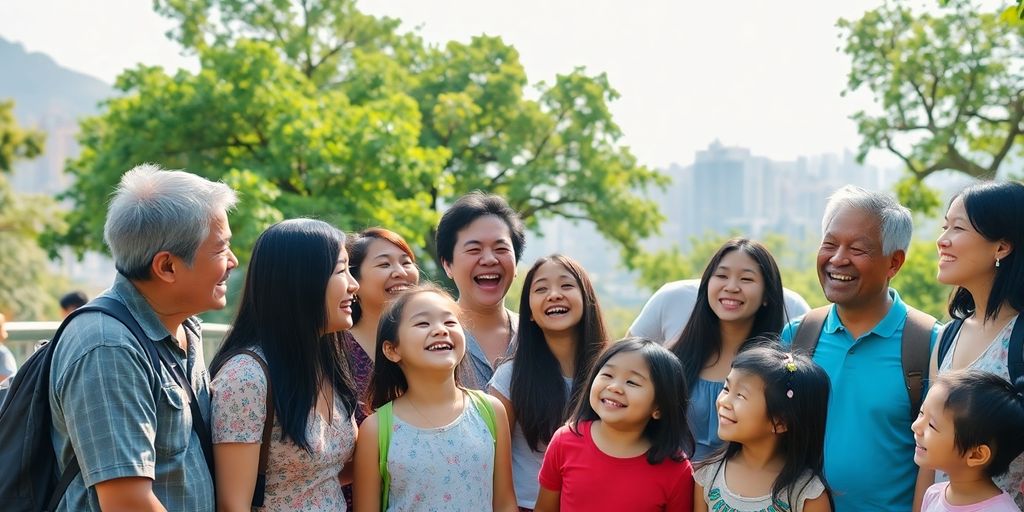
Low Crime Rates
Hong Kong generally boasts very low crime rates, which is a massive plus for expats. Walking alone at night is usually safe, something you can't always say about other major cities. Of course, common sense still applies – be aware of your surroundings and take precautions, but overall, you can feel pretty secure here. Pickpocketing can occur in crowded areas, so keep an eye on your belongings. It's reassuring to know that serious crime is rare.
The Expat Community Network
One of the best things about being an expat in Hong Kong is the instant community you gain. There are loads of groups and events catering to expats, making it easy to meet people and build a social life. These networks can be invaluable for settling in, finding advice, and making friends. It's a great way to ease the transition and feel less isolated. You'll find groups based on nationality, interests, and even profession. The expat community network is very active.
Here are some ways to connect:
- Online forums and social media groups
- Expat-focused events and meetups
- Networking events for professionals
Moving to a new country can be daunting, but the strong expat community in Hong Kong makes it much easier. People are generally very welcoming and willing to help newcomers. Don't be afraid to reach out and get involved – it's the best way to make the most of your experience.
Unexpected Hometown Connections
It's a funny thing, but you'll often find that Hong Kong feels both incredibly big and surprisingly small. You might be thousands of miles from home, but you're bound to bump into someone who knows someone you know, or even someone from your tiny hometown. These hometown connections can be a real comfort, especially when you're feeling homesick. It's a reminder that the world is more connected than you think.
Everyday Realities of Expat Life
Housing and Accommodation
Finding a place to live in Hong Kong can be a real eye-opener. Space is at a premium, so be prepared for smaller living quarters than you might be used to. It's not uncommon to find flats that are surprisingly compact, and you'll quickly learn to appreciate clever storage solutions. The rental market moves fast, so it's important to be ready to make decisions quickly. Estate agents are pretty much essential, and they usually take a percentage of the first month's rent as their fee. Be prepared to pay a hefty deposit, too – usually two months' rent, plus the first month upfront.
Encountering Local Wildlife
Hong Kong isn't just a concrete jungle; it's also home to a surprising amount of wildlife. While you might expect the occasional stray cat or dog, you might be surprised to find wild boars roaming around, especially near the hiking trails. Snakes are also fairly common, though usually harmless. Cockroaches are a fact of life, particularly in the warmer months, and you'll quickly become accustomed to seeing geckos scuttling across your walls. It's all part of the experience!
The Role of Domestic Helpers
One of the most common aspects of expat life in Hong Kong is the prevalence of domestic helpers, often referred to as 'helpers' or 'maids'. Many families employ a helper to assist with household chores, childcare, and cooking. It's a mutually beneficial arrangement for many, allowing expats to manage their busy lives while providing employment opportunities. However, it's important to understand the legal requirements and ethical considerations involved in employing a domestic helper, including providing fair wages, adequate living conditions, and respecting their rights. It's a big responsibility, but it can also be a very rewarding experience. You can find more information about expat life in Hong Kong online.
It's worth noting that employing a domestic helper is a significant financial commitment, and it's essential to budget accordingly. You'll need to factor in their salary, food allowance, medical insurance, and other expenses. It's also important to provide them with regular days off and respect their privacy.
Here are some things to consider when hiring a domestic helper:
- Check their references carefully.
- Ensure you have a clear employment contract.
- Treat them with respect and dignity.
- Provide them with adequate training and support.
Conclusion
So, that's Hong Kong for you. It's a place that really gets under your skin, in a good way. You'll find things you love, things that drive you a bit mad, and plenty of surprises along the way. It's not always easy, but it's definitely an experience. If you're thinking about moving here, just be ready for a ride. It's a city that keeps you on your toes, and that's part of its charm, I guess.
Frequently Asked Questions
What's it truly like to live in Hong Kong?
Hong Kong is a lively and complex city. It's known for its tall buildings and busy streets, but it also has peaceful countryside areas. You'll find a mix of old traditions and new ideas. Many people from other countries live and work here, adding to its unique feel.
Is Hong Kong just skyscrapers and bright lights?
No, not at all! While Hong Kong is famous for its impressive skyline and bright neon signs, a large part of the area is actually beautiful countryside. You can explore hiking trails, quiet beaches, and green parks, offering a nice break from city life.
What's the food like in Hong Kong?
Hong Kong's food scene is amazing! You'll find everything from tasty street food to fancy restaurants. Local dishes are a must-try, and there are many international food options too. Be ready for new flavours and exciting culinary experiences.
How's the weather in Hong Kong?
Hong Kong has a subtropical climate. Summers are hot and humid, often with typhoons, but most places have air conditioning. Winters are milder and more pleasant. It's good to be prepared for both the heat and the occasional heavy rain.
What's the nightlife like in Hong Kong?
Hong Kong has a very active nightlife. There are many bars, clubs, and places to socialise, especially in areas like Lan Kwai Fong and SoHo. You'll often find special deals like 'Ladies' Nights' and happy hour offers, making it easy to enjoy evenings out.
Is Hong Kong a safe place to live?
Hong Kong is known for being very safe, with low crime rates. You'll generally feel secure walking around, even at night. The expat community is quite close-knit, and you'll often meet people from all over the world, sometimes even from your own hometown!
The Moveandstay editorial team writes about serviced living, workspaces, and city guides across Asia-Pacific.