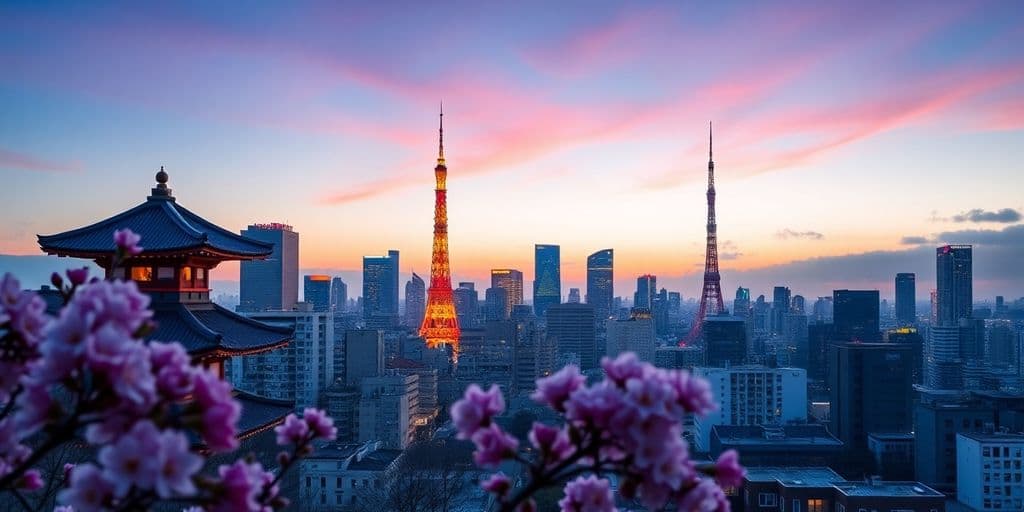
Tokyo is a bustling metropolis that attracts many expats from around the world. With its unique blend of tradition and modernity, living in this vibrant city can be both exciting and challenging. If you're considering a move to Tokyo, or just curious about life here, this expat guide in Tokyo will help you navigate the essentials, from the cost of living to cultural adaptation.
Key Takeaways
- Tokyo is known for its high cost of living, with average rent around 80,000 yen (~$545 USD).
- Popular job options for expats include teaching English and working in IT or engineering.
- Finding accommodation can be tricky; Shinjuku and Shibuya are among the best areas for expats.
- Learning some Japanese can greatly enhance your experience and help you integrate.
- Public transport is efficient, but many prefer biking or walking to explore the city.
Understanding The Cost Of Living
Okay, let's get real about the money side of things. Moving to a new country is exciting, but it's also crucial to understand how much it's going to set you back. Tokyo, while amazing, can be a bit of a shock to the wallet if you're not prepared. So, let's break down the key expenses you'll face as an expat.
Average Rent Prices
Rent is probably going to be your biggest expense, no surprises there. The closer you are to the city centre, the higher the rent will be. But don't freak out just yet! While Tokyo is known for being pricey, it's still possible to find affordable options if you're willing to compromise on space or location. Averages can be misleading, so let's look at a rough guide:
- Central Tokyo (Shibuya, Shinjuku): Expect to pay upwards of ¥150,000 per month for a small apartment.
- Slightly Outskirts (e.g., Setagaya): You might find something for around ¥100,000 - ¥130,000.
- Further Out (e.g., Saitama, Chiba): Prices can drop to ¥70,000 - ¥100,000, but factor in longer commute times.
Keep in mind that many landlords also require key money (reikin), which is a non-refundable gift, and a deposit (shikikin). These can add up to several months' rent upfront, so budget accordingly. You might want to consider a studio apartment rental to start.
Daily Expenses
Beyond rent, you've got to think about your day-to-day spending. This includes things like food, transportation, utilities, and entertainment. Here's a quick rundown:
- Food: Eating out can be expensive, but there are plenty of affordable options like ramen shops and convenience store meals. Budget around ¥30,000 - ¥50,000 per month, depending on your eating habits.
- Transportation: Tokyo's public transport is excellent, but it can add up. A monthly pass can cost around ¥10,000 - ¥15,000. Consider getting a Suica or Pasmo card for easy travel.
- Utilities: Expect to pay around ¥15,000 - ¥25,000 per month for electricity, gas, and water, depending on the season and your usage.
- Internet/Mobile: A decent internet plan will cost around ¥4,000 - ¥6,000 per month. Mobile plans vary, but you can find affordable SIM cards for around ¥3,000 per month.
Budgeting Tips
Okay, so how do you make it all work? Here are a few tips to help you keep your expenses in check:
- Cook at Home: Eating out every day will quickly drain your bank account. Try to cook at home as much as possible. Supermarkets offer a good range of ingredients, and you can find some great deals if you shop smart.
- Embrace the Bento: Bento boxes (packed lunches) are a staple in Japan. They're a cheap and convenient way to have a healthy meal on the go. Plus, they're fun to make!
- Look for Deals: Keep an eye out for discounts and special offers. Many restaurants offer lunch specials, and supermarkets often have reduced prices on items nearing their expiration date.
Living in Tokyo doesn't have to break the bank. With a bit of planning and some smart choices, you can enjoy everything the city has to offer without emptying your savings. It's all about finding the right balance between enjoying the experience and being mindful of your spending. Consider getting a Capital One Venture Card to earn travel rewards on all expenses.
Navigating The Job Market
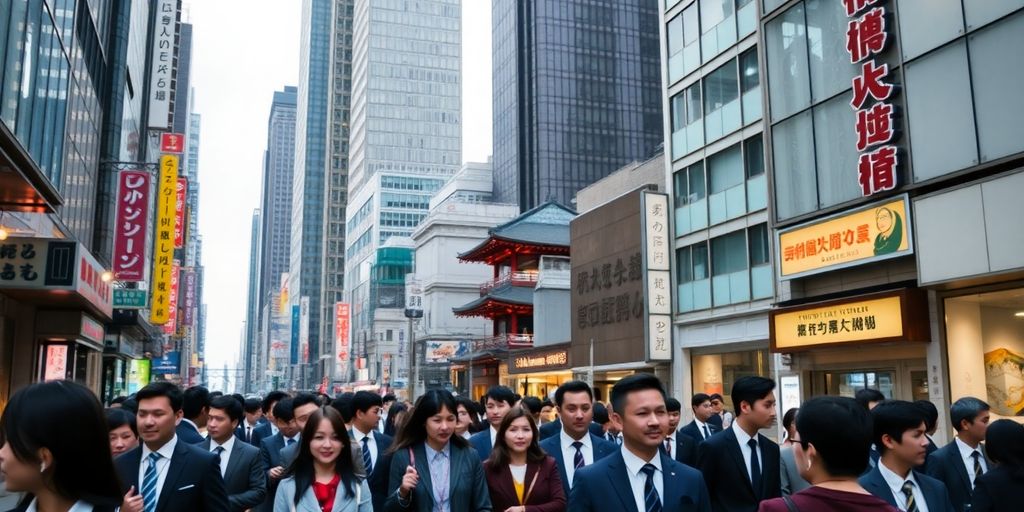
So, you're thinking of working in Tokyo? Ace! It's a vibrant place, but the job market can be a bit of a maze. Let's break it down.
Common Job Opportunities
Tokyo has a pretty diverse job market, but some sectors are particularly popular for expats. Teaching English is always a big one, and there are loads of opportunities if you've got the right qualifications. IT is booming, so if you're in software development, data science, or anything tech-related, you're in luck. Hospitality is another area with openings, especially in hotels and restaurants that cater to international visitors. Finally, don't forget about finance – Tokyo is a major financial hub, so there are jobs in banking, investment, and insurance.
Visa Requirements
Okay, this is the boring but important bit. You can't just rock up and start working; you'll need a visa. The type of visa you need depends on the job you're doing. Generally, you'll need a job offer from a company willing to sponsor you. The company will then help you with the application process. Make sure your qualifications are properly recognised. It can be a pain, but getting your paperwork sorted is essential.
- Check the requirements on the Japanese Immigration Bureau website.
- Start the process well in advance of your planned move.
- Keep copies of all documents.
Networking Strategies
Networking is massive in Tokyo. It's not always what you know, but who you know.
- Attend industry events and meetups.
- Join expat groups – they often have job boards and networking opportunities.
- Use LinkedIn to connect with people in your field.
Don't be afraid to reach out to people for informational interviews. Most people are happy to chat about their experiences and offer advice. Building relationships can open doors you never knew existed. Remember to always follow up with a thank you note after meeting someone.
And if you're looking for construction consulting, there are opportunities available too!
Finding Accommodation
Right, so you're looking for a place to live in Tokyo? It can feel a bit daunting, but honestly, with a bit of planning, it's totally manageable. The key is to understand the different neighbourhoods, the types of housing available, and the rental process itself. Let's break it down.
Best Neighbourhoods For Expats
Choosing the right neighbourhood is massive. It really depends on what you're after. Are you after a lively atmosphere, peace and quiet, or something in between? Some areas are more popular with expats than others, often because they offer more English support or are closer to international schools.
- Azabu/Hiroo: These are super popular, but expect to pay a premium. They're known for their international vibe and great access to amenities.
- Shibuya/Ebisu: If you want to be in the thick of it, these areas are buzzing. Great for nightlife and shopping, but can be a bit noisy.
- Meguro/Setagaya: More residential, offering a quieter lifestyle. Good for families and those who prefer a more relaxed pace. You can find some great expat-friendly apartments here.
Types Of Housing
Tokyo has a range of housing options, from modern apartments to traditional houses. Knowing what's available will help you narrow down your search.
- Apartments (Aparto/Mansion): These are the most common. 'Aparto' tend to be smaller and older, while 'Mansion' are generally newer and have more facilities.
- Share Houses: A good option if you're on a budget or want to meet people. You'll have your own room but share common areas.
- Guesthouses: Similar to share houses, but often with shorter lease terms. Great for short-term stays.
- Traditional Houses (Kominka): These are older, traditional Japanese houses. They can be charming, but might require some renovation and adaptation.
Rental Process Overview
The rental process in Japan can be a bit different from what you're used to. It's good to be prepared.
- Find an Agent: Most people use a real estate agent to find a place. Look for one that speaks English if your Japanese isn't up to scratch.
- View Properties: Arrange viewings of properties that interest you. Take notes and ask questions.
- Application: Once you've found a place, you'll need to fill out an application form. This usually requires proof of income and identification.
- Guarantor: Many landlords require a guarantor, someone who will be responsible for your rent if you can't pay. If you don't have a Japanese friend or family member, you might need to use a guarantor company.
- Contract and Payment: If your application is approved, you'll sign a contract and pay the initial costs, which can include deposit (shikikin), key money (reikin - non-refundable!), first month's rent, and agency fees.
Don't be surprised by the upfront costs. It's common to pay several months' rent in advance. Also, be aware that some landlords might not be keen on renting to foreigners, so be patient and persistent. Having all your documents ready can really speed things up.
Cultural Adaptation And Language
Learning Japanese
Okay, so you're moving to Tokyo. Ace! But let's be real, English won't get you everywhere. While some Japanese people speak English, especially in touristy areas, knowing at least some Japanese will make your life a million times easier. Learning Japanese is considered one of the hardest languages for English speakers to learn, so don't expect to become fluent overnight.
- Start with the basics: hiragana and katakana. These are phonetic alphabets and are way easier than kanji (Chinese characters). There are plenty of apps and websites to help you.
- Consider taking a Japanese class. Many language schools in Tokyo offer courses for expats. It's a great way to learn grammar and practise speaking.
- Don't be afraid to make mistakes! Japanese people are generally very patient and appreciative when you try to speak their language.
I remember when I first arrived, I tried ordering coffee using only English. The barista looked at me like I had three heads. After that, I started learning basic phrases, and things got much smoother. Even just knowing how to say "hello" (konnichiwa) and "thank you" (arigato) makes a big difference.
Cultural Norms
Japanese culture is, well, different. It's not better or worse, just different. Understanding these differences will help you avoid awkward situations and make a good impression.
- Bowing: It's a sign of respect. The deeper the bow, the more respect you're showing. Don't worry too much about getting it perfect, a slight nod is usually fine for casual interactions.
- Shoes off indoors: Always take your shoes off when entering someone's home or a traditional restaurant. Slippers are usually provided.
- Queuing: The Japanese love a good queue. Don't cut in line, even if it looks like there's space.
- Gift-giving: If you're invited to someone's home, it's customary to bring a small gift. Food or sweets are always a good choice.
Japanese workplaces also have their own unique culture, which you’ll need to learn in order to succeed.
Making Local Friends
It's easy to get stuck in an expat bubble, but making local friends will enrich your experience and help you integrate into Japanese society.
- Join a club or society: Find something you're interested in, like hiking, cooking, or photography, and join a local group. It's a great way to meet people who share your interests.
- Volunteer: Volunteering is a good way to give back to the community and meet like-minded people.
- Attend local events: Check out local festivals, markets, and concerts. It's a fun way to experience Japanese culture and meet new people.
| Level of Japanese | Social Interaction <br>Culture shock is a very normal part of moving somewhere new, so don't be surprised if you experience it. It's all part of the adventure! Remember that cultural adaptation strategies can help you navigate these challenges. Just take it one day at a time, and don't be afraid to ask for help when you need it.
Transportation Options
Tokyo's transport system is something else, a real mix of old and new. Getting around can seem daunting at first, but once you get the hang of it, it's actually pretty efficient. I remember my first week here, I got lost so many times, but now I can navigate the subway like a pro (most of the time, anyway!).
Public Transport System
The public transport system in Tokyo is extensive and efficient, comprising trains, subways, and buses. It's how most people get around, and honestly, it's usually the quickest way to travel, especially during rush hour. There are a few different companies running the lines, like JR, Tokyo Metro, and Toei, so it can be a bit confusing figuring out which ticket to buy.
- Trains: These are super punctual, and they go pretty much everywhere. The Yamanote Line is a loop line that's really handy for getting to major areas.
- Subways: These are great for getting around the city centre. They can get crowded, especially during peak times, so be prepared to squeeze in.
- Buses: Buses are useful for getting to places the trains don't reach, but they can be a bit slower due to traffic.
Getting a Suica or Pasmo card is a must. You can load them up with cash and just tap them at the ticket gates. It saves so much time and hassle compared to buying individual tickets every time. Plus, you can use them on buses and even at some vending machines. It's a game changer.
For public transport users, an IC card simplifies travel by allowing users to pay for multiple transport modes seamlessly.
Biking And Walking
Tokyo is surprisingly bike-friendly, and lots of people cycle around. There are dedicated cycle lanes in some areas, but mostly you just share the road with cars and pedestrians. It's a great way to see the city at your own pace, and it's good exercise too. Walking is also a great option, especially in areas like Shibuya and Shinjuku, where there's always something interesting to see. Just be prepared to do a lot of it – Tokyo is a big place!
Driving In Tokyo
Driving in Tokyo? Honestly, I wouldn't recommend it unless you absolutely have to. The traffic can be a nightmare, parking is expensive and hard to find, and the roads can be confusing. Plus, you need an international driving permit or a Japanese driving licence. If you're only here for a short time, it's probably not worth the hassle. Stick to the trains and subways – you'll be much happier.
Healthcare And Insurance
Accessing Healthcare Services
Okay, so you've landed in Tokyo. What happens if you get sick? The Japanese healthcare system is generally excellent, but it can be a bit tricky to navigate at first. Most doctors and hospitals will expect you to have some form of health insurance.
- First, find a clinic or hospital. Many places, especially in larger cities, will have English-speaking staff. A quick online search for "English-speaking doctor Tokyo" should give you a good start.
- When you arrive, you'll need to fill out a form. If you don't read Japanese, ask for assistance. Most places are used to dealing with foreigners.
- Bring your residence card (在留カード) and your health insurance card. You'll need both to prove your residency and insurance coverage.
- Be prepared to pay a co-payment. The amount depends on your insurance plan and the type of treatment you receive.
It's a good idea to carry a phrasebook or translation app with you, just in case. Even if the doctor speaks English, other staff might not, and it can be helpful for understanding instructions or asking basic questions.
Health Insurance Options
Right, let's talk insurance. As an expat, you've got a few options. The most common are the National Health Insurance (NHI) and private health insurance. NHI is mandatory if you plan to stay in Japan for longer than three months and don't have employer-sponsored insurance. It covers about 70% of your medical costs. You can find top insurance providers that offer plans tailored for expats.
- National Health Insurance (NHI): This is a public health insurance system. You'll need to enrol at your local municipal office. Premiums are based on your income from the previous year.
- Employer-Sponsored Insurance (健康保険): If you're employed full-time, your company will usually enrol you in their health insurance plan. This is generally more comprehensive than NHI.
- Private Health Insurance: This is an option if you want more comprehensive coverage or access to specific hospitals or doctors. It can also cover the 30% of costs not covered by NHI.
Here's a quick comparison:
| Feature | National Health Insurance (NHI) | Employer-Sponsored Insurance | Private Health Insurance |
|---|---|---|---|
| Coverage | 70% | Varies | Varies |
| Cost | Income-based | Varies | Varies |
| Enrollment | Self | Employer | Self |
| Choice of Doctors | Limited | Limited | More Choice |
Emergency Services
Hopefully, you won't need this, but it's good to know. In case of a medical emergency, dial 119. This will connect you to the fire department, which also handles ambulance services. Tell them your location and the nature of the emergency. If you don't speak Japanese, try to find someone who can translate. Ambulances are free, but hospital treatment isn't.
- The emergency number is 119.
- Try to provide clear and concise information about your location and the emergency.
- If possible, have someone who speaks Japanese make the call.
- Be aware that hospitals may require upfront payment or proof of insurance before providing treatment. Make sure you have international health insurance to cover these costs.
Social Life And Community
Expat Groups And Events
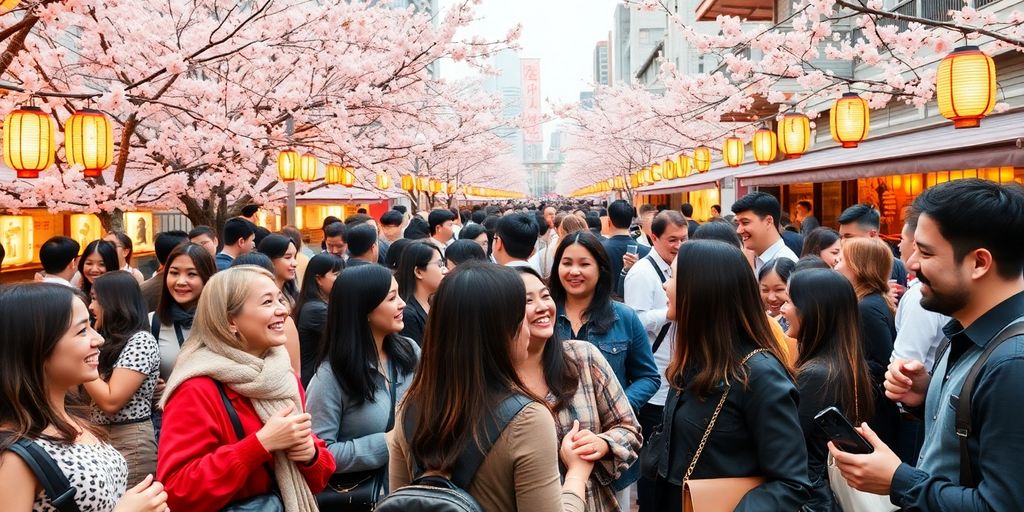
So, you've made it to Tokyo! Settling in can be a bit daunting, especially when you're trying to build a social circle. Luckily, Tokyo has a vibrant expat community, and there are loads of groups and events catering to international residents. These groups are a fantastic way to meet people, share experiences, and find support.
- Check out online forums and social media groups specifically for expats in Tokyo. These are great for finding out about upcoming events and connecting with people who share your interests.
- Attend meetups and social gatherings. There are often events organised around hobbies, interests, or nationalities. It's a relaxed way to meet new people.
- Consider joining a sports team or club. It's a fun way to stay active and meet people outside of a typical social setting.
Getting involved in expat groups can really ease the transition to life in Tokyo. It's not just about finding people to hang out with; it's about building a support network and feeling more at home in a new environment.
Local Activities
Beyond the expat scene, diving into local activities is where you'll really start to experience Tokyo. Don't be afraid to step outside your comfort zone and try something new. You might surprise yourself! Plus, it's a great way to meet Japanese locals and learn more about the culture. Consider joining a local sports club, or even a share house in Tokyo to meet new people.
- Take a cooking class and learn to make sushi or ramen. It's a fun and delicious way to immerse yourself in Japanese culture.
- Visit local festivals and events. These are a great way to experience traditional Japanese culture and meet people from all walks of life.
- Join a hiking group and explore the beautiful mountains and trails around Tokyo. It's a great way to escape the city and enjoy nature.
Dining And Entertainment
Tokyo is a foodie paradise, and the entertainment options are endless. From Michelin-starred restaurants to tiny ramen shops, there's something for everyone. Exploring the dining and entertainment scene is a fantastic way to experience the city and socialise with others. Don't be afraid to try new things and venture off the beaten path. You might discover your new favourite spot!
- Explore different neighbourhoods and try local specialities. Each area of Tokyo has its own unique character and culinary offerings.
- Visit themed cafes and bars. Tokyo is famous for its quirky and unique establishments, such as cat cafes, robot restaurants, and ninja bars.
- Attend live music events and concerts. Tokyo has a thriving music scene, with venues hosting everything from traditional Japanese music to international acts.
Final Thoughts on Living in Tokyo
So, there you have it. Moving to Tokyo can be a wild ride, but it’s definitely worth it if you’re up for the challenge. The city’s got a unique charm that’s hard to resist, from its buzzing streets to the rich culture. Sure, it can be pricey and a bit overwhelming at times, but with a bit of planning and an open mind, you’ll find your feet in no time. Just remember to embrace the quirks, learn a bit of the language, and don’t be shy about making new friends. Whether you’re here for a year or planning to stay longer, Tokyo has a way of capturing your heart. Happy exploring!
Frequently Asked Questions
What is the average cost of living in Tokyo?
Living in Tokyo can be quite expensive. On average, rent can cost about 80,000 yen, which is roughly $545 USD. Daily expenses also add up, so it's important to budget carefully.
How can I find a job in Tokyo?
Many expats find jobs as English teachers or in IT. You will need a work visa, which your employer usually helps with. Networking is also key to finding job opportunities.
What are the best areas for expats to live?
Shinjuku, Shibuya, Chiba, and Saitama are popular neighbourhoods among expats. These areas offer good amenities and are well-connected to the city.
Is it necessary to learn Japanese?
While it's not mandatory, learning some Japanese can help you a lot. It makes daily life easier and helps you connect with locals.
How do I get around Tokyo?
Tokyo has an excellent public transport system, including trains and buses. Many people also bike or walk, but driving can be challenging due to traffic.
What healthcare services are available to expats?
Expats can access healthcare services in Tokyo, and it's advisable to have health insurance. Emergency services are also available, but knowing some Japanese can help in emergencies.
The Moveandstay editorial team writes about serviced living, workspaces, and city guides across Asia-Pacific.