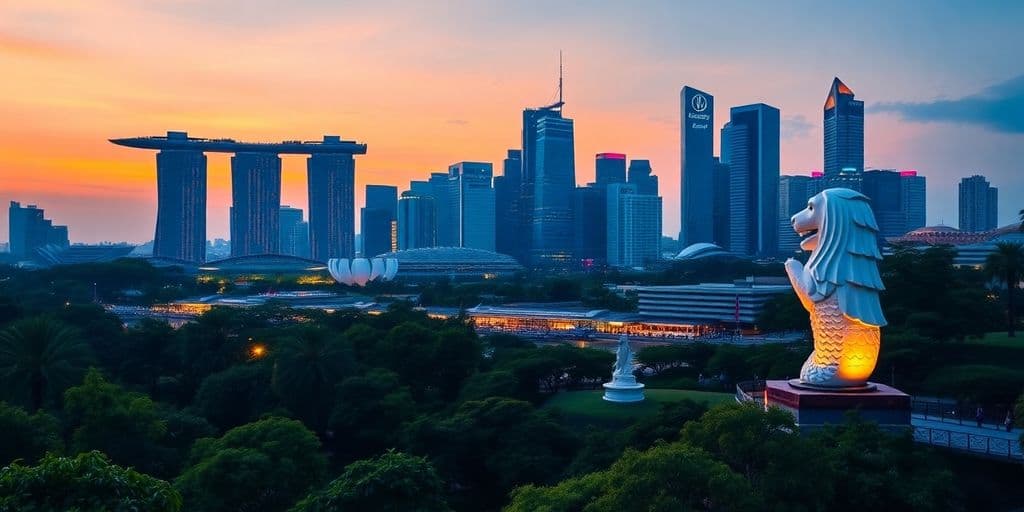
Living as an expat in Singapore can be both thrilling and daunting. This vibrant city-state offers a unique blend of cultures, modern amenities, and a high quality of life. However, navigating life here requires some knowledge about the local customs, legal requirements, and practicalities of daily living. In this expat guide in Singapore, we’ll cover everything from essential paperwork to finding a place to live, so you can settle in smoothly and make the most of your time in this fantastic city.
Key Takeaways
- Understand the local culture and social norms to ease your transition.
- Ensure all necessary documentation is sorted before you arrive.
- Research the best neighbourhoods to live in based on your lifestyle.
- Networking is key to finding job opportunities and making friends.
- Explore healthcare options to ensure you and your family are covered.
Understanding Expat Life In Singapore
Singapore is a popular destination for expats, and it's easy to see why. The city-state offers a high quality of life, a vibrant culture, and plenty of opportunities for career advancement. However, moving to a new country can be a daunting experience, so it's important to be prepared for the challenges and opportunities that await you.
Cultural Adaptation
One of the first things you'll notice about Singapore is its unique blend of cultures. The country is home to a diverse population of Chinese, Malay, Indian, and Eurasian people, each with their own customs and traditions. Understanding and respecting these cultural differences is essential for a smooth transition into Singaporean society. For example, things like knowing when to use certain greetings or understanding the significance of certain holidays can go a long way.
- Learn some basic phrases in the local languages (Malay, Mandarin, Tamil, and Singlish).
- Be mindful of your body language and gestures, as some may be considered offensive.
- Attend cultural events and festivals to learn more about Singapore's diverse heritage.
Social Integration
Making friends and building a social network is crucial for feeling at home in a new country. Singapore offers plenty of opportunities to meet new people, from joining expat groups to participating in local activities. Don't be afraid to put yourself out there and strike up conversations with people you meet. You might be surprised at how welcoming Singaporeans are to newcomers. The high number of expats in Singapore gives life a fast pace and there are plenty of opportunities to meet new people. Besides shopping on Orchard Road and enjoying the nightlife at Marina Bay, expats often join social clubs such as the American Association or the British Club to make connections.
- Join expat groups and social clubs to meet like-minded people.
- Attend networking events and industry conferences to connect with professionals in your field.
- Volunteer for a local charity or community organisation to give back and meet new people.
Common Challenges
While Singapore offers many advantages, it's important to be aware of the challenges that expats may face. These can include culture shock, homesickness, and difficulty adjusting to the local work culture. It's also worth noting that you have to submit and pay your own taxes bi-annually. Be prepared to be patient and adaptable, and don't be afraid to seek support from other expats or professionals if you're struggling. Settling into a new environment can take time, particularly in larger cities which can feel isolating. Building connections can make all the difference to your experience of expat life in Singapore.
Remember that adjusting to a new culture takes time. Be patient with yourself and allow yourself to make mistakes. Don't be afraid to ask for help or seek support when you need it. With a positive attitude and a willingness to learn, you can make Singapore your home away from home.
Essential Documentation For Expats
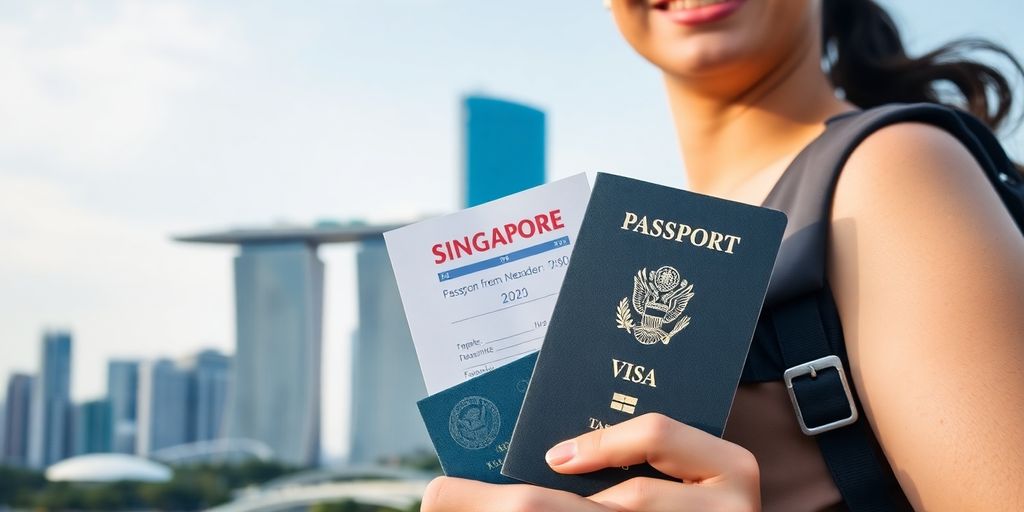
Moving to a new country is exciting, but getting your paperwork sorted is the first hurdle. Don't worry, it's manageable if you break it down. Let's look at what you'll need for Singapore.
Visa Requirements
First things first, you'll need the right visa. Singapore has various visa types, depending on why you're moving. Tourist visas are only for short stays, so if you plan to work or live there, you'll need something else. The type of visa you need depends on your citizenship, the length of your stay, and your purpose for being in Singapore.
- Tourist Visa: For short visits (usually up to 30 days).
- Student Pass: If you're enrolled in a full-time course.
- Work Visa: For those employed in Singapore (more on this below).
Make sure you apply well in advance, as processing times can vary. Check the Immigration & Checkpoints Authority (ICA) website for the most up-to-date information.
Work Passes
If you're moving to Singapore for work, you'll need a work pass. There are several types, each with its own eligibility criteria. The most common ones are:
- Employment Pass (EP): For professionals, managers, and executives earning a minimum fixed monthly salary (this changes, so check the current requirement).
- S Pass: For mid-level skilled workers earning a minimum fixed monthly salary (again, check the current requirement). There's also a quota for S Pass holders, so it can be competitive.
- Work Permit: For semi-skilled workers in specific sectors like construction, manufacturing, and marine. These are usually for foreign workers from specific countries.
Your employer usually handles the work pass application, but it's good to understand the process. You'll need to provide documents like your passport, educational certificates, and employment contract. It's important to have your employment contract ready.
Important Documents
Beyond visas and work passes, there are other documents you should gather before moving:
- Passport: Make sure it's valid for at least six months beyond your intended stay.
- Birth Certificate: You might need this for various administrative tasks.
- Marriage Certificate (if applicable): If you're moving with your spouse.
- Educational Certificates: Degrees, diplomas, and transcripts.
- Professional Licences: If you work in a regulated profession (e.g., doctor, lawyer).
- Medical Records: Especially if you have pre-existing conditions.
- Driving Licence: If you plan to drive in Singapore, you can usually convert your foreign licence.
It's a good idea to make certified copies of all your important documents and keep them in a safe place, both physically and digitally. This can save you a lot of hassle if anything gets lost or damaged.
Having all your documents in order will make your move to Singapore much smoother. Good luck!
Finding Accommodation In Singapore
Finding a place to live is a big deal when you move to Singapore. It's not just about having a roof over your head; it's about finding a spot that feels like home and fits your lifestyle. Let's break down what you need to know.
Best Neighbourhoods
Singapore has a bunch of different neighbourhoods, each with its own vibe. Some are super popular with expats, and for good reason. Holland Village is a classic, known for its lively atmosphere and good transport links. Then there's Tiong Bahru, which some people call Singapore's Brooklyn because of its artsy feel. If you're single or a couple, Tanjong Pagar might be up your street, with its great food scene and proximity to the business district. Ultimately, the best neighbourhood depends on what you're after – quiet residential areas, bustling city life, or something in between.
Rental Costs
Rental costs in Singapore can vary quite a bit depending on location, size, and the type of property. You'll find everything from high-end condos to more affordable apartments. Here's a rough idea of what you might expect to pay:
| Property Type | Average Monthly Rent (SGD) |
|---|---|
| Condo (1-bedroom) | 3,000 - 5,000 |
| Apartment (1-bedroom) | 2,500 - 4,000 |
| Landed Property (House) | 8,000+ |
Keep in mind these are just averages. Prices can fluctuate, so it's worth doing your research on rental properties in Singapore to get a better sense of the current market.
Lease Agreements
Once you've found a place you like, you'll need to sign a lease agreement. These agreements usually run for one or two years. Before you sign anything, read through the entire document carefully. Make sure you understand all the terms and conditions. Key things to look out for include:
- The rental amount and how it should be paid.
- The amount of the security deposit (usually one or two months' rent).
- What's included in the rent (e.g., utilities, maintenance).
- Any restrictions on pets or guests.
- The process for renewing or terminating the lease.
It's always a good idea to have a lawyer look over the lease agreement before you sign it, just to be on the safe side. They can help you understand any legal jargon and make sure you're not agreeing to anything unfair.
Remember, finding the right accommodation takes time, so start your search early and be prepared to do some viewings. Good luck!
Navigating The Job Market
Job Opportunities
Singapore's job market is pretty dynamic, especially if you're in tech, finance, or healthcare. You'll find a fair few multinational corporations (MNCs) and startups, which means there's a decent range of roles available. The key is to tailor your CV and cover letter to the Singaporean context. I've noticed that companies here really value candidates who can demonstrate adaptability and a willingness to learn.
- Tech roles are booming, especially in areas like AI and data science.
- Finance is always a strong sector, with opportunities in banking, investment, and fintech.
- Healthcare is consistently in demand, with roles for doctors, nurses, and other healthcare professionals.
Networking Tips
Networking is massive here. It's not just about who you know, but who knows you. Attending industry events and joining professional associations can really open doors. Don't be shy about reaching out to people on LinkedIn for informational interviews. Most Singaporeans are pretty approachable and willing to help.
- Attend industry-specific conferences and seminars.
- Join relevant professional associations.
- Use LinkedIn to connect with people in your field.
I found that attending local meetups was a great way to meet people in my industry. It's a more relaxed environment than formal networking events, and you can often get some really good insights from people who are already working in Singapore.
Work Culture
Singapore has a pretty structured work culture. Things are generally quite formal, and there's a big emphasis on efficiency and productivity. Expect long hours, especially in certain sectors like finance. Building relationships with your colleagues is important, but it can take time. Be patient and respectful of local customs.
- Expect a hierarchical structure in most companies.
- Communication is usually direct and to the point.
- Work-life balance can be a challenge, especially in the early stages of your career.
To enhance your job search, consider these strategies.
Healthcare And Insurance Options
Public Healthcare System
Singapore has a pretty good healthcare system, but it works a bit differently than what you might be used to. There's a mix of public and private healthcare, and the public system is heavily subsidised for citizens and permanent residents. As an expat, you'll likely find yourself using the private system more often, but it's good to know how the public one works.
- Medisave: A mandatory savings scheme for healthcare expenses.
- Medishield Life: Basic health insurance covering large hospital bills.
- Medifund: An endowment fund to help those who can't afford medical care.
It's worth noting that as an expat, you won't be eligible for the same subsidies as locals in the public healthcare system. This means that costs can be significantly higher if you choose to use public hospitals or clinics without insurance. So, planning ahead is key.
Private Health Insurance
For expats, private health insurance is pretty much a must. It gives you access to a wider range of doctors and hospitals, shorter waiting times, and often a higher standard of care. Plus, it can cover those hefty medical bills that you'd otherwise have to pay out of pocket. There are loads of different international health insurance plans out there, so it's worth doing your research to find one that suits your needs and budget. Cigna's Health Insurance is a good option to consider.
- Coverage: Look for plans that cover inpatient and outpatient treatment, specialist consultations, and emergency medical evacuation.
- Premiums: Premiums can vary widely depending on your age, health, and the level of coverage you choose.
- Exclusions: Be sure to read the fine print and understand what's not covered by your policy.
Emergency Services
In case of an emergency, dial 995 for ambulance services. Singapore's emergency services are generally very efficient, but it's still good to be prepared. Make sure you know where the nearest hospitals are and how to get there. Having your insurance details handy can also speed things up.
- Hospitals: Many hospitals offer 24-hour accident and emergency services.
- Clinics: There are also numerous 24-hour clinics scattered around the island.
- Pharmacies: Most pharmacies can provide basic medical advice and over-the-counter medications.
Cost Of Living Considerations
Singapore is known for being a pretty pricey place, but with some planning, it's manageable. It's all about understanding where your money goes and making smart choices.
Housing Expenses
Housing is probably the biggest chunk of your expenses. Rental costs can vary wildly depending on the location and type of accommodation. You could be looking at anything from a few thousand dollars for an apartment to significantly more for a house. Landlords often prefer corporate leases because expats tend to move around a lot. Consider these points:
- Location, Location, Location: Living closer to the city centre means higher rent. Consider neighbourhoods further out for better deals.
- Type of Accommodation: Apartments, condos, and houses all come with different price tags. Sharing an apartment is a good way to cut costs.
- Furnished vs. Unfurnished: Furnished places are more convenient but usually cost more. Unfurnished might be cheaper initially, but you'll need to factor in the cost of buying furniture.
Daily Living Costs
Day-to-day expenses can add up quickly. Groceries, transport, eating out – it all contributes. Here's a rough breakdown:
- Food: Eating at hawker centres is a budget-friendly way to experience local cuisine. Groceries can be expensive, especially for imported items.
- Transport: Singapore has an efficient public transport system. A monthly travel opportunities pass can save you money if you travel a lot.
- Utilities: Electricity, water, and internet bills will add to your monthly expenses. Conserving energy can help reduce these costs.
Transportation
Getting around Singapore is generally efficient, but costs can vary depending on your mode of transport. Public transport is a good option, but taxis and private cars can be expensive. Here's a quick comparison:
| Mode of Transport | Cost (Approx.) | Notes the cost of living in Singapore is high, but the salaries for experienced professionals match the expenses. Taxes are low, and expat packages often cover transport, school fees, and accommodation. The most significant expenses for expats are usually accommodation and schooling, and some imported luxuries. However, savings can be made on grocery shopping and transport. It's a trade-off, really. You might find yourself spending more on certain things, but you can definitely cut back in other areas. Negotiate a good package including health insurance, education fees for your children and an accommodation allowance as all of these can be pretty costly. Income in Singapore may seem to be very high with very low tax rate, but beware house rental is getting too expensive, and tighter measures have made it harder for foreigners to buy property. It’s financially good, the quality of life is good, education for children is excellent, and there are more travel opportunities than we would have had in home country. As a family we all now have a global view and have experienced different cultures through living it. Although Singapore’s cost of living is high, the salaries for experienced professionals match the expenses. Taxes are low, and expat packages often cover transport, school fees, and accommodation. The most significant expenses for expats are usually accommodation and schooling, and some imported luxuries. However, savings can be made on grocery shopping and transport. Western expats with higher earnings often rent private accommodation like apartments, condominiums, or bungalows. Landlords prefer corporate leases due to the transient nature of expat life. Accommodations, whether furnished or unfurnished, often come with basic facilities and some even have amenities like pools, gyms, and 24-hour security.
Planning your budget and understanding the local market are key to managing your finances effectively. Look for deals, compare prices, and don't be afraid to adjust your lifestyle to fit your budget. It's all about finding the right balance for you.
Building A Social Network

Moving to a new country can be isolating, but Singapore offers plenty of opportunities to build a thriving social life. It might feel daunting at first, but with a bit of effort, you'll find your tribe in no time. Don't be afraid to put yourself out there – most expats are in the same boat and eager to connect.
Expat Communities
Singapore has a vibrant expat scene, with numerous groups catering to different nationalities, interests, and professions. Joining these communities is a fantastic way to meet people who understand what you're going through and share similar experiences. These groups often organise social events, workshops, and outings, providing a ready-made network of potential friends. Check out online forums and social media to find groups that align with your interests. You can find expat associations that will help you settle in.
Social Clubs and Activities
Beyond expat-specific groups, Singapore boasts a wide array of social clubs and activities. Whether you're into sports, arts, food, or something else entirely, there's a club for you. Joining a club is a great way to meet locals and expats alike who share your passions. Consider these options:
- Sports clubs: From football and rugby to tennis and swimming, there are plenty of opportunities to get active and meet fellow sports enthusiasts.
- Interest-based clubs: Photography, book clubs, hiking groups – the possibilities are endless. Find a club that aligns with your hobbies and interests.
- Volunteer organisations: Giving back to the community is a rewarding way to meet like-minded people and make a difference.
Making Local Friends
While connecting with other expats is important, don't underestimate the value of making local friends. Singaporeans are generally friendly and welcoming, and getting to know them will give you a deeper understanding of the local culture. Here are a few tips for making local friends:
- Be open and approachable: Smile, make eye contact, and strike up conversations with people you meet.
- Participate in local events: Attend festivals, markets, and community gatherings to immerse yourself in the local culture and meet new people.
- Learn some basic phrases in the local language: Even a few words of Mandarin, Malay, or Tamil can go a long way in building rapport.
Building a social network takes time and effort, but it's well worth it. Don't be discouraged if you don't click with everyone you meet. Keep putting yourself out there, and eventually, you'll find your people. Remember, a strong social network can make all the difference in your expat experience.
Wrapping Up Your Expat Journey in Singapore
So, there you have it. Moving to Singapore can be a bit of a whirlwind, but with the right info, you can make it work. From sorting out your visa to finding a place to live, it’s all about being prepared. Don’t forget to get involved in the community and make some friends along the way. Whether you’re here for work or just to soak up the culture, Singapore has a lot to offer. Just take it one step at a time, and soon enough, you’ll feel right at home in this vibrant city.
Frequently Asked Questions
What is it like to live as an expat in Singapore?
Living in Singapore as an expat can be exciting and diverse. The city is a mix of cultures, and you can find many activities and communities to join. However, it might take some time to adjust to the local customs and lifestyle.
How do I find a place to live in Singapore?
To find accommodation in Singapore, you can explore popular areas like Tiong Bahru or Holland Village. It's essential to have your budget set, as rental prices can be high, and you may need to pay a few months' rent in advance.
What do I need to work in Singapore?
To work in Singapore, you will need a valid work visa or pass. There are different types depending on your job and qualifications, so make sure to check what is required for your situation.
Is healthcare good in Singapore?
Yes, Singapore has a strong healthcare system. There are both public and private healthcare options available. It's wise to have health insurance to cover any medical expenses you may encounter.
How much does it cost to live in Singapore?
The cost of living in Singapore can be quite high. You'll need to budget for housing, food, transportation, and other daily expenses. It's important to plan your finances carefully to manage your living costs.
How can I meet other expats in Singapore?
Meeting other expats can be easy in Singapore. You can join social clubs, attend community events, or participate in activities like sports or language classes to connect with others.
The Moveandstay editorial team writes about serviced living, workspaces, and city guides across Asia-Pacific.