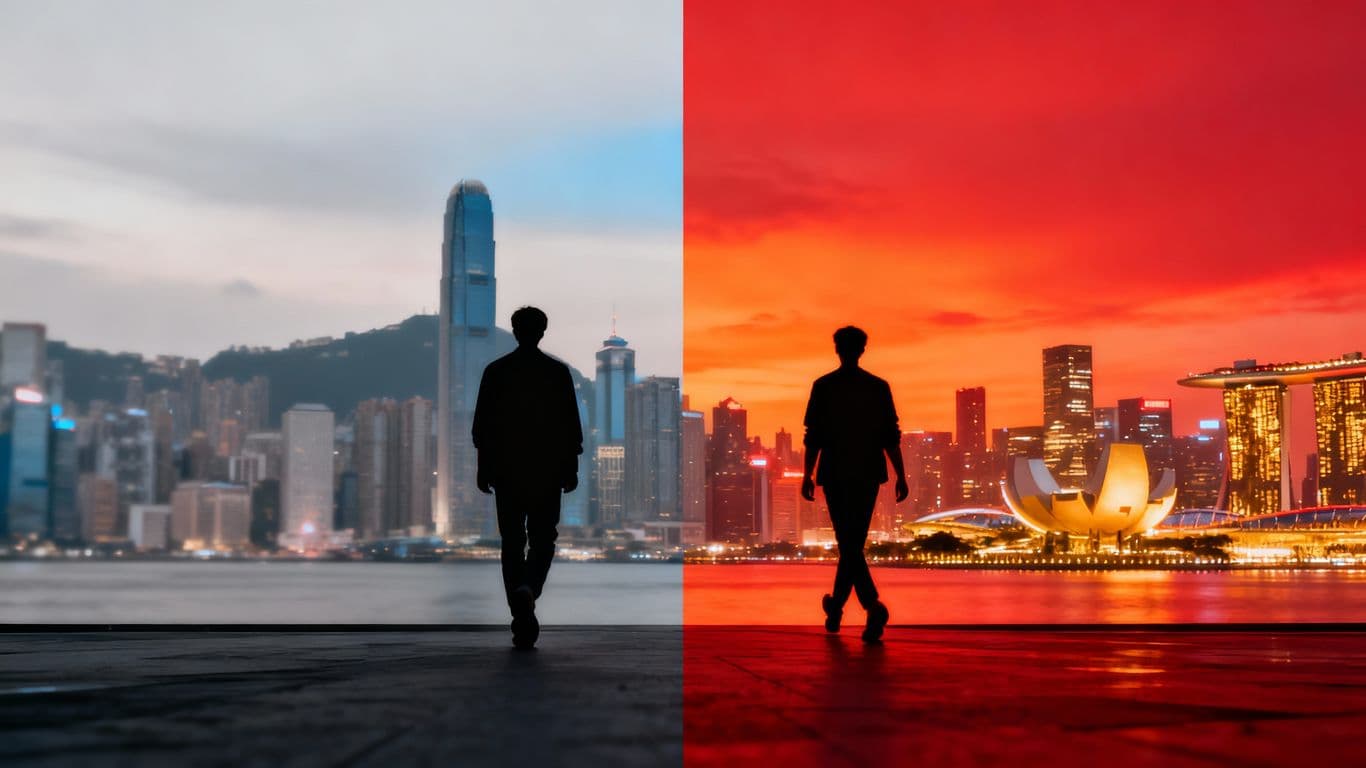
Shenzhen is a bustling city that has become a hotspot for expats looking for new opportunities and experiences. Whether you're moving here for work, study, or adventure, this expat guide in Shenzhen will help you get settled and make the most of your time in this vibrant metropolis. From understanding visa requirements to finding the best places to live and work, we've got you covered.
Key Takeaways
- Know the different types of visas and how to apply for them.
- Explore job opportunities and understand the work permit process.
- Choose the right neighbourhood based on your lifestyle and budget.
- Familiarise yourself with public transport options, including metro and taxis.
- Connect with local expat communities for support and socialising.
Understanding Visa Requirements
Alright, let's talk visas. It's probably the least exciting part of moving, but getting it sorted is super important. You don't want to end up in a sticky situation with immigration, trust me. Shenzhen's pretty strict, so knowing your stuff is key.
Types of Visas Available
Okay, so there's a bunch of different visas you can get, depending on what you're planning to do in Shenzhen. The most common ones are:
- Tourist Visa (L Visa): This is your standard holiday visa. Good for a quick visit, but you can't work or study on it.
- Business Visa (M Visa): If you're heading over for business meetings, conferences, or short-term commercial activities, this is the one you need.
- Work Visa (Z Visa): Planning to work in Shenzhen? This is essential. You'll also need a work permit, so don't skip that step.
- Student Visa (X Visa): If you're enrolling in a course that lasts longer than six months, you'll need this. For shorter courses, you might be able to get away with a tourist visa, but double-check.
- Family Visa (Q Visa): If you have family who are living and working in China, you can apply for this. There are two types: Q1 (long-term) and Q2 (short-term).
Make sure you pick the right one, or you could face some serious problems. It's always best to check the latest requirements on the Chinese embassy's website or with a visa agency.
Visa Application Process
Applying for a Chinese visa can feel like a bit of a mission, but it's doable. Here's the general process:
- Figure out which visa you need: Sounds obvious, but it's the most important step. Get it wrong, and your application will be rejected.
- Gather your documents: This usually includes your passport, application form, a recent photo, proof of your travel plans (like flight bookings), and any other documents specific to the visa type you're applying for (like an invitation letter for a business visa).
- Submit your application: You can usually do this at the Chinese embassy or consulate in your home country, or through a visa application centre. Some countries also offer online applications.
- Attend an interview (if required): Sometimes, you'll need to go for an interview. They'll ask you about your plans and check your documents.
- Wait for your visa to be processed: Processing times vary, so apply well in advance of your trip.
- Pick up your visa: Once it's approved, you can collect your visa and get ready to go!
It's worth noting that if you're staying at a friend's place, you need to apply for temporary residence within 24 hours of arriving. You can scan a QR code to apply for temporary residence on your phone by submitting your details electronically. Just follow the English instructions.
Visa Extensions and Renewals
So, your visa is about to expire, and you want to stay longer? You'll need to extend or renew it. Here's what you need to know:
- Don't overstay: This is a big no-no. If you overstay your visa, you could be fined, detained, or even banned from entering China in the future. Pay attention to the expiration date of your visa and allot for enough time to renew it.
- Apply in advance: Don't leave it until the last minute. Start the extension or renewal process at least a month before your visa expires.
- Go to the Public Security Bureau (PSB): This is where you'll need to go to apply for an extension or renewal. The exact location might vary depending on where you're staying in Shenzhen, so check online.
- Gather your documents: You'll need your passport, visa, proof of address, and any other documents required for your specific visa type. The PSB will tell you exactly what you need.
- Fill out the application form: You'll need to complete an application form and submit it along with your documents.
Remember, if you plan on working in Shenzhen, you are going to need a work permit and a residence permit for employment purposes. Don't risk working without the correct documentation.
Navigating the Job Market

So, you're thinking of working in Shenzhen? Good choice! It's a buzzing city with loads of opportunities, but it's worth getting your head around the job market before you pack your bags. It's not always straightforward, but with a bit of prep, you'll be fine.
Job Search Strategies
Finding a job here isn't too different from back home, but there are a few things to keep in mind. Online job boards are your best friend.
- LinkedIn: Make sure your profile is up-to-date and start connecting with people in your industry. It's all about who you know, right?
- Job Boards: Check out job boards that are popular in China, like Liepin or Zhaopin. They might be in Chinese, so get Google Translate ready.
- Recruitment Agencies: There are agencies that specialise in placing expats. They can be really helpful in finding something that fits your skills and experience.
Don't be afraid to network. Attend industry events, join expat groups, and chat with people. You never know where your next job might come from. Also, tailor your CV to the Chinese market. Highlight any experience you have working with Chinese companies or in similar roles.
Work Permits and Legal Requirements
Okay, this is the boring but important bit. You can't just rock up and start working; you need a work permit. The process can be a bit of a headache, so be prepared for some paperwork. Generally, your employer will sponsor your work permit, so make sure they're on the ball. You'll need things like your degree certificates, passport, and a health check. It's worth checking the exact requirements on the official government website because they can change.
Networking Opportunities
Networking is massive here. It's not just about handing out business cards; it's about building relationships. Shenzhen has a thriving expat community, so get involved!
- Expat Groups: Join groups on WeChat or Facebook. They often organise events and meetups.
- Industry Events: Attend conferences and seminars in your field. It's a great way to meet people and learn about new trends.
- Language Exchange: Find a language partner. It's a good way to improve your Mandarin and meet locals. Plus, you can help them with their English.
Don't underestimate the power of a good chat over a beer. You'll be surprised how many opportunities can come from just talking to people.
Finding Accommodation
Finding a place to live is a big deal when you move to a new city. Shenzhen has loads of options, but it can be a bit overwhelming at first. Here's a breakdown to help you get started.
Popular Neighbourhoods for Expats
Okay, so where do most expats actually live? Shekou is super popular, especially if you want to be close to the international schools and have a more Western vibe. Futian is another good shout, it's more central and has great transport links. Nanshan is also up-and-coming, with a mix of residential and commercial areas. Each area has its own feel, so it's worth checking them out before you commit. Consider the Hilton Shenzhen Shekou Nanhai for a comfortable stay while you explore.
Rental Agreements and Costs
Understanding your rental agreement is key. Make sure you read it carefully and understand all the terms before signing anything. Deposits are usually two or three months' rent, and you'll probably have to pay a month's rent in advance. Agent fees are also common, usually half a month's rent. As for costs, it really depends on the area and the size of the apartment. Expect to pay more in Shekou and Futian. Here's a rough guide:
- Studio Apartment: 5,000 - 10,000 RMB per month
- One-Bedroom Apartment: 8,000 - 15,000 RMB per month
- Two-Bedroom Apartment: 12,000 - 25,000 RMB per month
Short-Term vs Long-Term Rentals
Deciding whether to go for a short-term or long-term rental depends on your situation. Short-term rentals are great if you're not sure how long you'll be staying or if you want to explore different areas before settling down. They're usually more expensive per month, but they offer more flexibility. Long-term rentals are cheaper in the long run, but you're locked into a lease, usually for a year or two. Here are some things to consider:
- Short-Term Rentals:
- Pros: Flexibility, furnished, utilities included.
- Cons: More expensive, limited availability.
- Long-Term Rentals:
- Pros: Cheaper monthly rent, more options.
- Cons: Less flexible, unfurnished, requires a longer commitment.
Finding accommodation can be stressful, but with a bit of research and planning, you'll find the perfect place to call home. Don't be afraid to ask for help from other expats or a reliable agent. Good luck with your search!
Exploring Transportation Options
Shenzhen boasts a pretty impressive transport system, making it relatively easy to get around, even if you don't speak Mandarin. From the extensive metro to readily available taxis, you've got options. Let's break it down:
Public Transport System
The Shenzhen Metro is probably your best bet for getting around quickly and affordably. It's clean, efficient, and covers a large portion of the city. New lines are constantly being added, which is great because the city just keeps growing. You can buy single-journey tickets, but getting a Shenzhen Tong card (a rechargeable travel card) is way more convenient if you're staying for a while. It works on the metro and buses, saving you the hassle of fumbling for change. The bus network is also extensive, though it can be a bit daunting to figure out at first. Apps like Baidu Maps or Amap (Gaode Ditu) can be helpful for planning your route, even if they are in Chinese – you can usually figure it out with a bit of trial and error. Consider this when planning your daily commute.
Taxis and Ride-Sharing
Taxis are plentiful in Shenzhen, and you can usually hail one without too much trouble, especially outside of rush hour. They come in different colours, which used to indicate their operating area (some could only operate inside the Special Economic Zone), but this isn't really a thing anymore. Make sure the driver uses the metre, and it's always a good idea to have your destination written down in Chinese to show them. Ride-sharing apps like Didi Chuxing (滴滴出行) are also popular. You'll need a Chinese phone number to register, but it's often easier than trying to explain your destination to a taxi driver who doesn't speak English. Plus, it's usually cheaper, especially during peak times. Just be aware that surge pricing is a thing.
Crossing Borders to Hong Kong
Getting to Hong Kong from Shenzhen is relatively straightforward, with several options available. The most common are:
- Metro/Train: You can take the metro to Luohu or Futian Checkpoints and cross the border into Hong Kong via the MTR East Rail Line. This is usually the quickest and most convenient option.
- Bus: Cross-border buses operate from various locations in Shenzhen to different parts of Hong Kong. These are generally cheaper than the train but can take longer, especially during peak hours due to traffic at the border.
- Ferries: Ferries run from Shekou Cruise Home to Hong Kong International Airport and other destinations in Hong Kong. This is a good option if you're heading straight to the airport or want to avoid the crowds at the land border crossings.
Remember to have your passport and visa (if required) ready when crossing the border. The immigration process can sometimes be slow, especially during holidays, so allow plenty of time for your journey. Also, be aware of restrictions on what you can bring across the border, particularly regarding food and alcohol. Checkpoints are an important part of Shenzhen's transport.
Healthcare and Medical Services
Finding Hospitals and Clinics
Okay, so you've landed in Shenzhen and, touch wood, you're feeling fine. But it's always good to know where to go if you need a doctor, right? Shenzhen has a mix of public and private hospitals. Public hospitals can be a bit crowded, but they're generally cheaper. Private hospitals often have English-speaking staff and shorter waiting times, but they'll cost you more. Some popular options include the University of Hong Kong-Shenzhen Hospital and Shenzhen Samii Medical Centre. It's worth doing a bit of research to find one that suits your needs and is conveniently located. I'd recommend saving the address and phone number of a nearby hospital in your phone, just in case.
Health Insurance Options
Sorting out health insurance is really important before you even think about needing it. You don't want to be stuck with a massive bill if something happens. There are a few ways to go about it:
- Check if your employer provides health insurance as part of your employment package. This is often the easiest option.
- Consider getting international health insurance. These policies usually offer comprehensive coverage and allow you to use private hospitals.
- Look into local Chinese health insurance plans. They might be cheaper, but make sure they cover the hospitals you'd want to use and any pre-existing conditions.
It's a good idea to compare a few different policies before making a decision. Pay attention to what's covered, what's not, and what the excess (deductible) is. Don't just go for the cheapest option; make sure it actually meets your needs.
Emergency Services
Hopefully, you won't need this, but it's vital to know what to do in an emergency. The emergency number in China is 120. When you call, try to speak clearly and provide your location. If you don't speak Chinese, try to have someone who does available to translate. It's also a good idea to have a basic first-aid kit at home and know how to use it. Knowing the location of the nearest 24-hour pharmacy is also a good idea. Here's a quick rundown:
- Emergency Number: 120
- Non-Emergency: 110 (Police)
- Fire: 119
Cultural Insights and Social Life
Local Customs and Etiquette
Right, so you've landed in Shenzhen. Ace! Now, before you start ordering your tea with milk and two sugars (they might look at you a bit funny), let's have a quick chat about local customs. Understanding a few basic things can make a massive difference in how you're received.
- Guanxi (relationships) are super important. Building trust takes time, so be patient.
- Saving face is a big deal. Avoid direct criticism in public.
- Accept business cards with both hands and take a moment to actually look at them. Don't just shove them in your pocket!
It's worth remembering that while Shenzhen is a modern, international city, traditional Chinese values still hold a lot of sway. A little bit of effort to understand and respect these values goes a long way in building positive relationships, both in your personal and professional life. It's not about changing who you are, but about being mindful and adaptable.
Expat Communities and Events
Feeling a bit lost? Don't worry, Shenzhen has a thriving expat scene. There are loads of ways to connect with other folks who are also figuring things out. It's a great way to find your feet and get some insider tips. You can find many expat guides online.
- Check out online forums and social media groups specifically for expats in Shenzhen.
- Attend networking events. There are often industry-specific events, as well as more general social gatherings.
- Join a sports team or hobby group. It's a brilliant way to meet people with shared interests.
Dining and Entertainment
Okay, let's talk about the fun stuff! Shenzhen is a foodie paradise, and the entertainment options are endless. From traditional Cantonese cuisine to international flavours, you'll find something to tickle your fancy. And when you're not eating, there's everything from buzzing nightlife to tranquil parks to explore. You can find many events for expats to attend.
Here's a quick rundown of some popular options:
| Activity | Description of course, I can help you with that.
Education and Learning Opportunities
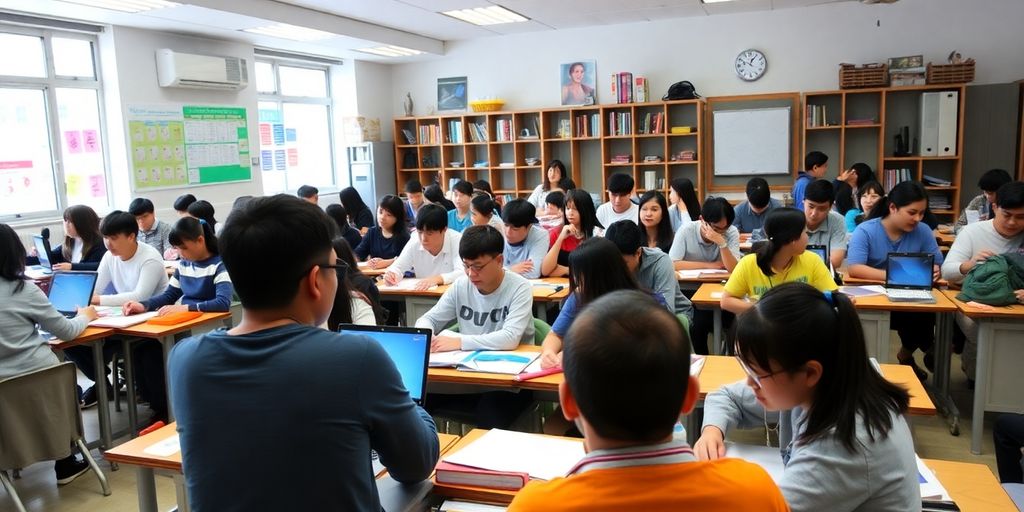
So, you're thinking about education in Shenzhen? Good shout! Whether it's for your kids or yourself, there are options. Let's have a look.
International Schools
Finding the right international school is a big deal for expat families. Shenzhen has a fair few, but do your homework. Places can be competitive, and fees vary wildly. Consider location, curriculum (IB, A-Levels, etc.), and the school's reputation. Some popular choices include the International School of Shenzhen and QSI International School of Shenzhen. Don't forget to check out Green Oasis School if you are in Futian district.
Language Learning Resources
Want to learn Mandarin? Or maybe Cantonese? Shenzhen has loads of language schools and private tutors. Learning some basic Chinese will make your life so much easier, trust me. Plus, it's a great way to connect with the local culture. You can find courses for all levels, from absolute beginner to fluent speaker. There are also language exchange events where you can practise with native speakers. Give it a go!
Higher Education Institutions
If you're looking to further your own education, Shenzhen has some decent universities. Shenzhen University is a good option, and there are other institutions specialising in technology and business. Entry requirements vary, so check the university websites for details. It's worth noting that some courses are taught in English, but many are in Chinese, so language skills might be needed.
Getting your head around the education system here can be a bit of a challenge at first. Don't be afraid to ask for help from other expats or local contacts. There are plenty of people who have been through it all before and are happy to share their experiences.
Essential Services for Daily Life
Moving to a new city means figuring out the basics all over again. Shenzhen is no different. From managing your money to finding familiar groceries, here's what you need to know to make daily life a bit easier.
Banking and Financial Services
Opening a bank account is one of the first things you'll want to do. Most major Chinese banks have branches throughout Shenzhen. You'll typically need your passport and proof of address. Mobile payment systems like Alipay and WeChat Pay are incredibly popular here; setting these up will make your life much easier. Most places, even small street vendors, accept mobile payments. Credit cards are less commonly used than in the UK, so be prepared to rely on your phone for transactions.
Shopping and Groceries
Finding familiar food brands can be a challenge, but it's getting easier. Large supermarkets like Walmart and Carrefour have a decent selection of imported goods. There are also smaller international supermarkets dotted around the city, especially in areas with large expat populations. For fresh produce, local markets are the way to go – they're cheaper and the quality is usually excellent. Just be prepared to haggle a bit! You can also find many popular apps for grocery delivery.
Pet Services and Care
If you're bringing a furry friend, Shenzhen has a growing number of pet services. Finding a vet who speaks English might take some searching, but there are several reputable clinics around. Pet supplies are readily available in pet shops and online. Be aware that there are regulations regarding pet ownership, including registration and vaccinations. Also, it's worth noting that some parks and public spaces may have restrictions on dogs. Make sure you are aware of the local rules to ensure your pet is well taken care of.
Finding reliable pet-sitters or dog walkers can be done through expat networks or local online platforms. It's always a good idea to get recommendations and meet with potential caregivers before entrusting them with your pet. Remember to check if they have experience with your specific breed and any special needs your pet might have.
Final Thoughts on Living in Shenzhen
So, there you have it. Living in Shenzhen can be a wild ride, but it’s also full of opportunities and experiences. You’ll find a city that’s buzzing with energy and innovation. Just remember to keep your paperwork in order, learn a bit of the language, and don’t be afraid to ask for help when you need it. The expat community here is pretty welcoming, and you’ll likely make some great friends along the way. Whether you’re here for work, study, or just to explore, Shenzhen has something for everyone. Embrace the adventure, and enjoy your time in this vibrant city!
Frequently Asked Questions
What type of visa do I need to live in Shenzhen?
You will need a work visa if you plan to work in Shenzhen. For studying, a student visa is required, and for short stays, a tourist visa might be enough.
How do I apply for a visa to Shenzhen?
You can apply for a visa at a Chinese embassy or consulate in your home country. Make sure to prepare all necessary documents, like your passport and a completed application form.
Can I extend my visa while in Shenzhen?
Yes, you can apply for a visa extension at the local Exit-Entry Administration Bureau before your current visa expires.
What are the best job search strategies in Shenzhen?
Networking is key! Use online job portals, attend job fairs, and connect with expat communities to find job opportunities.
What healthcare options are available for expats in Shenzhen?
Shenzhen has many international hospitals and clinics that cater to expats. It’s important to have health insurance to cover medical expenses.
How can I connect with other expats in Shenzhen?
Join local expat groups on social media, attend community events, or participate in meet-ups to meet other foreigners living in Shenzhen.
The Moveandstay editorial team writes about serviced living, workspaces, and city guides across Asia-Pacific.