If you’re thinking about moving to Shanghai, you’re in for a treat. This vibrant city blends tradition with modernity, offering a unique experience for expats. From its rich cultural scene to its bustling economy, Shanghai has something for everyone. In this expat guide in Shanghai, we’ll cover everything you need to know to make your transition smoother and more enjoyable. So, whether you’re here for work or adventure, let’s dive into what makes Shanghai a fantastic place to live.
Key Takeaways
- Shanghai is a melting pot of cultures, making it a great place to meet people from all over the world.
- Safety is generally high, but it’s wise to stay in well-lit areas at night.
- Understanding local customs, such as gift-giving and punctuality, can help you fit in better.
- Public transport is efficient, with options like the metro, buses, and taxis available.
- Learning a few Mandarin phrases can go a long way in daily interactions.
Understanding Shanghai's Cultural Landscape
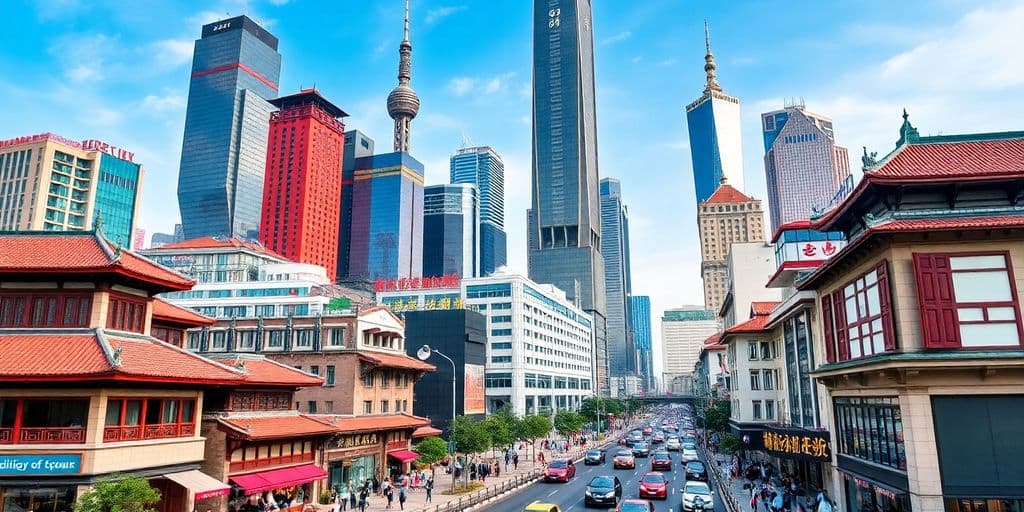
Shanghai is a fascinating place, a real mix of old and new, East and West. It's one of China's biggest cities, and it's got a vibe all its own. Getting to grips with the cultural side of things is key to settling in.
Multicultural Diversity
Shanghai is a proper melting pot. It's where traditional Chinese culture meets modern ideas, and where Eastern and Western traditions come together. You'll hear loads of different languages and see people from all over the world. This makes it a great place to experience different cultures without even leaving the city. The increasing population of expats in Shanghai makes it easy to find people from all walks of life. It's a city where you can eat dishes from across the globe and hear a wide range of accents.
Personal Safety
Generally, Shanghai is a safe city for expats. It's got pretty low crime rates compared to other big cities. Of course, like anywhere, you need to be aware of your surroundings. Petty theft, like pickpocketing, can happen, especially on public transport. It's always a good idea to stick to well-lit areas at night and keep an eye on your belongings. I've always felt safe walking around, even late at night. The police are pretty visible and do a good job of keeping things safe, especially for the expat community. Shanghai was ranked one of the safest cities in China because of its low crime rates.
Local Customs and Etiquette
Understanding local customs is super important for getting along in Shanghai. Things like guanxi (relationships), or building relationships, are a big deal in Chinese culture. Networking and personal connections can really help you out, both in your social life and at work. Knowing a bit about Chinese etiquette can go a long way in making a good impression and avoiding any awkward situations.
It's worth remembering that things might be done differently than you're used to. Being patient, respectful, and willing to learn can make a big difference in how you experience life in Shanghai. Don't be afraid to ask questions and observe how locals interact with each other. This will help you pick up on the nuances of Chinese culture and build stronger relationships.
Essential Information for Expats
Shanghai Fast Facts
So, you're thinking of moving to Shanghai? Ace! Let's get you up to speed with some quick facts. Shanghai is a massive city, a real powerhouse, and it moves fast.
- Currency: Chinese Yuan (CNY), also known as Renminbi (RMB).
- Population: Over 26 million people – it's bustling, to say the least.
- Language: Mandarin Chinese is the main language, but you'll find English spoken in many expat-heavy areas.
- Climate: Four distinct seasons – hot and humid summers, and chilly winters.
Getting your head around these basics will make your arrival much smoother. Don't be afraid to ask for help; most locals are happy to point you in the right direction, even if there's a bit of a language barrier.
Healthcare Options
Healthcare in Shanghai can be a bit of a mixed bag. The public system is there, but many expats opt for private healthcare. It's generally better quality, with shorter waiting times and more English-speaking staff. Having comprehensive medical insurance is highly recommended. Here's a quick comparison:
| Feature | Public Healthcare | Private Healthcare |
|---|---|---|
| Quality of Care | Can be inconsistent | Generally higher |
| Waiting Times | Longer | Shorter |
| Language Support | Limited English-speaking staff | More English-speaking staff |
| Cost | Lower | Higher |
Transportation Insights
Shanghai has an amazing public transport system. Seriously, it's one of the best in the world. The metro is extensive, efficient, and cheap. Buses are also plentiful, though they can be a bit more confusing to navigate. Taxis and ride-sharing services are readily available too. Consider getting a transport card for easy travel.
- Metro: Extensive network, easy to use, and very affordable.
- Buses: Wide coverage, but can be crowded and confusing.
- Taxis/Ride-Sharing: Convenient, but can be more expensive, especially during peak hours.
- Cycling: Becoming increasingly popular, with bike-sharing schemes available.
Navigating Work and Visas in Shanghai
Types of Work Visas
Okay, so you're thinking about working in Shanghai? Ace! First things first, you'll need to get your head around the different types of work visas. It's not exactly a walk in the park, but getting the right visa is, obviously, pretty important. The most common one is the Z visa, which is what you need to actually enter China to work. There are other types too, like the R visa for highly skilled individuals, but for most expats, it's the Z visa you'll be aiming for.
- Z Visa: For those employed in Shanghai.
- R Visa: For high-level talent and specialists.
- Other visas exist for short-term work, but these aren't usually relevant for long-term expats.
Visa Application Process
The visa application process can feel like a bit of a maze, to be honest. It involves a fair bit of paperwork and a few hoops to jump through. Generally, your employer will help you with this, which is a massive relief. You'll need things like a job offer, a valid passport, and a clean criminal record. Then there's the medical exam, which is... an experience. Be prepared for a bit of waiting around and some slightly odd procedures. Once you're in Shanghai, you'll need to convert your Z visa into a residence permit. It can take about 30 days. Make sure you've got all your documents in order, and don't be afraid to ask for help if you get stuck. It's all part of the adventure, right?
- Get a job offer.
- Apply for a Foreigner's Work Permit.
- Apply for the Z visa.
- Enter China and register with the police.
- Undergo a medical examination.
- Apply for a residence permit.
Work Culture in Shanghai
Shanghai's work culture is, well, different. It's fast-paced and competitive, but also quite relationship-based. Building guanxi personal connections, or connections, is really important. It can affect how smoothly things go, both in and out of the office. Expect long hours, especially in certain industries, and be prepared to adapt to a more hierarchical structure than you might be used to. Also, the concept of 'face' is pretty important – avoid causing anyone to lose face, as it can damage relationships.
It's worth remembering that things move quickly in Shanghai. What's true today might not be true tomorrow, so be flexible and ready to adapt. Don't be afraid to ask questions, and try to learn a bit of Mandarin – it'll go a long way.
Building a Social Network in Shanghai

It's easy to feel isolated when you first move to a new city, especially one as big and bustling as Shanghai. But don't worry, there are loads of ways to build your social circle and find your tribe. Making an effort to connect with others will significantly improve your expat experience.
How to Make Friends
Making friends in a new city takes effort, but it's definitely achievable. Here are a few ideas to get you started:
- Learn some Mandarin: Even basic Mandarin can go a long way in connecting with locals. Plus, it shows you're making an effort to integrate. You could even find a language exchange partner to help you practise.
- Pursue your hobbies: Join a local sports team, a book club, or an art class. Shared interests are a great foundation for friendships. Shanghai has a huge range of activities on offer, so there's bound to be something that appeals to you.
- Be open and approachable: Smile, strike up conversations, and don't be afraid to put yourself out there. The more you interact with people, the more likely you are to find like-minded individuals.
It's important to remember that building meaningful relationships takes time. Don't get discouraged if it doesn't happen overnight. Just keep putting yourself out there and being open to new experiences.
Joining Expat Groups
Expat groups can be a fantastic resource for newcomers. They offer a sense of community, provide valuable information, and organise social events. Here are a few popular options:
- InterNations: A global network with a strong presence in Shanghai. They host regular events and offer a platform for expats to connect online.
- Shanghai Expat Association: A well-established organisation that provides support and resources to expats in the city.
- Meetup: A platform where you can find a variety of expat groups based on interests, nationality, or profession. It's a great way to discover local events and meet people with similar hobbies.
Networking Opportunities
Networking isn't just for career advancement; it's also a great way to expand your social circle. Shanghai has a thriving business community, and there are plenty of opportunities to connect with other professionals.
- Industry events: Attend conferences, seminars, and trade shows related to your field. These events often attract both expats and locals, providing opportunities to make new contacts.
- Chambers of Commerce: Join a chamber of commerce related to your country or industry. They often host networking events and provide resources for businesses operating in Shanghai.
- Company social events: Take advantage of any social events organised by your company. It's a great way to get to know your colleagues better and build relationships outside of the workplace.
Here's a quick look at some popular networking platforms:
| Platform | Focus | Benefits |
|---|---|---|
| Professional networking | Connecting with industry professionals, finding job opportunities | |
| InterNations | Expat community | Social events, forums, and resources for expats |
| Eventbrite | Events and workshops | Discovering local events, workshops, and networking opportunities |
Exploring Shanghai's Lifestyle and Leisure
Shanghai isn't just a place to work; it's a city to live in. There's always something happening, some new corner to explore, or some delicious food to try. It's a city that keeps you on your toes, in the best way possible. From traditional gardens to cutting-edge art galleries, Shanghai offers a huge range of activities to fill your free time. It's easy to find hidden gems in China here.
Cultural Activities
Shanghai's cultural scene is booming. You can find everything from traditional Chinese opera to modern art installations. Here are a few ideas:
- Visit the Shanghai Museum: Home to an impressive collection of Chinese art and artefacts.
- Explore the Yuyuan Garden: A classical Chinese garden offering a tranquil escape from the city bustle.
- Catch a performance at the Shanghai Grand Theatre: Showcasing a variety of performances, from ballet to opera.
Shanghai is a city where the old meets the new, and this is reflected in its cultural activities. You can spend one day exploring ancient temples and the next attending a cutting-edge art exhibition. It's a city that caters to all tastes.
Dining and Nightlife
Shanghai is a foodie paradise. You can find every type of cuisine imaginable, from street food to Michelin-starred restaurants. The nightlife is just as diverse, with everything from cosy bars to pumping nightclubs. The city truly never sits down.
- Try Xiaolongbao: These soup-filled dumplings are a Shanghai staple.
- Explore the French Concession: This area is packed with trendy restaurants and bars.
- Visit Xintiandi: A stylish district filled with upscale restaurants and bars, popular with expats.
Shopping Destinations
Shanghai is a shopper's paradise. You can find everything from high-end designer goods to cheap souvenirs. Here are a few popular shopping destinations:
- Nanjing Road: One of the world's busiest shopping streets, offering a wide range of shops and department stores.
- Huaihai Road: Another popular shopping street, known for its trendy boutiques and international brands.
- AP Plaza: Located beneath the Science and Technology Museum metro station, this is the place to go for bargain electronics and souvenirs.
| Shopping Destination | What to Expect
Preparing for Expat Life in Shanghai
Housing and Accommodation
Finding a place to live in Shanghai can feel like a mission, but it's totally doable. Start your search online using sites that cater to expats; they often have listings in English. You'll find everything from modern apartments to traditional lane houses (though those can be pricier and harder to come by). Consider these factors:
- Location: Think about your commute to work or school. Shanghai is huge, and traffic can be a nightmare.
- Budget: Be realistic about what you can afford. Rent can be steep, especially in popular expat areas.
- Lease Terms: Understand the lease agreement. Most landlords will ask for a deposit and rent paid in advance.
It's a good idea to spend some time in temporary accommodation when you first arrive. This gives you a chance to explore different neighbourhoods and get a feel for the city before committing to a long-term lease.
Cost of Living
Shanghai can be expensive, but it really depends on your lifestyle. Eating out at fancy restaurants every night will obviously cost more than cooking at home. Here's a rough breakdown:
| Expense | Average Cost (RMB) | Notes |
|---|---|---|
| Rent (1-bed apt) | 8,000 - 15,000 | Varies greatly by location and quality. |
| Groceries | 1,500 - 3,000 | Depends on whether you buy local or imported goods. |
| Transportation | 300 - 500 | Includes metro, bus, and occasional taxi rides. |
| Dining Out | 50 - 500+ | Street food to high-end restaurants; the range is vast. |
| Entertainment | 500 - 2,000+ | Depends on your social life. |
Language Considerations
While you can get by in Shanghai with English, learning some Mandarin will make your life so much easier. It'll help you with everything from ordering food to making friends. Plus, it shows respect for the local culture. Here are some tips:
- Take a language course: There are plenty of schools and tutors offering Mandarin lessons for expats.
- Use language learning apps: Apps like Duolingo and Memrise can be a fun way to learn basic vocabulary and grammar.
- Practise with locals: Don't be afraid to strike up conversations with people you meet. Most Shanghainese are happy to help you practise your Mandarin.
The Pros and Cons of Living in Shanghai

Advantages of Expat Life
Shanghai's got a lot going for it, especially if you're coming from abroad. The city is a real melting pot, where East meets West in a pretty fascinating way. You'll find a huge range of cultures, cuisines, and experiences all crammed into one place. It's also generally a safe city, which is always a plus.
- Loads of job opportunities, especially in international business.
- A vibrant social scene with people from all over the world.
- Easy access to other parts of China and Asia for travel.
Living in Shanghai is like stepping into a different world. The blend of old and new, the constant buzz of activity, and the sheer variety of things to see and do make it an incredibly exciting place to be. It's not always easy, but it's definitely an adventure.
Challenges Faced by Expats
Of course, it's not all sunshine and roses. There are definitely some downsides to living in Shanghai. The language barrier can be tough, even though many people speak some English. The cost of living, especially rent, can be pretty high. And let's not forget the pollution, which can be a real issue on some days. Finding the right healthcare options is also something to consider.
- Air pollution can be a concern, especially during the winter months.
- The language barrier can make daily life challenging.
- Cultural differences can sometimes lead to misunderstandings.
Unique Experiences in the City
Despite the challenges, Shanghai offers some truly unique experiences that you won't find anywhere else. From exploring ancient temples to wandering through futuristic skyscrapers, there's always something new to discover. The food scene is incredible, and the nightlife is buzzing. You can easily spend your weekends exploring the cultural activities and hidden gems of this amazing city.
- Exploring the Bund and its stunning architecture.
- Trying all sorts of delicious street food.
- Visiting the Yu Garden and other historical sites.
Final Thoughts on Expating in Shanghai
So, there you have it—your guide to living in Shanghai as an expat. It’s a city that’s buzzing with life, culture, and opportunities. Sure, it can be a bit overwhelming at first, but once you find your feet, you’ll discover a vibrant community and plenty of things to keep you entertained. From the stunning skyline to the rich history, there’s always something new to explore. Just remember to embrace the local customs, learn a bit of Mandarin, and don’t hesitate to reach out to fellow expats. They’re often more than willing to help you settle in. All in all, Shanghai can be a fantastic place to call home, full of adventures waiting to happen.
Frequently Asked Questions
What is Shanghai like for expats?
Shanghai is a lively and welcoming city with a mix of cultures. Expats can enjoy a variety of food, activities, and communities, making it an exciting place to live.
How safe is it to live in Shanghai?
Shanghai is considered one of the safest cities in China. While minor crimes can happen, the overall crime rate is low, and most areas are well-lit and secure.
What healthcare options are available for expats in Shanghai?
Expats in Shanghai often choose private healthcare for better quality and English-speaking staff. It's advisable to have good health insurance to cover medical expenses.
How can I get around in Shanghai?
Shanghai has an extensive public transport system, including subways, buses, and taxis. The subway is efficient and affordable, and ride-sharing apps like DiDi are also popular.
What should I know about working in Shanghai?
To work in Shanghai, you'll need a work visa. The application process can be complex, but many companies assist expats. The work culture is often fast-paced and professional.
How can I make friends in Shanghai?
Joining expat groups, clubs, or social events is a great way to meet new people. There are many communities for different interests, making it easier to connect with others.
The Moveandstay editorial team writes about serviced living, workspaces, and city guides across Asia-Pacific.