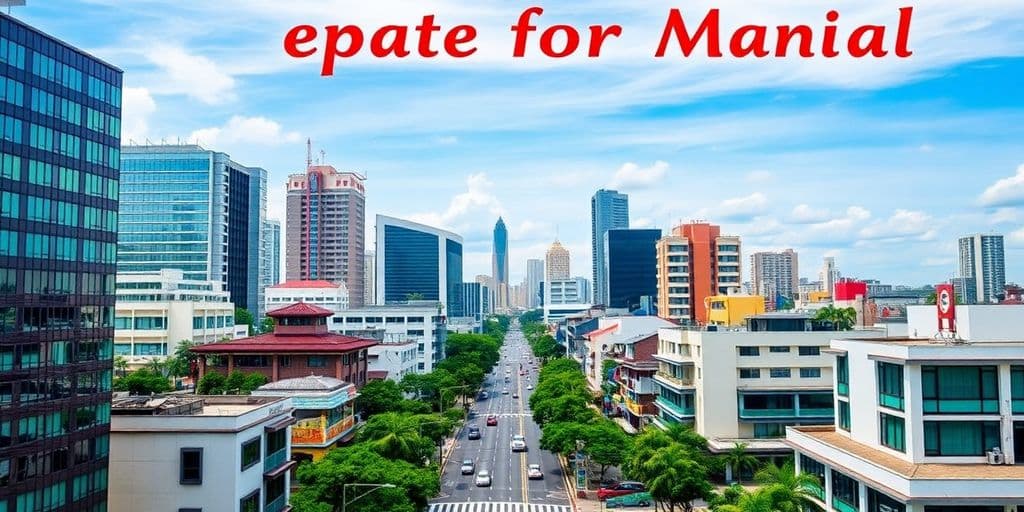
Moving to Manila as an expat can be an exciting adventure filled with new experiences. This bustling city offers a unique blend of cultures, friendly locals, and a vibrant atmosphere. However, it can also be overwhelming, especially if you’re not familiar with the local customs, transport systems, or living conditions. This guide aims to provide essential information to help you settle in smoothly and make the most of your time in the Philippines' capital.
Key Takeaways
- Learn some basic Tagalog phrases to connect with locals.
- Be prepared for heavy traffic and consider public transport options.
- Popular expat neighbourhoods include Makati and BGC.
- Private healthcare is generally better than public facilities.
- The cost of living can vary; budgeting is key.
Understanding The Local Culture
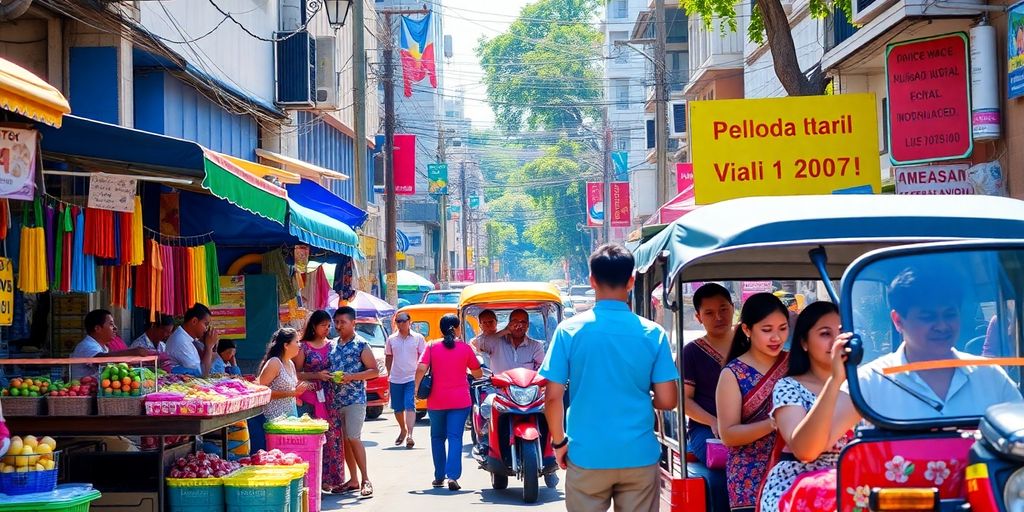
Manila is a melting pot, and getting to grips with the local culture is key to settling in. It's not just about seeing the sights; it's about understanding the people and their way of life. From language to social norms, there's plenty to learn. The Philippines has recently started to become a hotspot for expats too.
Language Basics For Expats
While English is widely spoken, learning a few basic phrases in Tagalog (the national language) can go a long way. It shows respect and helps you connect with locals on a deeper level. Don't worry, you don't need to become fluent overnight, but knowing how to say "good morning" (Magandang umaga) or "thank you" (Salamat) will definitely earn you some smiles. It's also worth noting that many Filipinos speak other regional languages, so you might hear a mix depending on where you are.
Social Etiquette And Customs
Filipinos are known for their warmth and hospitality. Showing respect to elders is extremely important; address them as "po" and "opo" when speaking in Tagalog. Here are a few other things to keep in mind:
- Pakikisama: This refers to maintaining good relationships and avoiding conflict. It's about being agreeable and getting along with others.
- Hiya: This is a sense of shame or embarrassment. Filipinos are generally sensitive to criticism, especially in public.
- Family First: Family is at the centre of Filipino culture. Decisions are often made with the family's best interests in mind.
It's also worth being aware of the concept of "Filipino time," which often means being fashionably late. While punctuality is appreciated, don't be surprised if things don't always start exactly on schedule.
Festivals And Celebrations
The Philippines loves a good fiesta! Throughout the year, you'll find colourful festivals celebrating everything from religious events to harvests. These festivals are a great way to experience the local culture and have some fun. Here are a few of the most popular:
- Sinulog Festival (Cebu): Held in January, this festival honours the Santo Niño (Holy Child Jesus) with street parades, music, and dancing.
- Ati-Atihan Festival (Kalibo): Also in January, this is one of the oldest festivals in the Philippines, known for its tribal dances and vibrant costumes.
- Panagbenga Festival (Baguio): Celebrated in February, this flower festival showcases the region's beautiful blooms with elaborate floats and street performances.
Experiencing these traditional festivals is a must for any expat wanting to immerse themselves in Filipino culture.
Navigating The City
Getting around Manila can be quite the experience, to say the least. The traffic is infamous, and the sheer variety of transport options can be overwhelming at first. But with a bit of patience and planning, you'll be zipping around like a local in no time. Let's break down the main ways to get around.
Public Transport Options
Manila offers a range of public transport, each with its own quirks and advantages. The most common include buses, jeepneys, trains (LRT/MRT), and taxis. Buses and jeepneys are incredibly cheap, but they can be crowded and slow, especially during rush hour. The train system (LRT/MRT) is often the quickest way to travel longer distances, but it can also get very packed. Taxis are readily available, but it's important to make sure the driver uses the metre to avoid inflated fares.
- Buses: Cover most major routes, very affordable, but prone to delays.
- Jeepneys: Iconic and colourful, but can be chaotic and not always the most comfortable.
- Trains (LRT/MRT): Efficient for longer distances, but can get extremely crowded during peak hours.
- Taxis: Convenient and readily available, ensure the metre is used.
Public transport in Manila can be an adventure. Be prepared for crowds, delays, and a bit of chaos. Keep your belongings close and stay aware of your surroundings.
Driving In Manila
Driving in Manila is not for the faint of heart. The traffic is notorious, and traffic rules are often… suggestions, rather than laws. If you're planning on driving, be prepared for a stressful experience. You'll need a local driving licence after 90 days, which involves a trip to the Land Transportation Office (LTO) with all the necessary documents. Defensive driving is an absolute must.
Tips For Avoiding Traffic
Traffic in Manila is a constant battle, but there are ways to minimise your time stuck in gridlock. Here are a few tips:
- Avoid rush hour: If possible, plan your trips outside of peak hours (7-9am and 5-8pm).
- Use navigation apps: Apps like Waze can help you find the quickest routes and avoid traffic jams.
- Consider alternative transport: If you're travelling a short distance, walking or cycling might be faster than driving.
- Be patient: Traffic is a part of life in Manila. Take a deep breath and try to stay calm.
| Time of Day | Traffic Condition | Recommendation |
|---|---|---|
| Morning Rush | Heavy | Avoid unnecessary travel, use trains if possible |
| Midday | Moderate | Better for driving, but still expect delays |
| Evening Rush | Very Heavy | Avoid if possible, consider alternative routes |
| Late Night | Light | Best time to drive |
Remember to buckle up, stay alert, and expect the unexpected. And maybe invest in a good audiobook to help pass the time!
Finding Accommodation
Finding a place to live is a big deal when you move to a new country. Manila has a lot of options, from apartments to houses, but it can be a bit overwhelming to start. Here's what you need to know.
Popular Neighbourhoods For Expats
When choosing where to live, think about what's important to you. Do you want to be close to work, schools, or nightlife? Some popular areas for expats include:
- Makati: This is the central business district, so it's great if you work there. It's got lots of condos, restaurants, and shopping. It can be pricey, though.
- Bonifacio Global City (BGC): Similar to Makati, but a bit newer and more planned. It's known for its parks and green spaces. Also on the expensive side.
- Ortigas: Another business district, a bit more affordable than Makati and BGC. Good for families, with some international schools nearby.
- Quezon City: A huge area with a mix of residential and commercial spaces. You can find more affordable options here, but traffic can be a pain. You can find a mix of everything from Spanish colonial townhouses to pokey apartments, brand new mixed development condominiums and high-rise blocks of flats in major cities such as Quezon City, Manila and Davao.
It's worth spending some time exploring different areas before you commit to anything. Consider factors like safety, accessibility, and the overall vibe of the neighbourhood.
Rental Costs And Agreements
Rental costs in Manila can vary a lot depending on the location, size, and quality of the property. Here's a rough idea of what you can expect to pay per month:
| Type of Accommodation | Average Monthly Rent (PHP) | Average Monthly Rent (USD) |
|---|---|---|
| 1-bedroom apartment (outside city centre) | 21,000 | 370 |
| 2-bedroom apartment | 40,000+ | 700+ |
| House | 50,000+ | 880+ |
Most landlords will ask for a deposit (usually one or two months' rent) and one month's rent in advance. Rental agreements are usually for a year, but you might be able to negotiate a shorter term. Make sure you read the agreement carefully before you sign it.
Tips For House Hunting
Finding the right place can take time, so start your search early. Here are some tips to help you:
- Use online portals: Websites like Dot Property and Lamudi have lots of listings from different agents. It's a good way to get an overview of what's available. As an expat in Manila, it is best that you hire the service of a broker. Navigating around the city looking for a home can be quite dizzying so it is easier that you browse through several real estate websites first and then contact an agent to help make the search faster.
- Work with a reputable agent: A good agent can help you find properties that match your needs and negotiate the best deal. They can also help you with the paperwork.
- Check the utilities: Make sure the water and electricity are working properly before you sign anything. Also, find out how much the utilities typically cost per month. Utilities like water, gas, and electricity are usually not included in the rental fee. You must prepare a separate budget of roughly €80 per month.
- Visit the property at different times of day: This will give you a better idea of the noise levels and traffic in the area.
- Don't be afraid to negotiate: Landlords are often willing to negotiate the rent, especially if you're signing a long-term lease.
Healthcare And Insurance
Moving to a new country always brings up questions about healthcare. Manila is no different. Understanding the system and your options is really important for peace of mind.
Public Vs Private Healthcare
Manila has both public and private healthcare options. Public healthcare is generally more affordable, but it can suffer from long waiting times and sometimes, limited resources. Private hospitals and clinics, on the other hand, usually offer quicker service, more modern facilities, and English-speaking staff. Many expats opt for private healthcare for these reasons.
Finding A Doctor
Finding a good doctor in Manila might seem daunting, but there are several ways to go about it. Word of mouth is always a good start – ask other expats for recommendations. Online expat forums can also be helpful. Many private hospitals have directories of their affiliated doctors on their websites. Make sure to check credentials and specialisations to find someone who suits your needs. It's also worth checking if your health insurance plans are accepted by the doctor or hospital.
Health Insurance Options
Health insurance is pretty much a must for expats in Manila, especially if you're planning on using private healthcare. You've got a few choices: local health insurance, international health insurance, or a combination of both. Local insurance is generally cheaper but might not offer the same level of coverage as international plans. International health insurance can be more expensive but often provides broader coverage, including medical evacuation and treatment in other countries. It really depends on your individual needs and budget. Group health insurance is also an option to explore.
It's a good idea to shop around and compare different policies before making a decision. Look closely at what's covered, what's not, and what the excess is. Don't be afraid to ask questions and get clarification on anything you're unsure about. Knowing your policy inside and out will save you headaches down the line.
Cost Of Living Insights
Manila can be surprisingly affordable, but it's good to get a handle on what things actually cost before you arrive. It's easy to get caught out by thinking everything will be super cheap, and then finding your lifestyle costs more than you expected. Let's break it down.
Monthly Expenses Breakdown
Understanding your monthly expenses is key to budgeting effectively in Manila. It's not just about rent; it's about everything from your daily coffee to your weekend activities. Here's a rough idea of what you might be looking at:
| Expense | USD per month | Local currency (PHP) |
|---|---|---|
| Rent (1-bed apt city centre) | 810 | 45,800 |
| Rent (1-bed apt outside centre) | 370 | 21,000 |
| Utilities (915 sq ft apt) | 145 | 8,000 |
| Internet (60 Mbps) | 45 | 2,500 |
Of course, these are just averages. Your actual costs will depend on your lifestyle. If you're eating out every night and taking taxis everywhere, you'll be spending a lot more. If you're cooking at home and using public transport, you'll save a bundle. For example, if you are a digital nomad, you might have different needs.
Dining Out And Groceries
Eating out in Manila can be incredibly cheap, especially if you stick to local eateries. You can get a decent meal for just a few pounds. However, if you're craving Western food, expect to pay prices similar to what you'd find back home. Groceries are also relatively inexpensive, especially if you shop at local markets. Here are some things to consider:
- Local food stalls and "carinderias" are the cheapest options.
- Supermarkets offer a wider range of products, including imported goods, but at a higher price.
- Fresh produce from markets is generally cheaper and tastier than what you'll find in supermarkets.
Utilities And Internet Costs
Utilities in Manila, like electricity and water, can add up, especially during the hotter months when you're running the air conditioning constantly. Internet access is generally reliable, but speeds can vary depending on your provider and location. Here's what to keep in mind:
- Electricity bills can be surprisingly high, so be mindful of your usage.
- Internet plans are widely available, with various speeds and data allowances.
- Consider bundling your utilities and internet for potential discounts.
It's worth noting that while Manila can be very affordable, costs can creep up if you're not careful. Things like imported goods, Western-style accommodation, and frequent nights out can quickly eat into your budget. So, it's all about finding a balance that works for you.
Building A Social Network
Moving to a new country can be isolating, but Manila offers plenty of opportunities to connect with people. It's all about putting yourself out there and finding your tribe. Don't be afraid to try new things and strike up conversations – you might be surprised at how welcoming people are.
Expats Meetups And Events
Manila has a thriving expat scene, with regular meetups and events catering to various interests. These gatherings are a great way to meet fellow expats, share experiences, and get tips on living in the city. You can find events through online platforms like InterNations, Meetup, and Facebook groups. These groups often organise social events, networking opportunities, and even trips around the Philippines. It's a relaxed way to build connections and find people who understand what you're going through as an expat.
Local Clubs And Activities
Immersing yourself in local culture is a fantastic way to meet Filipinos and make new friends. Consider joining a local club or activity based on your interests. Here are a few ideas:
- Sports Clubs: Basketball is huge in the Philippines, so joining a local basketball team or even just playing pick-up games is a great way to connect with people. Other popular sports include badminton, volleyball, and running.
- Language Exchange: Learning Tagalog is a great way to show respect for the local culture and connect with Filipinos. Joining a language exchange group can help you practise your skills and meet new people.
- Volunteer Organisations: Volunteering is a rewarding way to give back to the community and meet like-minded individuals. There are many organisations in Manila that focus on various causes, such as environmental protection, animal welfare, and poverty alleviation.
Getting involved in local activities not only helps you build a social network but also gives you a deeper understanding of Filipino culture and traditions. It's a win-win situation!
Online Communities For Expats
Online communities can be a lifeline when you're settling into a new city. Facebook groups, online forums, and other platforms provide a space for expats to connect, ask questions, and share information. These communities can be particularly helpful for finding recommendations for services, getting advice on navigating local customs, and simply connecting with people who understand the challenges and joys of expat life. You can find groups dedicated to specific nationalities, interests, or even neighbourhoods in Manila. Remember to check out mobile market options to stay connected.
Education Options For Families

For families moving to Manila, one of the biggest concerns is often education. Luckily, there are several options available, from international schools to local institutions. It's worth doing your research to find the best fit for your children's needs and your family's preferences.
International Schools Overview
Manila boasts a number of international schools, catering to a diverse range of curricula and nationalities. These schools typically offer globally recognised programmes like the International Baccalaureate (IB) or British curriculum. They often have excellent facilities and a wide range of extracurricular activities. Some popular choices include:
- British School Manila
- International School Manila
- Enderun Colleges EAC
Admission Requirements
Admission requirements can vary significantly between schools. Generally, you'll need to provide academic records, proof of residency, and undergo an entrance exam or interview. Some schools may also require a health certificate and vaccination records. It's best to check each school's website directly for the most up-to-date information. Be prepared for application fees and potentially long waiting lists, especially for the more popular schools.
Extracurricular Activities
Extracurricular activities are a big part of the school experience in Manila. International schools usually offer a wide array of options, from sports like football and basketball to arts programmes like drama and music. There are also clubs and societies catering to various interests, such as debate, Model United Nations, and coding. These activities provide opportunities for students to develop their talents, make friends, and broaden their horizons.
Choosing the right school is a big decision. Consider factors like curriculum, location, fees, and the school's overall ethos. Visiting the schools and speaking to current parents can also be incredibly helpful.
Final Thoughts on Living in Manila
So there you have it, a quick rundown of what to expect as an expat in Manila. It’s a city that’s buzzing with life, full of friendly faces and plenty of opportunities. Sure, the traffic can be a nightmare and the heat might take some getting used to, but the warmth of the locals and the vibrant culture can make it all worthwhile. Just remember to keep an open mind and a sense of humour. Whether you’re here for work or adventure, Manila has a way of making you feel at home. So pack your bags, brush up on a few Tagalog phrases, and get ready to dive into the chaos and charm of this incredible city!
Frequently Asked Questions
What are the best areas for expats to live in Manila?
Expats often prefer areas like Ortigas, Makati, and Bonifacio Global City (BGC) for their convenience and lively atmosphere. These places offer a mix of safety, entertainment, and easy access to amenities.
Is it necessary to learn Tagalog to live in Manila?
No, you don't need to know Tagalog to live in Manila. Most people speak English, which makes communication easier. However, learning a few basic phrases can help you connect with locals.
What is the typical cost of living in Manila?
The cost of living in Manila can vary, but generally, it is lower than in many major cities. Rent, food, and transportation are often more affordable, but personal choices will affect your overall budget.
How safe is it to live in Manila?
Manila can be safe, especially in expat-friendly areas like Makati and BGC. While violent crime is rare, it's wise to stay aware of your surroundings and avoid poorly lit areas at night.
What transportation options are available in Manila?
Manila has various transport options including jeepneys, buses, and taxis. However, traffic can be heavy, so plan your travels accordingly. Many expats prefer using ride-hailing apps for convenience.
How can expats meet new people in Manila?
Expats can join local meetups, clubs, or events to meet new friends. There are also online communities and social media groups specifically for expats living in Manila.
The Moveandstay editorial team writes about serviced living, workspaces, and city guides across Asia-Pacific.