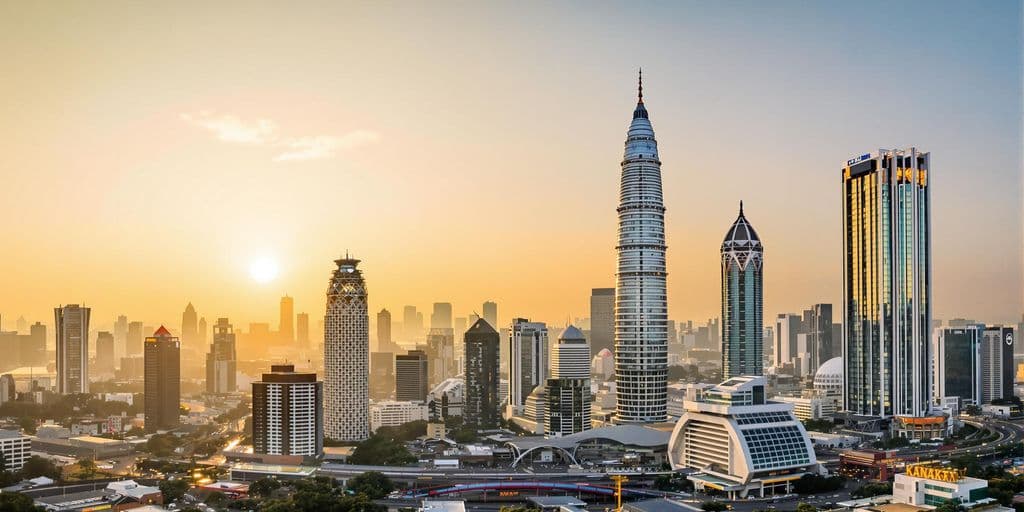
So, you're thinking about moving to Jakarta, huh? It's a big, busy city, and it can seem a bit much at first. But trust me, with a little bit of planning and the right info, you can really make it your home. This expat guide in Jakarta is here to give you the lowdown on what to expect, from finding a place to live to making new friends and even sorting out your money. We'll cover the important stuff so your move goes smoothly, and you can start enjoying everything this exciting city has to offer.
Key Takeaways
- Jakarta is a diverse city with a big expat community, so you'll find plenty of people from all over.
- Finding a good place to live means looking at different areas and knowing how much things cost.
- Money matters like living costs, healthcare, and banking need careful thought before you arrive.
- There are lots of groups and activities to help you meet people and build a social life.
- Getting around Jakarta can be tricky because of traffic, but there are ways to manage it, and safety is generally good.
Understanding Jakarta's Expat Landscape
The Diverse Expat Community
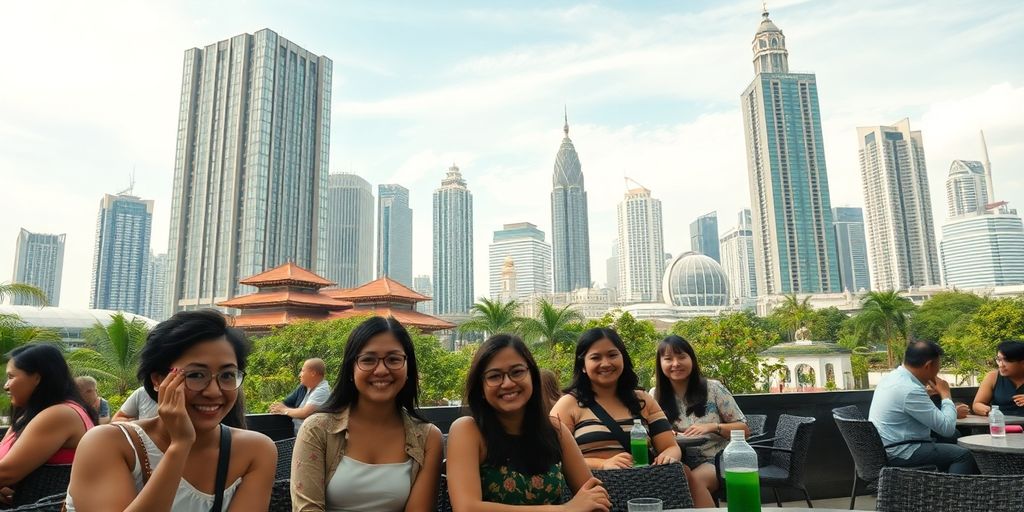
Jakarta is a real melting pot, drawing people from all corners of the globe. You'll find a mix of nationalities and backgrounds, all contributing to a vibrant and dynamic atmosphere. This diversity is one of Jakarta's biggest draws for expats. It's not unusual to bump into people from Europe, America, Asia, and Australia all in one day. This creates a unique environment where you can learn about different cultures and perspectives.
- Expats often work in sectors like finance, technology, and education.
- Many are also involved in NGOs and development work.
- The community is generally welcoming and supportive, with plenty of opportunities to connect.
It's worth remembering that while Jakarta is modernising rapidly, it's still a developing country. This means you'll encounter a range of living standards and cultural norms that might be different from what you're used to. Being open-minded and adaptable is key to enjoying your time here.
Navigating Cultural Nuances
Understanding the local culture is super important for a smooth transition. Indonesians are generally very polite and respectful, and it's good to be aware of some key customs. For example, using your right hand to give or receive things is considered polite, as is dressing modestly, especially when visiting religious sites. Learning a few basic phrases in Bahasa Indonesia can also go a long way in showing respect and building relationships. You can find expat communities to help you adjust.
- Be mindful of your body language; avoid pointing with your finger.
- Remove your shoes when entering someone's home.
- Bargaining is common in markets, but do it respectfully.
Embracing Local Life
Getting involved in local life is a great way to feel more at home and make the most of your expat experience. Jakarta has so much to offer, from its amazing food scene to its rich history and culture. Exploring different neighbourhoods, trying new dishes, and attending local events can help you connect with the city on a deeper level. Don't be afraid to step outside your comfort zone and try something new! Jakarta's appealing place to live offers many attractions.
- Visit historical sites like Kota Tua (Old Town).
- Take a cooking class to learn how to make Indonesian dishes.
- Attend a local festival or celebration.
Finding Your Ideal Home in Jakarta
Finding a place to live is a big deal when you move to a new city. Jakarta has lots of options, but it can feel overwhelming. Let's break it down to make it easier.
Top Neighbourhoods for Expats
Some areas are more popular with expats than others, usually because they have good facilities and a familiar vibe. Picking the right neighbourhood can really affect your experience.
- Kemang Kemang area: Known for its lively atmosphere, with cafes and restaurants. It's a social hub, great if you want to be in the middle of things.
- Pondok Indah Pondok Indah: More suburban, with bigger houses and gardens. Good for families, with international schools nearby.
- Menteng: Located in Central Jakarta, it's close to business districts and has a more upscale feel.
Accommodation Options and Costs
You've got a few choices when it comes to where to live, and the costs can vary a lot.
- Apartments: These are common, ranging from basic studios to luxury penthouses. Prices depend on size, location, and amenities.
- Houses: If you want more space, especially if you have a family, a house might be better. These are more common in areas like Pondok Indah.
- Serviced Apartments: A good short-term option, offering cleaning and other services. Useful when you first arrive.
It's worth noting that rental costs can be quite high in Jakarta, especially in expat-friendly areas. Negotiating is often possible, so don't be afraid to try.
Securing Your Residence
Finding a place is one thing, but actually getting it can be another. Here's what to expect:
- Engage a Property Agent: A good agent can help you find suitable properties and negotiate terms. They usually charge a fee, often paid by the landlord.
- Check the Contract: Make sure you understand all the terms and conditions before signing. Pay attention to the length of the lease, payment terms, and any break clauses.
- Deposit and Advance Rent: Expect to pay a deposit (usually one to three months' rent) and advance rent. Get everything in writing.
Managing Finances as an Expat in Jakarta
Moving to a new country always brings financial considerations to the forefront. Jakarta is no different. Understanding how to manage your money effectively will make your expat life much smoother. From the general cost of living to healthcare and banking, here's what you need to know.
Cost of Living Insights
Jakarta can be surprisingly affordable, but it really depends on your lifestyle. If you're used to Western standards, some things might seem cheap, while others, especially imported goods, can be pricey. Accommodation is a big factor, and where you choose to live will significantly impact your monthly expenses. Groceries from local markets are much cheaper than imported items from supermarkets. Eating out can be very reasonable, especially if you stick to local warungs (small restaurants). Entertainment costs can vary widely, from budget-friendly street food to high-end restaurants and bars.
Here's a rough idea of monthly expenses for a single expat:
| Expense | Estimated Cost (IDR) | Notes |
|---|---|---|
| Accommodation | 8,000,000 - 20,000,000 | Apartment in a good area |
| Groceries | 2,000,000 - 4,000,000 | Mostly local produce |
| Transport | 500,000 - 1,500,000 | Depending on transport choices |
| Entertainment | 1,000,000 - 3,000,000 | Eating out, social activities |
| Miscellaneous | 500,000 - 1,000,000 | Phone, internet, personal care |
Remember, these are just estimates. Your actual expenses will depend on your personal spending habits and lifestyle choices.
Healthcare Expenses and Insurance
Healthcare is something you really don't want to skimp on. While Indonesia has a public healthcare system, many expats prefer private hospitals and clinics for better facilities and English-speaking staff. Private healthcare can be expensive, so having comprehensive health insurance is essential. Make sure your policy covers medical evacuation, as serious cases might require treatment in Singapore or another country with advanced medical facilities. Consider these factors when choosing healthcare based on your district.
Things to consider when choosing health insurance:
- Coverage: Does it cover hospital stays, outpatient visits, specialist consultations, and prescription drugs?
- Network: Does the insurance company have a good network of hospitals and clinics in Jakarta?
- Exclusions: Are there any pre-existing conditions or activities that are excluded from coverage?
Banking and Financial Services
Jakarta has a well-developed banking system with both local and international banks. Opening a bank account is usually straightforward, but you'll need the right documents, including your passport, visa, and a letter of employment. Some popular banks among expats include Bank Central Asia (BCA), Bank Negara Indonesia (BNI), and Citibank. These banks offer a range of services, including savings accounts, current accounts, credit cards, and international money transfers. Many also have online banking facilities, making it easy to manage your finances. It's a good idea to research and compare different banks to find one that suits your needs. You can easily open an Indonesian bank account with the right documents.
Here are some tips for banking in Jakarta:
- Check the fees: Be aware of any fees for transactions, ATM withdrawals, and account maintenance.
- Use online banking: It's a convenient way to manage your money and pay bills.
- Keep your card safe: Be careful when using ATMs and avoid sharing your PIN with anyone.
Connecting and Socialising in Jakarta
Jakarta can feel a bit overwhelming at first, but getting involved in the social scene is key to settling in and feeling at home. It's a massive city, but there are loads of ways to meet people and build a community. Don't be afraid to put yourself out there – it makes a huge difference!
Building Your Social Network
Making friends in a new city takes effort, but Jakarta offers plenty of opportunities. One of the easiest ways to start is by tapping into the existing expat network. There are loads of social clubs and online groups specifically for expats, which can be a great way to meet people who are in the same boat as you. Think of it as a ready-made support system and a source of new friendships. You can also explore local communities to experience the authentic Jakarta. Here are some ideas:
- Join a language exchange group. It's a great way to learn Bahasa Indonesia and meet locals.
- Take a cooking class. Indonesian cuisine is amazing, and it's a fun way to bond with others.
- Volunteer for a local charity. You'll be giving back to the community and meeting like-minded people.
It's easy to fall into the trap of only socialising with other expats, but try to branch out and meet locals too. They can offer a unique perspective on life in Jakarta and help you to experience the city in a more authentic way.
Expat Groups and Activities
There are many expat groups in Jakarta catering to different interests and nationalities. These groups organise regular events and activities, from coffee mornings and book clubs to sports tournaments and cultural excursions. Platforms like InterNations are really popular, offering a ready-made community and a calendar full of events. These groups are a fantastic way to meet people, share experiences, and get advice on everything from finding a good doctor to navigating the local markets. For example, women's associations are very active in Jakarta, offering opportunities to socialise, engage in charity work, and participate in cultural events.
Professional Networking Opportunities
Jakarta's a bustling hub for business, so there are plenty of chances to network professionally. Industry events, seminars, and conferences are held regularly, offering a chance to meet people in your field and expand your contacts. Don't underestimate the power of LinkedIn either – it's a great way to connect with professionals in Jakarta and stay up-to-date on industry news. Networking isn't just about finding a job; it's also about building relationships and learning from others. Jakarta’s thriving business environment offers abundant networking opportunities in industries like finance, hospitality, technology, and healthcare.
Navigating Daily Life and Transport
Understanding Jakarta's Traffic
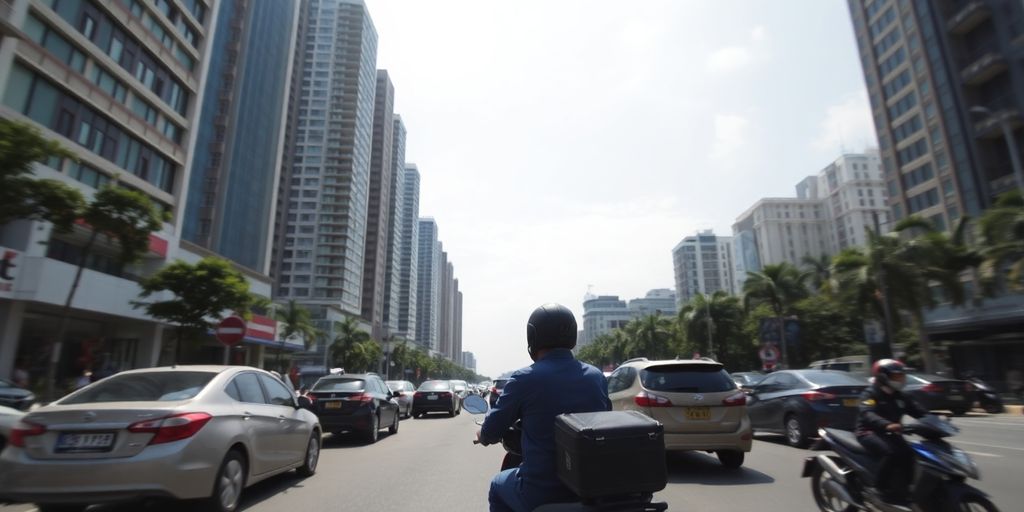
Okay, so let's be real, Jakarta's traffic is something else. It's consistently ranked as one of the worst in the world, and that's not an exaggeration. You've probably heard the horror stories, and honestly, they're mostly true. Getting around can be a real test of patience, especially during rush hour. I mean, a journey that should take 20 minutes can easily turn into an hour-long ordeal. It's just part of life here, unfortunately. Consider Jakarta's severe traffic when planning your commute.
Public Transportation Options
Right, so you're probably wondering if there are any alternatives to sitting in traffic all day. Well, the good news is that things are slowly improving. The TransJakarta bus rapid transit system is pretty extensive, covering most of the city centre and even some of the suburbs. It's a cheap way to get around, but it can get crowded, especially during peak times. Then there's the MRT, which is a game-changer. It's clean, efficient, and relatively quick, at least compared to driving. It only covers a limited area at the moment, but they're planning to expand it, which is great news. There are also trains, but they're not always the most reliable or comfortable option. And of course, there are taxis and ride-hailing apps like Gojek and Grab, which are super convenient but can get expensive, especially when surge pricing kicks in. Here's a quick rundown:
- TransJakarta: Extensive bus network, cheap but crowded.
- MRT: Modern and efficient, but limited coverage.
- Trains: Can be unreliable.
- Taxis/Ride-hailing: Convenient but can be expensive.
Safety and Security Considerations
Okay, so safety is something you need to think about, especially when you're new to the city. Petty crime, like pickpocketing, can be an issue, especially in crowded areas or on public transport. It's always a good idea to keep your belongings close and be aware of your surroundings. Also, the roads can be pretty chaotic, so if you're driving or riding a motorbike, be extra careful. Traffic accidents are common, so it's better to be safe than sorry. And finally, it's always a good idea to have a local SIM card with data so you can use Google Maps or other navigation apps to find your way around and stay connected.
Generally, Jakarta is a safe city, but it pays to be cautious and use common sense. Don't flash expensive jewellery or electronics, avoid walking alone at night in poorly lit areas, and always be aware of your surroundings. A little bit of vigilance can go a long way in keeping you safe and secure.
Career and Economic Prospects for Expats
Job Market Overview
Jakarta, as Indonesia's economic heart, presents a mixed bag for expats seeking employment. While opportunities exist, understanding the nuances of the local job market is key. It's not quite as straightforward as back home, so a bit of research goes a long way. Many expats find work with multinational corporations, particularly in sectors like finance, technology, and manufacturing. However, competition can be fierce, and networking is often more important than online applications. Don't underestimate the power of a good introduction!
Key Industries for Foreign Professionals
Certain industries are more receptive to foreign talent than others. Here's a quick rundown:
- Finance: Jakarta's financial sector is growing, with opportunities in banking, investment, and insurance. Experience in international finance is particularly valued.
- Technology: As Indonesia embraces digital transformation, tech skills are in high demand. Software development, data science, and cybersecurity are all areas with potential.
- Education: International schools are always looking for qualified teachers and administrators. A teaching qualification from your home country is usually essential.
- Manufacturing: Indonesia's manufacturing sector is a major employer, and expats with expertise in engineering, supply chain management, and quality control are often sought after.
Economic Opportunities in Jakarta
Beyond traditional employment, Jakarta offers opportunities for entrepreneurs and investors. The city's growing middle class and increasing consumer spending create a fertile ground for new businesses. However, it's important to be aware of the regulatory environment and cultural differences.
Starting a business in Jakarta can be rewarding, but it requires patience and a willingness to adapt. Local knowledge is invaluable, so consider partnering with a local entrepreneur or seeking advice from business consultants familiar with the Indonesian market. Understanding the local business culture is essential for success.
Also, remember that as an expat, you might find yourself in the position of hiring local staff. It's common for expats to employ household help, drivers, or nannies. This can be a great way to support the local economy and ease your transition into Jakarta life.
Living in Jakarta as an Expat – The Bottom Line
So, living in Jakarta as an expat can be a pretty good experience. You get a mix of modern stuff, lots of culture, and a lively social scene. Yeah, the traffic can be a real pain, but Jakarta is growing, and there are chances for you to grow too, both personally and with your job. If you get a handle on the local culture, the weather, and how things work, you can really make the most of your time in Indonesia's busy capital.
Frequently Asked Questions
What are the good things about living in Jakarta as an expat?
Jakarta is a lively place with many different cultures, offering a rich and exciting experience. It's a big city with lots of job chances, especially in growing areas like finance and technology. You'll find a welcoming community of people from all over the world, and the cost of living is often lower than in many other big cities.
What are the hard parts about living in Jakarta as an expat?
Living in Jakarta can be tough sometimes. The city has a lot of traffic, which can make getting around slow. Also, the air quality isn't always the best. It takes some time to get used to the local way of life, and finding good healthcare can be costly if you don't have the right insurance.
How do I find a home in Jakarta?
Finding a place to live is quite easy. Many expats choose areas like Kemang, Menteng, or South Jakarta because they have modern homes and are close to shops and schools. You can rent apartments or houses, and prices can change a lot depending on where you want to live and how big the place is.
Is it easy to meet other expats in Jakarta?
Yes, Jakarta has a big community of expats from many countries, like Japan, South Korea, America, and the UK. You can join groups on social media, go to expat events, or find clubs that match your hobbies. These are great ways to meet new people and make friends.
How much money do I need to live comfortably in Jakarta?
The cost of living in Jakarta is generally lower than in many Western cities. Rent, food, and daily transport are usually affordable. However, things like international schools and private healthcare can be quite expensive, so it's good to plan for those costs.
What are the job opportunities like for expats in Jakarta?
Jakarta's job market is growing, especially in areas like finance, technology, and manufacturing. Many big international companies have offices here, offering good opportunities for foreign workers. Knowing some Indonesian can help, but many jobs in international companies only need English.
The Moveandstay editorial team writes about serviced living, workspaces, and city guides across Asia-Pacific.