Expat Guide in Ho Chi Minh City: What You Need to Know
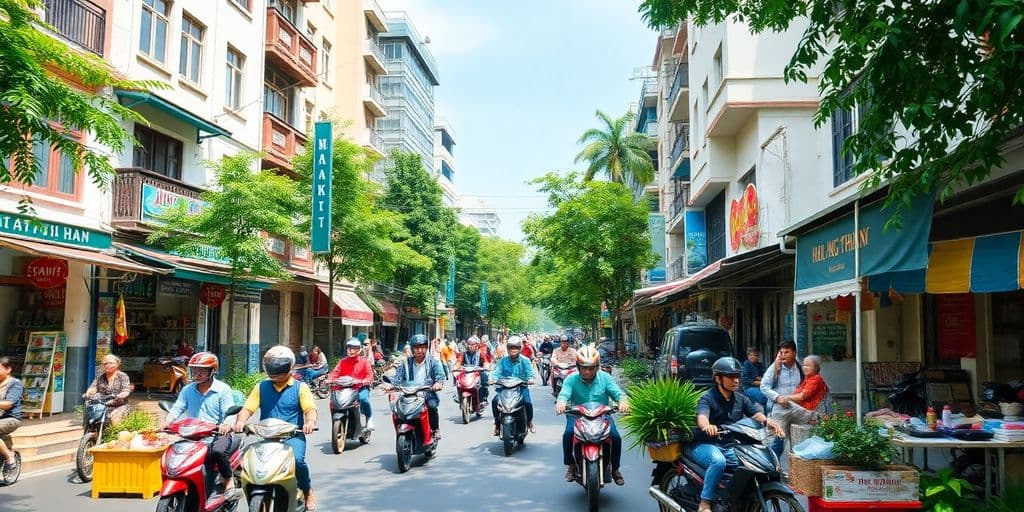
If you're thinking about moving to Ho Chi Minh City, you're in for a wild ride. This bustling metropolis is a mix of vibrant culture, delicious food, and a unique lifestyle that can be quite different from what you might be used to. Whether you're here for work or adventure, this expat guide in Ho Chi Minh City will help you navigate the essentials of living in this dynamic city. From understanding local customs to finding the right neighbourhood, we've got you covered.
Key Takeaways
- Ho Chi Minh City is lively and full of surprises, so keep an open mind.
- Districts 1, 2, and 7 are popular spots for expats due to job and housing options.
- Renting can be tricky, so it's wise to ask locals for help with negotiations.
- Public transport is available, but many prefer the motorbike culture for getting around.
- Local cuisine is a must-try; don't miss out on street food and traditional dishes.
Understanding The Local Culture
Ho Chi Minh City is a whirlwind of sights, sounds and smells. Getting to grips with the local culture can really make or break your experience as an expat. It's not just about seeing the tourist spots; it's about understanding how people interact, what they value, and how you can respectfully fit in.
Embracing Vietnamese Traditions
Vietnamese culture is steeped in tradition, and showing respect for these customs will go a long way. Family is incredibly important, and ancestor worship is common. Here are a few things to keep in mind:
- Tet Nguyen Dan (Lunar New Year) is the most important holiday. Expect closures and travel chaos, but also incredible celebrations.
- Giving and receiving with both hands is a sign of respect, especially when dealing with elders.
- Temples and pagodas are sacred places. Dress modestly and be quiet.
Understanding the significance of face (saving face) is also key. Avoid public confrontation or criticism, as it can cause embarrassment and damage relationships.
Navigating Social Etiquette
Social interactions in Vietnam are often more formal than what you might be used to. A smile goes a long way, but there are other nuances to be aware of. For example, when you explore the culture, you'll notice:
- Greetings often involve a slight bow or nod, especially to elders.
- Direct eye contact can be seen as challenging, so maintain a respectful distance.
- Public displays of affection are generally avoided.
Language Tips for Expats
While English is spoken in tourist areas, learning some basic Vietnamese phrases will significantly improve your daily life and endear you to the locals. Don't worry about being perfect; even a few words show effort and respect. Here are some useful phrases:
- Xin chào (Sin Chao): Hello
- Cảm ơn (Kam uhn): Thank you
- Bao nhiêu tiền? (Bao nyew teen?): How much?
- Tôi không hiểu (Toy khong hyew): I don't understand
Learning the tones can be tricky, but don't let that discourage you. There are plenty of language apps and classes available. Even attempting to speak Vietnamese will be appreciated and can lead to some fun and memorable interactions.
Choosing The Right Neighbourhood
Picking where to live in Ho Chi Minh City is a big decision. With so many districts, each with its own vibe, it can feel overwhelming. I've been there, trust me! It's about finding a place that fits your lifestyle and budget. Let's break down some popular options.
Popular Districts for Expats
District 1 is the city's heart, buzzing with activity. You'll find loads of tourist spots, restaurants, and nightlife. It's convenient but can be noisy and expensive. Then there's District 2 (especially Thao Dien), a favourite among expats. It's got a more relaxed feel, with international schools and plenty of Western-style amenities. However, it's further from the city centre. Binh Thanh District is becoming increasingly popular, offering a mix of local and modern living. You'll find high-end apartments alongside traditional Vietnamese streets. District 3 is a good middle ground, close to the centre but a bit quieter than District 1. It has some cool cafes and the famous pink church, Tan Dinh. Many expat families reside in District 7, making it a quiet haven. The wide roads are tree-lined and quiet, and much of the community is considered Saigon’s Korea Town. Finally, Phu Nhuan District offers a more authentic experience, blending local culture with modern conveniences.
Cost of Living in Different Areas
The cost of living varies significantly depending on the district. District 1 and District 2 (Thao Dien) tend to be the most expensive, especially for Western-style apartments. Binh Thanh offers slightly more affordable options, while Districts 3 and Phu Nhuan are generally cheaper. District 7 is also relatively affordable, especially if you're looking for a family-friendly environment. Here's a rough guide:
- District 1: £1,000+ per month
- District 2 (Thao Dien): £900+ per month
- Binh Thanh: £700+ per month
- District 3: £600+ per month
- Phu Nhuan: £550+ per month
These are just estimates, and your actual expenses will depend on your lifestyle and spending habits.
Safety Considerations
Ho Chi Minh City is generally safe, but petty crime can be an issue, especially in crowded tourist areas. Keep an eye on your belongings and be aware of your surroundings. Some areas, like Bui Vien Walking Street in District 1, can get rowdy at night. District 2 (Thao Dien) and District 7 are considered safer, with lower crime rates. It's always a good idea to research specific neighbourhoods and read reviews from other expats before making a decision.
When I first moved here, I spent ages trying to figure out the best area. I ended up staying in a few different places before settling on Binh Thanh. It's a good balance of local life and modern amenities, and it's not too far from the city centre. Plus, the rent is reasonable. Don't be afraid to try out a few different areas before you commit to a long-term lease. You can find the best areas of Ho Chi Minh City to stay to get a feel for each neighbourhood.
Finding Accommodation
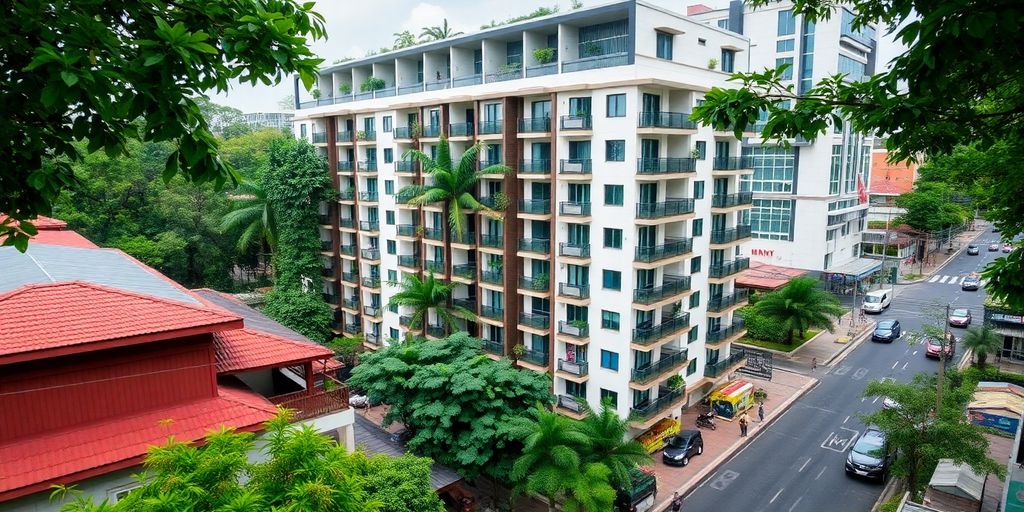
Finding a place to live is a big deal when you move to a new city. Ho Chi Minh City has loads of options, but it can feel overwhelming at first. Here's a breakdown to help you get started.
Types of Housing Available
You'll find all sorts of places to live here, from modern apartments to traditional Vietnamese houses. It really depends on your budget and what you're after. Here's a quick rundown:
- Apartments: These are everywhere, especially in Districts 1, 2, and 7. You can find everything from studios to huge family apartments. Expect to pay more for newer buildings with facilities like gyms and pools.
- Serviced Apartments: A good option if you want something hassle-free. They usually include cleaning, laundry, and sometimes even meals. Great for short-term stays or if you don't want to deal with setting up utilities.
- Houses: If you're after more space and a garden, you might want to look at houses. These are more common in the outer districts. Be prepared for potentially older buildings and more maintenance.
- Shared Accommodation: A popular choice for expats on a budget. You can rent a room in a shared house or apartment. It's a good way to meet people too.
Tips for Negotiating Rent
Negotiating is expected, so don't be afraid to haggle. Here are some tips:
- Do your research: Find out what similar properties are renting for in the area. Websites and estate agents can help.
- Be polite but firm: Start with a lower offer than you're willing to pay and work your way up.
- Point out any flaws: If the property needs repairs or has any issues, use that as leverage.
- Offer a longer lease: Landlords often prefer longer leases, so you might get a better deal if you commit to a year or more.
- Be prepared to walk away: If the landlord isn't willing to negotiate, be ready to look elsewhere. There are plenty of other options available.
It's a good idea to get everything in writing. Make sure the lease agreement clearly states the rent, deposit, and any other terms and conditions. Also, take photos of the property before you move in, so you have evidence of its condition.
Resources for Apartment Hunting
Finding a place can take time, but these resources should help:
- Online Portals: Websites like batdongsan.com.vn and chotot.com list properties for rent. They're mostly in Vietnamese, so use a translator if needed.
- Estate Agents: Plenty of estate agents specialise in expat rentals. They can help you find properties that meet your needs and negotiate on your behalf. Ask around for recommendations.
- Facebook Groups: Join expat groups on Facebook. People often post about apartments for rent or recommend estate agents. It's also a good place to ask for advice.
- Word of Mouth: Tell your friends and colleagues that you're looking for a place. They might know of something available.
Here's a table showing average rental costs in different districts:
| District | Average Monthly Rent (1-Bedroom Apartment) |
|---|---|
| District 1 | £700 - £1200 |
| District 2 | £600 - £1000 |
| District 3 | £500 - £800 |
| District 7 | £550 - £900 |
Remember to check out visa applications before you move!
Employment Opportunities
So, you're thinking about working in Ho Chi Minh City? Good choice! There are definitely opportunities here, but it's worth knowing what to expect before you jump in. It's not always straightforward, but with a bit of research and planning, you can find something that suits you.
Common Jobs for Expats
What kind of jobs do expats usually get here? Well, teaching English is a big one. There are loads of language centres always on the lookout for native speakers. You'll need a TEFL certificate usually, but some places might take you on without if you've got a degree. Another option is working for international companies. Ho Chi Minh City is a growing business hub, so there are opportunities in fields like marketing, IT, and finance. Just be prepared for some competition.
- English Teacher
- Marketing Executive
- IT Consultant
- Finance Analyst
Work Visa Requirements
Okay, this is the boring but important bit. Getting a work visa can be a bit of a pain, to be honest. You'll need a sponsor, which is usually the company you're working for. They'll handle most of the paperwork, but you'll need to provide things like your passport, qualifications, and a health check. Make sure your visa requirements are all in order before you start working, or you could get into trouble. It's also worth checking the latest regulations, as they can change.
Networking in Ho Chi Minh City
Networking is super important here. It's not always what you know, but who you know. There are loads of expat groups and business associations where you can meet people. Attend industry events, join online forums, and just generally put yourself out there. You never know who might be able to help you find your next job. Don't be afraid to strike up conversations and exchange business cards. Building a professional network can really open doors.
Finding a job here can be challenging, but it's definitely doable. Be prepared to put in the effort, do your research, and network like crazy. With a bit of luck and perseverance, you'll find something that's a good fit for you.
Getting Around The City
Getting around Ho Chi Minh City can feel like a bit of an adventure, but once you get the hang of it, it's fairly straightforward. There are several options available, each with its own pros and cons. Understanding these options is key to making the most of your time here.
Public Transport Options
Public transport in Ho Chi Minh City is developing, but it's not as extensive as in some other major cities. Buses are available, and they're very cheap. However, they can be crowded and the routes aren't always easy to understand if you don't speak Vietnamese. The new metro line is a welcome addition, offering a modern and efficient way to travel between certain points. I would recommend using Google Maps to plan your journey, as it usually has up-to-date information on bus routes and metro schedules.
Motorbike Culture
Motorbikes are the undisputed king of the road in Ho Chi Minh City. Millions of them weave through the streets, and it's a common way for locals to get around. As an expat, you have a few choices: you can rent a motorbike, buy one, or use a ride-hailing app like Grab to book a motorbike taxi. If you're considering renting or buying, make sure you have a valid Vietnamese driving licence (or an international driving permit) and insurance. Also, it's worth taking some time to practise in a less busy area before hitting the main streets. You can also find rainy day activities to keep you entertained and dry!
Navigating Traffic Safely
Traffic in Ho Chi Minh City can be chaotic, to say the least. Here are a few tips to help you stay safe:
- Always wear a helmet, whether you're driving or a passenger.
- Be aware of your surroundings and anticipate the movements of other vehicles.
- Use your indicators to signal your intentions.
- Don't be afraid to use your horn to alert others to your presence.
- When crossing the street, walk slowly and steadily, making eye contact with drivers.
It's important to remember that traffic rules are often more like guidelines here. Don't assume that other drivers will follow them. Be prepared for unexpected manoeuvres and always prioritise your safety.
Here's a quick comparison of transport options:
| Transport | Cost | Convenience | Safety |
|---|---|---|---|
| Bus | Very Low | Low | Medium |
| Motorbike (Self-Drive) | Medium | High | Low |
| Grab (Motorbike/Car) | Medium | High | Medium |
| Taxi | High | High | Medium |
Ultimately, the best way to get around depends on your budget, comfort level, and destination. Don't be afraid to try different options and see what works best for you. You can also use the Grab app to book rides between certain attractions. And remember, patience is key!
Exploring Local Cuisine
Must-Try Dishes
Okay, so you've landed in Ho Chi Minh City. Forget the usual tourist traps for a minute and let's talk food. Vietnamese cuisine is a wild ride for your taste buds, and you're in for a treat. First things first: you absolutely HAVE to try Pho. It's the national dish for a reason – a steaming bowl of noodle soup, fragrant herbs, and tender meat. But don't stop there!
- Banh Mi: This isn't just any sandwich; it's a crispy baguette filled with pate, pickled veggies, coriander, and your choice of meat. Seriously good.
- Goi Cuon (Fresh Spring Rolls): Light, refreshing, and perfect for the hot weather. Dip them in peanut sauce for the full experience.
- Bun Cha: Grilled pork served with rice noodles, fresh herbs, and a dipping sauce. It's a Hanoi specialty, but you can find amazing versions here too.
Don't be afraid to try something new. Ask locals for their recommendations – they always know the best hidden gems. You might discover your new favourite dish!
Street Food Etiquette
Street food is where it's at in Ho Chi Minh City. It's cheap, delicious, and a total cultural experience. But there are a few things to keep in mind:
- Look for busy stalls: The more popular a place is, the fresher the food is likely to be.
- Observe the locals: See what they're ordering and how they're eating. Follow their lead!
- Don't be afraid to haggle (slightly): It's not expected everywhere, but at some stalls, you might be able to negotiate a better price. A smile and a friendly attitude go a long way.
Dining Out Tips
Eating out in Ho Chi Minh City is generally pretty affordable, but here are a few tips to make the most of your experience:
- Learn a few basic Vietnamese phrases: "Xin chao" (hello), "Cam on" (thank you), and "Bao nhieu?" (how much?) will be appreciated.
- Be aware of hygiene: Choose restaurants that look clean and well-maintained. Trust your gut.
- Tipping isn't mandatory: But it's always appreciated for good service. Rounding up the bill is a nice gesture. If you are looking for a place to start, check out these Saigon dining spots.
Healthcare and Insurance
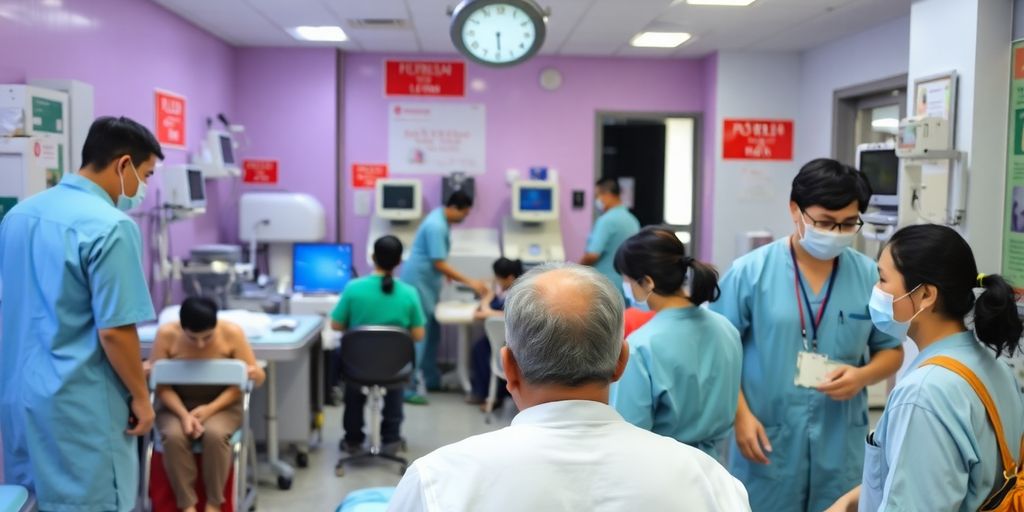
Moving to a new country always brings up the question of healthcare. It's not the most exciting topic, but it's definitely one of the most important. Figuring out how to access medical services and what kind of insurance you need can save you a lot of stress and money in the long run. Let's break down what you need to know about healthcare and insurance in Ho Chi Minh City.
Accessing Medical Services
Okay, so you're feeling a bit under the weather. What do you do? Well, Ho Chi Minh City has a mix of public and private healthcare facilities. Public hospitals are generally more affordable, but they can be crowded, and you might face language barriers. Private hospitals and clinics, on the other hand, usually have English-speaking staff and shorter waiting times, but they come with a higher price tag. Some popular options for expats include FV Hospital, City International Hospital, and Victoria Healthcare. It's a good idea to familiarise yourself with a few options near where you live.
- Pharmacies: Readily available and can provide over-the-counter medications for minor ailments.
- Clinics: Offer general check-ups and specialist consultations.
- Hospitals: Equipped for more serious conditions and emergencies.
Choosing Health Insurance
Getting health insurance is pretty much a must. You really don't want to be caught out with a hefty medical bill. There are a few options to consider. You could go for local Vietnamese insurance, which is generally cheaper but might have limited coverage and language support. Alternatively, you could opt for international health insurance, which offers more comprehensive coverage and access to a wider network of hospitals and clinics. LUMA provides affordable health insurance plans specifically designed for expats in Vietnam, so that's worth checking out. Make sure you compare different plans and see what suits your needs and budget.
Here's a quick comparison table:
| Feature | Local Insurance | International Insurance |
|---|---|---|
| Cost | Lower | Higher |
| Coverage | Limited | Comprehensive |
| Language Support | Limited | Extensive |
| Hospital Network | Smaller | Larger |
| Emergency Evacuation | Usually Not | Often Included |
Emergency Contacts
Hopefully, you won't need these, but it's always good to be prepared. Keep a list of emergency numbers handy, both on your phone and somewhere easily accessible at home. Here are a few key numbers:
- Emergency (Police/Fire/Ambulance): 115
- Police: 113
- Fire: 114
It's also a good idea to register with your embassy or consulate in Ho Chi Minh City. This way, they can assist you in case of an emergency or provide important updates and information. Knowing where to go and who to call can make a huge difference in a stressful situation.
Building A Social Network
Moving to a new city can be daunting, especially when it comes to building a social circle. Ho Chi Minh City is a vibrant place, and there are plenty of ways to connect with people, both expats and locals. It just takes a bit of effort and putting yourself out there.
Joining Expat Communities
One of the easiest ways to meet people is by joining expat communities. These groups often organise events, offer advice, and provide a sense of belonging. There are several active communities in Ho Chi Minh City catering to different interests and nationalities. You'll find groups on social media platforms like Facebook, Meetup, and InterNations. These platforms are great for finding events and connecting with people who share your interests. Don't be afraid to attend a few gatherings – most people are very welcoming and understand what it's like to be new in town.
Participating in Local Events
Getting involved in local events is a fantastic way to immerse yourself in the culture and meet new people. Ho Chi Minh City has a bustling social scene, with everything from art exhibitions and music festivals to food markets and sporting events. Keep an eye on local listings and event calendars to see what's happening. Even something as simple as attending a language exchange meetup can open doors to new friendships and experiences. Plus, it's a great way to improve your Vietnamese!
Making Friends in Ho Chi Minh City
Making friends takes time and effort, but it's definitely achievable in Ho Chi Minh City. Here are a few tips:
- Be open and approachable: Smile, make eye contact, and strike up conversations.
- Pursue your interests: Join clubs or groups related to your hobbies.
- Say yes to invitations: Even if you're tired, try to attend social events.
- Use social media: Connect with people online and arrange to meet in person.
- Be patient: Building meaningful relationships takes time.
Remember that cultural differences can sometimes affect social interactions. Be respectful of local customs and traditions, and don't be afraid to ask questions if you're unsure about something. Most Vietnamese people are very friendly and willing to help.
Final Thoughts on Living in Ho Chi Minh City
So there you have it, a bit of a rundown on what to expect when you make the leap to Ho Chi Minh City. It’s a lively place, full of surprises and challenges, but that’s part of the charm, right? You’ll find a mix of cultures, delicious food, and a community of expats ready to share their experiences. Just remember to keep an open mind and embrace the chaos. Whether you’re here for a short stint or planning to settle down, there’s plenty to love about this city. So, pack your bags, grab your sense of adventure, and get ready to dive into the vibrant life of Saigon!
Frequently Asked Questions
What is the best area to live in Ho Chi Minh City?
Districts 1, 2, 3, and 7 are popular among expats. They offer many job opportunities and are near amenities.
How much does it cost to live in Ho Chi Minh City?
Living costs vary by area. District 2 and 7 are pricier, while other districts can be more affordable.
Is it easy to find a job in Ho Chi Minh City?
Yes, many expats work as English teachers, and there are various job opportunities in other sectors too.
What is the public transport like in the city?
Ho Chi Minh City has buses, and many people use motorbikes to get around. Traffic can be busy.
How do I meet other expats in Ho Chi Minh City?
Joining expat groups on social media or attending local events can help you make new friends.
What should I know about Vietnamese food?
Vietnamese cuisine is delicious! Be sure to try dishes like pho and banh mi, and enjoy the street food.
Filed under
The Moveandstay editorial team writes about serviced living, workspaces, and city guides across Asia-Pacific.