Moving to Bangkok can be both thrilling and daunting. This vibrant city is a melting pot of cultures, offering a unique blend of modernity and tradition. Whether you're relocating for work, family, or adventure, this expat guide in Bangkok will provide you with essential tips and insights to help you settle in smoothly and enjoy your new life in this bustling metropolis.
Key Takeaways
- Bangkok has a tropical climate, so be prepared for hot and humid weather year-round.
- Public transport is affordable and efficient, but traffic can be a nightmare, so plan your journeys accordingly.
- The cost of living is generally lower than in other major cities, making it easier to enjoy a comfortable lifestyle.
- International schools are plentiful, offering various curricula to suit different educational needs for expat families.
- Healthcare in Bangkok is of high quality, with many English-speaking doctors available, but securing health insurance is advisable.
Understanding Bangkok's Climate and Environment
Bangkok's climate is something you'll quickly become familiar with. It's hot and humid pretty much all year round. Understanding what to expect can really help you settle in and plan your life here.
Weather Patterns Throughout the Year
Thailand has a tropical climate, so expect warm weather all the time. There are three main seasons:
- Hot season (March to June): Temperatures can climb above 35°C (95°F).
- Rainy season (June to October): Expect heavy rain and potential flooding.
- Cool season (November to February): This is the most pleasant time, with temperatures sometimes dropping to 15°C (60°F) in the north.
April is usually the hottest month, while December is the coolest, but even then, it's still warm. Knowing this helps you prepare your wardrobe and plan activities.
Dealing with Humidity
One of the first things expats notice is the humidity. It's high throughout the year, which can take some getting used to. Here are a few tips:
- Stay hydrated: Drink plenty of water.
- Wear light clothing: Natural fabrics like cotton are best.
- Use air conditioning: It's essential during the hottest months.
The humidity can be intense, especially if you're not used to it. It's not just about feeling sticky; it can also affect your energy levels. Taking it easy during the hottest parts of the day and making sure you have access to air conditioning can make a big difference.
Air Quality and Pollution Concerns
Unfortunately, Bangkok sometimes struggles with air pollution. This is something to be aware of, especially if you have respiratory issues. The smog can get pretty bad, leading to school and office closures. Here's what you should know:
- Monitor air quality: Check apps and websites for daily pollution levels.
- Wear a mask: Consider using a pollution mask on bad days.
- Limit outdoor activities: Reduce time spent outside when pollution is high.
Bangkok is a modern city, but rapid urbanisation has led to increased air pollution. The government is working on solutions, but it's something expats need to be aware of. For example, Thonglor is a trendy area to live in, but it's important to be aware of the air quality.
Navigating the City: Transport Options
Bangkok, like any major metropolis, presents a unique set of transport challenges and opportunities. Getting around efficiently is key to enjoying your time here, whether you're commuting to work or exploring the city's many attractions. From the elevated Skytrain to river taxis, there's a mode of transport to suit every need and budget. Just be prepared for the infamous Bangkok traffic!
Public Transport Systems
Bangkok boasts a fairly comprehensive public transport network, though it can take some getting used to. The BTS Skytrain and MRT subway are the quickest ways to bypass the notorious traffic congestion.
- BTS Skytrain: An elevated train system with two lines (Sukhumvit and Silom) that cover many of the main commercial and residential areas. You can use a Rabbit card for easy payment.
- MRT Subway: An underground system with two lines (Blue and Purple). It's less extensive than the Skytrain but connects to key areas.
- Airport Rail Link: Connects Suvarnabhumi Airport to the city centre (Phaya Thai station), making airport transfers much easier.
- Buses: A very extensive network, but can be slow due to traffic. Fares are cheap, but routes can be confusing for non-Thai speakers.
Traffic Challenges
Ah, Bangkok traffic. It's legendary, and not in a good way. Be prepared for gridlock, especially during peak hours. Several factors contribute to this:
- High population density: Bangkok is a densely populated city, leading to a large number of vehicles on the road.
- Narrow streets: Many streets are narrow and winding, making it difficult for traffic to flow smoothly.
- Increasing car ownership: More and more people are buying cars, adding to the congestion.
- Lack of efficient traffic management: While improvements are being made, traffic management could still be better.
Plan your journeys carefully, especially during rush hour. Consider using public transport or alternative modes of transport to avoid getting stuck in traffic. Allow extra time for travel, and be patient!
Biking and Walking in Bangkok
While not always the most practical options, biking and walking can be viable ways to get around certain areas of Bangkok. However, there are some things to keep in mind:
- Heat and humidity: Bangkok is hot and humid year-round, so be prepared to sweat a lot. Stay hydrated and wear light clothing.
- Air pollution: Air quality can be poor, especially during certain times of the year. Consider wearing a mask.
- Traffic: Be very careful when biking or walking near traffic. Many drivers don't pay attention to cyclists or pedestrians.
- Sidewalk conditions: Sidewalks can be uneven and crowded, so watch your step.
Despite these challenges, biking and walking can be a great way to explore the city at a slower pace and discover hidden gems. Just be sure to take precautions and be aware of your surroundings.
Finding Accommodation in Bangkok
Finding a place to live is a big deal when you move to a new city, and Bangkok is no exception. There are loads of options, from modern condos to more traditional houses, so it's worth doing your research. Let's break down what you need to know.
Best Neighbourhoods for Expats
Some areas are more popular with expats than others, and for good reason. Sukhumvit is a classic choice, with easy access to the BTS Skytrain and plenty of restaurants and shops. Silom and Sathorn are also popular, especially for those working in the financial district. These areas tend to be a bit pricier, but you're paying for convenience. If you're after something a bit quieter, consider areas further out from the city centre, but bear in mind the commute. Proximity to public transport is key in Bangkok.
Renting vs Buying Property
Deciding whether to rent or buy depends on your long-term plans. Renting is more common for expats, especially those who aren't sure how long they'll be staying. It gives you flexibility and avoids the hassle of property ownership. Buying can be a good investment if you plan to stay for a while, but it comes with its own set of challenges, like dealing with Thai property laws and finding a reliable lawyer. You can find apartments and serviced apartments for rent in Bangkok and its surrounding neighbourhoods.
Understanding Lease Agreements
Before you sign anything, make sure you understand the lease agreement. Standard leases are usually for a year, and you'll typically need to pay a deposit of two or three months' rent, plus one month's rent in advance. Read the fine print carefully, and don't be afraid to ask questions. It's also worth noting that you'll usually need your passport, work permit, and proof of income to rent a place.
It's a good idea to get help from a property agent, especially if you don't speak Thai. They can help you find suitable properties, negotiate lease terms, and navigate the legal stuff. Plus, they often have access to listings that you won't find online. Just make sure you choose a reputable agent with experience working with expats.
Visa Regulations and Work Permits
Sorting out your visa and work permit is a big deal when you're planning to live and work in Bangkok. It can seem a bit daunting at first, but getting it right from the start will save you a lot of hassle later on. Let's break down what you need to know.
Types of Visas Available
There are several types of visas you might need, depending on your situation. The most common one for expats working in Bangkok is the Non-Immigrant B Visa. This visa is specifically for those intending to work or conduct business in Thailand. There's also the Non-Immigrant O visa, often used by dependents of those working in Thailand, such as spouses or children under 20. If you're planning a longer stay, you might look into a Non-Immigrant O-X or O-A long-stay visa, but these come with their own set of requirements, like needing to report your address every 90 days. It's worth checking the latest requirements on the Immigration Bureau of Thailand website, as things can change.
- Tourist Visa: Good for short stays, but not for working.
- Non-Immigrant B Visa: For working or doing business.
- Non-Immigrant O Visa: For dependents of those working in Thailand.
Application Process for Work Permits
To get a work permit, you generally need to have a job offer first. Your employer will play a big role in helping you with the application, as they need to provide a lot of documentation. The Department of Employment, which is part of the Ministry of Labour, issues work permits. The process can be complex, and it usually involves submitting a stack of documents. A key thing to remember is that the employing company usually needs to employ at least four Thai nationals for every foreign employee they sponsor. Also, the company needs to have a paid-up share capital of at least 2 million THB per foreigner they want to employ. Once you have your Non-Immigrant B visa, your employer can start the process of applying for your work permit. It's usually granted for either six months or a year, regardless of your contract length. Always keep your work permit at your place of employment, ready for inspection.
Renewal and Compliance Requirements
Keeping on top of renewals and sticking to the rules is super important. Your work permit is tied to your Non-Immigrant B Visa, so when your visa expires, so does your work permit. Make sure you keep an eye on the expiry date and start the renewal process well in advance to avoid any hiccups. It's also crucial not to leave the country without a re-entry permit in your passport. If you do, your visa will automatically be cancelled, and you'll have to start the whole process again with a new business visa and work permit. You can get re-entry permits from a Thai Immigration Office or an International Airport. A single re-entry permit costs 1,000 Baht, while a multiple re-entry permit is 3,800 Baht. Remember, your work permit is only valid for the specific job, within the specific company, and at the specific location it was issued for. If you change jobs or your responsibilities change, you'll need to apply for a new work permit or a transfer.
Working in Thailand without a valid work permit can lead to some serious consequences. You could face fines ranging from 2,000 to 100,000 THB, imprisonment, or even deportation. Plus, you might be blacklisted, which means you won't be allowed back into the country. It's always best to do things by the book and get the right permits before you start working.
Cost of Living in Bangkok
Bangkok can be a pretty affordable place to live, especially when you compare it to other major cities around the world. Of course, how much you spend really depends on your lifestyle. Are you planning on living like a local, or do you want all the comforts of home? Let's break down some of the key expenses.
Housing and Utilities
Finding a place to live is probably going to be your biggest expense. The cost can vary wildly depending on the location, size, and type of accommodation. If you want to be right in the city centre, near all the action, expect to pay more. Areas further out are generally cheaper. Condos are popular with expats, especially those moving without families, as they often come with amenities like gyms and pools. Apartments are better suited for families, offering more space with multiple bedrooms.
To give you a rough idea:
- A one-bedroom condo in the city centre might set you back around 35,000 THB (about £800) per month.
- A two-bedroom condo in the same area could be 45,000 THB (£1,030) or more.
- For a larger apartment suitable for a family, expect to pay upwards of 65,000 THB (£1,500) per month.
Don't forget to factor in utilities! Air conditioning is a must in Bangkok's climate, so your electricity bill can be significant. Internet, water, and other services will add to your monthly expenses. When you rent an apartment in Bangkok, you're usually expected to pay a deposit worth two or three months' rent, plus one or two months' rent in advance. Lease agreements are typically for a year, but you can always try to negotiate.
Food and Dining Expenses
Eating out in Bangkok can be incredibly cheap, especially if you embrace street food and local restaurants. You can easily get a delicious meal for just a few pounds. Of course, if you prefer Western-style restaurants or fine dining, you'll pay considerably more. Groceries are also relatively affordable, especially if you shop at local markets. Imported goods will always be more expensive.
Here's a quick breakdown:
- Street food meal: 50-100 THB (£1-£2.30)
- Local restaurant meal: 150-300 THB (£3.50-£7)
- Western-style restaurant meal: 500+ THB (£11.50+)
If you want to save money on food, try to cook at home more often and explore the local markets. You'll find fresh produce and ingredients at much lower prices than in supermarkets.
Healthcare Costs
Healthcare in Bangkok is generally very good, with a mix of public and private hospitals. Private hospitals offer excellent facilities and English-speaking staff, but they are more expensive. Public hospitals are more affordable, but you might encounter language barriers and longer waiting times. Health insurance is essential, and the cost will depend on the level of coverage you choose. It's worth researching different health insurance options to find one that suits your needs and budget.
Here's a rough guide:
- Basic doctor's visit at a private hospital: 1,500-3,000 THB (£35-£70)
- Health insurance (depending on coverage): 2,000-10,000+ THB (£46-£230+) per month
Overall, Bangkok offers a good quality of life at a reasonable cost. With careful planning and budgeting, you can live comfortably and enjoy all that this vibrant city has to offer.
Education Options for Expat Families

Choosing the right school for your children is a big decision when moving to a new country. Bangkok has a wide range of educational options, from international schools to bilingual programmes, so it's worth doing your research. Let's have a look at what's available.
International Schools Overview
Bangkok boasts a large number of international schools, catering to various curricula and nationalities. These schools generally offer high standards of education and a diverse learning environment. You'll find schools following the British, American, and International Baccalaureate (IB) systems, as well as some offering other national curricula like German or Singaporean. The quality of life for expats is often enhanced by these top-notch educational institutions.
- British Curriculum: Focuses on a structured, exam-oriented approach, culminating in IGCSEs and A-Levels.
- American Curriculum: Emphasises a broader, more flexible approach with a focus on critical thinking and project-based learning.
- IB Curriculum: Aims to develop well-rounded individuals with a global perspective, focusing on inquiry-based learning and intercultural understanding.
Choosing an international school often means higher tuition fees, but it also provides a familiar educational framework for children transitioning from overseas. It's a significant investment, but many families find it worthwhile for the continuity and quality of education.
Curriculum Differences
The main curriculum differences lie in the teaching methods, assessment styles, and the qualifications awarded. British schools tend to be more structured, with a strong emphasis on exams. American schools often prioritise a more flexible approach, with continuous assessment and a broader range of subjects. The IB curriculum aims to combine the best aspects of both systems, fostering critical thinking and international mindedness. Understanding these curriculum differences is key to making the right choice.
| Curriculum | Teaching Style | Assessment | Qualifications |
|---|---|---|---|
| British | Structured, exam-focused | Exams, coursework | IGCSEs, A-Levels |
| American | Flexible, project-based | Continuous assessment | High School Diploma, AP Exams |
| IB | Inquiry-based, global perspective | Internal and external assessments | IB Diploma |
Extracurricular Activities
Extracurricular activities are a vital part of the educational experience in Bangkok's international schools. Schools typically offer a wide range of options, including sports, music, drama, arts, and various clubs and societies. These activities provide opportunities for students to develop their talents, explore new interests, and build social skills. Many schools also offer extracurricular activities focused on community service and environmental awareness, encouraging students to become responsible global citizens.
- Sports: Football, basketball, swimming, tennis, and more.
- Arts: Music, drama, painting, sculpture, and photography.
- Clubs: Debate, Model United Nations, robotics, and coding.
Cultural Adaptation and Social Life
Moving to a new country is exciting, but it also comes with its challenges. Getting used to a new culture and building a social life are key to feeling at home in Bangkok. It's not always easy, but with a bit of effort, you can create a fulfilling life here.
Understanding Thai Culture
Thai culture is rich and complex, influenced by Buddhism, Hinduism, and neighbouring countries. It's important to be aware of local customs and traditions to avoid misunderstandings and show respect. For example, the wai is a common greeting where you bow slightly with your hands pressed together – it's a sign of respect. Also, remember that the head is considered the most sacred part of the body, so avoid touching anyone's head. Feet, on the other hand, are considered dirty, so don't point your feet at people or sacred objects.
Showing respect to the monarchy is also very important. Public criticism of the royal family is a serious offence. It's best to avoid discussing the topic altogether, especially in public.
Here are a few things to keep in mind:
- Respect for elders: Age is highly valued in Thai society, and older people are treated with great respect.
- Saving face: Avoiding confrontation and maintaining harmony are important. Try to be polite and avoid causing embarrassment to others.
- Non-verbal communication: Pay attention to body language and tone of voice. A smile can mean many things in Thailand, not just happiness.
Building a Social Network
Making friends is essential for feeling settled in a new place. Luckily, Bangkok is a very social city with plenty of opportunities to meet people. International students can find it easier to connect with others who share similar experiences.
Here are some ideas for building your social circle:
- Join expat groups: There are many expat groups in Bangkok that organise social events and activities. These are a great way to meet other expats and make new friends.
- Take a class: Learning Thai or taking a cooking class is a fun way to meet people who share your interests.
- Volunteer: Volunteering for a local charity is a rewarding way to give back to the community and meet like-minded people.
Participating in Local Events
Bangkok is a city that loves to celebrate. There are festivals and events happening all year round, offering a fantastic way to experience Thai culture and meet locals. Songkran (Thai New Year) is a particularly fun festival, with water fights taking place all over the city. Loy Krathong, the festival of lights, is another beautiful event where people release decorated floats onto the rivers and canals.
Here's a quick rundown of some popular events:
| Event | Description |
|---|---|
| Songkran | Thai New Year, celebrated with water fights. |
| Loy Krathong | Festival of lights, with floats released on rivers and canals. |
| Chinese New Year | Celebrated by Bangkok's large Chinese community with parades and festivities. |
Getting involved in local events is a great way to immerse yourself in Thai culture and make lasting memories. Don't be afraid to step outside your comfort zone and try new things. You might just surprise yourself!
Healthcare Services and Insurance
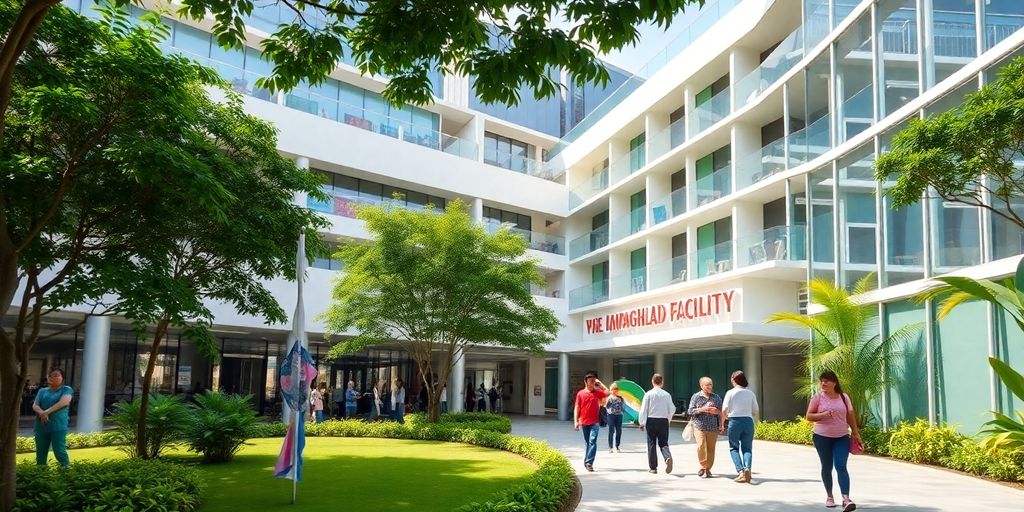
Public vs Private Healthcare
Thailand has both public and private healthcare options, and it's worth understanding the differences. The public system is pretty comprehensive, with universal coverage for Thai citizens. This means most locals can access treatment for a small fee or even for free. However, as an expat, you might find the public system a bit challenging due to language barriers and potentially long waiting times. Private hospitals, on the other hand, generally offer a higher standard of care, shorter waiting times, and English-speaking staff. They're also equipped with more advanced technology. However, this comes at a higher cost.
Finding English-Speaking Doctors
Finding a doctor who speaks English is pretty important when you're living in Bangkok. Luckily, many doctors in private hospitals and clinics are fluent in English. Some ways to find them include:
- Asking your embassy or consulate for recommendations.
- Checking online directories of international hospitals and clinics.
- Getting referrals from other expats.
It's always a good idea to do a bit of research and read reviews before choosing a doctor. You want to make sure you feel comfortable and confident in their care. Don't be afraid to ask questions about their experience and qualifications.
Health Insurance Options
Having health insurance is pretty much a must when you're an expat in Bangkok. While the public system is available, it's often easier and more convenient to use private facilities, and that can get expensive without insurance. There are a few options to consider:
- International Health Insurance: These plans offer comprehensive coverage and are designed for expats, often including things like medical evacuation and repatriation. Companies like Cigna and GeoBlue are popular choices.
- Local Thai Insurance: These plans are generally more affordable than international ones, but they might not cover you for treatment outside of Thailand. They can still be a good option if you plan to stay in Bangkok long-term.
- Company-Provided Insurance: If you're working in Bangkok, your employer might offer health insurance as part of your benefits package. Check the details of the policy to see what's covered and if it meets your needs.
It's worth comparing different plans and considering your individual needs and budget before making a decision. Think about things like the level of coverage you need, the hospitals and clinics you want to be able to use, and any pre-existing medical conditions you have. Getting healthcare in Thailand can be straightforward with the right planning.
Wrapping Up Your Bangkok Adventure
So, there you have it. Moving to Bangkok can be a wild ride, but it’s also full of chances to explore and grow. The city’s got a lot to offer, from its vibrant street life to its rich culture. Just remember to keep your wits about you, especially when it comes to the traffic and the heat. Finding a good place to live is key, and don’t forget to sort out your visa situation before you arrive. Whether you’re here for work or just to soak up the atmosphere, you’ll find that the expat community is welcoming and full of helpful tips. Embrace the chaos, enjoy the food, and make the most of your time in this incredible city!
Frequently Asked Questions
What is the weather like in Bangkok?
Bangkok has a warm and humid climate. It has three main seasons: hot, rainy, and cool. The hottest months are usually from March to May, while the rainy season lasts from May to October.
How can I get around the city?
Bangkok has many transport options. You can use the Skytrain, subway, buses, or taxis. However, traffic can be heavy, so plan your journey accordingly.
What are the best neighbourhoods for expats?
Some popular areas for expats include Asoke, Sukhumvit, and Silom. These places are close to public transport and have many shops and restaurants.
How do I find accommodation in Bangkok?
You can look for apartments or houses online through various websites. It's important to decide whether you want to rent or buy and to understand the lease terms.
What type of visa do I need to work in Bangkok?
Most expats need a Non-Immigrant Visa 'B' to work in Thailand. You will also need to apply for a work permit.
Is healthcare in Bangkok good for expats?
Yes, Bangkok has many private hospitals that offer good quality healthcare. Many doctors speak English, and it is advisable to have health insurance.
The Moveandstay editorial team writes about serviced living, workspaces, and city guides across Asia-Pacific.