
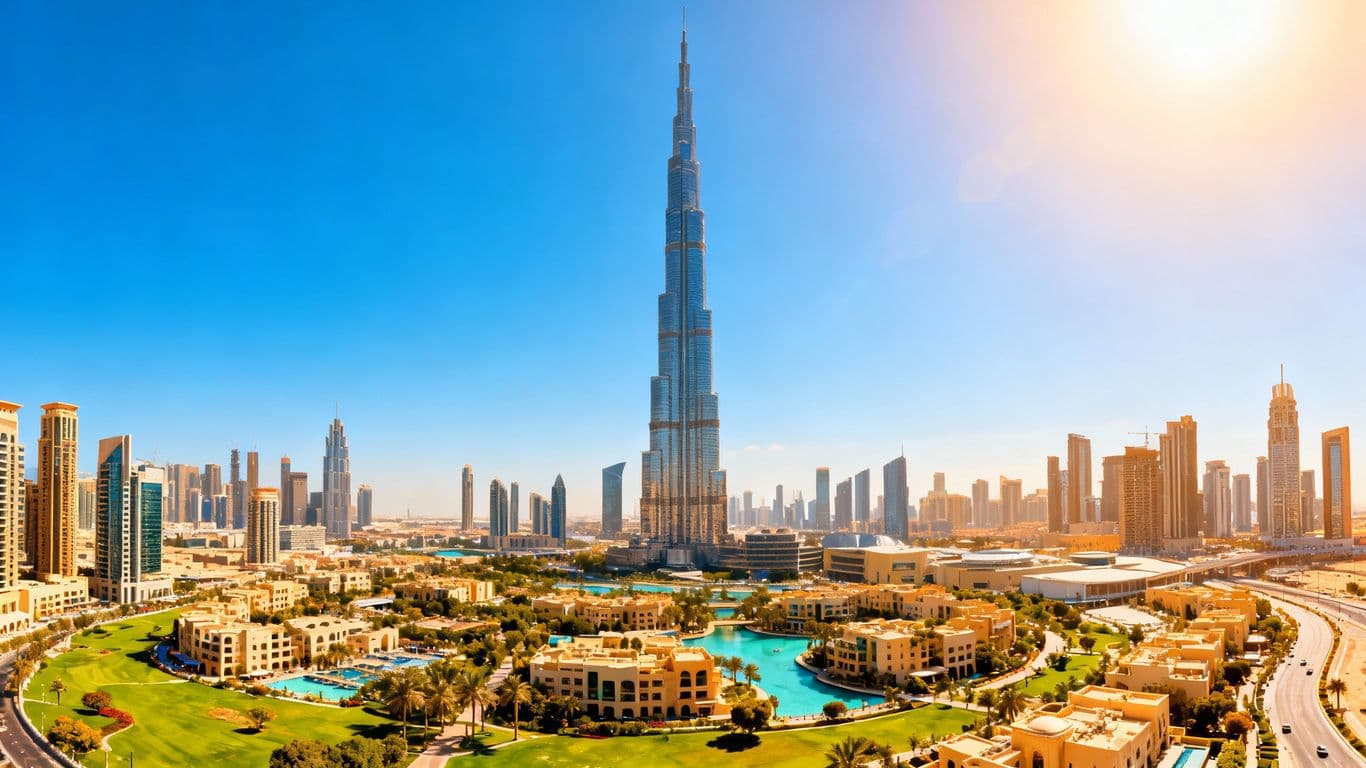
You see all these glitzy pictures online and think Dubai must cost a fortune, right? Like, only super-rich people can even think about living there. Well, I'm here to tell you it's not quite like that. While some things are definitely high-end, the reality of the cost of living in Dubai for an expat is a lot more down-to-earth than you might expect. Let's break down what you really need to know.
Key Takeaways
- Dubai's cost of living for expats can be surprisingly reasonable, often comparable to major European cities, despite its luxurious image.
- While prime areas like Downtown Dubai and the Marina are expensive, more affordable housing options exist in other neighborhoods.
- Daily expenses such as groceries and dining out can be budget-friendly, especially if you explore local markets and eateries.
- Transportation, particularly the efficient Metro system and affordable taxis, makes getting around Dubai cost-effective.
- While luxury shopping is abundant, value can be found at local malls and through popular chain stores accessible to expats.
Understanding Dubai's Cost of Living for Expats
Debunking the Myth of Extreme Expense
Lots of people think Dubai is just for the super-rich, you know, the kind you see on Instagram with private jets and diamond-encrusted everything. And sure, those places exist, and they get a lot of airtime. But honestly, that's not the whole story. Dubai can be surprisingly affordable, especially when you compare it to other major cities around the world. It's easy to get caught up in the glitz and glamour you see online, but the reality on the ground is often much more down-to-earth. Think of it like any big city – there are fancy parts and then there are the everyday neighborhoods where people actually live and work. The areas you see most in ads, like Downtown or the Marina, are definitely pricier, but they're not the only Dubai out there.
Comparing Dubai's Costs to European Cities
When you start looking at the numbers, Dubai often stacks up pretty well against popular European cities. Forget the idea that it's automatically more expensive than, say, London or Paris. In many cases, the cost of daily living – things like food, transport, and even basic entertainment – can be quite similar, or even less. For a single person, you might find your monthly expenses, excluding rent, are in a similar ballpark to places like Amsterdam or Lisbon. It’s a bit of a surprise, I know, but it means that the dream of living in Dubai might be more within reach than you initially thought.
The Role of Social Media in Perceptions
Let's be real, social media plays a massive role in how we see places like Dubai. We're bombarded with images of luxury hotels, extravagant brunches, and designer shopping sprees. It’s easy to form an opinion based on these curated snapshots. But these posts usually only show one side of the coin. They don't often show the local markets where you can haggle for spices, the simple but delicious street food stalls, or the quiet residential areas. This constant stream of high-end content creates a perception that Dubai is exclusively for the wealthy, which, as we'll see, isn't the full picture.
It's important to remember that online portrayals are often filtered and highlight the exceptional rather than the everyday. This can skew our expectations about the actual cost of living in a city.
Affordable Living and Daily Expenses in Dubai
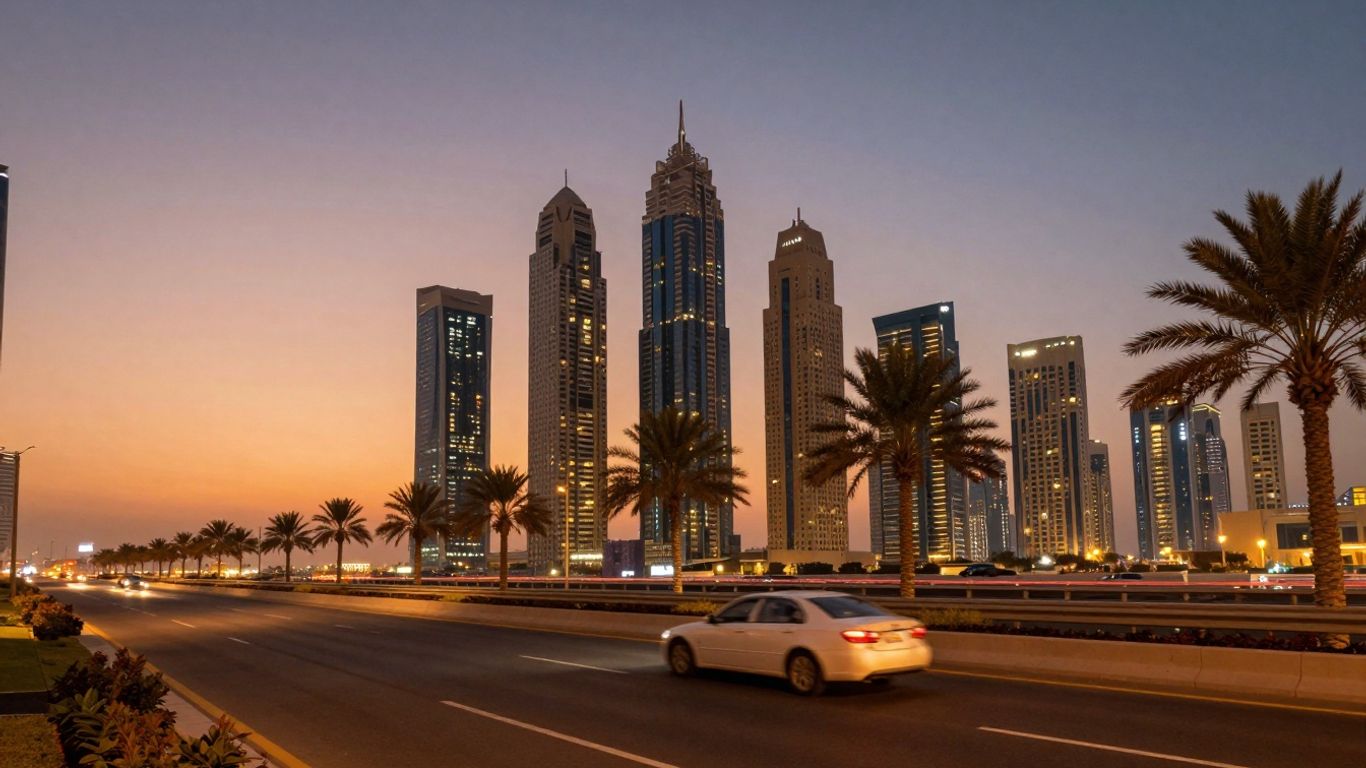
When you see pictures of Dubai online, it's easy to think it's all about fancy hotels and expensive shopping. But honestly, day-to-day life here can be surprisingly manageable, even on a tighter budget. It's not all about the glitz; there are plenty of ways to keep your expenses in check.
Budget-Friendly Dining Options
Forget those Michelin-starred restaurants for your everyday meals. Dubai has an incredible food scene that caters to all pockets. You can find delicious and authentic meals for a fraction of what you might expect. Think about exploring the older parts of the city or areas like Karama and Deira. Here, you'll discover a huge variety of cuisines, from South Asian curries to Middle Eastern grills, often costing less than $10 per person. Even in more central areas, many cafes and casual eateries offer great value.
- Local Cafeterias: These are everywhere and serve quick, tasty meals like shawarma and falafel sandwiches for just a few dollars.
- Food Courts in Malls: While some are pricey, many offer diverse options at reasonable prices, especially during lunch hours.
- Ethnic Restaurants: Explore Indian, Pakistani, Filipino, and other Asian eateries for flavorful and filling meals that won't break the bank.
The perception of Dubai as solely a luxury destination often overshadows the reality of its diverse culinary landscape, where affordable and authentic food is readily available if you know where to look.
The Cost of Groceries and Essentials
Buying your groceries in Dubai is pretty straightforward and can be quite affordable. Supermarkets are well-stocked, and you can find everything from imported goods to local produce. Prices are generally competitive, especially if you shop at larger chains or hypermarkets. For example, a weekly shop for a single person might cost around AED 200-300, depending on your choices. You can definitely save money by sticking to local brands and seasonal fruits and vegetables.
Here's a rough idea of what some common items might cost:
| Item | Approximate Cost (AED) |
|---|---|
| Loaf of Bread | 3-5 |
| Liter of Milk | 5-7 |
| Dozen Eggs | 10-15 |
| 1kg Chicken Breast | 25-35 |
| 1kg Rice | 7-10 |
| Basic Toiletries | 10-20 per item |
Navigating Local Markets for Savings
For an even more budget-friendly experience, check out Dubai's local markets, often called 'souks'. While some are tourist-focused, others offer fantastic deals on fresh produce, spices, and household goods. The fruit and vegetable markets, in particular, are great places to get fresh items at lower prices than supermarkets, especially if you buy in bulk or towards the end of the day. It's also a more vibrant shopping experience than just wandering through a supermarket. You can find great deals on daily living costs if you're willing to explore a bit.
Housing Costs: The Biggest Factor in Dubai Expenses
When people talk about Dubai, the glitz and glamour often come to mind. But let's get real for a second – the biggest chunk of anyone's budget here is almost always going to be rent. It's the one expense that can really make or break your perception of whether Dubai is affordable or not. While the city has a reputation for luxury, finding a place to live can be surprisingly varied.
Understanding Rental Market Dynamics
The rental market in Dubai can feel a bit like a puzzle. You've got areas that are super popular with expats, which naturally drives up prices. Then there are other neighborhoods that offer a more relaxed vibe and, you guessed it, more reasonable rents. It's not just about the location, though. The type of building, the amenities offered, and even the time of year you're looking can play a role. Sometimes, you'll see entire buildings sitting empty, which is odd given the demand, but it means there's potential for negotiation if you know where to look.
Average Rent for Different Apartment Sizes
Okay, let's talk numbers. It's tough to give exact figures because prices change, but we can look at averages. For a single person, you might be looking at around $1,193 per month for a decent place. Families will obviously need more space and budget. A two-bedroom apartment, for instance, could easily be in the $3,000 range, though this varies wildly. The key is to research specific areas and compare what you get for your money.
| Apartment Size | Average Monthly Rent (USD) |
|---|---|
| Studio | $800 - $1,200 |
| 1-Bedroom | $1,000 - $1,800 |
| 2-Bedroom | $1,500 - $3,000 |
| 3-Bedroom | $2,000 - $4,500 |
Affordable Neighborhoods for Expats
If you're trying to keep housing costs down, there are definitely areas that are more budget-friendly. Places like Jumeirah Village Circle (JVC), International City, and Dubai Silicon Oasis are often mentioned. These spots tend to offer good value without being too far from the action. You might not be right on the beach or next to the Burj Khalifa, but you'll likely find a comfortable home that doesn't eat up your entire paycheck. Plus, many of these areas have great community vibes and all the daily necessities you need.
Remember that flexible rental contracts and even shared housing options exist, making it possible for people with different budgets to find a place to call home in Dubai. Don't just assume everything is out of reach based on the most heavily advertised areas.
Finding the right place often involves a bit of legwork, but it's totally doable. You can explore options for apartments in Dubai that fit your needs and budget. It's all about balancing location, size, and what you're willing to spend. Don't be afraid to explore beyond the most famous districts; that's often where the real value lies.
Transportation and Getting Around Dubai
When you first look at Dubai, you might picture endless luxury cars and private drivers. And sure, that's part of the picture. But getting around this city is actually way more accessible and affordable than you might think. The public transport system is surprisingly efficient and budget-friendly.
The Efficiency and Affordability of the Metro
The Dubai Metro is a real game-changer. It's clean, modern, and covers a lot of ground. You can get from one end of the city to another without breaking the bank. A single ride usually costs around 3.5 AED, which is less than a dollar. It's a fantastic option for avoiding traffic, especially during peak hours. The stations are well-spaced, and many popular areas are within easy walking distance of a stop. It's a solid choice for anyone wanting to see the sights without the stress of driving.
Cost-Effectiveness of Taxis
If the metro doesn't quite get you to your final destination, taxis are readily available. They're metered, and while they might seem a bit pricier than the metro, they're still quite reasonable, especially for shorter trips or when you're traveling with a group. The minimum fare is usually around 12 AED. You'll find them everywhere, and the drivers are generally friendly and know the city well. It's a convenient way to get around when you need that extra bit of door-to-door service. You can also use ride-sharing apps, which offer similar pricing and convenience.
Navigating Public Transport as an Expat
Getting around Dubai as an expat is pretty straightforward. You'll want to get a Nol card, which is a rechargeable smart card you use for the metro, buses, and trams. You can buy them at any metro station. It makes paying for your journeys super simple – just tap and go. The system is designed to be user-friendly, even if you're new to the city. Buses are also a good option for areas not covered by the metro, and they're also very affordable. For a complete overview of your options, checking out Dubai's public transport is a good idea.
Don't let the glitz and glamour fool you; Dubai has invested heavily in public infrastructure. This means you can explore the city extensively without needing to own a car or rely solely on expensive private transport. It's all about making the city accessible to everyone.
Here are a few tips for using public transport:
- Get a Nol Card: This is your key to all public transport. Top it up regularly.
- Plan Your Route: Use apps or station maps to figure out the best way to get to your destination.
- Be Mindful of Peak Hours: The metro and buses can get crowded during rush hour, just like anywhere else.
- Check the Timetables: Especially for buses, it's good to know when the next one is due.
Shopping and Retail Therapy in Dubai
When you first think about shopping in Dubai, images of massive, glittering malls filled with high-end designer stores probably come to mind. And sure, those places exist, and they're pretty impressive. You can find pretty much every luxury brand you can imagine, from Gucci to Chanel, all under one roof. It's easy to get caught up in the glitz and spend a lot more than you intended.
Balancing Luxury Malls with Budget Stores
But here's the thing: Dubai isn't just about the super-luxe. While the Mall of the Emirates and The Dubai Mall are famous for their designer boutiques, they also house more accessible stores. Think H&M, Zara, and Forever 21. These are great for picking up trendy clothes without breaking the bank. The real trick is knowing where to look. You can easily spend a day hopping between high-fashion flagships and more budget-friendly chains within the same mall.
Popular Retail Chains for Expats
Expats often find themselves gravitating towards certain stores that offer familiar brands and good value. Besides the global giants like H&M and Zara, places like Sephora are always popular for beauty products. For everyday essentials and clothing, brands like New Look and New Yorker are common finds. And if you need groceries or household items, Carrefour is the go-to supermarket, often compared to a Walmart or a large hypermarket back home. It's a lifesaver for stocking up on necessities.
Finding Value at Local Malls
If you're looking to stretch your dirhams further, consider exploring malls that are a bit further from the main tourist hubs. Malls like Ibn Battuta Mall, for example, are still accessible via the metro and tend to have more competitive pricing. They often feature a good mix of international brands and local shops, offering a more balanced shopping experience. You might not find the absolute latest haute couture, but you'll likely find great deals on clothing, accessories, and more.
It's easy to get overwhelmed by the sheer scale of shopping in Dubai. The key is to have a plan. Decide if you're looking for a specific luxury item, everyday wear, or just browsing. Knowing which malls or even which sections of malls cater to your budget can save you a lot of time and money. Don't be afraid to explore beyond the most famous names; often, the best value is found in less-hyped locations.
Taxes and Financial Considerations for Expats
Okay, let's talk about the money stuff. When you're thinking about moving to Dubai, taxes are probably on your mind. The good news is, it's generally much simpler than in many other countries. Dubai has a reputation for being tax-friendly, and for the most part, that holds true.
Understanding Dubai's Tax Policies
For individuals, the biggest takeaway is that there's no income tax. Yep, you read that right. Whether you're earning a salary or making money from investments, the government isn't taking a cut. This is a huge draw for expats. However, you do need to be aware of other taxes that might apply.
VAT and Other Applicable Taxes
Value Added Tax (VAT) is a thing in Dubai, currently set at 5%. This is applied to most goods and services you buy. Think of it like sales tax in other countries. It's not a massive percentage, but it does add up over time. Some items are exempt, like certain basic food staples and healthcare services, but for everyday shopping and dining, expect to see that 5% added.
There's also a corporate tax, but this mainly affects businesses. If your company's taxable profits go over a certain amount (AED 375,000), you'll pay 9%. Below that, it's 0%. For most individual expats working for a company, this isn't something you'll directly deal with.
Homeowners might encounter a municipal tax, which is usually a percentage of the annual rental income if you own property and rent it out. It's not a tax on owning the property itself, but on the income generated from it.
Tax Implications for Residents
To be considered a tax resident in Dubai, you generally need to spend at least 183 days in the UAE within a 12-month period. Once you're a resident, the tax rules mentioned above apply. The key benefit remains the absence of income and capital gains tax. It's a pretty straightforward system compared to many places.
Here's a quick rundown of common taxes for individuals:
- Income Tax: 0%
- Capital Gains Tax: 0%
- VAT: 5% on most goods and services
- Corporate Tax: 9% on profits over AED 375,000 (for businesses)
- Municipal Tax: Varies, typically a percentage of rental income for property owners
It's always a good idea to keep records of your spending, especially on things like groceries and utilities, to get a clearer picture of your monthly expenses after VAT. While the income tax is zero, understanding the VAT is key to budgeting accurately for daily life.
Beyond the Price Tag: Lifestyle and Culture
Cultural Norms and Dress Codes
Dubai is a melting pot, and while it's quite modern, understanding local customs is key. You'll see people wearing everything from traditional abayas and kanduras to Western-style clothing. In public places like malls and government buildings, it's a good idea to dress modestly – think covering your shoulders and knees. It's not about strict rules everywhere, but more about showing respect. You'll find that many expats adapt their wardrobe, and it's not uncommon to see people wearing a hijab bought from a regular clothing store, not a specialized one. It's more about personal choice and comfort.
Social Life and Entertainment Options
When people think of Dubai, they often picture fancy clubs and expensive brunches, and sure, those exist. But there's a lot more going on. You can find affordable eats at local eateries serving up delicious Indian, Pakistani, or Middle Eastern food for a fraction of the cost of a high-end restaurant. Think a filling meal for around $10-$15. Weekends can be spent exploring the souks, enjoying beach picnics, or checking out free events that pop up around the city. The social scene is surprisingly diverse, catering to all sorts of budgets.
Safety and Daily Life for Expats
One thing that often surprises expats is how safe Dubai feels. Crime rates are very low, and it's common to see people out and about at all hours without much worry. Public transport is efficient, and getting around is generally straightforward. While some apps might have limited functionality compared to back home (like certain video calls), most daily communication tools work fine. Life here can feel very normal, just with a different cultural backdrop. It's a place where you can build a routine, whether that involves hitting the gym, exploring new neighborhoods, or just enjoying a coffee at a local cafe.
So, Is Dubai Really That Expensive?
Look, the pictures you see online, they're often showing you the highlight reel. Dubai can definitely be a place where you spend a lot of money, especially if you're aiming for those fancy restaurants and hotels right in the middle of everything. But it's not the only story. You can find ways to eat well for less, get around without breaking the bank, and even find places to live that won't make your wallet cry. It’s like any big city, really – there are different sides to it, and the online version is just one part of the picture. Don't let the glitz fool you into thinking it's out of reach, but also don't forget that the flashy stuff comes with a price tag.
Frequently Asked Questions
Is Dubai really as expensive as it looks online?
While some parts of Dubai, like the areas near the Burj Khalifa and the Marina, can be pricey because they're popular with tourists and expats, the city overall is more affordable than many people think. You can find budget-friendly food and housing if you know where to look, and it's often compared to living costs in European cities.
What's the deal with rent in Dubai?
Rent is often the biggest expense for people living in Dubai. While luxury apartments in popular areas can cost a lot, there are more affordable neighborhoods and housing options available. Sometimes, entire apartment buildings might even be empty, which can affect prices.
How do people get around in Dubai?
Getting around Dubai is pretty easy and doesn't cost too much. The Dubai Metro is super efficient and cheap, with stations located conveniently. Taxis are also available and reasonably priced, and drivers are known for being friendly and honest.
Can I find affordable food in Dubai?
Yes, you definitely can! While there are fancy restaurants, you can also find delicious and cheap meals. Exploring local eateries, especially on the outskirts of the city, can get you tasty meals like Ethiopian or Indian food for around $15 or even less.
Is it true that Dubai has no taxes?
Dubai has a very attractive tax system, which is why many people move there. While there's no income tax or capital gains tax, there is a 5% Value Added Tax (VAT) on most goods and services. There are also other taxes like corporate tax and municipal tax that might apply depending on your situation.
What should I know about shopping in Dubai?
Dubai has amazing shopping malls, but they aren't all super expensive. While places like the Dubai Mall have luxury brands, there are also more budget-friendly stores and local malls where you can find great deals. Stores like Carrefour, which is like the Walmart of the Middle East, are very popular for everyday items.
The Moveandstay editorial team writes about serviced living, workspaces, and city guides across Asia-Pacific.
Read next

Serviced Offices Surge in Popularity as Businesses Embrace Flexible Leasing
May 3, 2026

Hong Kong Serviced Apartment Market Buzzes with Sales and Investment Activity Amidst Shifting Valuations
May 3, 2026

ONYX Hospitality Group Elevates Shama Serviced Apartments with New Lifestyle Concept and Ambitious Expansion
Apr 26, 2026