
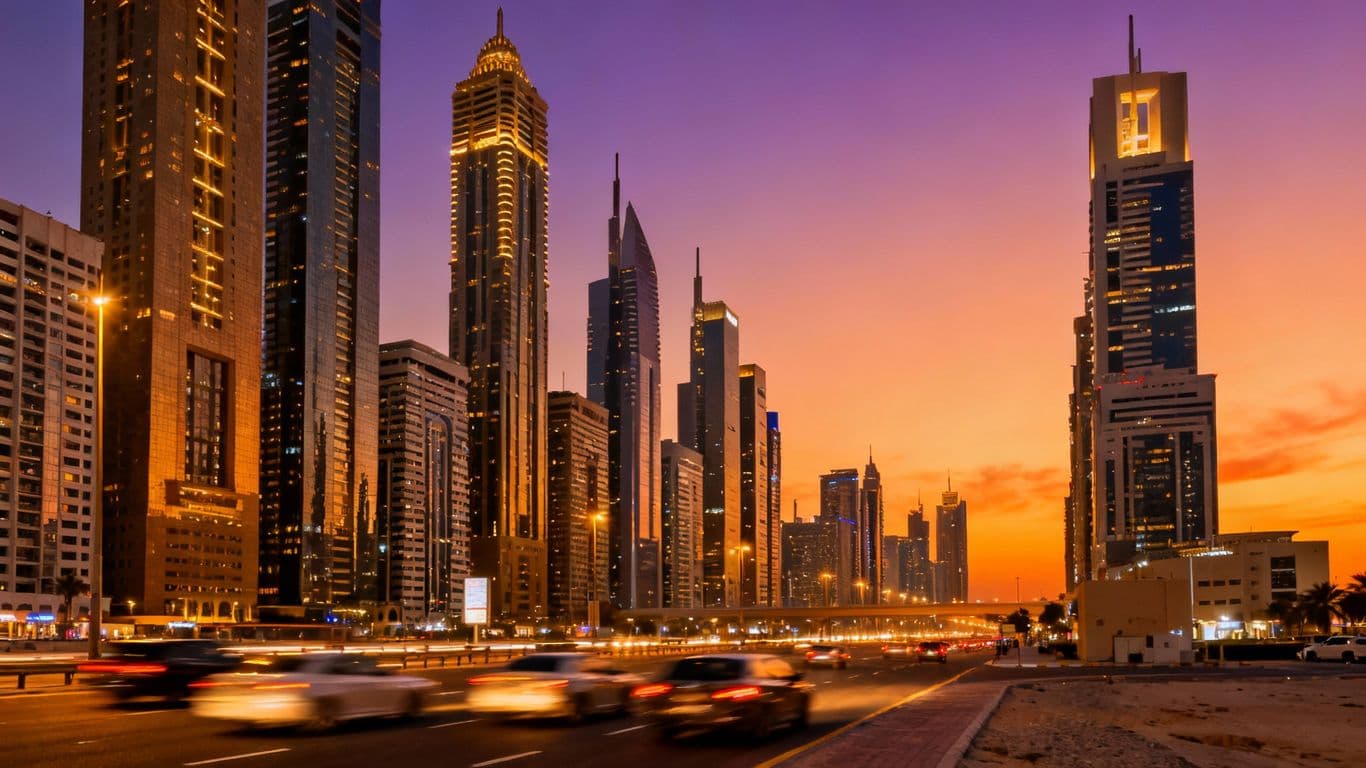
So, you're thinking about Dubai? It's a place that pops up a lot when people talk about new beginnings or a change of pace. It looks shiny and exciting from the outside, and honestly, it can be. But like anything new, there's a bit more to it than just booking a flight. Getting settled involves more than just showing up. You've got paperwork, finding a place to live, and figuring out the day-to-day stuff. It’s not always as straightforward as you might imagine, but with a little info, you can make the move much smoother.
Key Takeaways
- Getting the right visa sorted is your first big step before you can even think about settling down. Don't skip this part.
- Finding a place to live can be a bit of a puzzle, with many landlords wanting a chunk of rent upfront. Looking into serviced apartments in Dubai could be a good option, especially at first.
- Dubai has its own rhythm – the work week is different, and knowing the local customs and laws will save you headaches.
- Healthcare and banking are things you need to sort out pretty quickly once you're there. Don't leave it too late.
- Dubai can be expensive, so get a handle on the cost of living and how to manage your money, especially if you're sending funds back home or need to pay for things upfront.
Navigating Dubai's Administrative Landscape
Moving to Dubai feels exciting, right? You've got the vision, the job offer, maybe even a place lined up. But before you can really settle in and enjoy all that sunshine and opportunity, there's the paperwork. And let's be honest, dealing with government offices in a new country can be a bit of a puzzle. It’s not always straightforward, and sometimes it feels like you need a special decoder ring.
Understanding Visa Requirements for Settling In
First things first, you need the right to be here long-term. Most people moving to Dubai for work will get a visa sponsored by their employer. This is pretty standard. If you're looking to start your own business, the process is different and involves specific licenses and approvals. For investors or retirees, there are other visa pathways, but they usually require a significant financial commitment. It's really important to figure out which visa category applies to you before you even start packing. Don't assume anything; check the official government websites or consult with a relocation specialist.
Essential Documentation for a Smooth Relocation
Gathering your documents is like collecting puzzle pieces. You'll need your passport, of course, with plenty of blank pages and at least six months of validity. You'll also need passport-sized photos, often with a specific background color. Depending on your situation, you might need your birth certificate, marriage certificate (if applicable), and educational degrees, all attested by the relevant authorities in your home country and then by the UAE embassy or consulate there. It sounds like a lot, and it is, but getting this done early saves so much hassle later.
Sponsorship: A Key to Entry and Residency
In Dubai, sponsorship is a big deal. For most expats, your employer acts as your sponsor, handling much of the visa and residency application process. This means your right to live and work in Dubai is often tied to your employment. If you're self-employed or starting a business, you might need a local sponsor or partner, depending on the business structure and activity. For family members, the primary visa holder (the sponsor) can sponsor their spouse and children. It’s a system that streamlines things but also means your residency status is linked to someone else.
The administrative side of moving to Dubai can feel like a maze. It requires patience, attention to detail, and a good understanding of the requirements. Don't be afraid to ask for help or seek out official resources to guide you through the process.
Securing Your Dubai Residence
Finding a place to call home in Dubai is a big step, and it comes with its own set of considerations. Many people moving here find that their employer might offer accommodation as part of the job package, or at least provide a housing allowance. This can really take a load off your mind when you're first arriving. If you're on your own, or your job doesn't include housing, you'll be looking at renting or even buying. Renting is quite common, and you'll often find apartments come furnished, which is a nice bonus. However, be ready for a significant upfront payment – landlords usually want anywhere from six months to a full year's rent paid in advance. It's a bit different from what many are used to back home.
Exploring Options for Serviced Apartments in Dubai
Serviced apartments can be a great middle ground, especially when you're just getting settled. They offer more space and amenities than a hotel, often with kitchen facilities, but without the long-term commitment of a standard lease. Think of them as a fully-equipped temporary home. They're particularly handy if you're not sure which neighborhood you want to commit to long-term, or if you're waiting for your permanent accommodation to be ready. You can find them in various parts of the city, from the bustling Marina to more family-oriented areas.
Understanding Rental Agreements and Upfront Payments
When you're ready to sign a lease, you'll encounter the rental contract, often called a "Ejari" in Dubai. This is a legally binding document that outlines the terms between you and the landlord. It's super important to read it carefully. As mentioned, the upfront payment can be a shocker. It's usually paid via post-dated cheques, where you provide a series of cheques for the entire rental period, and the landlord deposits them at the agreed-upon dates. This system requires you to have a healthy bank balance ready to go.
Here's a general idea of what to expect with upfront payments:
| Payment Structure | Typical Scenario |
|---|---|
| Annual Rent | Paid via 1-12 post-dated cheques |
| Security Deposit | Usually 5% of annual rent (refundable) |
| Agency Fee | Typically 2-5% of annual rent |
Key Neighborhoods for Expatriate Living
Dubai has a wide range of areas that are popular with expats, each with its own vibe. Some of the pricier, more sought-after spots are near the beach, like Dubai Marina and Jumeirah Beach Residence (JBR), known for their lively atmosphere and stunning views. Areas like Arabian Ranches offer larger villas and a more suburban feel, often popular with families. If you're looking for something a bit more budget-friendly, consider areas further out, or those along the Sheikh Zayed Road, which offers good access to the city but might involve a longer commute. It really depends on what you're looking for in terms of lifestyle and budget.
Dubai's housing market is dynamic. While some areas are known for luxury, there are options across different price points. Researching specific neighborhoods based on your commute, family needs, and social preferences is a smart move before signing any lease.
Integrating into Dubai Life
So, you've sorted out the paperwork and found a place to live. Awesome! Now comes the part where you actually start living in Dubai. It's a city that moves fast, and while it's super modern, there are definitely some local rhythms and customs to get used to. It's not like anywhere else, really. Embracing these differences is key to feeling at home here.
Adapting to the Local Work Week and Customs
First things first, forget your typical Monday-to-Friday grind. In Dubai, the weekend kicks off on Friday and wraps up on Saturday. Friday is a holy day, so most businesses are closed or have limited hours. This means your work week will likely run from Sunday to Thursday. It takes a little getting used to, but you'll find your groove. Beyond the work schedule, remember that Dubai is a Muslim country. While it's incredibly diverse and welcoming, showing respect for local traditions is important. This often means dressing a bit more modestly when you're out and about, especially in malls or government buildings. Think covering your shoulders and knees. Beaches and pools are obviously more relaxed, but it's good practice to have something to throw on when you leave those areas.
Navigating Transportation Options in the City
Getting around Dubai is pretty straightforward, thankfully. Many expats opt to drive, and the roads are generally good, though traffic can get pretty heavy during peak times. If you're planning to drive, you'll need to get a local driving license once you have your residency visa – your foreign one won't cut it anymore. Taxis are everywhere, metered, and pretty affordable. Ride-sharing apps like Uber and Careem are also super popular and convenient. For a more budget-friendly and often quicker way to beat the traffic, the Dubai Metro is fantastic. It's clean, efficient, and covers a lot of the city. Buses and trams fill in the gaps, and there's even water transport if you fancy a scenic route. It's worth looking into Canadian expat resources to see how others have managed their transport needs.
Understanding Cultural Etiquette and Laws
Dubai is generally a very safe city with strict laws. While it's a melting pot of cultures, it's important to be aware of and respect the local laws and customs. Public displays of affection, for instance, should be kept to a minimum. Alcohol is available in licensed hotels and clubs, but drinking in public or being intoxicated in public is a serious offense. Even though English is widely spoken, learning a few basic Arabic phrases like 'Shukran' (thank you) goes a long way. Remember, what might be acceptable back home could be frowned upon or even illegal here. It's all about being mindful and considerate of the environment you're in.
Dubai is a city that thrives on order and respect. While it embraces a global outlook, understanding and adhering to local customs and laws isn't just polite; it's essential for a smooth and enjoyable experience. Think of it as learning the rules of a new, exciting game – once you know them, you can play it really well.
Essential Services for Expatriates
Ensuring Comprehensive Healthcare Coverage
Getting your health sorted is a big deal when you move. Most companies will offer health insurance as part of your package, which is great. It usually covers basic hospital stays and doctor visits. But, you'll want to check the details. Does it cover specialists you might need? What about dental or vision? Some plans are pretty basic, while others are more robust. You can also look into private insurance if your company's plan isn't enough. There are tons of options out there, from local providers to big international names. It’s worth spending some time comparing what’s on offer to make sure you and your family are properly looked after.
Here are a few types of plans you might see:
- Basic Plans: These usually cover essential hospital care and emergency visits. Good for peace of mind, but might have limits.
- Enhanced Plans: These often include outpatient visits, specialist consultations, maternity care, and sometimes dental and optical coverage.
- International Plans: For those who travel a lot or want coverage worldwide, these are the most extensive but also the priciest.
Remember to check if the plan allows you to go to the specific hospitals or clinics you prefer. Some plans restrict you to a certain network.
Navigating Banking and Financial Services
Setting up your finances is another key step. You'll need to open a local bank account to get paid and manage your daily expenses. Most banks require your passport, visa, and an Emirates ID once you have it. Some might also ask for a salary certificate from your employer. It’s not too complicated, but it does take a bit of paperwork. You'll find plenty of banks to choose from, both local and international branches. Think about what you need – a simple checking account, or maybe something with international transfer features. Also, keep an eye on currency exchange rates if you're sending money back home or receiving funds from abroad. Services that help with international money transfers can save you a good chunk of change compared to traditional bank methods.
Obtaining a Driving License for Residents
If you plan on driving in Dubai, you'll eventually need a local driving license. If you're from certain countries, you might be able to swap your existing license for a UAE one without having to take new tests. This is usually a straightforward process at the Roads and Transport Authority (RTA) office. You'll need your passport, visa, Emirates ID, and your original foreign license. For those who can't swap, you'll have to go through the full process, which involves theory classes, eye tests, and practical driving lessons and tests. It can be a bit of a journey, so it’s good to look into the requirements based on your nationality early on. Public transport is pretty good here, but having your own car offers a lot more freedom, especially if you're living further out from the city center.
The Financial Realities of Dubai Living
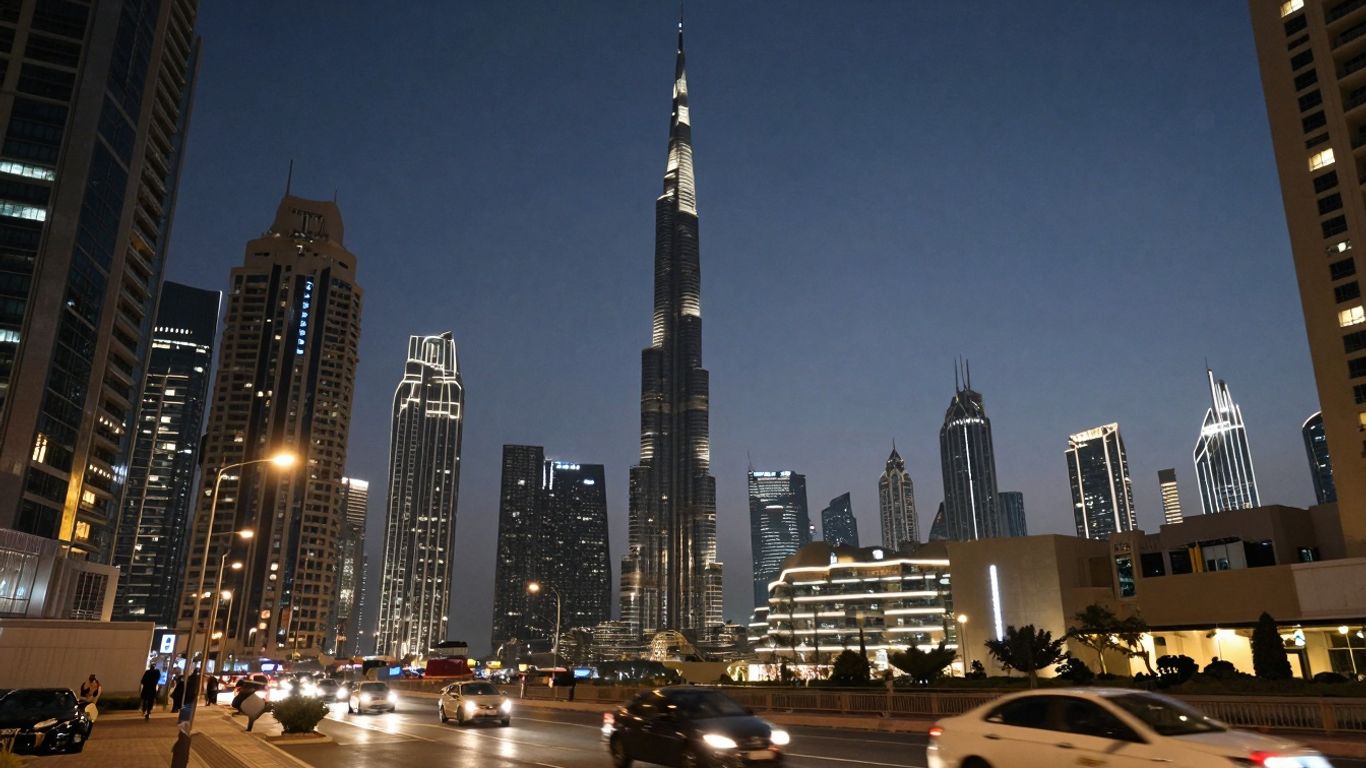
So, you're thinking about making Dubai your new home. That's exciting! But before you start picturing yourself on a yacht, let's talk about the money side of things. Dubai can be a fantastic place to live, but it definitely has its financial quirks that can catch you off guard if you're not prepared.
Understanding the Cost of Living and Rent
Let's get straight to it: Dubai isn't exactly a budget destination. The cost of living here is noticeably higher than in many other places, and rent is a big part of that. You'll find that rent isn't usually paid month-to-month like you might be used to. Instead, landlords often expect payment in one lump sum for the entire year, though some are starting to accept payments spread over two to four checks. This can be a significant upfront expense. For a one-bedroom apartment, you might be looking at anywhere from AED 30,000 to AED 100,000 annually, depending on the area and amenities. Utilities like water and electricity (DEWA) are separate and can add up, especially in the hotter months. Expect to budget between $116 and $580 monthly for these.
Here's a rough idea of what some everyday items might cost:
| Item | Approximate Cost (AED) | Approximate Cost (USD) |
|---|---|---|
| Milk (1 liter) | 6.92 | 1.06 |
| Eggs (30-count tray) | 22–24 | 14–19 |
| Chicken (1kg) | 22–25 | 4–5 |
| Apartment (3-bed, city) | 22,500–30,250 (annual) | 4,500–6,500 (monthly) |
Remember, these are just averages, and prices can fluctuate. For a single person, monthly expenses outside of rent could range from AED 4,000 to AED 6,000. Families will naturally spend more. It's wise to get a handle on these figures early on; you can find more detailed breakdowns of the cost of living in Dubai to help you plan.
Managing Currency Exchange and International Transfers
If you're moving from abroad, you'll be dealing with currency exchange. The local currency is the Emirati Dirham (AED). When you need to send money back home or receive funds from overseas, using a service that offers competitive exchange rates and low fees is key. Traditional banks can sometimes charge quite a bit for international transfers, eating into your money. Exploring online money transfer services can often be a more cost-effective solution, saving you money with each transaction.
Exploring Opportunities for Investment and Property Ownership
While renting is common, Dubai also offers opportunities for property ownership, though this is typically for those with substantial financial resources. Non-UAE nationals can buy property, but it's often the expats with significant savings who take this route. If you're considering buying, research the different freehold areas and understand the associated costs, including service charges and potential property management fees. For those looking to invest, the real estate market can be attractive, but as with any investment, due diligence is important.
Dubai's financial landscape requires careful budgeting. The initial setup costs, especially for rent and utilities, can be substantial. Understanding the payment structures and everyday expenses will help you avoid surprises and manage your finances more effectively as you settle in.
When you're looking for a place to live, websites like Property Finder and Dubizzle are popular resources for finding apartments and villas. Sometimes, sharing a villa or apartment can be a more budget-friendly option, especially when you're first starting out.
Embracing the Dubai Lifestyle
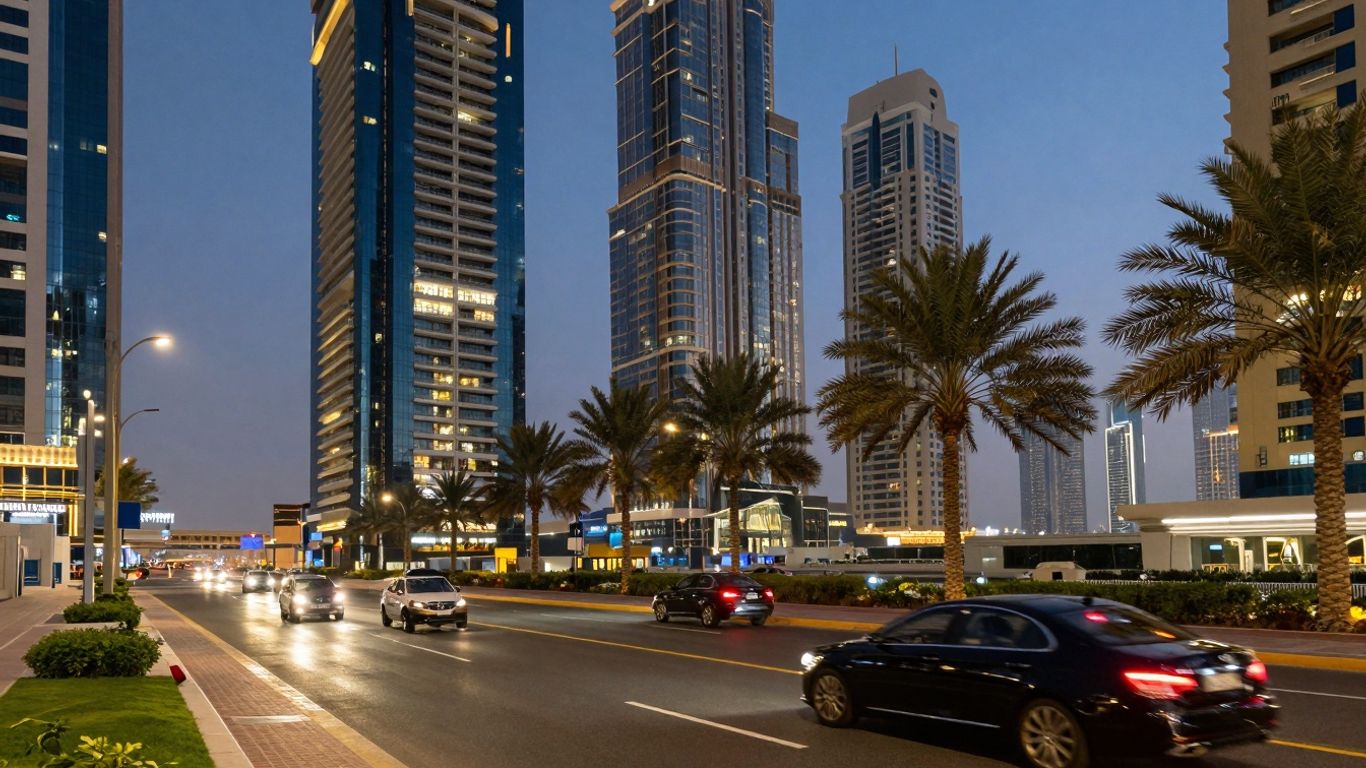
Discovering Social Opportunities and Expat Communities
Dubai is a melting pot, and that's putting it mildly. Around 85% of the people living here aren't originally from the UAE, which means you're going to meet folks from pretty much everywhere. It's a great setup if you're looking to make new friends from different backgrounds. You'll find expat groups for almost anything you can think of – hiking, book clubs, you name it. Making connections is surprisingly easy, but remember that many people here are on a temporary stay, so friendships can sometimes be fleeting. It's a good idea to find people who are also putting down roots or are in it for the long haul.
Leveraging Dubai's Entertainment and Leisure Options
When it comes to things to do, Dubai doesn't mess around. Think beach brunches, fancy rooftop bars with killer views, and desert adventures like dune bashing. There's always something new popping up, from massive shopping festivals to concerts. You can go from a day at a water park to an evening watching a show at the Dubai Opera. It's a city that really goes all out when it comes to entertainment, so you'll likely never be bored.
Understanding Safety and Regulations in the Emirate
Dubai has a reputation for being super safe, and honestly, it lives up to it. You'll see it in the low crime rates and how people generally feel comfortable walking around, even late at night. But, like anywhere, there are rules you need to be aware of. Public displays of affection are generally kept to a minimum, and it's important to dress modestly, especially when you're out and about in malls or government buildings. While beaches and pools are more relaxed, it's good practice to cover up when you leave those areas. Being mindful of local customs and laws will make your experience much smoother.
Dubai's pace can be exhilarating, almost like a constant buzz. It's easy to get swept up in the luxury and the sheer scale of everything. Just try to keep a bit of perspective and remember why you came here in the first place. Finding a balance between enjoying the city's offerings and staying grounded is key to a happy life here.
So, Is Dubai Worth It?
Look, Dubai is a pretty amazing place, no doubt about it. The glitz, the opportunities, the sheer scale of everything – it's a lot to take in. But as we've seen, getting here is one thing, but actually setting up your life can be a whole different ballgame. From figuring out visas and finding a place to live that doesn't break the bank, to understanding the local rules and just getting used to the pace of it all, it's a journey. It's not impossible, not by a long shot, but it definitely requires some patience and a good dose of research. If you go in prepared, though, you might just find that the challenges are worth the rewards this city has to offer.
Frequently Asked Questions
What kind of visa do I need to live in Dubai?
To live in Dubai long-term, you'll need a residence visa. Often, your job will help you get this. If you don't have a job lined up, you might be able to get a visitor visa that you can renew. It's a good idea to check with the official Dubai immigration office for the latest rules for your situation.
What documents are important to have ready?
Make sure your passport is valid for at least six months after you arrive. You'll also want to get important papers like marriage certificates or school diplomas officially stamped before you come to Dubai. If you plan to bring your family, you'll need to show proof of a good salary.
Do I need a sponsor to move to Dubai?
Yes, you generally need a sponsor to enter Dubai, whether it's for a short visit or to live there. This sponsor could be your employer, a hotel you've booked, or even a friend or family member who already lives in the UAE.
How do I find a place to live?
Finding a home can be tricky. Some jobs offer housing or help with living costs. If you rent, be ready to pay for several months or even a whole year upfront! Popular areas like Dubai Marina can be pricey, but there are other neighborhoods that might be more affordable. Websites like Property Finder and Dubizzle can help you search.
What's the work week like in Dubai?
Get ready for a change! In Dubai, the weekend is usually on Friday and Saturday, not Saturday and Sunday. This is because Friday is a special holy day. It might take a little time to get used to, but most people find it works out fine.
Is it safe to live in Dubai?
Dubai is known for being a very safe city. The rules are strict, and the police are active, which helps keep crime rates low. Many people feel comfortable leaving their belongings unattended for short periods, and the city has dedicated areas and transport options for women if they prefer.
The Moveandstay editorial team writes about serviced living, workspaces, and city guides across Asia-Pacific.
Read next

Serviced Offices Surge in Popularity as Businesses Embrace Flexible Leasing
May 3, 2026

Hong Kong Serviced Apartment Market Buzzes with Sales and Investment Activity Amidst Shifting Valuations
May 3, 2026

ONYX Hospitality Group Elevates Shama Serviced Apartments with New Lifestyle Concept and Ambitious Expansion
Apr 26, 2026