Thinking about working remotely from Singapore? It's a great idea, the city is amazing. But, like with many things, there's a bit of a catch. Singapore doesn't actually have a specific visa for digital nomads right now. This can be a bit confusing when you're planning your trip. So, what's the deal? Let's break down what you need to know about working remotely in Singapore without a dedicated digital nomad visa in Singapore.
Key Takeaways
- Singapore currently lacks a dedicated digital nomad visa, which might be surprising given its tech-forward reputation.
- Many nationalities can enter Singapore visa-free for short stays, typically up to 90 days, which can be used as a temporary solution.
- Alternatives like the EntrePass or Tech.Pass exist but are aimed at entrepreneurs and tech experts with specific requirements, not general remote workers.
- The cost of living in Singapore is quite high, which is a significant factor for digital nomads to consider when budgeting.
- While there's no specific visa, staying updated on potential future developments or seeking professional advice for compliance is recommended.
Singapore's Stance on a Digital Nomad Visa
Absence of a Dedicated Digital Nomad Visa
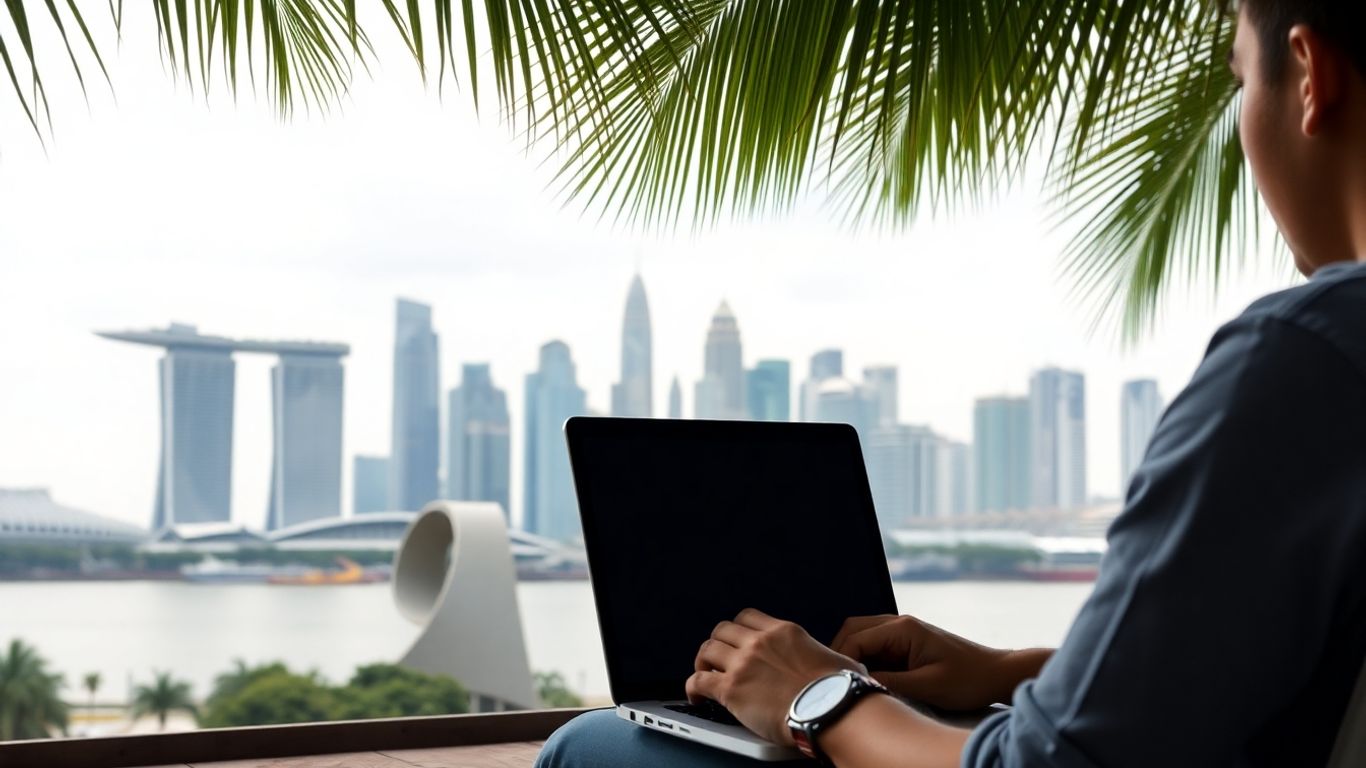
It might come as a surprise, given Singapore's reputation as a forward-thinking hub, but the country doesn't currently offer a specific visa tailored for digital nomads. This is quite a departure from many other nations, both in Asia and globally, that have introduced such schemes to attract remote workers. As of now, there haven't been any official announcements from the Singaporean government indicating plans to create a dedicated digital nomad programme. This means that if you're looking to work remotely from Singapore, you'll need to explore alternative routes rather than a straightforward digital nomad permit.
Government Focus on Skilled Professionals
Instead of a broad digital nomad visa, Singapore's immigration policies have largely focused on attracting highly skilled individuals and entrepreneurs. Programmes like the EntrePass, aimed at foreign entrepreneurs looking to start innovative businesses, and the Tech.Pass, designed for experienced technology professionals, are prime examples. While these are excellent pathways for certain individuals, they come with quite specific and often stringent requirements related to work experience, income levels, and the nature of the business or technology involved. For the average digital nomad working for a company abroad, these options are generally not a practical fit.
Potential Future Developments
While there's no dedicated visa right now, it's not entirely out of the question that Singapore might consider such an option in the future. The country is keen on attracting international talent and maintaining its competitive edge. As the global landscape of work continues to evolve, and more countries roll out digital nomad visas, Singapore may reassess its approach. Any future developments would likely aim to balance attracting remote workers with maintaining the integrity of its existing immigration and employment frameworks. It's worth keeping an eye on official announcements from the Ministry of Manpower for any shifts in policy.
Navigating Singapore Without a Specific Digital Nomad Visa
So, you're keen on working remotely from Singapore, but there isn't a specific visa just for us digital nomads. It might sound a bit tricky, but don't worry, it's not impossible to spend time there working on your laptop. The key is understanding the alternatives available.
Utilising Short-Term Visit Passes
Most visitors don't need a visa to enter Singapore for short stays, often for up to 90 days. This is usually handled through a Short-Term Visit Pass, which many nationalities can get without needing to apply in advance. It’s a good starting point if you’re just planning a brief visit to scout the place out or get some work done. However, remember this pass is primarily for tourism, so technically, working full-time might be a grey area. It's always best to check the latest rules with the Immigration & Checkpoints Authority.
Visa-Free Entry for Many Nationalities
Singapore has agreements with many countries that allow their citizens to enter visa-free for a set period, usually 30 or 90 days. This makes it quite straightforward for people from places like the UK, USA, or Australia to just turn up and start exploring. You'll need to fill out an SG Arrival Card before you arrive, but that's a simple online process. It's a convenient way to get a feel for the city-state without a lot of upfront paperwork.
Border Hopping as a Stay Extension Method
If your initial visa-free period or Short-Term Visit Pass is running out and you want to stay longer, some people resort to what's often called 'border hopping'. This involves leaving Singapore for a short period and then re-entering, which can sometimes reset your allowed stay duration. While this is a common tactic for some travellers, it's not officially sanctioned for extended work stays and could potentially raise questions with immigration officials if done too frequently or obviously. It's a bit of a gamble, and it's probably better to look into more formal arrangements if you plan a long-term stay. Asia-Pacific countries are updating immigration policies to attract skilled professionals and digital nomads, so keeping an eye on these changes is wise. Check visa requirements.
It's important to be aware that while these methods can facilitate shorter stays, they don't offer the same legal security or long-term planning capabilities as a dedicated visa. Always ensure your activities align with the terms of your entry permit.
Alternative Visa Options for Remote Workers
So, Singapore doesn't have a specific digital nomad visa yet, which can feel a bit like a roadblock. But don't pack your bags just yet! There are a few other routes you might be able to take if you're keen to work remotely from this vibrant city-state. It's not quite as straightforward as a dedicated visa, but people are making it work.
EntrePass for Entrepreneurs
If you're thinking of starting your own business in Singapore, the EntrePass could be an option. This isn't really for someone just looking to freelance for overseas clients, mind you. It's geared towards entrepreneurs looking to set up an innovative company here. You'll need a solid business plan and likely some funding to show you're serious.
Tech.Pass for Technology Experts
For those in the tech industry with a good few years of experience under their belt, the Tech.Pass might be worth a look. It's designed for experienced tech professionals who can contribute to Singapore's growing tech scene. Again, this is more about bringing your tech skills to Singapore, rather than just working remotely for a company elsewhere.
Other Work Permits and Temporary Arrangements
While not strictly for digital nomads, some people explore other work permits if they can secure a contract with a Singapore-based company. This usually involves meeting certain salary thresholds and having a confirmed job offer. It's a more traditional route, but it does allow you to legally work and live in Singapore for an extended period. For many nationalities, Singapore offers the possibility to enter the country without a visa for many nationalities, serving as an alternative for those looking to work remotely in the city-state. It's worth keeping an eye on official announcements, as policies can change.
It's always a good idea to check the latest requirements directly with the Immigration & Checkpoints Authority (ICA) or seek advice from a reputable migration agency. Trying to work around the system can lead to complications, so getting it right from the start is key.
Considerations for Digital Nomads in Singapore
So, you're thinking about setting up shop in Singapore as a digital nomad, eh? It's a fantastic city, no doubt about it, but before you pack your bags, let's chat about a few things you'll want to keep in mind. It's not quite as straightforward as just showing up with your laptop.
Cost of Living in Singapore
Right, let's get this out of the way first: Singapore isn't exactly a budget destination. It's known for being one of the pricier cities globally. You'll notice this pretty quickly when it comes to everyday expenses. Think about rent – finding a decent place can set you back a fair bit, especially if you're looking in more central areas. Utilities add up too, and while internet speeds are amazing (seriously, they're top-notch!), that's another monthly cost to factor in. Even grabbing a casual meal can be more expensive than you might expect.
Here's a rough idea of what you might be looking at:
| Expense | Estimated Monthly Cost (SGD) |
|---|---|
| Rent (1-bed apt) | $2,000+ |
| Utilities | $100+ |
| Internet | $30+ |
| Eating Out (basic) | $10+ per meal |
| Co-working Space | $50+ |
It's definitely a place where having a solid income stream from your remote work is pretty important. You don't want to be stressing about money while trying to enjoy the city.
Community and Lifestyle
Singapore is a melting pot, and you'll find a good mix of people from all over the world. There are definitely communities of expats and remote workers, and co-working spaces can be a good way to meet others. The city itself is incredibly clean, safe, and efficient, which makes getting around and just living day-to-day quite easy. Public transport is excellent. The lifestyle is fast-paced, but there's also a lot of green space and opportunities for cultural exploration. It's a place that really values order and progress.
Legal Compliance and Advice
This is a big one. Since Singapore doesn't have a specific digital nomad visa, you need to be really careful about how you're staying and working. Relying on short-term visit passes for extended periods might not be compliant. It's wise to look into the specific visa requirements for your nationality and understand the duration you're allowed to stay. If you're planning a longer stint, you might need to explore other work pass options, which often have stricter criteria related to skills or entrepreneurship. Getting professional advice from immigration lawyers or specialists can save you a lot of hassle down the line. Always make sure you're following the official immigration rules.
Potential Features of a Future Singapore Digital Nomad Visa
While Singapore hasn't rolled out a specific digital nomad visa just yet, it's interesting to think about what one might look like if they did. Based on what other countries are doing and what remote workers actually need, we can guess some of the key things it might include.
Extended Stay Durations
A dedicated visa would likely offer a much longer period of stay than current options. Instead of the short stints often permitted on tourist passes, imagine being able to settle in for six months to a year. This would give you proper time to actually experience Singapore, not just rush through it. Plus, there would probably be a way to renew it, provided you're still working and following the rules.
Permission for Remote Work Activities
This is a big one. The visa would need to clearly state that you're allowed to work remotely for companies or clients based outside of Singapore. This means you wouldn't have to worry about accidentally breaking any rules by working for your overseas employer while you're there. It's all about making it legal and straightforward to do your job from a different country.
Access to Local Services
Being able to easily access things like opening a local bank account, getting a mobile phone plan, or signing up for reliable internet would be a game-changer. Singapore is already pretty good with technology, so a digital nomad visa would hopefully make it even easier for visa holders to get set up and stay connected without a fuss. It would make life so much simpler.
Here's a quick look at what might be included:
- Banking: Easier access to open local accounts.
- Connectivity: Streamlined options for mobile and internet services.
- Accommodation: Potentially more flexible rental agreements.
If Singapore were to introduce a digital nomad visa, it would likely aim to attract a specific type of professional. This means there would probably be some requirements to meet, like proving you have a steady income from abroad and a clean record. It's all about making sure people coming in can support themselves and contribute positively to the country.
Understanding Visa Requirements and Application
Eligibility Criteria Overview
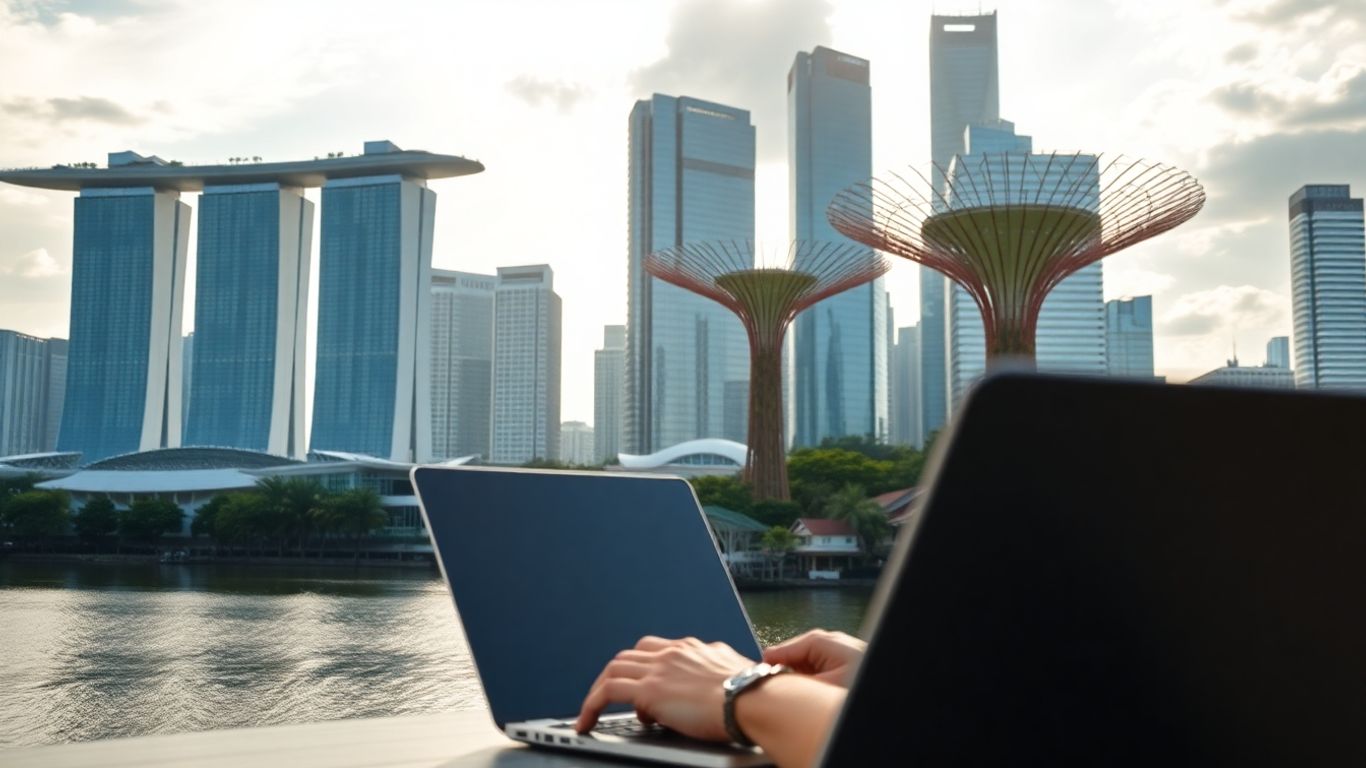
So, you're thinking about heading to Singapore to work remotely? It's a great idea, but before you start packing, let's talk about the paperwork. Singapore doesn't have a specific 'digital nomad visa' right now, which means you'll likely be looking at other types of passes. Generally, if you're entering for tourism or a social visit, you can work remotely for your overseas employer without needing a Singaporean work permit. However, you absolutely cannot have any employment contract with a company based in Singapore itself. Your passport needs to be valid for at least six months from your planned arrival date, and you'll need to check if your nationality allows for visa-free entry or requires a visa in advance. It's always best to confirm the latest rules for your specific country of citizenship on the Immigration & Checkpoints Authority (ICA) website, as things can change.
Necessary Documentation
Getting your documents together is probably the most time-consuming part. You'll need to be organised! Here's a breakdown of what's typically required:
- Completed Application Form: This is usually Form 14A, where you'll put down all your personal details and confirm everything you're submitting is accurate.
- Valid Passport: A colour photocopy of your passport's bio-data page is a must, and remember that six-month validity rule.
- Passport-Style Photo: A recent, passport-sized colour photo taken within the last three months. Make sure it meets the ICA's photo guidelines.
- Flight Details: You'll need a confirmed round-trip flight booking, or at least a detailed itinerary showing your entry and exit dates.
- Proof of Accommodation: This could be hotel bookings or, if you're staying with friends or family, a letter from your host including their full address, NRIC/FIN number, and contact details.
- Visa for Next Destination: If Singapore isn't your final stop, you'll need proof of a valid visa for your next country.
- Official Translations: Any documents not originally in English will need an official translation, either from the issuing country's embassy, a Singaporean notary public, or an accredited third-party translator.
It's really important to double-check that every single document is correct and complete before you send it off. Any mistakes or missing bits could mean your application gets rejected, and nobody wants that hassle.
Application Submission Process
Once all your documents are ready, it's time to submit. You have a couple of main options:
- With a Local Sponsor: If you have a friend or family member who is a Singapore Citizen or Permanent Resident over 18, they can sponsor your application. They can submit it online through the SAVE system using their SingPass, which is usually the quickest way.
- Without a Local Sponsor: If you don't have a sponsor, you'll need to submit your application either in person or by mail. Your options here are the nearest Singapore Overseas Mission or an authorised visa agent appointed by one.
The application fee is typically S$30. The ICA suggests applying within the 30 days before you plan to travel. Processing usually takes about three to eight working days, but it can sometimes take longer. Once approved, you'll get an email with your Visit Pass (e-Pass). Don't forget to apply for your SG Arrival Card (SGAC) within three days of arriving – it's free and mandatory.
So, What's the Verdict on Singapore for Digital Nomads?
Right then, after all that, it's pretty clear that Singapore hasn't quite caught up with the digital nomad trend by offering a specific visa. It’s a bit of a shame, really, given how modern and connected the place is. While you can pop over on a tourist visa for a bit, or maybe look into those more complicated work permits if you fit the bill, it’s not exactly straightforward. Plus, let’s not forget, Singapore isn't exactly the cheapest place to hang out. So, while it’s a fantastic city with loads to offer, if you’re after an easy, dedicated visa to just rock up and work remotely, you might need to look elsewhere for now. Keep an eye out though, things could always change!
Frequently Asked Questions
Does Singapore have a special visa for people who work online from different countries?
No, Singapore doesn't have a visa specifically made for digital nomads, meaning people who work online while travelling. However, many people can visit for up to 90 days without needing a visa, and some use this time to work remotely.
What are the options for working remotely in Singapore if there's no digital nomad visa?
While there isn't a specific visa, some people use the Short-Term Visit Pass, which usually lasts up to 90 days. Others might look into special work passes like the EntrePass for business owners or Tech.Pass for tech experts, but these have strict rules and aren't really for typical digital nomads.
How long can someone stay in Singapore without a special digital nomad visa?
Many travellers can enter Singapore visa-free for up to 90 days, depending on their home country. If they need to stay longer, they might need to explore other visa types or consider leaving and re-entering the country to reset their stay duration, though this isn't officially encouraged for working.
Is it expensive to live in Singapore as a digital nomad?
Yes, Singapore is known for being quite expensive. Things like housing, food, and daily costs can be much higher than in many other places popular with digital nomads. It's important to budget carefully.
Can digital nomads find others like them in Singapore?
Yes, there's a good community of people working remotely and expats in Singapore. Areas like Tiong Bahru are often mentioned as places where digital nomads and expats like to hang out.
What should I do if I want to work remotely in Singapore long-term?
If you plan to stay for a longer period, it's best to look into official work permits or passes that fit your situation, like the EntrePass or Tech.Pass if you qualify. It's also wise to check the official Singapore Ministry of Manpower website or get advice from immigration experts to make sure you follow all the rules.
The Moveandstay editorial team writes about serviced living, workspaces, and city guides across Asia-Pacific.