Thinking about working remotely from Tokyo? It's a great idea. This city offers a unique blend of modern convenience and deep tradition, making it a fantastic spot for anyone looking to swap their office for a new view. Whether you're after buzzing city life or quiet corners, Tokyo has something to offer. This guide will walk you through what you need to know to make your stay smooth and enjoyable.
Key Takeaways
- Tokyo is a vibrant city with excellent infrastructure, making it a comfortable base for digital nomads.
- Consider neighbourhoods like Shinjuku, Shibuya, or Asakusa depending on your preference for lively or quieter areas.
- Reliable WiFi is widespread, and numerous co-working spaces and cafes are available for remote work.
- While Tokyo can seem pricey, careful budgeting can make it manageable, especially with affordable food options.
- Japan's public transport is efficient, making it easy to explore Tokyo and beyond during your stay.
Navigating Tokyo As A Digital Nomad

Tokyo. It’s a city that conjures up so many images, right? From neon-drenched streets to serene temples, it’s a place that feels both incredibly modern and deeply traditional. For us digital nomads, it presents a unique set of opportunities and challenges. Thinking about setting up your temporary home here? It’s a good idea to get a handle on a few things before you even book your flight.
Before You Go: Tokyo Digital Nomad Essentials
Packing for Tokyo isn't just about clothes; it's about being prepared for the city's rhythm. You'll want to sort out your accommodation and perhaps even a local SIM card or pocket Wi-Fi device before you arrive. Having a basic understanding of Japanese phrases can also go a long way, even if many people in tourist areas speak some English. It’s also wise to look into travel insurance; something like SafetyWing Nomad Insurance is often recommended for remote workers.
Why Choose Tokyo Over Other Japanese Destinations
Now, Japan has a lot to offer nomads, and places like Osaka or Fukuoka are certainly popular. Kyoto, with its history, is also a big draw. But Tokyo? It’s got this incredible energy. The sheer scale means there’s always something new to discover, whether it’s a tiny ramen shop tucked away in an alley or a cutting-edge art exhibition. Plus, the public transport is second to none, making it easy to explore different parts of the city and beyond. It’s a city that truly caters to a fast-paced, connected lifestyle, which suits many of us working remotely.
The Lifestyle of a Digital Nomad in Japan
Life as a digital nomad in Tokyo can be surprisingly smooth. Yes, it’s a massive city, but it’s also incredibly organised. You’ll find that people are generally polite and respectful, and the city itself is remarkably clean and safe. The work-life balance can be what you make of it. You can spend your days working from a quiet cafe or a dedicated co-working space, and your evenings exploring vibrant neighbourhoods, trying amazing food, or even attending local meetups. It’s a place where you can really immerse yourself in a different culture while still maintaining your work routine. It’s a blend of productivity and adventure that’s hard to beat.
Finding Your Tokyo Base
Choosing where to set up your temporary home base in Tokyo is a big decision, given the sheer size of this sprawling metropolis. It's not just about finding a roof over your head; it's about finding a neighbourhood that suits your pace and interests. Tokyo offers a huge variety of areas, each with its own distinct character.
Tokyo's Best Neighbourhoods For Nomads
When I first arrived, I was a bit overwhelmed by the options. Do you want to be in the thick of it, with constant buzz and endless entertainment, or somewhere a bit more laid-back? For those who enjoy a lively atmosphere and don't mind staying out late, Shinjuku is a solid choice. However, if you're looking for a more authentic, local feel, consider these spots:
- Yanaka: This area has a real old-Tokyo charm, with narrow streets and traditional buildings. It feels a world away from the modern hustle.
- Kagurazaka: Known for its historic, cobblestone streets and a past as a geisha district, it also has a lovely French cafe influence.
- Kiyosumi-Shirakawa: If you're into art galleries and a burgeoning coffee scene, this is your place. It's also home to some really peaceful gardens.
- Sangenjaya: This neighbourhood has a very local vibe, filled with cosy cafes, traditional izakayas (Japanese pubs), and a decent nightlife scene.
My own experience living in Hiroo was fantastic; it was only a short bike ride to Shibuya and a quick metro trip into Ginza. It really depends on what you're after.
Accommodation Options: Apartments, Hostels & Co-livings
Finding a place to stay can range from budget-friendly hostels to more private apartment rentals. For longer stays, looking into serviced apartments or even co-living spaces can be a good idea. These often come with amenities geared towards remote workers, like reliable Wi-Fi and communal work areas. Hostels, like Nui Hostel in Kuramae or Citan Hostel in Nihonbashi Bakurochō, are great for shorter stays or if you want to meet other travellers. If you're planning to stay for a few months, you might even consider house or pet-sitting opportunities, which can offer free accommodation in exchange for looking after someone's home and pets. This is a brilliant way to live like a local and save money.
Finding Short-Term Stays
When looking for short-term accommodation, platforms that specialise in rentals for digital nomads or travellers are your best bet. Websites that list apartments, guesthouses, and even rooms in shared flats can be very helpful. Booking in advance is usually wise, especially if you're travelling during peak seasons or major events like the Grand Sumo Tournament in May. Being aware of these events can help you secure accommodation and avoid inflated prices. For those staying longer, consider looking into local rental agencies or websites that cater to longer-term leases, though these can sometimes be more complex for foreigners. Exploring Tokyo's best neighbourhoods for nomads can also guide your accommodation search.
Tokyo is a city that rewards exploration. Don't be afraid to venture beyond the most famous districts to find your perfect base. Sometimes the most charming places are the ones slightly off the beaten path.
Remote Working In Tokyo
When you're thinking about working remotely from Tokyo, the first thing that usually comes to mind is the internet. Thankfully, Japan, and Tokyo in particular, has some of the best connectivity you'll find anywhere. You'll generally have no trouble finding fast and reliable Wi-Fi, whether you're in your accommodation, a cafe, or a dedicated co-working space. This makes it pretty straightforward to stay connected for video calls and uploading your work.
Tokyo's WiFi Connectivity
Internet speeds in Tokyo are, for the most part, excellent. Most hotels and apartments will offer decent Wi-Fi, but if you're looking for something more robust or a change of scenery, there are plenty of options. It's more than adequate for video conferencing and keeping up with your workload.
Co-Working Spaces & Cafes
Beyond your own place, Tokyo has a growing number of spots where you can set up your laptop. Many cafes are quite welcoming to people working for a few hours, especially if you purchase something. Chains like Blue Bottle Coffee are known for being laptop-friendly, but don't be afraid to explore smaller, independent cafes in your neighbourhood. You might find a hidden gem with a great atmosphere. For a more structured work environment, co-working spaces are popping up in areas like Shibuya and Shinjuku. These often provide high-speed internet, printing facilities, and a community of like-minded individuals. Some places even offer day passes, so you can try them out before committing.
Meetups And Networking Opportunities
Connecting with other remote workers or locals can really enrich your experience. There are several ways to do this. Online communities, like Facebook groups for "Digital Nomads Japan" or "Tokyo Expats," are a good starting point for finding out about events and getting advice. Many co-working spaces also host regular meetups and workshops, which are perfect for networking. Even just frequenting a particular cafe or co-working space can lead to casual conversations and potential connections. For those seeking a more integrated experience, consider looking into coliving spaces, as they often have built-in communities and organised social events. Remember, the digital nomad visa is a new development, so the community is still growing.
While Tokyo offers incredible infrastructure and a unique cultural experience, it's worth noting that it might not be the easiest place to make deep connections with locals compared to other cities. However, the sheer efficiency and the wealth of activities available mean you'll rarely be bored.
Understanding Tokyo's Cost Of Living
When you're thinking about Tokyo, you might imagine it's going to cost an arm and a leg, but honestly, it's not as pricey as you might expect for a city this size. I managed to get by on about $1500 to $2000 a month, which works out to less than $500 a week. That included eating out quite a bit, using the metro often, and booking various activities. The biggest chunk of my spending usually went on groceries, but even then, eating out could be as cheap or as expensive as I wanted it to be. A simple bowl of ramen in a local spot might be around $8, while a nice sushi dinner for two could set you back $35 to $50. I did find some really cheap meals, though – my cheapest was a $4 bowl of soba from a tiny, family-run place. The trick is to wander off the main tourist streets; you can find some real gems just a little way down a side alley.
Average Monthly Expenses For Nomads
It's tricky to give exact figures because everyone's lifestyle is different, but here's a rough idea of what a single adult might spend monthly, excluding rent:
- Food & Groceries: $400 - $700 (This can vary wildly depending on whether you cook at home or eat out)
- Local Transport: $100 - $150 (Mostly metro passes)
- Activities & Entertainment: $200 - $400 (Museums, events, occasional nights out)
- Miscellaneous: $100 - $200 (Toiletries, SIM card, etc.)
So, a ballpark figure for a single person, not including rent, could be around $800 to $1450. Remember, this is just a guide, and your actual spending will depend on your habits.
Budgeting For Food And Groceries
Food is where you can really control your budget in Tokyo. Local supermarkets offer good value, especially if you stick to seasonal produce and pre-prepared meals like bento boxes. Convenience stores, or 'konbini', are also surprisingly good for affordable snacks and quick meals. Eating at local, independent restaurants rather than tourist hotspots will save you a lot of yen. Look for places that specialise in one dish, like ramen or soba, as they often offer the best prices and quality.
Making an effort to eat like a local, rather than seeking out international cuisine, will significantly reduce your daily expenses and offer a more authentic experience.
Affordable Accommodation Options
Accommodation is often the biggest expense. While a hotel room near the centre might be around $60 a night, and a hostel dorm bed around $40, these add up quickly. For longer stays, look into apartments or co-living spaces. You can find decent apartments for around $1100-$1800 per month, depending on size and location. Some services offer smaller, well-equipped studio apartments for about $1200. If you're really on a tight budget, you might find single rooms on platforms like Airbnb for around half that price, though quality can vary. Housesitting is also an option if you plan ahead, allowing you to save on accommodation entirely for extended periods. Finding short-term stays can be a good compromise if you're not ready to commit to a long lease.
Getting Around Tokyo
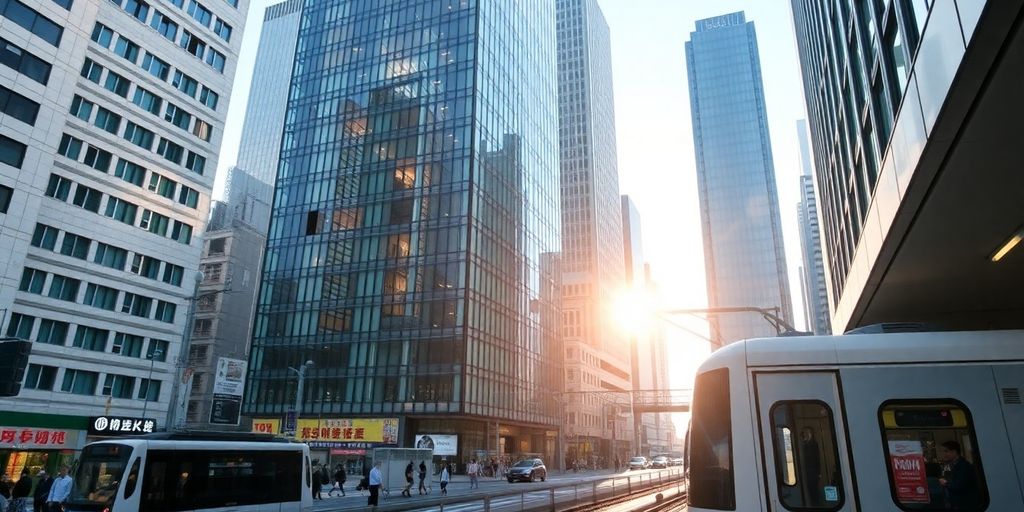
Tokyo's public transport is famously efficient, and honestly, it's a lifesaver when you're trying to get from one side of this massive city to the other. The sheer scale of Tokyo means you'll be relying on it a lot. It’s not just about getting from A to B; it’s part of the whole experience of living here.
Efficient Public Transport For Long Stays
If you're settling in for a while, getting a Suica or Pasmo card is a must. These rechargeable cards work on pretty much all trains and buses, and you can even use them at convenience stores. It saves you faffing about with tickets every single time. The JR Yamanote Line, that distinctive green loop, is your best friend for hitting the major hubs like Shinjuku, Shibuya, and Tokyo Station. It circles the city's core, making it super easy to get around the central areas. For longer stays, consider a Japan Rail Pass if you plan on doing a lot of inter-city travel, though for just Tokyo, it's usually not cost-effective.
Navigating The City's Extensive Metro System
Tokyo's metro system is vast, with numerous lines operated by different companies, primarily Tokyo Metro and Toei Subway. While it can seem a bit daunting at first, the signage is generally good, and most stations have English announcements and maps. Don't be afraid to use apps like Google Maps or Jorudan; they're brilliant for planning routes and telling you exactly which platform to head to. Remember that some lines might require separate tickets if they're not part of the JR network or your Suica/Pasmo covers them. It’s worth looking into Tokyo metro guides to get a better feel for it. Uber is available, but often slower and more expensive than the trains due to traffic and the sheer convenience of the rail network.
Embracing Tokyo's Culture And Activities
Tokyo is a city that truly has it all, offering an endless array of experiences for digital nomads. It's a place where you can easily blend your work life with a deep dive into Japanese culture.
Exploring Local Neighbourhoods
Tokyo is massive, and each neighbourhood has its own distinct personality. If you're looking for that old-world charm, places like Yanaka with its narrow streets and temples, or Asakusa, known for its traditional feel, are great choices. For a more contemporary vibe, consider Jingumae with its trendy boutiques and artistic atmosphere, or Shimokitazawa, a bohemian hub famous for its vintage shops and live music. Ebisu offers a more relaxed, upscale feel with good food and craft beer, while Nakameguro is lovely for its riverside cafes and boutiques, especially during cherry blossom season. It's worth exploring a few different areas to find your favourite spot.
Culinary Experiences For Nomads
Food in Tokyo is an adventure in itself. Beyond the famous sushi and ramen, there's so much more to discover. You can find everything from Michelin-starred restaurants to humble street food stalls. Trying local specialities is a must. Consider a street food tour to sample a variety of tastes, or visit the Tsukiji Outer Market for fresh seafood and local produce. Don't shy away from the smaller, local eateries; they often serve the most authentic and delicious meals. Even a simple visit to a local bar can lead to some interesting culinary discoveries.
Cultural Etiquette For Responsible Nomads
Being mindful of local customs will make your experience in Tokyo much smoother and more respectful. For instance, when visiting temples or shrines, dress modestly and be quiet. It's generally polite to remove your shoes before entering someone's home or certain traditional establishments. Public transport is usually very quiet, so keeping phone conversations brief and low is appreciated. When dining, it's customary to slurp your noodles – it shows you're enjoying your meal! Learning a few basic Japanese phrases like 'Arigato' (thank you) and 'Sumimasen' (excuse me/sorry) goes a long way.
Respecting local customs and traditions is key to a positive experience. Being aware of social norms, like quiet behaviour on public transport and proper etiquette when dining, helps you integrate better and shows consideration for the local way of life.
Balancing work and exploration is straightforward in Tokyo. You can spend your mornings working from a cafe or co-working space, and your afternoons visiting historical sites like Senso-ji Temple or exploring vibrant districts. Many digital nomads find that participating in local events and festivals, such as cherry blossom viewing, offers fantastic opportunities to connect with people and immerse themselves in the culture.
Here are a few ideas to get you started:
- Visit teamLab Borderless or Planets for immersive digital art experiences.
- Take in panoramic views from Tokyo Tower or Tokyo Skytree.
- Experience the famous Shibuya Scramble Crossing from Shibuya Sky.
- Consider a city bike tour to see different parts of the city.
- If you're interested in sports, catching a baseball in Tokyo game can be a unique cultural insight.
So, Tokyo for the Digital Nomad?
Right then, Tokyo. It’s a lot, isn't it? But in a good way, mostly. We’ve gone over where to stay, how to get around without losing your marbles, and where to actually get some work done. It’s not always the cheapest place, sure, and you’ll probably get lost a few times – I certainly did. But there’s something about this city that just pulls you in. You can find your quiet corner to focus, or dive headfirst into the organised chaos. Just remember to be respectful, try the ramen, and don’t be afraid to explore beyond the usual spots. Tokyo’s got plenty to offer if you’re willing to look a bit. Give it a go, you might surprise yourself.
Frequently Asked Questions
How do I get around Tokyo easily?
Tokyo has a fantastic public transport system, especially the metro. You can get a Suica or Pasmo card, which is like a rechargeable travel card. You just tap it when you get on and off trains or buses. It makes travelling around the city super easy, even if you're staying for a long time.
Are there many places to work remotely in Tokyo?
Yes, Tokyo has loads of places to work from! You'll find many cool cafes with good Wi-Fi, and there are also dedicated co-working spaces. Some popular chains like WeWork have several spots, and there are smaller, friendlier ones too, which are great for meeting other remote workers.
How much does it cost to live in Tokyo as a digital nomad?
It really depends on your spending habits, but many nomads find they can live comfortably in Tokyo for around $1,800 to $2,100 per month. Food can be quite cheap if you eat at local spots or cook yourself, but accommodation is usually the biggest expense.
What are the best neighbourhoods in Tokyo for digital nomads?
Some of the best areas for digital nomads are Shinjuku and Shibuya because they're lively and have lots going on. If you prefer somewhere a bit quieter with more traditional sights, Asakusa is a good choice. It really depends on what kind of vibe you're looking for!
Why might I choose Tokyo over other Japanese cities for remote work?
While Tokyo is amazing, places like Osaka and Fukuoka are also very popular with digital nomads. They're often seen as a bit more relaxed and perhaps easier to get around than Tokyo. Kyoto is another great option if you're after a more traditional and charming experience.
What basic Japanese phrases and customs should I know?
Learning a few basic Japanese phrases is really helpful and polite. Things like 'hello' (konnichiwa), 'thank you' (arigato gozaimasu), and 'excuse me' (sumimasen) go a long way. It's also good to know about local customs, like taking off your shoes indoors and being mindful of noise levels.
Filed under
The Moveandstay editorial team writes about serviced living, workspaces, and city guides across Asia-Pacific.