Digital Nomad Guide in Singapore: What You Need to Know
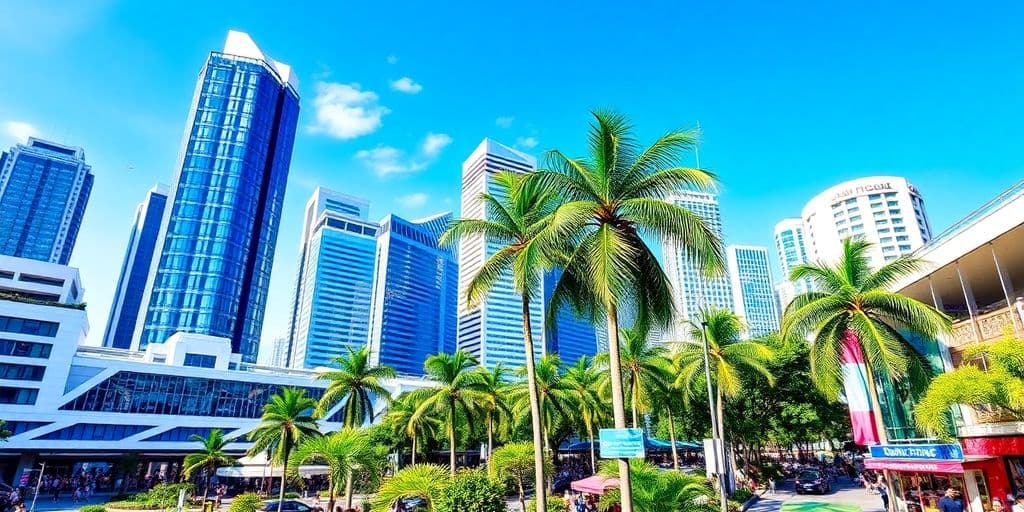
Thinking about becoming a digital nomad in Singapore? You're in for a unique experience. This city-state is not just about its impressive skyline and efficient transport; it offers a vibrant mix of cultures, modern amenities, and a welcoming expat community. In this digital nomad guide in Singapore, we’ll cover everything from living arrangements and visa requirements to the best places to work remotely and how to enjoy your downtime. Let’s dive in!
Key Takeaways
- Singapore is a top choice for digital nomads due to its modern infrastructure and diverse culture.
- Understanding visa options is essential for a smooth transition to living and working in Singapore.
- There are plenty of coworking spaces and cafes with reliable Wi-Fi, making it easy to find a suitable workspace.
- Budgeting properly is key; keep an eye on accommodation costs and daily expenses to make the most of your stay.
- Networking opportunities abound through meetups and online groups, helping you connect with fellow digital nomads.
Living in Singapore as a Digital Nomad
Overview of Life in Singapore
Singapore is a pretty interesting place to be a digital nomad. It's super modern, efficient, and safe, which are all big pluses. You'll find top-notch infrastructure, from the airport to the public transport, making getting around a breeze. The city is also a major business hub, so there are plenty of opportunities to network and connect with other professionals. However, it's worth noting that Singapore can be quite expensive, especially when it comes to accommodation. But if you can manage the costs, it offers a high quality of life with access to world-class amenities and services.
Cultural Insights for Expats
Singapore is a melting pot of cultures, mainly Chinese, Malay, Indian, and Eurasian. This mix is reflected in the food, festivals, and languages you'll encounter. While English is widely spoken, it's helpful to understand some local customs and etiquette. For example, being mindful of personal space, especially on public transport, is appreciated. Also, tipping isn't customary, as service charges are usually included in the bill. Embracing the local culture will definitely enrich your experience and help you integrate more smoothly.
Here are a few things to keep in mind:
- Dress modestly when visiting religious sites.
- Avoid eating or drinking on public transport.
- Be aware of the strict laws and regulations, such as those against littering and chewing gum.
It's a good idea to do some research on Singaporean culture before you arrive. Understanding the local customs will help you avoid misunderstandings and show respect for the local community.
Cost of Living Considerations
Singapore is known for being an expensive city, so budgeting is essential for digital nomads. Accommodation is likely to be your biggest expense, followed by food and transport. Here's a rough breakdown of monthly costs:
| Item | Estimated Cost (SGD) | Notes |
|---|---|---|
| Accommodation | 1,500 - 4,000+ | Depending on location and type (shared room, apartment, etc.) |
| Food | 800 - 1,500 | Eating out can be pricey; cooking at home is more economical. |
| Transport | 100 - 200 | Public transport is efficient and relatively affordable. |
| Utilities | 100 - 300 | Includes electricity, water, and internet. |
| Miscellaneous | 300 - 500+ | Entertainment, shopping, and other personal expenses. |
To save money, consider arranging suitable housing and accommodation in less central areas, cooking your own meals, and taking advantage of free activities like visiting parks and gardens. Also, look out for discounts and deals on apps like Fave and Eatigo. Managing international payments is easy with services like Revolut and Wise.
Visa and Legal Requirements for Digital Nomads
Available Visa Options for Digital Nomads
So, you're thinking of setting up shop in Singapore as a digital nomad? Ace! One of the first things you'll need to sort out is the visa situation. Now, Singapore doesn't actually have a specific digital nomad visa, which can be a bit of a bummer. But don't worry, there are still a few ways you can make it work.
- Tourist Visa (Short Stay Pass): This is probably the easiest option for shorter stays. Depending on your nationality, you can usually hang around for 30 to 90 days without needing a visa. The catch? You've got to be doing work for a company that's based outside of Singapore. If you're just tapping away on your laptop for an overseas client, you should be fine.
- EntrePass: Fancy starting your own business while you're in Singapore? The EntrePass could be your ticket. It lets you live and work there legally as a business owner. There are some pretty strict requirements, though, so make sure you do your homework.
- Employment Pass (EP) or S Pass: These are usually for people who are employed by a Singaporean company. You'll need a local employer to sponsor you, which might not be ideal if you're trying to be a true digital nomad. Still, it's worth knowing about.
Legal Considerations and Tax Implications
Alright, let's talk about the not-so-fun stuff: legal bits and taxes. It's super important to get this right, or you could end up in a spot of bother. Even if you're just here on a tourist visa, you need to be aware of Singapore's laws. They're pretty strict, so ignorance isn't really an excuse.
- Tax Residency: If you end up staying in Singapore for more than 183 days in a year, you might be considered a tax resident. That means you'll have to pay income tax on any money you earn in Singapore. It's worth chatting to a tax advisor to figure out your situation.
- Working Legally: Make sure you're not breaking any rules by working remotely. If you're on a tourist visa, you can only work for overseas companies. If you're doing any work for Singaporean clients, you'll need a proper work visa.
- Data Protection: Singapore has pretty strict data protection laws, so if you're handling any personal data, you need to make sure you're complying with the Personal Data Protection Act (PDPA).
It's always a good idea to get some professional advice on the legal and tax implications of being a digital nomad in Singapore. Things can get complicated pretty quickly, and you don't want to accidentally break any laws.
Navigating Immigration Processes
Dealing with immigration can be a bit of a headache, no matter where you are. But with a bit of planning, you can make the process a whole lot smoother. First off, make sure your passport is valid for at least six months beyond your intended stay. Nothing worse than getting turned away at the border because your passport's about to expire.
- Check Visa Requirements: Before you even book your flight, double-check the visa requirements for your nationality. The Immigration & Checkpoints Authority (ICA) website has all the info you need.
- Prepare Your Documents: When you arrive in Singapore, have all your documents ready to go. That includes your passport, visa (if you need one), and any other supporting documents, like proof of onward travel.
- Be Honest: When you're talking to the immigration officers, be honest about why you're visiting Singapore. If you're planning to work remotely, be upfront about it. Trying to hide things will only make things worse.
Best Places to Work Remotely in Singapore
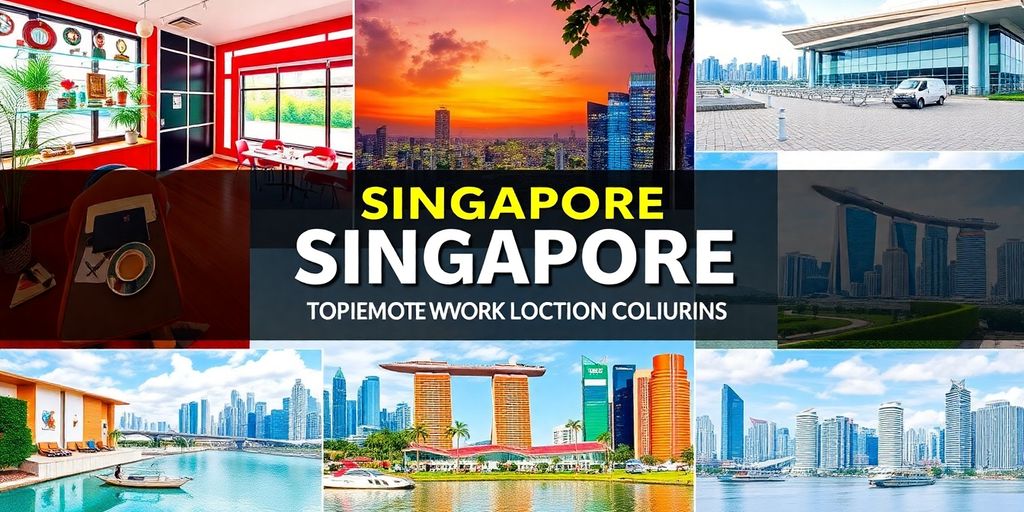
Singapore is a fantastic place for digital nomads, offering a range of options to suit different work styles and budgets. Whether you prefer the buzz of a coworking space, the relaxed vibe of a café, or the quiet of a library, you'll find somewhere that works for you. Let's explore some of the best spots.
Top Coworking Spaces
Coworking spaces are a popular choice for digital nomads seeking a professional and collaborative environment. They typically offer high-speed internet, comfortable workstations, meeting rooms, and networking opportunities. Here are a few top picks:
- The Working Capitol: Known for its stylish design and community events.
- WeWork: Multiple locations across Singapore with flexible membership options.
- The Hive: A creative space with a focus on design and innovation.
- JustCo: Offers affordable options and a wide range of amenities.
Coworking spaces can be a great way to meet other professionals and expand your network. They often host events and workshops that can help you develop your skills and grow your business.
Cafés with Reliable Wi-Fi
Singapore boasts a thriving café culture, and many cafés are well-equipped for remote work. Look for places with free Wi-Fi, power outlets, and a comfortable atmosphere. Here are some suggestions:
- Swee Lee Clarke Quay: Offers a relaxed atmosphere and good coffee.
- Monk's Brew Club: Known for its specialty coffee and quiet environment.
- Well Collective (Punggol): A great option if you're looking for a café outside the city centre.
For a more comprehensive list, you can discover 15 work-friendly cafés in Singapore that are perfect for both productivity and relaxation.
Public Spaces and Libraries for Remote Work
If you're on a tight budget, public spaces and libraries offer free and quiet places to work. Singapore's libraries are well-maintained and provide free Wi-Fi, ample seating, and study areas. Parks and gardens can also be a good option if you enjoy working outdoors.
Here's a quick comparison of some options:
| Location | Pros | Cons |
|---|---|---|
| National Library | Free Wi-Fi, quiet, ample seating | Can be crowded, limited power outlets |
| Gardens by the Bay | Scenic views, fresh air | Weather dependent, limited power outlets |
| Community Centres | Affordable, quiet spaces | May have limited amenities |
Financial Management for Digital Nomads
Understanding the Currency
Okay, so you're in Singapore. First thing's first: the currency is the Singapore Dollar (SGD). It's good to get familiar with the exchange rates, especially against your home currency. I usually use a currency converter app on my phone to keep track. It can fluctuate a bit, so keep an eye on it. You don't want any nasty surprises when you check your bank account. Knowing the currency exchange is super important for budgeting.
Banking Options and International Transfers
Opening a local bank account can be a good idea if you're staying for a while. It makes things like paying rent and bills much easier. Some banks have pretty good deals for foreigners, but do your research. Otherwise, you'll be relying on international transfers. Services like Wise or Revolut can be lifesavers here, often offering better rates and lower fees than traditional banks. Just watch out for any hidden charges. I once got stung by a hefty fee I didn't see coming!
Budgeting Tips for Living in Singapore
Singapore can be expensive, no sugarcoating it. Here are a few things I've learned to keep costs down:
- Track your spending: Use a budgeting app or even just a spreadsheet to see where your money is going. You might be surprised!
- Cook at home: Eating out is tempting, but it adds up fast. Hit the local markets for cheaper groceries.
- Take advantage of free activities: There are tonnes of free parks, museums, and events. Check out local listings.
Living on a budget in Singapore as a digital nomad is totally doable. It just takes a bit of planning and being mindful of your spending. Don't be afraid to explore cheaper options and take advantage of free activities. It's all part of the adventure!
Here's a rough idea of monthly expenses (in SGD):
| Expense | Estimated Cost | Notes |
|---|---|---|
| Accommodation | 1500 - 3000 | Depending on location and type (shared room, apartment, etc.) |
| Food | 500 - 800 | Cooking at home vs. eating out |
| Transportation | 100 - 200 | Public transport is efficient and relatively cheap |
| Entertainment | 200 - 500 | Varies greatly depending on your lifestyle |
| Miscellaneous | 100 - 300 | Phone, internet, personal care, etc. |
Networking Opportunities in Singapore
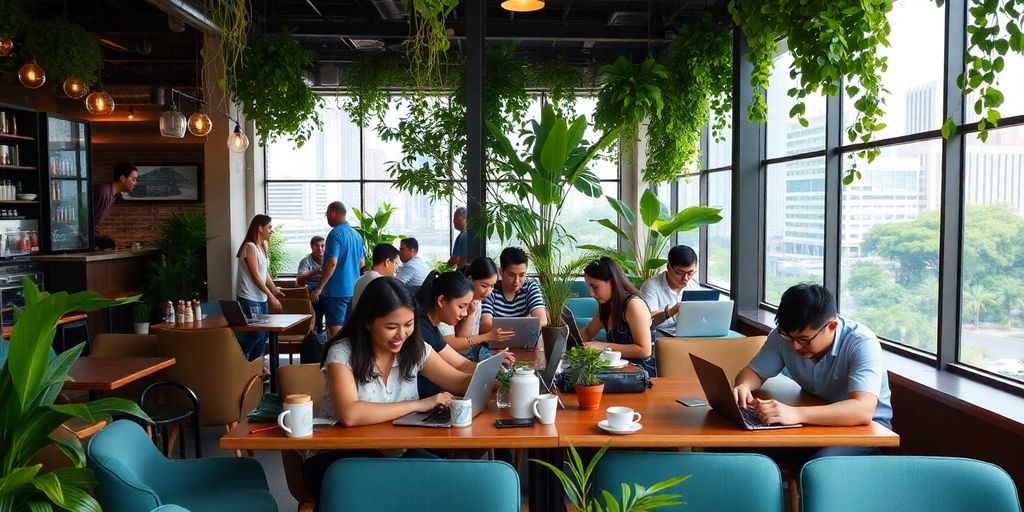
Singapore is a fantastic place to be a digital nomad, but it's not just about the great Wi-Fi and amazing food. It's also about the people you meet! Getting connected can really boost your experience, both professionally and socially. Here's how to do it:
Joining Digital Nomad Groups
One of the easiest ways to meet like-minded people is by joining digital nomad groups. These groups often organise meetups, share tips, and provide a sense of community. Facebook groups like "Singapore Digital Nomads" and "Expats in Singapore" are great places to start. You'll find people sharing advice on everything from the best coworking spaces to visa requirements. It's a really good way to get your bearings and find your tribe.
Attending Meetups and Events
Singapore has a vibrant meetup scene, with events catering to all sorts of interests. Attending these events is a brilliant way to expand your network and learn new things.
- Startup Grind Singapore: A global community for business owners, with opportunities to network and hear from experts.
- Creative Mornings Singapore: A regular meetup for artists, freelancers, and remote workers looking for fresh ideas.
- Coworking Space Events: Places like The Hive and WeWork often host meetups, workshops, and social gatherings.
Networking events can feel a bit daunting at first, but remember everyone is there to meet new people. Just be yourself, be open to conversations, and don't be afraid to strike up a chat. You never know who you might meet!
Building Professional Connections
Beyond social meetups, Singapore offers plenty of opportunities to build professional connections. LinkedIn is a powerful tool for connecting with people in your industry. You can also attend industry-specific conferences and workshops to meet potential clients or collaborators. Don't underestimate the power of a good old-fashioned coffee meeting! Many cafes offer a relaxed setting for informal networking. Websites like JobsDB and other job portals can also be useful for finding professional contacts, even if you're not actively looking for a job.
Exploring Singapore Beyond Work
Singapore isn't just about work; it's a fantastic place to explore and unwind. From cultural hotspots to lush green spaces, there's something for everyone. Let's take a look at what Singapore has to offer beyond the laptop screen.
Cultural Attractions and Activities
Singapore is a melting pot of cultures, and this is reflected in its diverse attractions. Immerse yourself in the vibrant atmosphere of Chinatown, Little India, or Kampong Glam. Each enclave offers a unique glimpse into different traditions, cuisines, and histories. You can visit temples, browse traditional shops, and sample authentic dishes. Other must-see cultural attractions include:
- The National Museum of Singapore: Delve into the nation's history and art.
- The ArtScience Museum: Explore the intersection of art, science, culture, and technology.
- The Esplanade - Theatres on the Bay: Catch a performance or simply admire the iconic architecture.
Outdoor Spaces and Parks
Need a break from the city buzz? Singapore boasts an impressive array of parks and gardens. Gardens by the Bay is a must-visit, with its stunning Supertrees and cooled conservatories. For a more natural escape, head to the Singapore Botanic Gardens, a UNESCO World Heritage Site. Other options include:
- East Coast Park: Perfect for cycling, picnics, and water sports.
- Fort Canning Park: A historical landmark with panoramic city views.
- MacRitchie Reservoir Park: Hike through the rainforest and cross the iconic TreeTop Walk.
Singapore's commitment to green spaces is truly remarkable. Even in the heart of the city, you're never far from a tranquil oasis where you can relax and recharge.
Local Cuisine and Dining Experiences
No trip to Singapore is complete without indulging in its world-renowned cuisine. From hawker centres to fine dining restaurants, the options are endless. Be sure to try local favourites such as:
- Chicken Rice: A simple yet satisfying dish of poached chicken and fragrant rice.
- Chilli Crab: A messy but delicious seafood delicacy.
- Laksa: A spicy coconut curry noodle soup.
For a unique dining experience, consider visiting a hawker centre. These open-air food courts offer a wide variety of affordable and delicious dishes. Here's a quick guide to budgeting for food:
| Item | Estimated Cost (SGD) |
|---|---|
| Hawker Meal | 5 - 10 |
| Cafe Lunch | 15 - 25 |
| Restaurant Dinner | 30+ |
Tips for a Successful Digital Nomad Experience
Maintaining Work-Life Balance
Okay, so you're in Singapore, the food's amazing, and there's always something to do. But remember why you're here! Work-life balance is super important to avoid burnout. It's easy to get caught up in exploring, but setting boundaries is key. Allocate specific hours for work and stick to them as much as possible.
- Schedule regular breaks throughout the day. Even short ones can help.
- Designate a workspace, even if it's just a corner of your room. This helps mentally separate work from leisure.
- Plan your leisure activities in advance. This makes you more likely to actually do them.
It's easy to let work bleed into your free time when you're a digital nomad. Don't fall into that trap. Make time for yourself, explore the city, and recharge. Your work will be better for it.
Embracing Local Culture
Singapore is a melting pot of cultures, and experiencing it is part of the fun! Don't just stick to tourist traps; try to immerse yourself in the local way of life. Learning a few basic phrases in the local languages (Malay, Mandarin, Tamil, or Singlish) can go a long way. Be respectful of local customs and traditions. For example, dress modestly when visiting religious sites. Understanding the local culture will enrich your experience and help you connect with people on a deeper level. Check out some cultural attractions to get started.
Staying Productive on the Go
Being productive while travelling requires some planning and discipline. Find a routine that works for you and stick to it as much as possible. This might involve waking up at the same time each day, setting daily goals, and using productivity tools to stay organised. Make sure you have a reliable internet connection, whether it's through a local SIM card or a coworking space. And don't be afraid to experiment with different work environments to find what suits you best.
Here's a quick rundown of apps that can help:
- Trello: For project management.
- Freedom: To block distracting websites.
- Forest: To stay focused on tasks.
Final Thoughts
So, there you have it! Singapore is a fantastic choice for digital nomads, blending modern facilities with a vibrant culture. Sure, the cost of living can be a bit steep, but the city's efficiency, safety, and strong connections make it a great place to work remotely. We’ve covered everything from visa options to coworking spaces and tips for saving money. Whether you're after a good workspace, affordable housing, or a chance to meet like-minded folks, Singapore has plenty to offer. Just remember, a bit of planning goes a long way—know your visa requirements, manage your budget wisely, and make the most of the tools available for digital nomads. If you're considering Singapore for your next remote work adventure, don’t hesitate to explore your visa options, book a short trip, and see if this bustling city fits your lifestyle. Join local digital nomad groups, try out different coworking spots, and discover if Singapore is the right fit for you. Happy travels and enjoy your remote work journey!
Frequently Asked Questions
What visa options are available for digital nomads in Singapore?
Digital nomads can choose from a few visa types in Singapore, like the Employment Pass for job offers, the EntrePass for those starting a business, or the Work Holiday Pass for students and recent graduates from certain countries.
Is it expensive to live in Singapore as a digital nomad?
Yes, Singapore can be pricey. Rent and daily expenses can add up quickly, but many digital nomads find the quality of life and services worth the cost.
Where are the best places to work remotely in Singapore?
Great spots for remote work include various coworking spaces, cafés with good Wi-Fi, and public libraries. Each offers a different vibe and environment.
How can I manage my finances while living in Singapore?
Understanding the local currency is important. Using banking apps like Revolut or Wise can help with international transfers, and budgeting wisely will help you manage your expenses.
Are there networking opportunities for digital nomads in Singapore?
Absolutely! There are many groups and meetups for digital nomads, making it easy to connect with others in the community and build professional relationships.
What can I do in Singapore besides work?
Singapore has a lot to offer! You can explore cultural attractions, enjoy outdoor parks, and try delicious local food, making your stay enjoyable beyond just work.
Filed under
The Moveandstay editorial team writes about serviced living, workspaces, and city guides across Asia-Pacific.