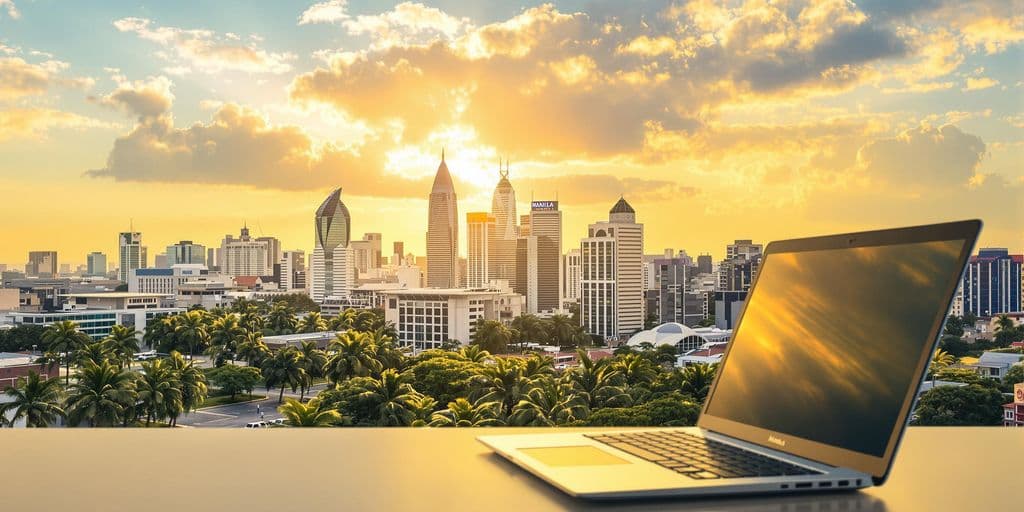
Thinking about working from the Philippines? Manila, the capital, offers a lively mix of old and new, making it a popular spot for people who work online. This guide is here to help you figure out the important bits if you're planning a trip. We'll cover what you need to know about living and working in Manila, from getting around to staying connected.
Key Takeaways
- The Philippines is appealing due to its low cost of living, friendly people who often speak English, and beautiful scenery. Manila itself offers modern facilities alongside rich culture.
- Currently, there isn't a specific visa for digital nomads. Most people use a tourist visa, which can be extended for a significant period. Always check the latest rules before you travel.
- Manila has various places to work, from dedicated coworking spots like Acceler8 by UNIONSPACE to many cafes with decent internet. Coliving spaces are also an option for both living and working.
- Internet speed can be a bit hit-or-miss across the Philippines. It's wise to research specific areas and have backup plans for staying online, especially outside major cities.
- Be aware of your surroundings for safety, especially in busy places or at night. General precautions like using trusted transport and keeping valuables secure are important.
Understanding Manila as a Digital Nomad Hub
Manila, the bustling capital of the Philippines, is increasingly catching the eye of digital nomads. It's a city that really throws you into the deep end, but in a good way, offering a vibrant mix of modern conveniences and deep-rooted culture. You've got everything from sprawling shopping centres and slick co-working spaces to historic districts that feel like stepping back in time. It's this blend that makes it so appealing. Plus, the Philippines itself, with its thousands of islands and generally friendly locals, provides an incredible backdrop for a nomadic lifestyle.
What Makes the Philippines an Attractive Place for Digital Nomads?
The Philippines offers a compelling package for those working remotely. The cost of living is a big draw; compared to many Western countries, your money stretches a lot further here. This affordability extends to daily expenses like food and transport, allowing for a comfortable lifestyle even on a modest budget. Beyond the financial aspect, the country boasts stunning natural beauty, from pristine beaches to lush mountains, providing ample opportunities for exploration and weekend getaways. The warmth and hospitality of the Filipino people also contribute significantly to making it a welcoming place for foreigners.
Manila: A Blend of Modern Amenities and Culture
Manila itself is a fascinating study in contrasts. You can spend your morning working from a trendy cafe with reliable Wi-Fi, and your afternoon exploring the colonial architecture of Intramuros or visiting world-class museums. The city has a dynamic energy, constantly evolving with new developments and businesses. While it can be chaotic, there's an undeniable charm to its organised disarray. You'll find a wide array of dining options, from street food stalls offering delicious local fare to international restaurants. For those who enjoy city life, Manila provides plenty of entertainment, shopping, and opportunities to connect with a diverse community. The cost of living in Manila can vary, but generally, it's quite reasonable. For instance, a three-bedroom apartment outside the city centre might cost around $650 USD (PHP36,000), making it an attractive option for budget-conscious nomads. Cost of living in the Philippines is a key factor for many choosing this destination.
Navigating Visas and Legalities
When you're thinking about setting up shop as a digital nomad in the Philippines, getting your head around the visa situation is pretty important. It can seem a bit confusing at first, but it’s not as complicated as it might appear. Most people who come here for work, especially those working remotely, tend to start off on a tourist visa. It’s generally quite straightforward to get, and extending your stay while you’re in the country is usually a simple process.
Visa Requirements for Digital Nomads in the Philippines
For many nationalities, a 30-day visa waiver is readily available, making entry quite easy. However, it's a good idea to have proof of onward travel, like a flight ticket out of the country, especially when you're booking flights. Sometimes, airline staff might ask for this before you even board the plane, so it’s best to be prepared. While immigration officials in Manila might not always ask for it, having an onward ticket is a sensible precaution.
Understanding Long-Term Tourist Visas
If you plan to stay for longer than the initial visa waiver allows, extending your stay is possible. You can typically get a six-month extension, which effectively acts like a long-term tourist visa. The process for this usually involves a visit to the Bureau of Immigration. It’s worth noting that overstaying your visa can incur significant fees, so keeping track of your expiry dates is key. Some sources suggest that a six-month extension can cost just over $200 USD, but it's always wise to check the latest fees directly.
While the Philippines doesn't have a specific 'digital nomad visa' yet, the extended tourist visa serves a similar purpose for many remote workers. Keep an eye on official announcements, as immigration policies can change.
There are other visa options, like the Special Resident Retiree’s Visa (SRRV), but these are generally for those over 35 and have different requirements. For most digital nomads, the tourist visa route is the most common and accessible way to start your journey in the Philippines. Remember to look into travel and medical coverage to ensure you're protected during your stay.
Finding Your Ideal Workspace
When you're working remotely in Manila, having a decent place to get your tasks done is pretty important, right? It's not always easy to just rely on your apartment's WiFi, especially if it's a bit spotty. Luckily, Manila has a growing number of spots designed for people like us.
Co-working Spaces and Cafes in Manila
Manila's got a decent selection of co-working spaces popping up, and many cafes are pretty good too. These places are great for meeting other remote workers and often have better internet than you might find elsewhere.
Here are a few popular options:
- WeWork BCG: Located in the upscale BCG area, this is part of a global chain. They offer a mix of private offices and shared desks, plus lounges and an on-site cafe. It's a well-known spot, so you're likely to find a good community vibe.
- Clock In: Situated right in the heart of the BCG area, Clock In is another solid choice for connecting with the local digital nomad scene. They have hot desks, private rooms, and meeting rooms, all with high-speed WiFi.
- Bullish: If you're in Quezon City, Bullish is a popular choice. They provide free coffee, fast fiber WiFi, and various desk options, including private rooms.
Beyond dedicated co-working spaces, many cafes offer a good atmosphere for working. Just be mindful of noise levels and whether they expect you to keep buying things if you're there for a long stretch.
Finding a reliable workspace can make a huge difference to your productivity and overall experience. It's worth trying out a few different places to see which one suits your working style best.
Coliving Spaces for Nomadic Professionals
For those looking for a more integrated experience, coliving spaces are becoming a thing in Manila. These places combine your accommodation and workspace, often with a built-in community. It can be a really convenient way to settle in, meet people, and have everything sorted in one go. You get your living space and a ready-to-go work environment, often with organised events and networking opportunities. It's a good way to cut down on the hassle of finding separate accommodation and a workspace, especially when you're new to the city. Many of these spaces are found in areas like Makati which is a prime destination for digital nomads in Metro Manila.
Connectivity: The WiFi Situation
When you're planning to work remotely from Manila, getting a handle on the internet situation is pretty important. It's not always the most straightforward thing, and you'll find speeds can vary a lot. Don't assume every cafe or co-working space will have lightning-fast Wi-Fi. While major cities like Manila generally offer better connections, venturing out to the islands can present a real challenge for reliable internet. It's not uncommon to experience slower speeds or even occasional blackouts, especially outside the main urban centres. This is often down to infrastructure issues and a lack of competition in the market, meaning service quality can be inconsistent.
Ensuring Reliable Internet Access
To keep your work flowing, it's wise to have a backup plan. Many digital nomads find that getting a local SIM card with a generous data allowance is a lifesaver. You can then use your phone as a mobile hotspot if your primary connection falters. Some people also look into portable Wi-Fi devices or international plans that cover the Philippines. When booking accommodation or co-working spaces, always check recent reviews specifically mentioning internet speed and stability. It’s worth the effort to avoid frustration later on.
Addressing Poor WiFi Experiences
If you find yourself in a situation with spotty Wi-Fi, don't despair. Having a local SIM card with a good data package is your best bet for staying connected, allowing you to use your phone as a hotspot. This is a common strategy for many working remotely here. Some travellers have also had success with specific international mobile plans that offer good coverage in the Philippines. It’s always a good idea to research your options before you arrive to find the best fit for your needs, perhaps looking into a Nomad's Philippines eSIM for high-speed data.
It's a good idea to have a backup plan for internet connectivity, as speeds can be unpredictable. Relying solely on public Wi-Fi or your accommodation's connection might lead to disruptions. Having a local SIM card with ample data or a portable Wi-Fi device can make a significant difference to your productivity and overall experience.
Essential Considerations for Your Stay
When you're planning your digital nomad adventure in Manila, there are a few practical things to keep in mind to make your stay smoother. It's not all about the WiFi and co-working spots, though those are important. You've also got to think about your money, staying safe, and just generally how to live day-to-day in a big city like this.
Cost of Living and Budgeting
Manila can be surprisingly affordable, but it really depends on your lifestyle. You can live quite comfortably on a modest budget if you're smart about it. Eating at local eateries, known as 'carinderias', will save you a lot compared to tourist-focused restaurants. Public transport like the LRT and MRT are cheap, but can get very crowded during peak hours. For accommodation, prices vary wildly. A decent one-bedroom apartment in a central area might set you back between PHP 25,000 and PHP 45,000 per month. If you're looking for something a bit further out or in a less central district, you could find places for PHP 10,000 to PHP 20,000. It's wise to have a buffer for unexpected expenses.
Safety Precautions for Nomads
Like any major city, Manila has its share of safety concerns, but most visitors have no issues if they're sensible. It's a good idea to be aware of your surroundings, especially in crowded places like markets or public transport hubs, as petty theft can happen. Avoid walking alone late at night in unfamiliar areas. Stick to well-lit streets and consider using ride-sharing apps or reputable taxis if you're out after dark. It’s also worth keeping an eye on local news for any specific advisories. Generally, people are friendly, but it never hurts to be cautious.
Pollution and Environmental Factors
Manila's air quality can be a challenge, particularly in busy urban centres. The sheer volume of traffic contributes significantly to this. If you have respiratory issues, you might find it a bit tough. It's advisable to limit strenuous outdoor activity during periods of high pollution, which you can often check via online air quality indexes. Investing in a good quality face mask, especially if you'll be using public transport frequently, can make a difference. The city can also experience heavy rainfall and occasional flooding, especially during the typhoon season which typically runs from June to November. Staying informed about weather forecasts is a good habit.
Exploring Beyond the Capital
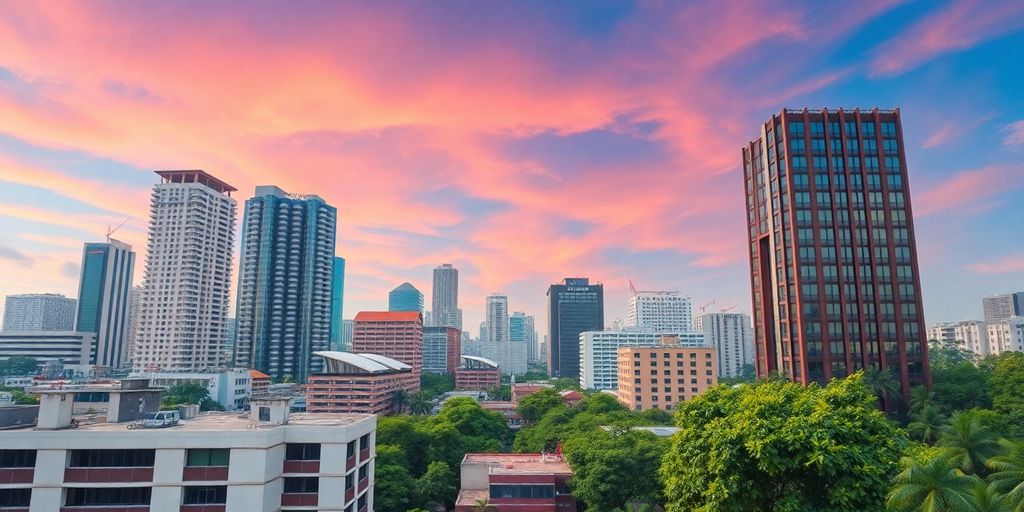
While Manila offers a lot, the Philippines is a massive archipelago with countless other spots that are drawing in remote workers. If you're looking to spread your wings beyond the capital, you've got some seriously good options. Think about what you want from your nomadic life – do you fancy surfing, chilling on a beach, or exploring historical sites? The country really does have a bit of everything.
Popular Destinations for Digital Nomads
Beyond Manila, several places have become quite popular with people working remotely. These spots often offer a more relaxed pace of life, stunning natural beauty, and a lower cost of living compared to the bustling capital. It's worth doing a bit of research to see which one fits your vibe.
Siargao: Surf and Laid-back Vibes
Often called the "Surfing Capital of the Philippines," Siargao is an island paradise that's become a magnet for digital nomads. It's not just about catching waves, though. The island has a really chill atmosphere, with plenty of cafes and co-working spaces popping up that cater to remote workers. You'll find a strong community here, and the natural beauty, from lagoons to rock pools, is just incredible. Getting around is usually by motorbike, which adds to the adventure.
Cebu: City and Beach Life
Cebu is another major hub, offering a mix of urban convenience and easy access to beautiful beaches and islands. Cebu City itself has a lot going on, with shopping malls, restaurants, and a growing number of co-working facilities. From Cebu, you can easily hop on a ferry or a short flight to places like Bohol, known for its Chocolate Hills and tarsiers, or Malapascua, a famous diving spot. It's a good compromise if you want city amenities but also crave island escapes. The Philippines is an attractive destination for digital nomads seeking unique experiences and beautiful scenery.
When planning your trips outside Manila, remember that inter-island travel can sometimes take longer than expected. Always factor in buffer time for flights and ferries, as schedules can change due to weather or other factors. It's part of the adventure, really.
Here's a quick look at what some of these places offer:
- Siargao: Known for surfing, laid-back island life, and a growing nomad community.
- Cebu: Offers a blend of city living and access to beaches and diving spots.
- Bohol: Famous for its unique landscapes and wildlife.
- Palawan: Often cited for its stunning natural beauty, including lagoons and limestone cliffs.
Building Your Community

Being a digital nomad in Manila can feel a bit isolating at first, especially if you're used to a bustling office environment or a tight-knit group of friends back home. But don't worry, the Philippines is actually pretty good at bringing people together. It's all about putting yourself out there a bit, and you'll find your tribe.
Connecting with Fellow Nomads
Finding your people here is easier than you might think. A lot of it comes down to being proactive. Think about joining local meetups or even striking up conversations with people you meet in cafes or co-working spots. You never know who you'll click with. The digital nomad scene here is growing, and people are generally quite friendly and open to meeting new faces.
Here are a few ways to get started:
- Attend events: Keep an eye out for organised events, workshops, or even casual get-togethers. Many co-working spaces and expat groups host these regularly.
- Utilise online platforms: Websites and apps designed for travellers and remote workers are a goldmine for finding connections. Platforms like Nomad Social are great for discovering activities and meeting others.
- Be open to conversation: Don't be afraid to chat with people you encounter. Whether it's at a coffee shop, a shared workspace, or even on a Grab ride, a simple hello can lead to a new friendship.
Making friends takes a little effort, but the rewards are huge. Having a support network, even a temporary one, can make your experience in Manila so much richer and more enjoyable.
Facebook Groups for Digital Nomads in the Philippines
Facebook groups are seriously one of the best resources for digital nomads in the Philippines. They're not just for asking questions; they're hubs for organising meetups, sharing tips, and generally staying in the loop. You'll find groups dedicated to specific cities, general digital nomad life in the Philippines, and even groups for expats. It’s worth joining a few to see which ones are most active and relevant to your interests. Some popular ones often include "Digital Nomad Philippines" and "Philippines Expats", but there are many more niche groups too, so have a good search. You can find people organising everything from weekend trips to co-working days.
So, Should You Pack Your Bags for Manila?
All in all, Manila offers a pretty interesting mix for anyone looking to work remotely. It’s not always going to be perfect, sure – you’ll deal with the odd internet hiccup or a bit of city hustle that takes some getting used to. But the affordability, the sheer number of places to explore, and the generally welcoming vibe make it a solid choice. Just do your homework on where you’re staying, keep your wits about you, and you might just find yourself extending your trip, much like many others have. It’s definitely an adventure, and for many, a really good one.
Frequently Asked Questions
Can foreigners work remotely in the Philippines?
Yes, you can work remotely in the Philippines as a digital nomad. Most people use a tourist visa to stay for a while. You can extend this visa for up to 36 months, which is quite a long time. Just make sure to check the latest rules before you travel.
Why is Manila a good place for digital nomads?
Manila is a great choice because it has lots of modern things and cool places to see. You'll find many spots to work from, like cafes and co-working spaces, that often have good internet. Plus, there's plenty to do, from old historical places to fun nightlife.
What makes the Philippines a good spot for digital nomads?
The Philippines is attractive because it's not too expensive to live there. The people are friendly and many speak English, which makes things easier. You'll also find beautiful nature and a warm climate. It's a place where you can experience different cultures.
How can I make sure I have good internet access?
For internet, it's best to look for co-working spaces or cafes that advertise good WiFi. Sometimes, the internet can be a bit slow or unreliable, especially outside of big cities. Having a local SIM card with a data plan can also be a lifesaver if you need to get online quickly.
What safety tips should I know?
It's wise to be careful, just like in any busy place. Keep an eye on your belongings, especially in crowded areas like markets or on buses. Try not to walk alone late at night in quiet spots. Using trusted taxi or ride-sharing apps is usually a good idea.
Are there places where I can live and work together with others?
Yes, there are places like co-living spaces and hostels that offer rooms for longer stays. These are good for meeting other travellers and often have shared work areas. You can also look for apartments or houses to rent, and checking expat groups on social media can help you find good deals.
Filed under
The Moveandstay editorial team writes about serviced living, workspaces, and city guides across Asia-Pacific.